Shivpreet Singh
Shivpreet Singh
  • Home
  • Music
    • Spotify
    • Apple Music
    • Amazon
    • Pandora
    • SoundCloud
    • Google
    • You Tube
      • Music on YouTube
      • Uplifting Shabads
      • Guru Nanak Shabads
      • Meditation & Chanting
      • Shabads for Kids
      • Shabads of Guru Arjan
      • Shabads of Guru Gobind Singh
  • Videos
    • Latest
    • Popular
    • Uplifting
    • Guru Nanak
    • Meditation
    • For Kids
    • Guru Arjan
    • Guru Gobind Singh
  • Projects
    • DhunAnand Foundation
    • Pandemic 2020
    • Guru Nanak 550
    • Namdev 750
    • Thoughts and Ruminations
    • What I Love to Read
  • News
  • Meet Me
    • Meet Me
    • Request
    • Send Email
    • Newsletter
    • FAQs
  • About
    • Biography
    • Photos
    • Music
    • FAQs

 Nothing Gold Can Stay

- Robert Frost

Nature’s first green is gold,
Her hardest hue to hold.
Her early leaf’s a flower;
But only so an hour.
 
Then leaf subsides to leaf.
So Eden sank to grief,
So dawn goes down to day.
Nothing gold can stay.


Analysis - Nothing Gold Can Stay

"Nature's first green is gold,"
Here, Frost is likely referring to the first buds of spring, which often have a golden hue before they mature to a deeper green. Perhaps they are gold in the light of the rising sun. Or perhaps its nature's currency! In any case, this is a metaphor for the freshness and beauty of youth or the start of something. 

"Her hardest hue to hold."
The color gold is hard for nature to "hold" or maintain, because it is fleeting and soon turns to green. This is symbolic of the fleeting nature of beauty and perfection. Things start off perfect and then change, just as the golden buds mature and change color.

"Her early leaf's a flower;"
This line furthers the image of fresh spring growth. A leaf at its earliest stage can be as beautiful as a flower, but it doesn't stay that way. This could be seen as a metaphor for innocence and the inevitable loss of it with growth and maturity.

"But only so an hour."
The beauty of the early leaf, like the gold color, doesn't last. It's there only for an hour, which is a metaphor for a short period of time. This reinforces the theme of transience.

"Then leaf subsides to leaf."
The beautiful young leaf "subsides" or changes into an ordinary leaf. Here, Frost could be suggesting that the extraordinary becomes ordinary, the exciting becomes mundane as time passes.

"So Eden sank to grief,"
This line is a biblical allusion to the Garden of Eden, a paradise that was lost due to human sin. This can be seen as a metaphor for the loss of innocence and the fall from grace or perfection.

"So dawn goes down to day."
The dawn, with its beautiful, golden light, goes down or gives way to day. The beautiful, golden dawn is fleeting, just like the gold of the early leaf. This is a metaphor for the passing of time and the inevitability of change.

"Nothing gold can stay."
The final line wraps up the poem's theme. Nothing that is "gold" or perfect, beautiful, fresh, or young can stay that way. Everything changes, and all beauty and youth fade.

Overall, the poem is a reflection on the passage of time, the fleeting nature of beauty and youth, and the inevitability of change. It suggests a certain melancholy in the face of these facts, but also an acceptance of them as a natural part of life.


Embracing Satnam: Finding Inner Peace and Resilience

In the transient tapestry of nature, we find an exquisite metaphor for the impermanence of our existence. The changing seasons, the falling leaves, and the fading flowers—all serve as a poignant reminder that nothing gold can stay. Yet, amidst this impermanence, there exists something unchanging within us, a guiding light that transcends time and space. This essence, known as Satnam, represents the unshakable core of our being—the source of eternal peace, wisdom, and love.

As we immerse ourselves in the contemplation of nature's transient beauty, we are given an opportunity to turn inward and connect with our true essence. Just as the first green of spring gives way to the vibrant hues of life, we too must recognize the impermanence of the external world. This fleeting beauty, like the changing colors of nature, calls us to turn our gaze inward and seek union with our unchanging truth. Through this deep connection with Satnam, we find a stability that remains unshaken amidst life's inevitable changes.

When we anchor ourselves in Satnam, we cultivate a sense of inner peace that transcends the ebb and flow of life. We become attuned to the rhythm of the universe and learn to embrace each moment with gratitude and acceptance. This connection to our true essence allows us to navigate life's transitions with grace and resilience, drawing strength from the unwavering truth of our being.

Furthermore, Satnam allows us to transcend the limitations of the physical world. It is a timeless and boundless presence that connects us to all of creation, fostering compassion and empathy for all beings. Through this profound connection, we develop a deep awareness of our interconnectedness with the cosmos, recognizing the universal bond that unites us with all of existence.

In the face of life's trials and uncertainties, our connection to Satnam provides us with unwavering strength and fortitude. Like the steadfast mountains that endure the test of time, our true essence imbues us with resilience and courage, enabling us to navigate adversity with grace and steadfastness. As we draw upon the unchanging truth of Satnam, we find the inner resources to overcome obstacles and face life's challenges with unwavering determination.

In concluding our meditation on Satnam, let us carry the awareness of our unchanging truth with us into the world. May we embody the timeless qualities of Satnam—peace, compassion, and resilience—in all our interactions and endeavors. Let our connection to the unchanging truth serve as a guiding light, illuminating our path with wisdom and love.

In embracing Satnam, we find a profound source of inner peace and resilience, transcending the ephemeral nature of the external world. This unchanging truth at the heart of our existence provides us with a steady anchor amidst life's ever-changing landscape. As we embrace our true essence, may we find the strength, wisdom, and compassion to navigate the journey of life with grace and fortitude.
I am reading Robert Frost's poem "Mending Wall" and thinking about a potential resolution of Russia's war on Ukraine. Here is the poem, followed by my thoughts. 


Mending Wall

BY ROBERT FROST

Something there is that doesn’t love a wall,
That sends the frozen-ground-swell under it,
And spills the upper boulders in the sun;
And makes gaps even two can pass abreast.
The work of hunters is another thing:
I have come after them and made repair
Where they have left not one stone on a stone,
But they would have the rabbit out of hiding,
To please the yelping dogs. The gaps I mean,
No one has seen them made or heard them made,
But at spring mending-time we find them there.
I let my neighbor know beyond the hill;
And on a day we meet to walk the line
And set the wall between us once again.
We keep the wall between us as we go.
To each the boulders that have fallen to each.
And some are loaves and some so nearly balls
We have to use a spell to make them balance:
‘Stay where you are until our backs are turned!’
We wear our fingers rough with handling them.
Oh, just another kind of out-door game,
One on a side. It comes to little more:
There where it is we do not need the wall:
He is all pine and I am apple orchard.
My apple trees will never get across
And eat the cones under his pines, I tell him.
He only says, ‘Good fences make good neighbors.’
Spring is the mischief in me, and I wonder
If I could put a notion in his head:
‘Why do they make good neighbors? Isn’t it
Where there are cows? But here there are no cows.
Before I built a wall I’d ask to know
What I was walling in or walling out,
And to whom I was like to give offense.
Something there is that doesn't love a wall,
That wants it down.’ I could say ‘Elves’ to him,
But it’s not elves exactly, and I’d rather
He said it for himself. I see him there
Bringing a stone grasped firmly by the top
In each hand, like an old-stone savage armed.
He moves in darkness as it seems to me,
Not of woods only and the shade of trees.
He will not go behind his father’s saying,
And he likes having thought of it so well
He says again, ‘Good fences make good neighbors.’

Other poems by Robert Frost


Robert Frost's poem "Mending Wall" was published in 1914 as the first poem in his collection "North of Boston." The poem delves into the themes of human nature, tradition, isolation, and the boundaries that people create between themselves and others.

In the poem, the speaker and his neighbor come together each spring to mend the stone wall that separates their properties. The wall serves as a physical barrier between them, but it also symbolizes the emotional and psychological barriers that humans build to protect their individual spaces and identities.

The poem begins with the famous lines: "Something there is that doesn't love a wall," implying that the speaker is questioning the necessity of the wall and the tradition of rebuilding it each year. The speaker observes that nature itself seems to be against the wall, as it causes damage to the wall through various forces like freezing and thawing.

The neighbor, however, adheres to the old adage: "Good fences make good neighbors," expressing a traditional belief that setting boundaries helps maintain peaceful relationships. He is committed to the practice of rebuilding the wall because it was a tradition handed down to him by his father.

Throughout the poem, the speaker challenges the necessity of the wall and tries to persuade his neighbor to consider if it is truly required. He questions the purpose of the wall, as their properties are separated by woods and pine trees, not livestock that might need to be contained. The speaker wonders if the wall is just an old habit, a reflexive response to keep what is "other" at bay.

"Mending Wall" explores the tension between the desire for individuality and privacy versus the need for connection and community. The neighbor represents tradition and a conservative approach to maintaining boundaries, while the speaker embodies a more progressive mindset that questions the need for such barriers.

In the end of the poem, despite the speaker's attempts to challenge the tradition, the neighbor remains resolute in his beliefs. The wall continues to be rebuilt, suggesting that these barriers and divisions are deeply ingrained in human behavior, and the poem leaves the readers pondering the complexities of human nature and the desire for both separation and connection.

The resolution of the Ukrainian conflict can be approached in two ways: mending the wall or reaching an agreement that walls are unnecessary. Until one of these paths is chosen, innocent lives will continue to be lost. It is crucial to find common ground and establish a peaceful solution to prevent further suffering and tragedy.

Other poems by Robert Frost
In the book Journal of a Solitude, the poet May Sarton once wrote that “Loneliness is the poverty of self; solitude is richness of self.”   

Poems can be companions when you are alone. In his poem, The Day is Done, Henry Wadsworth Longfellow invites a poem to soothe his feelings, and in turns soothes anyone who reads his words:
Come, read to me some poem,
      Some simple and heartfelt lay,
That shall soothe this restless feeling,
      And banish the thoughts of day.

The following poems soothe my feelings:

Tagore - Jodi Tor Dak Shune

Jodi tor đak shune keu na ashe tôbe êkla chôlo re,
Êkla chôlo, êkla chôlo, êkla chôlo, êkla chôlo re.
Jodi keu kôtha na kôe, ore ore o ôbhaga,
Jodi shôbai thake mukh firaee shôbai kôre bhôe---
Tôbe pôran khule
O tui mukh fuţe tor moner kôtha êkla bôlo re.
Jodi shôbai fire jae, ore ore o ôbhaga,
Jodi gôhon pôthe jabar kale keu fire na chae---
Tôbe pôther kãţa
O tui rôktomakha chôrontôle êkla dôlo re.
Jodi alo na dhôre, ore ore o ôbhaga,
Jodi jhôŗ-badole ãdhar rate duar dêe ghôre---
Tôbe bojranôle
Apon buker pãjor jalie nie êkla jôlo re.

Tagore's English translation

If they answer not to thy call walk alone,
If they are afraid and cower mutely facing the wall,
O thou unlucky one,
open thy mind and speak out alone.

If they turn away, and desert you when crossing the wilderness,
O thou unlucky one,
trample the thorns under thy tread,
and along the blood-lined track travel alone.

If they do not hold up the light when the night is troubled with storm,
O thou unlucky one,
with the thunder flame of pain ignite thy own heart
and let it burn alone.


William Stafford - Royalty in Desperation

A Story That Could Be True

If you were exchanged in the cradle and
your real mother died
without ever telling the story
then no one knows your name,
and somewhere in the world
your father is lost and needs you
but you are far away.
He can never find
how true you are, how ready.
When the great wind comes
and the robberies of the rain
you stand on the corner shivering.
The people who go by—
you wonder at their calm.
They miss the whisper that runs
any day in your mind,
“Who are you really, wanderer?”—
and the answer you have to give
no matter how dark and cold
the world around you is:
“Maybe I’m a king.”

- William Stafford 

Guru Arjan - Bhinni Rainariye

The night is beautiful
but everyone is asleep
Still, the saints are awake
they are awake day and night
to see the stars twinkling in the sky
and in the dewdrops on petals and sepals

More on Bhinni Rainariye


Song by Adrienne Rich

Song

“You’re wondering if I’m lonely;
OK then, yes, I’m lonely
as a plane rides lonely and level
on its radio beam, aiming
across the Rockies
for the blue-strung aisles
of an airfield on the ocean

You want to ask, am I lonely?
Well, of course, lonely
as a woman driving across country
day after day, leaving behind
mile after mile
little towns she might have stopped
and lived and died in, lonely

If I’m lonely
it must be the loneliness
of waking first, of breathing
dawn’s first cold breath on the city
of being the one awake
in a house wrapped in sleep

If I’m lonely
it’s with the rowboat ice-fast on the shore
in the last red light of the year
that knows what it is, that knows it’s neither
ice nor mud nor winter light
but wood, with a gift for burning”

—Adrienne Rich

Unto my books - Emily Dickinson


Unto my books so good to turn
Far ends of tired days;
It half endears the abstinence,
And pain is missed in praise.

As flavors cheer retarded guests
With banquetings to be,
So spices stimulate the time
Till my small library.

It may be wilderness without,
Far feet of failing men,
But holiday excludes the night,
And it is bells within.

I thank these Kinsmen of the Shelf;
Their countenances bland
Enamour in prospective,
And satisfy, obtained.

- Emily Dickinson

Acquainted with the Night - Robert Frost


I have been one acquainted with the night.
I have walked out in rain—and back in rain.
I have outwalked the furthest city light.

I have looked down the saddest city lane.
I have passed by the watchman on his beat
And dropped my eyes, unwilling to explain.

I have stood still and stopped the sound of feet
When far away an interrupted cry
Came over houses from another street,

But not to call me back or say good-bye;
And further still at an unearthly height,
One luminary clock against the sky

Proclaimed the time was neither wrong nor right. 
I have been one acquainted with the night.

- Robert Frost
Reading A Prayer in Spring, a poem about gratitude and love. 


A Prayer in Spring
- Robert Frost

Oh, give us pleasure in the flowers to-day;
And give us not to think so far away
As the uncertain harvest; keep us here
All simply in the springing of the year.

Oh, give us pleasure in the orchard white,
Like nothing else by day, like ghosts by night;
And make us happy in the happy bees,
The swarm dilating round the perfect trees.

And make us happy in the darting bird
That suddenly above the bees is heard,
The meteor that thrusts in with needle bill,
And off a blossom in mid air stands still.

For this is love and nothing else is love,
The which it is reserved for God above
To sanctify to what far ends He will,
But which it only needs that we fulfil.
Today I am reading Putting in the Seed by Robert Frost this spring while meditating on Leaves Compared with Flowers and wondering about how most poets are afflicted with this "springtime passion for the earth." Interesting that Robert Frost is so self-aware and self-deprecating, a great quality in a poet. Through this Shakespearean sonnet, reader can reflect upon how “sowing a seed” is related human love and life.  The reader marvels at how small this seed is, yet how sturdy. This is from where the root will come, and like Kabir says, the root will lead you to the branch, the leaf, the flower, and the fruit. 


Putting in the Seed

Robert Frost

You come to fetch me from my work to-night 
When supper's on the table, and we'll see 
If I can leave off burying the white 
Soft petals fallen from the apple tree. 
(Soft petals, yes, but not so barren quite, 
Mingled with these, smooth bean and wrinkled pea;) 
And go along with you ere you lose sight 
Of what you came for and become like me, 
Slave to a springtime passion for the earth. 
How Love burns through the Putting in the Seed 
On through the watching for that early birth 
When, just as the soil tarnishes with weed, 
The sturdy seedling with arched body comes 
Shouldering its way and shedding the earth crumbs.


Notes from Others

1. Frost is at the dinner table for his final meal of the day. His personal season of fertility is over. He observes. He is aware of the trials for the seed. But the seed is already planted and he cannot control it with his own will. It will grow without Frost’s control. The trick is to watch and allow life to be.

2. The poem is literally about a woman who comes to tell a man his supper is ready. She gets distracted working with the man. They discover they both enjoy planting and watching the seeds grow.


Nothing Is Far
- Robert Francis

Though I have never caught the word
Of God from any calling bird,
I hear all that the ancients heard.

Though I have seen no deity
Enter or leave a twilit tree,
I see all that the seers see.

A common stone can still reveal
Something not stone, not seen, yet real.
What may a common stone conceal?

Nothing is far that once was near.
Nothing is hid that once was clear.
Nothing was God that is not here.

Here is the bird, the tree, the stone.
Here in the sun I sit alone
Between the known and the unknown.

Fire and Ice

Some say the world will end in fire,
Some say in ice.
From what I’ve tasted of desire
I hold with those who favor fire.
But if it had to perish twice,
I think I know enough of hate
To say that for destruction ice
Is also great
And would suffice.

- Robert Frost 


The closer we get to desire we can get burnt in the heat. The farther we get from love we can get too cold. A balance of desire and love is required. The middle path. The right path. To live fully. 

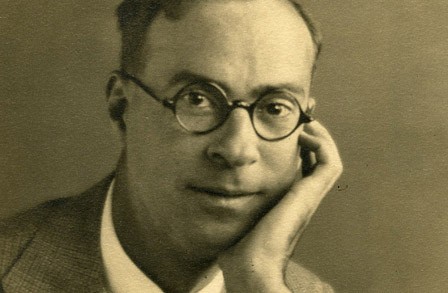
Robert Lee Frost (March 26, 1874 – January 29, 1963) was an American poet. His work was initially published in England before it was published in America. He is highly regarded for his realistic depictions of rural life and his command of American colloquial speech. His work frequently employed settings from rural life in New England in the early twentieth century, using them to examine complex social and philosophical themes. One of the most popular and critically respected American poets of the twentieth century, Frost was honored frequently during his lifetime, receiving four Pulitzer Prizes for Poetry. He became one of America's rare "public literary figures, almost an artistic institution." He was awarded the Congressional Gold Medal in 1960 for his poetical works. On July 22, 1961, Frost was named Poet laureate of Vermont.

Nothing Gold Can Stay
- Robert Frost

Nature’s first green is gold,
Her hardest hue to hold.
Her early leaf’s a flower;
But only so an hour.
 
Then leaf subsides to leaf.
So Eden sank to grief,
So dawn goes down to day.
Nothing gold can stay.


Analysis - Nothing Gold Can Stay

"Nature's first green is gold,"
Here, Frost is likely referring to the first buds of spring, which often have a golden hue before they mature to a deeper green. Perhaps they are gold in the light of the rising sun. Or perhaps its nature's currency! In any case, this is a metaphor for the freshness and beauty of youth or the start of something. 

"Her hardest hue to hold."
The color gold is hard for nature to "hold" or maintain, because it is fleeting and soon turns to green. This is symbolic of the fleeting nature of beauty and perfection. Things start off perfect and then change, just as the golden buds mature and change color.

"Her early leaf's a flower;"
This line furthers the image of fresh spring growth. A leaf at its earliest stage can be as beautiful as a flower, but it doesn't stay that way. This could be seen as a metaphor for innocence and the inevitable loss of it with growth and maturity.

"But only so an hour."
The beauty of the early leaf, like the gold color, doesn't last. It's there only for an hour, which is a metaphor for a short period of time. This reinforces the theme of transience.

"Then leaf subsides to leaf."
The beautiful young leaf "subsides" or changes into an ordinary leaf. Here, Frost could be suggesting that the extraordinary becomes ordinary, the exciting becomes mundane as time passes.

"So Eden sank to grief,"
This line is a biblical allusion to the Garden of Eden, a paradise that was lost due to human sin. This can be seen as a metaphor for the loss of innocence and the fall from grace or perfection.

"So dawn goes down to day."
The dawn, with its beautiful, golden light, goes down or gives way to day. The beautiful, golden dawn is fleeting, just like the gold of the early leaf. This is a metaphor for the passing of time and the inevitability of change.

"Nothing gold can stay."
The final line wraps up the poem's theme. Nothing that is "gold" or perfect, beautiful, fresh, or young can stay that way. Everything changes, and all beauty and youth fade.

Overall, the poem is a reflection on the passage of time, the fleeting nature of beauty and youth, and the inevitability of change. It suggests a certain melancholy in the face of these facts, but also an acceptance of them as a natural part of life.


Embracing Satnam: Finding Inner Peace and Resilience

In the transient tapestry of nature, we find an exquisite metaphor for the impermanence of our existence. The changing seasons, the falling leaves, and the fading flowers—all serve as a poignant reminder that nothing gold can stay. Yet, amidst this impermanence, there exists something unchanging within us, a guiding light that transcends time and space. This essence, known as Satnam, represents the unshakable core of our being—the source of eternal peace, wisdom, and love.

As we immerse ourselves in the contemplation of nature's transient beauty, we are given an opportunity to turn inward and connect with our true essence. Just as the first green of spring gives way to the vibrant hues of life, we too must recognize the impermanence of the external world. This fleeting beauty, like the changing colors of nature, calls us to turn our gaze inward and seek union with our unchanging truth. Through this deep connection with Satnam, we find a stability that remains unshaken amidst life's inevitable changes.

When we anchor ourselves in Satnam, we cultivate a sense of inner peace that transcends the ebb and flow of life. We become attuned to the rhythm of the universe and learn to embrace each moment with gratitude and acceptance. This connection to our true essence allows us to navigate life's transitions with grace and resilience, drawing strength from the unwavering truth of our being.

Furthermore, Satnam allows us to transcend the limitations of the physical world. It is a timeless and boundless presence that connects us to all of creation, fostering compassion and empathy for all beings. Through this profound connection, we develop a deep awareness of our interconnectedness with the cosmos, recognizing the universal bond that unites us with all of existence.

In the face of life's trials and uncertainties, our connection to Satnam provides us with unwavering strength and fortitude. Like the steadfast mountains that endure the test of time, our true essence imbues us with resilience and courage, enabling us to navigate adversity with grace and steadfastness. As we draw upon the unchanging truth of Satnam, we find the inner resources to overcome obstacles and face life's challenges with unwavering determination.

In concluding our meditation on Satnam, let us carry the awareness of our unchanging truth with us into the world. May we embody the timeless qualities of Satnam—peace, compassion, and resilience—in all our interactions and endeavors. Let our connection to the unchanging truth serve as a guiding light, illuminating our path with wisdom and love.

In embracing Satnam, we find a profound source of inner peace and resilience, transcending the ephemeral nature of the external world. This unchanging truth at the heart of our existence provides us with a steady anchor amidst life's ever-changing landscape. As we embrace our true essence, may we find the strength, wisdom, and compassion to navigate the journey of life with grace and fortitude.
I slept all day.
The birds do thus
That sing a while
At eve for us

To have you soon
I gave away --
Well satisfied
To give -- a day

Life's not so short
I care to keep
The unhappy days;
I choose to sleep.


Other poems by Robert Frost

When it is dark, the saints see stars. And when the days are unhappy, Frost chooses to sleep.

"I Slept All Day" is a short poem by Robert Frost that expresses a simple yet profound sentiment about life, happiness, and the value of time. Let's analyze the poem stanza by stanza:

Stanza 1:
"The birds do thus
That sing a while
At eve for us"

In these lines, Frost is drawing a parallel between the birds that sing in the evening and the speaker's desire to have someone dear to them soon. The birds' singing represents a fleeting, ephemeral moment of beauty, just like the joy and anticipation the speaker feels about the arrival of their loved one.

Stanza 2:
"To have you soon
I gave away --
Well satisfied
To give -- a day"

Here, the speaker reveals that they gave away a day in anticipation of the arrival of their loved one. This act of sacrifice is done willingly and happily, as the speaker is "well satisfied" with giving away a day of their life to be with the person they care about.

Stanza 3:
"Life's not so short
I care to keep
The unhappy days;
I choose to sleep."

In these lines, Frost presents a broader philosophical perspective on life. The speaker suggests that life is not so short that they would want to hold onto or preserve the unhappy days. Instead, they choose to "sleep," which can be interpreted both literally as a peaceful rest and metaphorically as a way to avoid or escape from the unpleasant aspects of life.

Overall, the poem reflects a desire for joy and contentment in life, a willingness to give up time for the sake of love and happiness, and a preference for focusing on positive experiences while avoiding unnecessary suffering. Frost's concise and thought-provoking style captures the essence of these sentiments, inviting readers to reflect on their own approach to life and the pursuit of happiness.

Other poems by Robert Frost

IOTA SUBSCRIPT 

Seek not in me the big I capital, 
Nor yet the little dotted in me seek. 
If I have in me any I at all, 
‘Tis the iota subscript of the Greek. 

So small am I as an attention beggar. 
The letter you will find me subscript to  
Is neither alpha, eta, nor omega, 
But upsilon which is the Greek for you. 

 - Robert Frost 


In the poem "Iota Subscript" by Robert Frost, the speaker adopts a stance of humility and self-effacement. Throughout the poem, the speaker strives to diminish the prominence of their own ego, symbolized by the letter "I," whether capitalized or lowercase. Instead, the speaker is content with assuming the role of a mere "subscript" to the ubiquitous you. 

In a world where self-centeredness often takes precedence, where "me" comes before "you," and personal interests overshadow acts of service, the speaker of this poem dares to defy the norm by prioritizing the "you." This mindset of genuine other-focused consideration is a rarity in the contemporary world, a concept so foreign that Robert Frost employs the metaphor of the Greek language to underscore its exceptional nature. By using Greek in his poem, Frost suggests that this mode of thinking, characterized by its emphasis on others, is akin to something unfamiliar or exotic, almost as if it were a linguistic or philosophical outlier in a society largely preoccupied with self-interest.

This "you" can also be the reader. The notion of being a "subscript to you" encapsulates the speaker's willingness to subsume their identity for the sake of the reader's experience. It highlights the poet's belief that poetry is a shared endeavor, with the reader playing a pivotal role in extracting meaning and relevance from the verses. By embracing the role of a subscript, the speaker invites the reader to become an active participant in the poem's interpretation, underlining the collaborative and interactive nature of poetry. In doing so, Frost not only underscores the idea of humility but also emphasizes the importance of connection and engagement between the poet and the audience, where the reader's perspective is of equal significance.

Love 
It takes setting aside I.   
It takes getting subdued in You. 
Be more interested than interesting.   
Be smitten in the dark by morning due 

Speak as sweet as strawberry cakes 
Shiv, that is what love takes 

 -Shiv


Today I was reading Robert Frost's poem, "West Running Brook" -- it starts as a conversation between a couple who are visiting a brook. They are in love. With each other and the brooke.  The threesome imagine themselves and the brook in embrace through the arm of a bridge. In the end, in typical Frostesq style, the poem ends up ruminating upon the essence of human beings. 

So let me try this. The best analyses of the rhymiest of poems are lyrical. 

[updated October 2020]

The brook flows from its source to nothingness, like life flowing into the unavoidable "cataract" of death. So life is moving in a stream of the universe; everyone in unison going into nothingness. But there are some exceptions to this current; where the brook counters a rock which throws back the water in a white splash. That is what Frost thinks we are. We think back and regret the past; we go contrary to the flow of nature; we constantly attempt to go against the current "back" to our source. The brook wants to run to the west, and we want to hurry back to the east.  We are revolutionaries like the throwbacks in this brook. Lovers who will get lost in their love, and flow west even when the norm is the other direction. The knowers of truth who know what we are doing against all odds. We will be the exceptional flames from the sun that set in the east.  Perhaps we don't know the source is the nothing ahead, and we are already flowing towards it. But no. We question. We will light now. And while we are at it, we will be timeless. 
"... See how the brook in that white wave runs counter to itself. It is from that in water we were from ... "

West Running Brook
'Fred, where is north?'

'North? North is there, my love.
The brook runs west.'

'West-running Brook then call it.'
(West-Running Brook men call it to this day.)
'What does it think k's doing running west
When all the other country brooks flow east
To reach the ocean? It must be the brook
Can trust itself to go by contraries
The way I can with you -- and you with me --
Because we're -- we're -- I don't know what we are.
What are we?'

'Young or new?'

'We must be something.
We've said we two. Let's change that to we three.
As you and I are married to each other,
We'll both be married to the brook. We'll build
Our bridge across it, and the bridge shall be
Our arm thrown over it asleep beside it.
Look, look, it's waving to us with a wave
To let us know it hears me.'

' 'Why, my dear,
That wave's been standing off this jut of shore --'
(The black stream, catching a sunken rock,
Flung backward on itself in one white wave,
And the white water rode the black forever,
Not gaining but not losing, like a bird
White feathers from the struggle of whose breast
Flecked the dark stream and flecked the darker pool
Below the point, and were at last driven wrinkled
In a white scarf against the far shore alders.)
'That wave's been standing off this jut of shore
Ever since rivers, I was going to say,'
Were made in heaven. It wasn't waved to us.'

'It wasn't, yet it was. If not to you
It was to me -- in an annunciation.'

'Oh, if you take it off to lady-land,
As't were the country of the Amazons
We men must see you to the confines of
And leave you there, ourselves forbid to enter,-
It is your brook! I have no more to say.'

'Yes, you have, too. Go on. You thought of something.'

'Speaking of contraries, see how the brook
In that white wave runs counter to itself.
It is from that in water we were from
Long, long before we were from any creature.
Here we, in our impatience of the steps,
Get back to the beginning of beginnings,
The stream of everything that runs away.
Some say existence like a Pirouot
And Pirouette, forever in one place,
Stands still and dances, but it runs away,
It seriously, sadly, runs away
To fill the abyss' void with emptiness.
It flows beside us in this water brook,
But it flows over us. It flows between us
To separate us for a panic moment.
It flows between us, over us, and with us.
And it is time, strength, tone, light, life and love-
And even substance lapsing unsubstantial;
The universal cataract of death
That spends to nothingness -- and unresisted,
Save by some strange resistance in itself,
Not just a swerving, but a throwing back,
As if regret were in it and were sacred.
It has this throwing backward on itself
So that the fall of most of it is always
Raising a little, sending up a little.
Our life runs down in sending up the clock.
The brook runs down in sending up our life.
The sun runs down in sending up the brook.
And there is something sending up the sun.
It is this backward motion toward the source,
Against the stream, that most we see ourselves in,
The tribute of the current to the source.
It is from this in nature we are from.
It is most us.'

'To-day will be the day....You said so.'

'No, to-day will be the day
You said the brook was called West-running Brook.'
'To-day will be the day of what we both said.'

Finding Balance Between Work and Leisure

For me, Robert Frost's famous poem "Stopping by Woods on a Snowy Evening" is about a common human pursuit of finding the right balance between work and leisure.  

People often try to find a balance between work and leisure because they want to achieve a sense of fulfillment in their lives. They understand that work is important for their financial stability and career growth, but they also recognize the importance of taking time off and engaging in leisure activities to recharge and relieve stress. I have always felt the need to evaluate the time I spend on growing myself professionally versus pursuing spiritual music which provides me immense pleasure. 

Finding the right balance can be challenging, as the demands of work and personal responsibilities can sometimes take up a lot of time and energy. Additionally, some people may feel a sense of guilt or pressure when taking time off for leisure, especially if they are high-achievers or work in demanding jobs.

Despite these challenges, many people still strive to find a balance between work and leisure because they believe it leads to a healthier and happier life. By setting aside time for leisure activities such as exercise, hobbies, and spending time with loved ones, people can boost their mood, reduce stress, and improve their overall well-being.

Ultimately, the balance between work and leisure is different for everyone, and what works for one person may not work for another. People may need to experiment and make adjustments to find the balance that works best for them. But the effort to find that balance is a common experience for many people, and it's a constant work in progress as their priorities and circumstances change over time.

Here is the beautiful poem: 

Stopping by Woods on a Snowy Evening

Whose woods these are I think I know.
His house is in the village though;
He will not see me stopping here
To watch his woods fill up with snow.

My little horse must think it queer
To stop without a farmhouse near
Between the woods and frozen lake
The darkest evening of the year.

He gives his harness bells a shake
To ask if there is some mistake.
The only other sound’s the sweep
Of easy wind and downy flake.

The woods are lovely, dark and deep,
But I have promises to keep,
And miles to go before I sleep,
And miles to go before I sleep.

- Robert Frost


I am often reminded of this poem because I go back with this poem like I don't with many. I have probably known this since I was a teenager.

This poem reminds me of Shri Krishna, and his message of righteous action. Krishna reminds in Chapter 2 of the Bhagwad Gita us that doing good work is our duty; not anticipating the fruits of our labor. It might be easier and more comfortable to do the alternative, but the path of righteousness must be actively chosen.

It also reminds me of Guru Gobind Singh's Deh Shiva ... where is asks for a boon from God for shubh karman, or good deeds.

Other Poems worth reading:
  • It would be neat if with the New Year by Jimmy Santiago Baca, a poem of loneliness, yet a poem a hope, spring and finding your path.
  • Guru Tegh Bahadhur's Ab Main Kaun Upao Karon


Older Posts Home

SHIVPREET SINGH

Singing oneness!
- Shivpreet Singh

Related Posts

Popular - 30 days

  • Vande Mataram - Lyrics and Translation
    I love the Vande Maataram composition in Raag Des sung by Lata Mangeshkar.  Vande Mataram is the national song of India. In 2003, BBC World ...
  • Kabir's Gao Gao Ri Dulhani - Lyrics and meanings
    One of my favorite Kabir's poem I call "Dulhani." In this beautiful poem, Kabir envisions himself as the bride and the univers...
  • The Many Types of Raag Malhar
    Pour love in your heart, like the rain pours on the land today. As I am working on a Meerabai song I am doing research on the different vari...
  • Praising Shri Krishna in the Guru Granth Sahib - Dhan Dhan O Raam Ben by Bhagat Namdev
    I made a new composition for this shabad today. Hopefully I will get to record it one day. I'd like to focus our discussion on this part...
  • Sanson Ki Mala Pe - Lyrics, Translation and Background
    Sanson ki Maala was made famous by Nusrat Fateh Ali Khan sahib.  Although some have attributed this song to Mirabai and Khusro, this is a gh...
  • Shunya Gadh Shehar - Gorakhnath Bhajan Composed by Pt. Kumar Gandharva
    Listening to this beautiful bhajan today by Pt. Kumar Gandharva.  I don't know if this is authentically by Gorakhnath, but it made me th...
  • Samrath Guru - Video and Translation
    Sometime last year I heard this haunting melody from Nirinjan Kaur ... and fell in love with it. Since then I have been singing it and recor...
  • Jindari Lutti by Ghulam Farid - Lyrics/Translation and Performance by Bade Ghulam Ali Khan (Also Rohi or Dilri Lutti)
    Bade Ghulam Ali Khan's version of this Multani Kafi This is a beautiful spiritual song of separation written by Ghulam Farid.  I recentl...
  • Loving in the night - a poem by Rabi'a
    [O my Lord] by rabi'A Translated by Jane hirshfield O my Lord, the stars glitter and the eyes of men are closed. Kings have locked their...
  • Love and the Mool Mantra
    Guru Nanak's teachings are undoubtedly about love. So are Guru Arjan's teachings. The Mool Mantra is given the highest importance i...

Blog Archive

  • ▼  2026 (12)
    • ▼  June (1)
      • Translation of Laavan - Shivpreet Singh
    • ►  May (1)
    • ►  April (1)
    • ►  March (6)
    • ►  February (1)
    • ►  January (2)
  • ►  2025 (24)
    • ►  October (5)
    • ►  September (7)
    • ►  August (2)
    • ►  July (2)
    • ►  June (3)
    • ►  March (1)
    • ►  February (2)
    • ►  January (2)
  • ►  2024 (21)
    • ►  December (1)
    • ►  November (2)
    • ►  October (3)
    • ►  September (2)
    • ►  August (4)
    • ►  July (2)
    • ►  June (3)
    • ►  May (1)
    • ►  April (1)
    • ►  February (1)
    • ►  January (1)
  • ►  2023 (41)
    • ►  December (4)
    • ►  November (3)
    • ►  October (4)
    • ►  September (7)
    • ►  August (5)
    • ►  July (7)
    • ►  June (3)
    • ►  May (3)
    • ►  April (1)
    • ►  March (1)
    • ►  February (3)
  • ►  2022 (8)
    • ►  March (2)
    • ►  January (6)
  • ►  2021 (139)
    • ►  December (15)
    • ►  November (2)
    • ►  October (6)
    • ►  September (7)
    • ►  August (2)
    • ►  July (4)
    • ►  May (21)
    • ►  April (21)
    • ►  March (35)
    • ►  February (23)
    • ►  January (3)
  • ►  2020 (150)
    • ►  December (2)
    • ►  November (13)
    • ►  October (32)
    • ►  September (47)
    • ►  August (37)
    • ►  July (5)
    • ►  June (3)
    • ►  May (3)
    • ►  April (3)
    • ►  March (2)
    • ►  February (1)
    • ►  January (2)
  • ►  2019 (43)
    • ►  December (5)
    • ►  November (8)
    • ►  October (13)
    • ►  September (4)
    • ►  July (3)
    • ►  June (1)
    • ►  May (2)
    • ►  March (1)
    • ►  February (1)
    • ►  January (5)
  • ►  2018 (53)
    • ►  December (8)
    • ►  November (5)
    • ►  October (3)
    • ►  September (4)
    • ►  August (6)
    • ►  July (3)
    • ►  June (4)
    • ►  May (6)
    • ►  April (5)
    • ►  March (2)
    • ►  February (4)
    • ►  January (3)
  • ►  2017 (73)
    • ►  December (2)
    • ►  November (12)
    • ►  October (8)
    • ►  September (1)
    • ►  August (7)
    • ►  July (6)
    • ►  June (12)
    • ►  May (5)
    • ►  April (4)
    • ►  March (8)
    • ►  February (3)
    • ►  January (5)
  • ►  2016 (141)
    • ►  December (1)
    • ►  November (9)
    • ►  October (16)
    • ►  September (19)
    • ►  August (2)
    • ►  July (5)
    • ►  June (7)
    • ►  May (3)
    • ►  April (18)
    • ►  March (34)
    • ►  February (16)
    • ►  January (11)
  • ►  2015 (28)
    • ►  December (1)
    • ►  November (1)
    • ►  October (2)
    • ►  September (12)
    • ►  August (1)
    • ►  May (1)
    • ►  April (7)
    • ►  March (1)
    • ►  February (1)
    • ►  January (1)
  • ►  2014 (107)
    • ►  December (1)
    • ►  November (6)
    • ►  October (1)
    • ►  August (2)
    • ►  July (1)
    • ►  June (11)
    • ►  April (10)
    • ►  March (15)
    • ►  February (24)
    • ►  January (36)
  • ►  2013 (242)
    • ►  December (13)
    • ►  October (5)
    • ►  September (3)
    • ►  August (3)
    • ►  June (7)
    • ►  May (62)
    • ►  April (79)
    • ►  March (12)
    • ►  February (23)
    • ►  January (35)
  • ►  2012 (145)
    • ►  December (29)
    • ►  November (31)
    • ►  October (44)
    • ►  September (5)
    • ►  August (9)
    • ►  July (7)
    • ►  June (1)
    • ►  May (3)
    • ►  April (1)
    • ►  March (4)
    • ►  February (9)
    • ►  January (2)
  • ►  2011 (252)
    • ►  December (1)
    • ►  November (1)
    • ►  October (4)
    • ►  September (13)
    • ►  August (28)
    • ►  July (44)
    • ►  June (33)
    • ►  May (15)
    • ►  April (2)
    • ►  March (45)
    • ►  February (43)
    • ►  January (23)
  • ►  2010 (70)
    • ►  December (31)
    • ►  November (20)
    • ►  October (2)
    • ►  September (3)
    • ►  August (1)
    • ►  July (2)
    • ►  May (5)
    • ►  March (4)
    • ►  February (1)
    • ►  January (1)
  • ►  2009 (15)
    • ►  December (1)
    • ►  November (3)
    • ►  October (2)
    • ►  September (2)
    • ►  August (1)
    • ►  June (1)
    • ►  April (1)
    • ►  March (1)
    • ►  February (1)
    • ►  January (2)
  • ►  2008 (15)
    • ►  November (1)
    • ►  July (2)
    • ►  June (5)
    • ►  May (1)
    • ►  April (2)
    • ►  March (1)
    • ►  February (1)
    • ►  January (2)
  • ►  2007 (9)
    • ►  November (4)
    • ►  October (2)
    • ►  September (1)
    • ►  August (2)
  • ►  1999 (1)
    • ►  May (1)

Message

Name

Email *

Message *

Twitter

Tweets by @shivpreetsingh


Copyright © Shivpreet Singh. Designed by OddThemes