Shivpreet Singh
Shivpreet Singh
  • Home
  • Music
    • Spotify
    • Apple Music
    • Amazon
    • Pandora
    • SoundCloud
    • Google
    • You Tube
      • Music on YouTube
      • Uplifting Shabads
      • Guru Nanak Shabads
      • Meditation & Chanting
      • Shabads for Kids
      • Shabads of Guru Arjan
      • Shabads of Guru Gobind Singh
  • Videos
    • Latest
    • Popular
    • Uplifting
    • Guru Nanak
    • Meditation
    • For Kids
    • Guru Arjan
    • Guru Gobind Singh
  • Projects
    • DhunAnand Foundation
    • Pandemic 2020
    • Guru Nanak 550
    • Namdev 750
    • Thoughts and Ruminations
    • What I Love to Read
  • News
  • Meet Me
    • Meet Me
    • Request
    • Send Email
    • Newsletter
    • FAQs
  • About
    • Biography
    • Photos
    • Music
    • FAQs
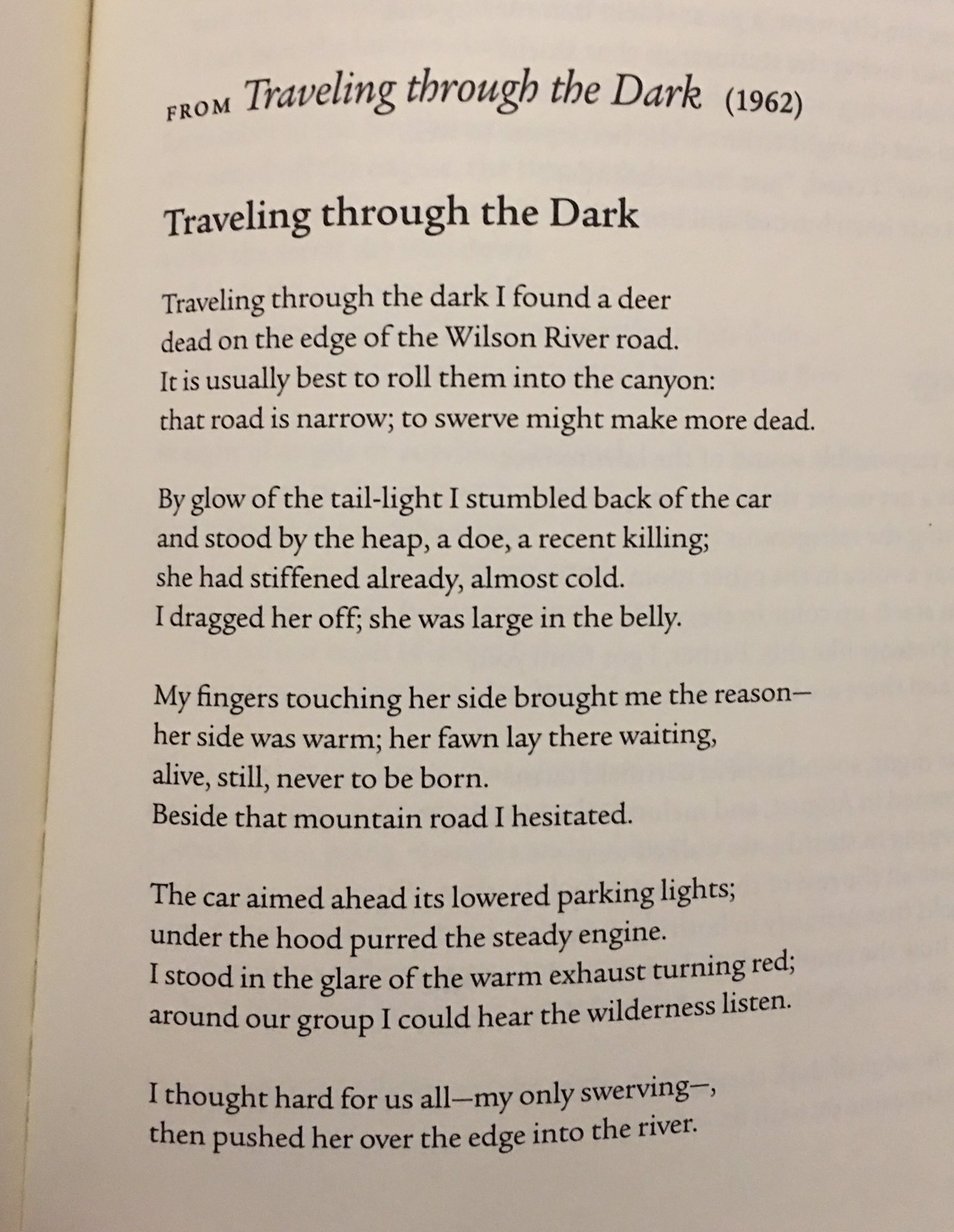
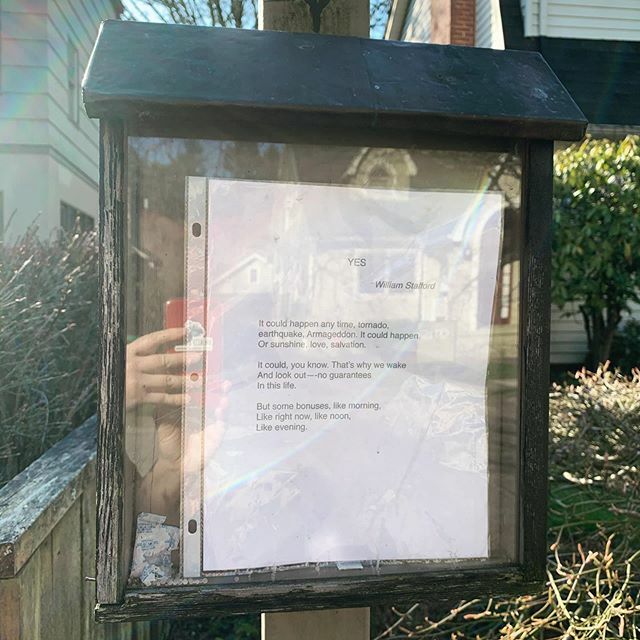
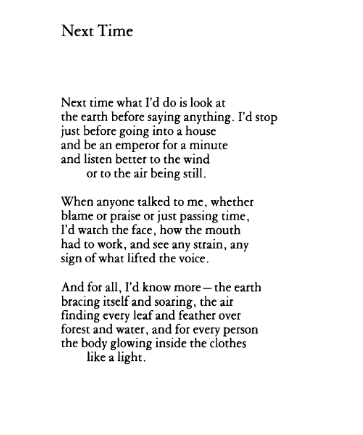
Listening to William Stafford this morning. 

https://youtube.com/watch?v=7SA8eFWof8U


I collected poems by William Stafford by searching postings on twitter. I have found this to be a good way to find poems that people love. In this case I was trying to find which poems of William Stafford are most loved. I am posting the poems I found below. Of the ones I found on twitter, I really liked Freedom and The Way It Is. 

 Freedom is one where his voice comes alive. It’s about waking up in the morning at 4:30am and setting aside 3-3:30 hours for writing. Apparently he started this discipline in 1942 and continued the practice throughout his life. Other people would think this kind of dedication and commitment was something he forced himself to do. But for him this kind of a schedule came with intuitive ease. It was his “freedom.”  This reminds me of guru Gobind Singh’s Sanyasa in which is emphasizes “nem” or “niyam”, a regular spiritual practice. Sanyaas also implies some kind of freedom from the world. And the Guru says it’s the freedom of the mind that is important. 


First the poem, and them some of my thoughts. 


In the Library
Charles Simic

There’s a book called
A Dictionary of Angels.
No one had opened it in fifty years,
I know, because when I did,
The covers creaked, the pages
Crumbled. There I discovered

The angels were once as plentiful
As species of flies.
The sky at dusk
Used to be thick with them.
You had to wave both arms
Just to keep them away.

Now the sun is shining
Through the tall windows.
The library is a quiet place.
Angels and gods huddled
In dark unopened books.
The great secret lies
On some shelf Miss Jones
Passes every day on her rounds.

She’s very tall, so she keeps
Her head tipped as if listening.
The books are whispering.
I hear nothing, but she does.

Ruminating about In the Library 


Angels. While they used to ubiquitous, just like flies are now. And nowadays angels and gods only live "huddled in dark unopened books." Dark, I guess because they are not opened. They hold the secrets. Not just any secret, great secrets.  Most people have to go out of their way, open these books, to discover these angels.  I wonder if words are the angels. Whoever they are, Miss Jones -- the librarian I assume -- can hear them. True lovers, the caretakers, the librarians, tall in stature with bent heads because of their humility, can hear the whispering angels. 

The books are whispering. Do you hear them? I guess you have to be making rounds, be tall, and keep your head tipped to hear them. I guess there is magic in books like there is in chanting.

Waheguru 30 minute Meditation - Shivpreet Singh

Analysis from the Carmellite Library


Once we have forgiven Charles Simic for his stereotyping of librarians we consider some of the better implications of his poem. We have all come across books that we gaze at with puzzled wonder. What kind of book is this? Who would have read this book? Why was it written? Who would take the time to write it? The very existence of the book in hand tells us that a whole range of real people worked carefully to prepare the text, set the type, produce the item, distribute and promote it. A librarian with sensitivities will occasionally have pangs of guilt or second thoughts about culling such books. Their rarity stops us in our tracks, the purpose of their very existence is not to be denied. “A Dictionary of Angels” would stay where it was parked because angelology is a genuine if under-attended subject of theology. Books on angels have a permanent shelf life in this Library. To have records of named angels is essential in getting to know the minds of other generations, whatever our own definition of an angel. Scripture and Talmud would be missing something were angels to be deleted. Students of angels would probably take exception to the second verse of the poem, where Simic wishes to relegate angels to the past: this is not something that makes sense if they are part of the heavenly realm. He also indulges in comic or far-fetched descriptions of angels that bear really no resemblance to their appearances in Scripture and elsewhere in Judaic, Christian and Muslim tradition.  More riskily, in fact it’s heretical methinks, the poet seems to imply that angels only exist today in books. The rabbis would have had something to say about this strange idea, not to mention the shepherds watching over their flocks by night. As it is, we should leave encounters with angels to those who have something to say. The poem’s purpose, however, is not to deny angels, rather to get us to listen to the ‘whispering’ in the books, and even if we cannot hear anything, to pay attention to those who can hear the ‘whispering’. The materiality of the book itself may fall apart yet there are presences everywhere. Their own existence in time is telling us of other existences and other experiences than our own. We must cull with a discerning eye, but also with extra senses of the kind possessed by Miss Jones.   

On Charles Simic


Charles was born on 1938 in Belgrade Yugolasvia but migrated to the United States when he was around fifteen years old and earned his Bachelor’s degree from New York University. He has published 60 books of poems and won a number of awards such as the Pulitzer Prize in 1990, the International Griffin Poetry Prize for Selected Poems in 2005 and the Wallace Stevens Award from the Academy of American Poets in 2008 (source here). He was also appointed the fifteenth Poet Laureate Consultant in Poetry in 2007, an award which he cherished greatly because according to Simic: “I am especially touched and honored to be selected because I am an immigrant boy who didn’t speak English until I was 15” (source here). I thought that was quite inspiring. Here is the poem that caught me, and I hope it will do the same to you. I am glad that our new theme has introduced me to this wonderful poet.

Ah kindness and its limitations! Reading Jane Hirshfield's "Today, When I could do nothing" once again. I am posting the poem and then some of my thoughts on it below. 


Today, When I Could Do Nothing

Today, when I could do nothing,
I saved an ant.

It must have come in with the morning paper,
still being delivered
to those who shelter in place.

A morning paper is still an essential service.

I am not an essential service.

I have coffee and books,
time,
a garden,
silence enough to fill cisterns.

It must have first walked
the morning paper, as if loosened ink
taking the shape of an ant.

Then across the laptop computer — warm —
then onto the back of a cushion.

Small black ant, alone,
crossing a navy cushion,
moving steadily because that is what it could do.

Set outside in the sun,
it could not have found again its nest.
What then did I save?

It did not move as if it was frightened,
even while walking my hand,
which moved it through swiftness and air.

Ant, alone, without companions,
whose ant-heart I could not fathom—
how is your life, I wanted to ask.

I lifted it, took it outside.

This first day when I could do nothing,
contribute nothing
beyond staying distant from my own kind,
I did this.

My Thoughts


In the song Phulko aakha ma says “let me never kill an ant by unknowingly walking on it.” I find it endearing that in their vast compassion Buddhists find saving ants important. But Jane Hirshfield questions if actively saving an ant is a useful act. 

We think we are saving ants. And that trivial pursuit may make us proud. But, actually are we in control? We had other important things to do; but because everything was shut down we needed to do something kind. So we save an ant that was crawling on the couch. We picked it up and dropped it outside.  However, we then realize, that we didn't really save the ant. The ant is as alone outside as it was  inside. He will not find his family again.  He will be alone and likely die alone.  What then did we save? Was this compassion useless?

“I know that heaven does not exist,” says Mirza Ghalib in his famous ghazal. “But it is a still great way to keep your heart happy.” When we think we are being kind, when we give ourselves the credit, is the compassion useful?  In any case, I think I'll leave saving ants to Jane, and I'll take a few cisterns of silence to fill my singing. 

The purpose of life is to sing!
Reading this poem by Mirza Ghalib after listening to Maskeen ji last night. Seems like it has not been sung by anyone.


Kafas Main Hoon, Gar Achha Bhi Na Jaane Mere Shevan Ko
Mera Hona Bura Kya Hai Navaa Sanjaan-e-Gulshan Ko

Straight Translation:
I'm caged; even if they don't consider my lamentation good
why is my existence bad for the song-weighers of the garden

See Kafas Main Hoon for reflection

https://www.rekhta.org/ghazals/qafas-men-huun-gar-achchhaa-bhii-na-jaanen-mere-shevan-ko-mirza-ghalib-ghazals?lang=hi


http://www.columbia.edu/itc/mealac/pritchett/00ghalib/120/index_120.html


क़फ़स में हूँ गर अच्छा भी न जानें मेरे शेवन को 
मिरा होना बुरा क्या है नवा-संजान-ए-गुलशन को 

नहीं गर हमदमी आसाँ न हो ये रश्क क्या कम है 
न दी होती ख़ुदाया आरज़ू-ए-दोस्त दुश्मन को 

न निकला आँख से तेरी इक आँसू उस जराहत पर 
किया सीने में जिस ने ख़ूँ-चकाँ मिज़्गान-ए-सोज़न को 

ख़ुदा शरमाए हाथों को कि रखते हैं कशाकश में 
कभी मेरे गरेबाँ को कभी जानाँ के दामन को 

अभी हम क़त्ल-गह का देखना आसाँ समझते हैं 
नहीं देखा शनावर जू-ए-ख़ूँ में तेरे तौसन को 

हुआ चर्चा जो मेरे पाँव की ज़ंजीर बनने का 
किया बेताब काँ में जुम्बिश-ए-जौहर ने आहन को 

ख़ुशी क्या खेत पर मेरे अगर सौ बार अब्र आवे 
समझता हूँ कि ढूँडे है अभी से बर्क़ ख़िर्मन को 

वफ़ा-दारी ब-शर्त-ए-उस्तुवारी अस्ल ईमाँ है 
मरे बुत-ख़ाने में तो का'बे में गाड़ो बरहमन को 

शहादत थी मिरी क़िस्मत में जो दी थी ये ख़ू मुझ को 
जहाँ तलवार को देखा झुका देता था गर्दन को 

न लुटता दिन को तो कब रात को यूँ बे-ख़बर सोता! 
रहा खटका न चोरी का दुआ देता हूँ रहज़न को 

सुख़न क्या कह नहीं सकते कि जूया हूँ जवाहिर के 
जिगर क्या हम नहीं रखते कि खोदें जा के मादन को 

मिरे शाह-ए-सुलैमाँ-जाह से निस्बत नहीं 'ग़ालिब' 
फ़रीदून ओ जम ओ के ख़ुसरव ओ दाराब ओ बहमन को 


It is night time. And I am reading Walt Whitman in bed before I sleep. And I am awakened by these lines. 
Camerado, this is no book,
Who touches this touches a man,
(Is it night? are we here together alone?)
It is I you hold and who holds you,
I spring from the pages into your arms— decease calls me forth.
I learn that these are lines that are the most famous of this poem about death. How beautifully the poet comes alive through his poetry.  A poem about death and goodbyes suddenly becomes a poem of immortality. Isn't that amazing? These are not merely words; these are walt whitman himself loving you back like you love him. I am reminded of Guru Nanak.  "These are not merely my words," says Nanak. "These are the words of my love."  I am reminded of Kabir. "These are not merely songs," he explains. "These are the loftiest principles that live forever." It seemed weird when he first said, "I announce what comes after me." Such confidence.  It makes a lot of sense when you get to these lines. 

So Long
- Walt Whitman


To conclude, I announce what comes after me.  
   
I remember I said before my leaves sprang at all,   
I would raise my voice jocund and strong with reference to consummations.   
   
When America does what was promis’d,  
When through These States walk a hundred millions of superb persons,   
When the rest part away for superb persons and contribute to them,   
When breeds of the most perfect mothers denote America,   
Then to me and mine our due fruition.
   
I have press’d through in my own right,   
I have sung the body and the soul, war and peace have I sung, and the songs of life and death, 
And the songs of birth, and shown that there are many births. 

I have offer’d my style to everyone, I have journey’d with confident step;   
While my pleasure is yet at the full I whisper So long! 
And take the young woman’s hand and the young man’s hand for the last time.   
     
I announce natural persons to arise,    
I announce justice triumphant,   
I announce uncompromising liberty and equality,    
I announce the justification of candor and the justification of pride.
   
I announce that the identity of These States is a single identity only,   
I announce the Union more and more compact, indissoluble,   
I announce splendors and majesties to make all the previous politics of the earth insignificant.   
   
I announce adhesiveness, I say it shall be limitless, unloosen’d,   
I say you shall yet find the friend you were looking for.
   
I announce a man or woman coming, perhaps you are the one, (So long!)   
I announce the great individual, fluid as Nature, chaste, affectionate, compassionate, fully arm'd.   
   
I announce a life that shall be copious, vehement, spiritual, bold,    
I announce an end that shall lightly and joyfully meet its translation. 
   
I announce myriads of youths, beautiful, gigantic, sweet-blooded, 
I announce a race of splendid and savage old men.   
   
O thicker and faster—(So long!)   
O crowding too close upon me,    
I foresee too much, it means more than I thought,   
It appears to me I am dying.
   
Hasten throat and sound your last,   
Salute me—salute the days once more. Peal the old cry once more.   
   
Screaming electric, the atmosphere using,   
At random glancing, each as I notice absorbing,   
Swiftly on, but a little while alighting,
Curious envelop’d messages delivering,   
Sparkles hot, seed ethereal down in the dirt dropping,   
Myself unknowing, my commission obeying, to question it never daring,   
To ages and ages yet the growth of the seed leaving,   
To troops out of the war arising, they the tasks I have set promulging,  
To women certain whispers of myself bequeathing, their affection me more clearly explaining,  
To young men my problems offering—no dallier I—I the muscle of their brains trying,   
So I pass, a little time vocal, visible, contrary,    
Afterward a melodious echo, passionately bent for, (death making me really undying,)   
The best of me then when no longer visible, for toward that I have been incessantly preparing.
   
What is there more, that I lag and pause, and crouch extended with unshut mouth?   
Is there a single final farewell?   
   
My songs cease, I abandon them,    
From behind the screen where I hid I advance personally solely to you.   
   
Camerado, this is no book, 
Who touches this touches a man,   
(Is it night? are we here together alone?)   
It is I you hold and who holds you,   
I spring from the pages into your arms—decease calls me forth.   
   
O how your fingers drowse me, 
Your breath falls around me like dew, your pulse lulls the tympans of my ears,    
I feel immerged from head to foot;   
Delicious, enough.   
   
Enough O deed impromptu and secret,  
Enough O gliding present—enough, O summ’d-up past. 
   
Dear friend whoever you are take this kiss,   
I give it especially to you, do not forget me,    
I feel like one who has done work for the day to retire awhile,   
I receive now again of my many translations, from my avataras ascending, while others doubtless await me,    
An unknown sphere more real than I dream’d, more direct, darts awakening rays about me, So long!
Remember my words, I may again return,   
I love you, I depart from materials,    
I am as one disembodied, triumphant, dead. 
I'm reading this poem by Victor Hugo today and it reminds me of Guru Nanak's words So Dar Keha So Ghar Keha.

When there is no distraction and I am alone under the night sky and at the shore listening. Without the world's distraction, I can really hear; when the clouds are not hiding the stars, and sails are not dotting the sea, I start hearing louder,  I start seeing deeper. The forests, mountains and nature are asking an important question to the waves of the sea and the fires of the sky; and the waves of the sea and the fires of the skies respond, "It is the Lord, the Lord our God."  The creator, the doer.

When there is no distraction and you can really hear, when the clouds are not hiding the stars, and sails are not dotting the sea, I start hearing louder,  I start seeing deeper. The creator, the doer.


Rapture

And then I heard a loud voice.
- Revelations

Alone with all the stars above and ocean under me,
Not a cloud in heaven, not a sail on the sea,
I started seeing deeper than the real world rushing by.
And the forests, the mountains, nature, everything,
Seemed to speak and question, in confused murmuring,
    The waves of the sea, the fires in the sky.

And the infinite legions of stars that one sees,
In a loud voice, a deep voice, a thousand harmonies,
Were singing, and their fiery coronas seemed to nod;
And the breakers, which can never be chained and never rest,
Were singing, curling back the foaming on their crest:
   ‘It is the Lord, the Lord our God!’

Victor Hugo. Selected Poetry


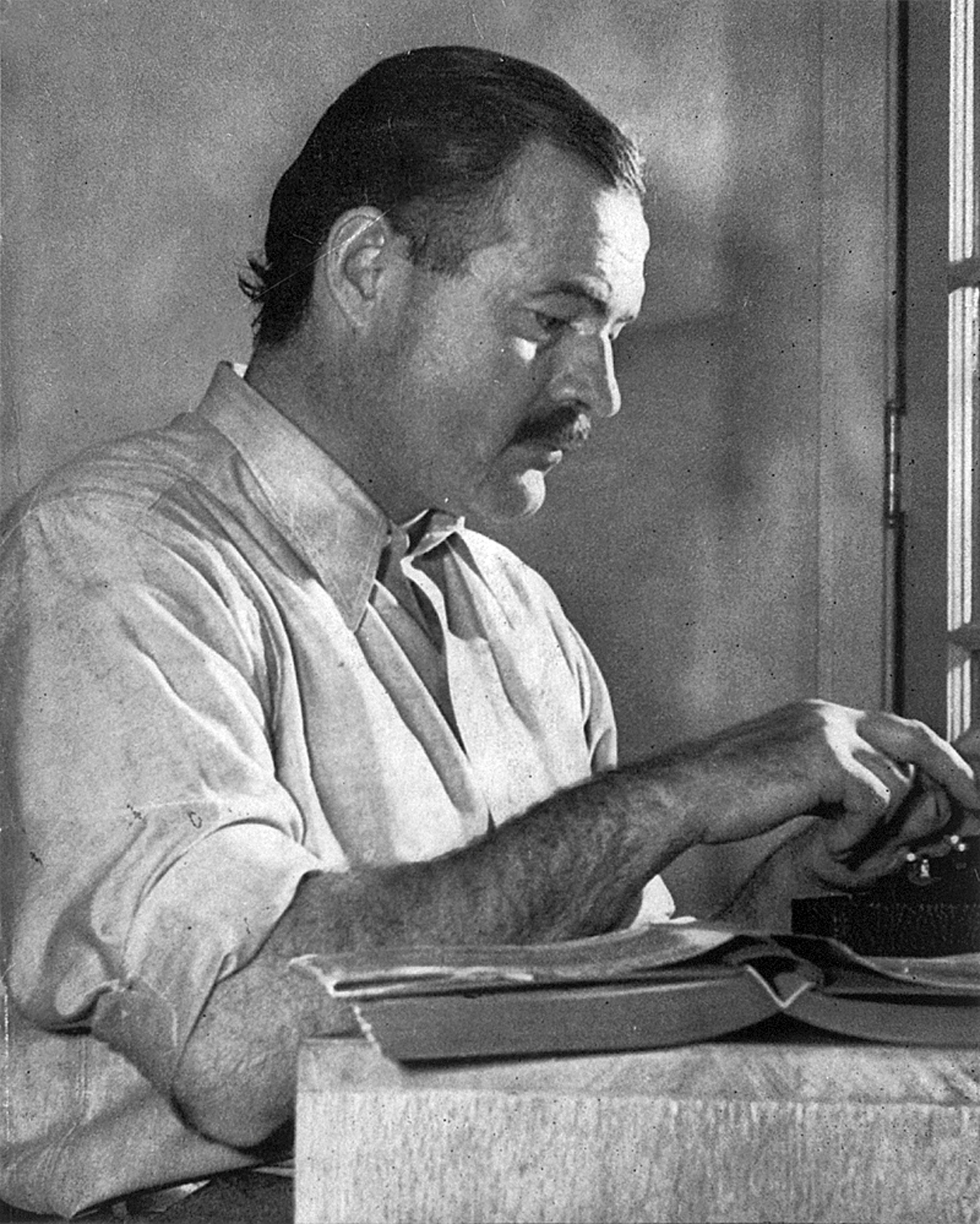
Hemingway was an American writer and journalist who was well traveled, lived during the first world war, the Spanish Civil War, the second world war, and wrote much about his own experiences, even in his fictional writing.  I am recommending the following two pieces for reading:

The first one is an article in the New York Times, Getting to Zero in which the author David Brooks writes about visiting Hemingway's residence in Havana, Cuba. David Brooks writes a kind of a critique on Hemingway and his writing, and also gives advice for artists and writers in his essay.

Questions for this reading:
In what way was Hemingway not healthy?
Was he able to write well even though he might not have been healthy? Why or why not?
According to David Brooks in what 3 ways Hemingway was able to achieve greatness in his writing? (Paras 10-12)
What does David Brooks mean by "Getting to Zero"? (Answers in para 9 and 13)

The second interesting reading is a very short story by Hemingway called "The Old Man at the Bridge" -- this can be something younger kids can also read.  There is also a list of questions following the short story.

For folks who want to read more here is a list.  For Whom the Bell Tolls is one of his most liked novels (top on the Amazon sales charts).  The Old Man and the Sea and The Sun Also Rises are two other good novels. All of these have movie renditions, and I believe the rendition for For Whom the Bell Tolls is actually pretty good.

Links To the Readings:
http://www.nytimes.com/2016/04/26/opinion/getting-to-zero.html
https://en.wikipedia.org/wiki/Ernest_Hemingway
http://www.publishersweekly.com/pw/by-topic/industry-news/tip-sheet/article/62748-best-hemingway-books.html
http://shivsangels.blogspot.com/2016/04/no-man-is-island-for-whom-bell-tolls.html
http://rauschreading09.pbworks.com/f/The+Old+Man+at+the+Bridge+packet.pdf
https://www.marxists.org/history/usa/parties/cpusa/1939/08/0814-openletter.pdf
http://www.editoreric.com/greatlit/authors/Hemingway.html
http://www.amazon.com/s/ref=nb_sb_noss_1?url=search-alias%3Daps&field-keywords=hemingway


I generally spend time with the kids on Fridays in the library where we try to pick up 2-3 books each to read over the next 2-3 weeks.  One of the books I picked up this week was "Letter to a Christian Nation" by Sam Harris.  It is clear on preliminary research on Sam Harris that he is a staunch athiest who has a decent webpage (http://www.samharris.org/) and a twitter presence (https://twitter.com/intent/user?screen_name=SamHarrisOrg). 

Apparently, Sam wrote his first book "The End of Faith" and received a lot of letters from Christians opposing him for believing in God.  In this book he has tried to reason with these people in form of a letter.  The book is small -- its less than 100 pages, a 3 by 5 (photo size) hardback.  He refutes a lot of fundamental Christian beliefs.

I don't disagree with many of the things he says: he does not believe in a person-like God, a place called heaven, and the questionable divinity of all prophets.  In the note to the reader he reminds how dangerous a belief in God is:

Forty-four percent of the American population is convinced that Jesus will return to judge the living and the dead sometime in the next fifty years. According to the most common interpretation of biblical prophecy, Jesus will return only after things have gone horribly awry here on earth. It is, therefore, not an exaggeration to say that if the city of New York were suddenly replaced by a ball of fire, some significant percentage of the American population would see a silver lining in the subsequent mushroom cloud, as it would suggest to them that the best thing that is ever going to happen was about to happen—the return of Christ. It should be blindingly obvious that beliefs of this sort will do little to help us create a durable future for ourselves—socially, economically, environmentally, or geopolitically. Imagine the consequences if any significant component of the U.S. government actually believed that the world was about to end and that its ending would be glorious. The fact that nearly half of the American population apparently believes this, purely on the basis of religious dogma, should be considered a moral and intellectual emergency.The book you are about to read is my response to this emergency...

There are many videos on his website, and I was most interested in his opinion about God as energy or God as consciousness (Deepak Chopra's version of God), and found the following interesting video.  


I found that while he makes some good points, he has made the debate of the presence of God the focal point of his life and career.  The question I am trying to answer is whether that is the way he sings?  I will be reading more and sharing my views on this page.
Older Posts Home

SHIVPREET SINGH

Singing oneness!
- Shivpreet Singh

Related Posts

Popular - 30 days

  • Vande Mataram - Lyrics and Translation
    I love the Vande Maataram composition in Raag Des sung by Lata Mangeshkar.  Vande Mataram is the national song of India. In 2003, BBC World ...
  • Sanson Ki Mala Pe - Lyrics, Translation and Background
    Sanson ki Maala was made famous by Nusrat Fateh Ali Khan sahib.  Although some have attributed this song to Mirabai and Khusro, this is a gh...
  • Kabir's Gao Gao Ri Dulhani - Lyrics and meanings
    One of my favorite Kabir's poem I call "Dulhani." In this beautiful poem, Kabir envisions himself as the bride and the univers...
  • The Many Types of Raag Malhar
    Pour love in your heart, like the rain pours on the land today. As I am working on a Meerabai song I am doing research on the different vari...
  • Loving in the night - a poem by Rabi'a
    [O my Lord] by rabi'A Translated by Jane hirshfield O my Lord, the stars glitter and the eyes of men are closed. Kings have locked their...
  • Love and the Mool Mantra
    Guru Nanak's teachings are undoubtedly about love. So are Guru Arjan's teachings. The Mool Mantra is given the highest importance i...
  • Jindari Lutti by Ghulam Farid - Lyrics/Translation and Performance by Bade Ghulam Ali Khan (Also Rohi or Dilri Lutti)
    Bade Ghulam Ali Khan's version of this Multani Kafi This is a beautiful spiritual song of separation written by Ghulam Farid.  I recentl...
  • Ve Mahiya Tere Vekhan Nu - Tufail Niazi and Wadali Brothers
    I have recently heard this Bulleh Shah song and it has really touched my heart. Several people have sung it, but I love the original composi...
  • Beethal Bhaila - Namdev Asa - Wherever I go, the playful Beethal is there
    I’ve been working on a musical composition for a beautiful shabad by Bhagat Naamdev, and it’s been making me think deeply about its message....
  • Gulon Mein Rang Bhare - Lyrics and Translation of Mehdi Hassan Ghazal
    I was listening and meditating upon this beautiful ghazal by Faiz Ahmed Faiz, beautifully composed by Mehdi Hassan. It is one of my favorite...

Blog Archive

  • ▼  2026 (12)
    • ▼  June (1)
      • Translation of Laavan - Shivpreet Singh
    • ►  May (1)
    • ►  April (1)
    • ►  March (6)
    • ►  February (1)
    • ►  January (2)
  • ►  2025 (24)
    • ►  October (5)
    • ►  September (7)
    • ►  August (2)
    • ►  July (2)
    • ►  June (3)
    • ►  March (1)
    • ►  February (2)
    • ►  January (2)
  • ►  2024 (21)
    • ►  December (1)
    • ►  November (2)
    • ►  October (3)
    • ►  September (2)
    • ►  August (4)
    • ►  July (2)
    • ►  June (3)
    • ►  May (1)
    • ►  April (1)
    • ►  February (1)
    • ►  January (1)
  • ►  2023 (41)
    • ►  December (4)
    • ►  November (3)
    • ►  October (4)
    • ►  September (7)
    • ►  August (5)
    • ►  July (7)
    • ►  June (3)
    • ►  May (3)
    • ►  April (1)
    • ►  March (1)
    • ►  February (3)
  • ►  2022 (8)
    • ►  March (2)
    • ►  January (6)
  • ►  2021 (139)
    • ►  December (15)
    • ►  November (2)
    • ►  October (6)
    • ►  September (7)
    • ►  August (2)
    • ►  July (4)
    • ►  May (21)
    • ►  April (21)
    • ►  March (35)
    • ►  February (23)
    • ►  January (3)
  • ►  2020 (150)
    • ►  December (2)
    • ►  November (13)
    • ►  October (32)
    • ►  September (47)
    • ►  August (37)
    • ►  July (5)
    • ►  June (3)
    • ►  May (3)
    • ►  April (3)
    • ►  March (2)
    • ►  February (1)
    • ►  January (2)
  • ►  2019 (43)
    • ►  December (5)
    • ►  November (8)
    • ►  October (13)
    • ►  September (4)
    • ►  July (3)
    • ►  June (1)
    • ►  May (2)
    • ►  March (1)
    • ►  February (1)
    • ►  January (5)
  • ►  2018 (53)
    • ►  December (8)
    • ►  November (5)
    • ►  October (3)
    • ►  September (4)
    • ►  August (6)
    • ►  July (3)
    • ►  June (4)
    • ►  May (6)
    • ►  April (5)
    • ►  March (2)
    • ►  February (4)
    • ►  January (3)
  • ►  2017 (73)
    • ►  December (2)
    • ►  November (12)
    • ►  October (8)
    • ►  September (1)
    • ►  August (7)
    • ►  July (6)
    • ►  June (12)
    • ►  May (5)
    • ►  April (4)
    • ►  March (8)
    • ►  February (3)
    • ►  January (5)
  • ►  2016 (141)
    • ►  December (1)
    • ►  November (9)
    • ►  October (16)
    • ►  September (19)
    • ►  August (2)
    • ►  July (5)
    • ►  June (7)
    • ►  May (3)
    • ►  April (18)
    • ►  March (34)
    • ►  February (16)
    • ►  January (11)
  • ►  2015 (28)
    • ►  December (1)
    • ►  November (1)
    • ►  October (2)
    • ►  September (12)
    • ►  August (1)
    • ►  May (1)
    • ►  April (7)
    • ►  March (1)
    • ►  February (1)
    • ►  January (1)
  • ►  2014 (107)
    • ►  December (1)
    • ►  November (6)
    • ►  October (1)
    • ►  August (2)
    • ►  July (1)
    • ►  June (11)
    • ►  April (10)
    • ►  March (15)
    • ►  February (24)
    • ►  January (36)
  • ►  2013 (242)
    • ►  December (13)
    • ►  October (5)
    • ►  September (3)
    • ►  August (3)
    • ►  June (7)
    • ►  May (62)
    • ►  April (79)
    • ►  March (12)
    • ►  February (23)
    • ►  January (35)
  • ►  2012 (145)
    • ►  December (29)
    • ►  November (31)
    • ►  October (44)
    • ►  September (5)
    • ►  August (9)
    • ►  July (7)
    • ►  June (1)
    • ►  May (3)
    • ►  April (1)
    • ►  March (4)
    • ►  February (9)
    • ►  January (2)
  • ►  2011 (252)
    • ►  December (1)
    • ►  November (1)
    • ►  October (4)
    • ►  September (13)
    • ►  August (28)
    • ►  July (44)
    • ►  June (33)
    • ►  May (15)
    • ►  April (2)
    • ►  March (45)
    • ►  February (43)
    • ►  January (23)
  • ►  2010 (70)
    • ►  December (31)
    • ►  November (20)
    • ►  October (2)
    • ►  September (3)
    • ►  August (1)
    • ►  July (2)
    • ►  May (5)
    • ►  March (4)
    • ►  February (1)
    • ►  January (1)
  • ►  2009 (15)
    • ►  December (1)
    • ►  November (3)
    • ►  October (2)
    • ►  September (2)
    • ►  August (1)
    • ►  June (1)
    • ►  April (1)
    • ►  March (1)
    • ►  February (1)
    • ►  January (2)
  • ►  2008 (15)
    • ►  November (1)
    • ►  July (2)
    • ►  June (5)
    • ►  May (1)
    • ►  April (2)
    • ►  March (1)
    • ►  February (1)
    • ►  January (2)
  • ►  2007 (9)
    • ►  November (4)
    • ►  October (2)
    • ►  September (1)
    • ►  August (2)
  • ►  1999 (1)
    • ►  May (1)

Message

Name

Email *

Message *

Twitter

Tweets by @shivpreetsingh


Copyright © Shivpreet Singh. Designed by OddThemes