Shivpreet Singh
Shivpreet Singh
  • Home
  • Music
    • Spotify
    • Apple Music
    • Amazon
    • Pandora
    • SoundCloud
    • Google
    • You Tube
      • Music on YouTube
      • Uplifting Shabads
      • Guru Nanak Shabads
      • Meditation & Chanting
      • Shabads for Kids
      • Shabads of Guru Arjan
      • Shabads of Guru Gobind Singh
  • Videos
    • Latest
    • Popular
    • Uplifting
    • Guru Nanak
    • Meditation
    • For Kids
    • Guru Arjan
    • Guru Gobind Singh
  • Projects
    • DhunAnand Foundation
    • Pandemic 2020
    • Guru Nanak 550
    • Namdev 750
    • Thoughts and Ruminations
    • What I Love to Read
  • News
  • Meet Me
    • Meet Me
    • Request
    • Send Email
    • Newsletter
    • FAQs
  • About
    • Biography
    • Photos
    • Music
    • FAQs
In the following succinct couplet, Kabir ponders about how illogical world’s thinking is:
Rangi ko narangi kahe, bane doodh ko khoya
Chalti ko gaari kahe, yeh dekh Kabira roya.

They call an orange, non-colorful (na-rangi),
they call a delicious milk cake lost (khoya)
they call a moving object stuck (gaari)
Seeing this (hypocrisy of the world) Kabir cries

I am reminded of a shabad I sing:

The world calls me crazy, 
but love, I am yours. 
- Kabir 

Kabir in the World of Fake News

The beauty of Kabir's poetry is that it is timeless. We live in a world of "fake news. The term "fake news" refers to misinformation or deliberately false information that is spread through traditional and digital media channels. In the current times, it is a major issue that has gained significant attention and concern. The ease of access to digital technology and the internet has resulted in an increase in the spread of fake news, making it easier for individuals and organizations to spread false information. This has created a challenge for individuals to differentiate between real and fake news, and has resulted in the erosion of trust in traditional media sources. The impact of fake news can be significant, affecting people's opinions, beliefs, and decisions. Additionally, fake news has the potential to incite violence, create panic, or spread conspiracy theories. Hence, it is important for individuals to be vigilant and critical of the information they consume and to verify the authenticity of the news before accepting it as truth.

The World Does Not Recognize Truth

The idea that the world does not recognize the truth refers to the concept that people are often blind to what is actually true, despite evidence being presented to them. This can be due to a variety of reasons such as, personal beliefs, biases, lack of information, or even a deliberate decision to ignore the truth. In some cases, the truth may be distorted or suppressed in order to serve the interests of a particular group or individual. This phenomenon can lead to widespread misunderstanding, division and conflict. In order to promote a more equitable and just society, it is important to encourage critical thinking and to seek out the truth, even if it challenges one's own beliefs and opinions.

Guru Nanak on the Hypocrisy of the World

Guru Nanak catches the hypocrisy of the world in this very similar poem in Raag Gauri.

ਗਉੜੀ ਮਹਲਾ ੧ ॥
गउड़ी महला १ ॥
Gaoṛī mėhlā 1.
Gauree, First Mehl:

ਗੁਰ ਪਰਸਾਦੀ ਬੂਝਿ ਲੇ ਤਉ ਹੋਇ ਨਿਬੇਰਾ ॥
गुर परसादी बूझि ले तउ होइ निबेरा ॥
Gur parsādī būjẖ le ṯao hoe niberā.
By Guru's Grace, one comes to understand, and then, the account is settled.

ਘਰਿ ਘਰਿ ਨਾਮੁ ਨਿਰੰਜਨਾ ਸੋ ਠਾਕੁਰੁ ਮੇਰਾ ॥੧॥
घरि घरि नामु निरंजना सो ठाकुरु मेरा ॥१॥
Gẖar gẖar nām niranjanā so ṯẖākur merā. ||1||
In each and every heart is the Name of the Immaculate Lord; He is my Lord and Master. ||1||

ਬਿਨੁ ਗੁਰ ਸਬਦ ਨ ਛੂਟੀਐ ਦੇਖਹੁ ਵੀਚਾਰਾ ॥
बिनु गुर सबद न छूटीऐ देखहु वीचारा ॥
Bin gur sabaḏ na cẖẖūtīai ḏekẖhu vīcẖārā.
Without the Word of the Guru's Shabad, no one is emancipated. See this, and reflect upon it.

ਜੇ ਲਖ ਕਰਮ ਕਮਾਵਹੀ ਬਿਨੁ ਗੁਰ ਅੰਧਿਆਰਾ ॥੧॥ ਰਹਾਉ ॥
जे लख करम कमावही बिनु गुर अंधिआरा ॥१॥ रहाउ ॥
Je lakẖ karam kamāvahī bin gur anḏẖiārā. ||1|| rahāo.
Even though you may perform hundreds of thousands of rituals, without the Guru, there is only darkness. ||1||Pause||

ਅੰਧੇ ਅਕਲੀ ਬਾਹਰੇ ਕਿਆ ਤਿਨ ਸਿਉ ਕਹੀਐ ॥
अंधे अकली बाहरे किआ तिन सिउ कहीऐ ॥
Anḏẖe aklī bāhre kiā ṯin sio kahīai.
What can you say, to one who is blind and without wisdom?

ਬਿਨੁ ਗੁਰ ਪੰਥੁ ਨ ਸੂਝਈ ਕਿਤੁ ਬਿਧਿ ਨਿਰਬਹੀਐ ॥੨॥
बिनु गुर पंथु न सूझई कितु बिधि निरबहीऐ ॥२॥
Bin gur panth na sūjẖī kiṯ biḏẖ nirabahīai. ||2||
Without the Guru, the Path cannot be seen. How can anyone proceed? ||2||

ਖੋਟੇ ਕਉ ਖਰਾ ਕਹੈ ਖਰੇ ਸਾਰ ਨ ਜਾਣੈ ॥
खोटे कउ खरा कहै खरे सार न जाणै ॥
Kẖote kao kẖarā kahai kẖare sār na jāṇai.
He calls the counterfeit genuine, and does not know the value of the genuine.

ਅੰਧੇ ਕਾ ਨਾਉ ਪਾਰਖੂ ਕਲੀ ਕਾਲ ਵਿਡਾਣੈ ॥੩॥
अंधे का नाउ पारखू कली काल विडाणै ॥३॥
Anḏẖe kā nāo pārkẖū kalī kāl vidāṇai. ||3||
The blind man is known as an appraiser; this Dark Age of Kali Yuga is so strange! ||3||

ਸੂਤੇ ਕਉ ਜਾਗਤੁ ਕਹੈ ਜਾਗਤ ਕਉ ਸੂਤਾ ॥
सूते कउ जागतु कहै जागत कउ सूता ॥
Sūṯe kao jāgaṯ kahai jāgaṯ kao sūṯā.
The sleeper is said to be awake, and those who are awake are like sleepers.

ਜੀਵਤ ਕਉ ਮੂਆ ਕਹੈ ਮੂਏ ਨਹੀ ਰੋਤਾ ॥੪॥
जीवत कउ मूआ कहै मूए नही रोता ॥४॥
Jīvaṯ kao mūā kahai mūe nahī roṯā. ||4||
The living are said to be dead, and no one mourns for those who have died. ||4||

ਆਵਤ ਕਉ ਜਾਤਾ ਕਹੈ ਜਾਤੇ ਕਉ ਆਇਆ ॥
आवत कउ जाता कहै जाते कउ आइआ ॥
Āvaṯ kao jāṯā kahai jāṯe kao āiā.
One who is coming is said to be going, and one who is gone is said to have come.

ਪਰ ਕੀ ਕਉ ਅਪੁਨੀ ਕਹੈ ਅਪੁਨੋ ਨਹੀ ਭਾਇਆ ॥੫॥
पर की कउ अपुनी कहै अपुनो नही भाइआ ॥५॥
Par kī kao apunī kahai apuno nahī bẖāiā. ||5||
That which belongs to others, he calls his own, but he has no liking for that which is his. ||5||

ਮੀਠੇ ਕਉ ਕਉੜਾ ਕਹੈ ਕੜੂਏ ਕਉ ਮੀਠਾ ॥
मीठे कउ कउड़ा कहै कड़ूए कउ मीठा ॥
Mīṯẖe kao kauṛā kahai kaṛūe kao mīṯẖā.
That which is sweet is said to be bitter, and the bitter is said to be sweet.

ਰਾਤੇ ਕੀ ਨਿੰਦਾ ਕਰਹਿ ਐਸਾ ਕਲਿ ਮਹਿ ਡੀਠਾ ॥੬॥
राते की निंदा करहि ऐसा कलि महि डीठा ॥६॥
Rāṯe kī ninḏā karahi aisā kal mėh dīṯẖā. ||6||
One who is imbued with the Lord's Love is slandered - his is what I have seen in this Dark Age of Kali Yuga. ||6||

ਚੇਰੀ ਕੀ ਸੇਵਾ ਕਰਹਿ ਠਾਕੁਰੁ ਨਹੀ ਦੀਸੈ ॥
चेरी की सेवा करहि ठाकुरु नही दीसै ॥
Cẖerī kī sevā karahi ṯẖākur nahī ḏīsai.
He serves the maid, and does not see his Lord and Master.

ਪੋਖਰੁ ਨੀਰੁ ਵਿਰੋਲੀਐ ਮਾਖਨੁ ਨਹੀ ਰੀਸੈ ॥੭॥
पोखरु नीरु विरोलीऐ माखनु नही रीसै ॥७॥
Pokẖar nīr virolīai mākẖan nahī rīsai. ||7||
Churning the water in the pond, no butter is produced. ||7||

ਇਸੁ ਪਦ ਜੋ ਅਰਥਾਇ ਲੇਇ ਸੋ ਗੁਰੂ ਹਮਾਰਾ ॥
इसु पद जो अरथाइ लेइ सो गुरू हमारा ॥
Is paḏ jo arthāe lee so gurū hamārā.
One who understands the meaning of this verse is my Guru.

ਨਾਨਕ ਚੀਨੈ ਆਪ ਕਉ ਸੋ ਅਪਰ ਅਪਾਰਾ ॥੮॥
नानक चीनै आप कउ सो अपर अपारा ॥८॥
Nānak cẖīnai āp kao so apar apārā. ||8||
O Nanak, one who knows his own self, is infinite and incomparable. ||8||

ਸਭੁ ਆਪੇ ਆਪਿ ਵਰਤਦਾ ਆਪੇ ਭਰਮਾਇਆ ॥
सभु आपे आपि वरतदा आपे भरमाइआ ॥
Sabẖ āpe āp varaṯḏā āpe bẖarmāiā.
He Himself is All-pervading; He Himself misleads the people.

ਗੁਰ ਕਿਰਪਾ ਤੇ ਬੂਝੀਐ ਸਭੁ ਬ੍ਰਹਮੁ ਸਮਾਇਆ ॥੯॥੨॥੧੮॥
गुर किरपा ते बूझीऐ सभु ब्रहमु समाइआ ॥९॥२॥१८॥
Gur kirpā ṯe būjẖīai sabẖ barahm samāiā. ||9||2||18||
By Guru's Grace, one comes to understand, that God is contained in all. ||9||2||18||

The Hypocrisy of Heaven


This poem reminds me of two other poems, one by Mirza Ghalib and another by Rumi who both questioned hypocrisies of their times:

Mirza Ghalib on the hypocrisy of "heaven":

Humko  Maloom  Hai   Jannat  Ki  Haqiqat   Lekin
Dil Ke Bahlaane Ko, 'Ghalib' Yeh Khayaal Achcha Hai

I know the truth about the existence of heaven 
It is a good distraction for the happiness of the hear

Go Back to Sleep by Rumi

Go back, go back to sleep. Yes, you are allowed. You who have no Love in your heart, you can go back to sleep. The power of Love is exclusive to us, you can go back to sleep. I have been burnt by the fire of Love. You who have no such yearning in your heart, go back to sleep. The path of Love, has seventy-two folds and countless facets. Your love and religion is all about deceit, control and hypocrisy, go back to sleep. I have torn to pieces my robe of speech, and have let go of the desire to converse. You who are not naked yet, you can go back to sleep.

In the Bookstore Called Humanity
- Shivpreet Singh

In this strange world,
they call the sleeping awake,
and the woken asleep.
- Guru Nanak

This makes me weep.
- Kabir

Sometimes I imagine spirituality
like wandering into an unfamiliar bookstore,
rows upon rows of titles promising truth,
each with a bright cover,
shouting answers or secrets in bold fonts.

You pick one up, flip through pages
filled with empty promises,
the metaphors barely believable—
like churning butter from clear water,
wishing desperately for cream.

And yet, amid this cacophony
of counterfeit wisdom,
one quiet book sits patiently on a lower shelf—
no flashy dust jacket, no sales pitch, just waiting,
filled with words that quietly illuminate
the dark corners.

You hold it gently, as if handling something alive,
as the ink whispers clarity through the noise,
naming itself softly:
Shabad Guru.
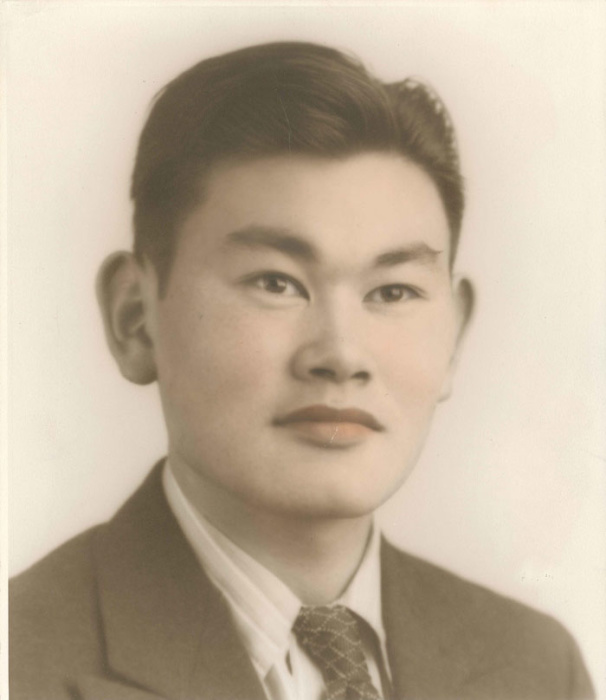
An inspirational story of a civil rights leader: 

THE ENDURING LEGACY OF FRED KOREMATSU 
JANUARY 27, 2016

Challenger of World War II exclusion and confinement, Fred Toyosaburo Korematsu (1919-2005) dedicated his life to the civil rights crusade that would eventually earn him a Presidential Medal of Freedom. He is best known for his fight against the mass removal of Japanese Americans that resulted in a landmark Supreme Court case. But until his death in 2005, he also advocated for the civil liberties of other marginalized groups, including prisoners detained at Guantanamo Bay after 9/11.

Fred Korematsu, c. 1940s.

Korematsu was born on January 30, 1919, to Japanese parents who ran a plant nursery in Oakland, California. He worked as a shipyard welder after graduating from high school until he lost his job after the Japanese attack on Pearl Harbor. He was 22 when the U.S. plunged into war. On May 9, 1942, his parents and three brothers reported to the Tanforan Assembly Center, but Korematsu stayed behind with his Italian-American girlfriend. By then, the army had issued a series of exclusion orders that prohibited Japanese Americans from being inside Military Area No. 1. In an attempt to disguise his racial identity, he changed his name and had minor plastic surgery on his eyes to appear European American. His refusal to comply with the evacuation order led to his arrest on May 30, 1942.

While in jail, he was visited by Ernest Besig, executive director of the American Civil Liberties Union of Northern California. Korematsu agreed to become the subject of a test case to challenge the constitutionality of President Roosevelt’s Executive Order 9066 along with fellow resisters Min Yasui and Gordon Hirabayashi. Although Besig paid Korematsu’s $5,000 bail, Korematsu was sent to Tanforan immediately after his release. After the federal district court in San Francisco found him guilty of violating military orders, his court case went to the U.S. Supreme Court in 1944. The high court upheld the lower court’s ruling in a 6-3 vote. (See Korematsu vs. U.S.)

In the 1980s, legal historian and author Peter Irons filed a petition to the 9th U.S. Circuit Court in San Francisco to have Korematsu’s conviction overturned on the grounds that the Supreme Court had made its decision based on false information. Korematsu spoke at the courtroom and said, “As long as my record stands in federal court, any American citizen can be held in prison or concentration camps without a trial or a hearing.” In November 1983, U.S. District Judge Marilyn Hall Patel vacated Korematsu’s conviction and argued that the Korematsu case serves as a “caution that in times of distress the shield of military necessity and national security must not be used to protect governmental actions from close scrutiny and accountability….”[1]

After the successful coram nobis petition, Korematsu continued to advocate for civil rights at countless colleges and law schools. In 1999, he received a Presidential Medal of Freedom, the nation’s highest civilian honoBANENDr. After 9/11, he filed an amicus—or “friend of the court”—brief with the Supreme Court for two cases on behalf of Muslim inmates being held at Guantanamo Bay. He filed another amicus brief in 2004, citing similarities between the wrongful imprisonment of Japanese Americans during World War II and Muslims following 9/11. He passed away of respiratory illness on March 30, 2005.

On January 30, 2011, California held its first Fred Korematsu Day, the first day in the U.S. to be named after an Asian American, commemorating his lifetime of service defending the constitutional rights of Americans.

Fred’s legacy continues to live on through the work of his daughter, Karen, and the Fred T. Korematsu Institute. Through educational programs and annual Fred Korematsu Day events, the Institute increases awareness of “one of the most blatant forms of racial profiling in U.S. history, the incarceration of Japanese Americans during World War II.” Karen Korematsu carries on her father’s legacy through continued engagement with contemporary civil rights issues. This year’s Korematsu Day celebration addresses the rise of anti-Muslim sentiment through the theme, Re(ad)dressing Racial Injustice: From Japanese American Incarceration to Anti-Muslim Bigotry. In the future, the Institute plans to lobby for a national commemorative holiday recognizing Fred Korematsu, who would be the first Asian American to have a national holiday, and to create a museum/library learning center.

In 2015, Lorraine K. Bannai, a member of the legal team that successfully challenged Fred Korematsu’s conviction, published Enduring Conviction: Fred Korematsu and His Quest for Justice. George Takei endorsed the book—and Fred—saying, “A remarkable story of a man who stood up and spoke out in the same tradition of others in this country who have spoken out against oppression and discrimination…Fred Korematsu was an ordinary man who did extraordinary deeds and with that he made history.”


Buddha on the importance of friendship:

On one occasion the Venerable Ananda, the Buddha’s attendant, came to the Buddha and said that in his view half the spiritual life revolves around spiritual friendship. The Buddha immediately corrected him and said, “Do not say this, Ananda! Do not say this, Ananda! Spiritual friendship is not half the spiritual life. It’s the entire spiritual life!” Then, with reference to himself, the Buddha added, “In this whole world, I am the supreme spiritual friend of living beings, because it is in dependence upon me, by relying upon me, that those who are subject to birth, old age, and death become liberated from birth, old age, and death.”


Guru Nanak on how to recognize a "holy person" (MacAuliffe's Chapter 11)

The Guru replied to a man called Kalu who had asked him for a definition of a holy man: 'Recognize him as holy in whom are to be found friend ship, sympathy, pleasure at the welfare of others, and dislike of evil company. In the first place, the intentions of holy men are pure. Secondly, they are pleased on hearing the praises of others. Thirdly, holy men serve the virtuous. Fourthly, they honour those who can impart to them learning and good counsel. Fifthly, as there is a periodical craving for food or intoxicants, so they feel a craving for the Guru's word and for divine knowledge. Sixthly, they love their wives, and renounce other women. Seventhly, they avoid subjects from which quarrels may arise. Eighthly, they serve those who are superior to themselves in intelligence or devotion. Ninthly, even if strong, they are not arrogant, and trample not on others. Tenthly, they abandon the society of the evil, and only associate with the holy.'


I'm researching "Sar-anjaam" which is used by Guru Arjan Dev in a poem, "Sar-anjaam Laag Bhavjal Taran Kai." While most translations say it means "getting ready," based on its classical usage the meaning is closer to end result/complete.  So the meaning of the line goes from "Get ready to cross the ocean of life" to "Complete Ocean Swim to" -- and so in addition with the first meaning, an alternative meaning of the line is "Complete yourself to swim the ocean of life."  And then "Saranjaam Laag" - "complete yourself" becomes a mantra by itself that can be meditated upon. This makes sense because it rhymes with several other phrases in the poem.  

Usage of Saranjaam by other poets


I found this persian word was used by all the poets of Bahadur Shah Zafar's time: 

Usage of Saranjaam by Ghalib:

Har zarra-e-khaak-am ze to raqsaan ba-hawaa'e ast
Deewanagi-e-shauq sar anjaam na-daarad.

[Meri khaak ka har zarra tere ishq men raqsaan (naachtaa) hai.
Deewanagi-e-shauq ka sar anjaam (end) nahin hota.]


Usage of Saranjaam by Insha (Insha Allah Khan from Lucknow):

nādāñ kahāñ tarab kā sar-anjām aur ishq
kuchh bhī tujhe shu.ūr hai ārām aur ishq


Usage of Saranjaam by Mir Taqi Mir
Jo yeh dil hai to kya sar anjaam hoga


I found this persian word was used by all the poets of Bahadur Shah Zafar's time: 

Usage of Saranjaam by Ghalib:

Har zarra-e-khaak-am ze to raqsaan ba-hawaa'e ast
Deewanagi-e-shauq sar anjaam na-daarad.

[Meri khaak ka har zarra tere ishq men raqsaan (naachtaa) hai.
Deewanagi-e-shauq ka sar anjaam (end) nahin hota.]


Usage of Saranjaam by Insha (Insha Allah Khan from Lucknow):

nādāñ kahāñ tarab kā sar-anjām aur ishq
kuchh bhī tujhe shu.ūr hai ārām aur ishq


Usage of Saranjaam by Mir Taqi Mir
Jo yeh dil hai to kya sar anjaam hoga


Also see Alternative meaning for "Saranjaam Laag Bhavjal Taran Kai"


Aap ko bhool jaye hum, itne to hum bewafa nahin,
Aap se kya gila kare, Aap se kuch gila nahin

That I forget you, I am not that disloyal
What should I say, I don't have a complaint

Sheesha e dil todna, unka to ek khel hai
hum se hi bhool ho gayi, unki koi khata nahin.

To break the glass of heart is their play
It must be my mistake, I don't blame you

Kaash woh apne gum mujhe de de to kuch sukoon mile
woh kitna bad naseeb hai gum bhi jise gila nahin

Give me your woes so I am at peace
Those people are so unfortunate who don't have sorrows

Jurm hai agar wafa to kya, kyun main bewafa ko chod do
Kehte hai is gunah ki, hoti koi saza nahin

If loyalty is a crime, why should I leave the unfaithful
They say that there is no punishment for this crime

Hum to samajh rahe the ye, tum mile pyaar mil gayaa
Ik tere dard ke sivaa, humko to kuchh mila nahin

I thought if I found you I must have found love
Except your pain, I didn't get anything
Just before I head over to India I wanted to share this beautiful composition with lovers of kirtan.  The love drenched words of Kabir, the favorite raag of Guru Nanak, a gorgeous composition by Dr. Gurnam Singh ji, and the sweetly sung vocals of Dr. Manpreet Singh make this very special to me. I had the fortune of doing the musical arrangement for this shabad. Enjoy Bhagat Kabir's Shabad Hau Vaari Mukh Pher Pyaare - (https://www.youtube.com/watch?v=19qTJv2DmhM)


I love you, turn your face, 
my dear!
Showing me your back 
why are you killing me?

I would rather be cut by a saw 
than have your back towards me
Embrace me, my love, 
please hear my humble request

You can tear my body apart
but you can't tear me apart from you
You can break my bones
but you cannot break our bond

There could be no one
between the two of us
(There could be) no groom like you
no bride like me

Says Kabir, listen people,
I no longer trust you


Man too shudam too man shudi,
Mun tan shudam too jaan shudi.
Taakas na goyad baad azeen, 
Man deegaram tu deegari.


I become you, you become me
Let body be me and soul you be
So no one can say hereafter
I'm different, you're different

For full ghazal, see Ay chehra-e zeba-e tu rashk-e butan-e azari
Newer Posts Older Posts Home

SHIVPREET SINGH

Singing oneness!
- Shivpreet Singh

Related Posts

Popular - 30 days

  • Vande Mataram - Lyrics and Translation
    I love the Vande Maataram composition in Raag Des sung by Lata Mangeshkar.  Vande Mataram is the national song of India. In 2003, BBC World ...
  • Kabir's Gao Gao Ri Dulhani - Lyrics and meanings
    One of my favorite Kabir's poem I call "Dulhani." In this beautiful poem, Kabir envisions himself as the bride and the univers...
  • The Many Types of Raag Malhar
    Pour love in your heart, like the rain pours on the land today. As I am working on a Meerabai song I am doing research on the different vari...
  • Ve Mahiya Tere Vekhan Nu - Tufail Niazi and Wadali Brothers
    I have recently heard this Bulleh Shah song and it has really touched my heart. Several people have sung it, but I love the original composi...
  • Jindari Lutti by Ghulam Farid - Lyrics/Translation and Performance by Bade Ghulam Ali Khan (Also Rohi or Dilri Lutti)
    Bade Ghulam Ali Khan's version of this Multani Kafi This is a beautiful spiritual song of separation written by Ghulam Farid.  I recentl...
  • Beethal Bhaila - Namdev Asa - Wherever I go, the playful Beethal is there
    I’ve been working on a musical composition for a beautiful shabad by Bhagat Naamdev, and it’s been making me think deeply about its message....
  • Krishna's Cosmic Flute - Reflecting upon Bulleh Shah's Kafi, Bansi Kaanh Acharj Bajai
    Krishna's Cosmic Flute Playing Bulleh Shah in a kafi says, "You are playing a surprising, wondrous, flute O Krishna." Bulleh S...
  • Gulon Mein Rang Bhare - Lyrics and Translation of Mehdi Hassan Ghazal
    I was listening and meditating upon this beautiful ghazal by Faiz Ahmed Faiz, beautifully composed by Mehdi Hassan. It is one of my favorite...
  • Celebrating International Women's Day with Jane Hirshfield and Mirabai
    Shivoham - Pt. Rajendra Prasanna Two of my favorite women poets, Jane Hirshfield and Mirabai. And singing about the flute. Ah the love!  Now...
  • Digging into the 'kaar' of Ek Onkaar
    Exploring the Essence of "Kaar" in Ekonkaar In Sikh philosophy, the term "Ekonkaar" holds profound significance, encapsu...

Blog Archive

  • ▼  2026 (12)
    • ▼  June (1)
      • Translation of Laavan - Shivpreet Singh
    • ►  May (1)
    • ►  April (1)
    • ►  March (6)
    • ►  February (1)
    • ►  January (2)
  • ►  2025 (24)
    • ►  October (5)
    • ►  September (7)
    • ►  August (2)
    • ►  July (2)
    • ►  June (3)
    • ►  March (1)
    • ►  February (2)
    • ►  January (2)
  • ►  2024 (21)
    • ►  December (1)
    • ►  November (2)
    • ►  October (3)
    • ►  September (2)
    • ►  August (4)
    • ►  July (2)
    • ►  June (3)
    • ►  May (1)
    • ►  April (1)
    • ►  February (1)
    • ►  January (1)
  • ►  2023 (41)
    • ►  December (4)
    • ►  November (3)
    • ►  October (4)
    • ►  September (7)
    • ►  August (5)
    • ►  July (7)
    • ►  June (3)
    • ►  May (3)
    • ►  April (1)
    • ►  March (1)
    • ►  February (3)
  • ►  2022 (8)
    • ►  March (2)
    • ►  January (6)
  • ►  2021 (139)
    • ►  December (15)
    • ►  November (2)
    • ►  October (6)
    • ►  September (7)
    • ►  August (2)
    • ►  July (4)
    • ►  May (21)
    • ►  April (21)
    • ►  March (35)
    • ►  February (23)
    • ►  January (3)
  • ►  2020 (150)
    • ►  December (2)
    • ►  November (13)
    • ►  October (32)
    • ►  September (47)
    • ►  August (37)
    • ►  July (5)
    • ►  June (3)
    • ►  May (3)
    • ►  April (3)
    • ►  March (2)
    • ►  February (1)
    • ►  January (2)
  • ►  2019 (43)
    • ►  December (5)
    • ►  November (8)
    • ►  October (13)
    • ►  September (4)
    • ►  July (3)
    • ►  June (1)
    • ►  May (2)
    • ►  March (1)
    • ►  February (1)
    • ►  January (5)
  • ►  2018 (53)
    • ►  December (8)
    • ►  November (5)
    • ►  October (3)
    • ►  September (4)
    • ►  August (6)
    • ►  July (3)
    • ►  June (4)
    • ►  May (6)
    • ►  April (5)
    • ►  March (2)
    • ►  February (4)
    • ►  January (3)
  • ►  2017 (73)
    • ►  December (2)
    • ►  November (12)
    • ►  October (8)
    • ►  September (1)
    • ►  August (7)
    • ►  July (6)
    • ►  June (12)
    • ►  May (5)
    • ►  April (4)
    • ►  March (8)
    • ►  February (3)
    • ►  January (5)
  • ►  2016 (141)
    • ►  December (1)
    • ►  November (9)
    • ►  October (16)
    • ►  September (19)
    • ►  August (2)
    • ►  July (5)
    • ►  June (7)
    • ►  May (3)
    • ►  April (18)
    • ►  March (34)
    • ►  February (16)
    • ►  January (11)
  • ►  2015 (28)
    • ►  December (1)
    • ►  November (1)
    • ►  October (2)
    • ►  September (12)
    • ►  August (1)
    • ►  May (1)
    • ►  April (7)
    • ►  March (1)
    • ►  February (1)
    • ►  January (1)
  • ►  2014 (107)
    • ►  December (1)
    • ►  November (6)
    • ►  October (1)
    • ►  August (2)
    • ►  July (1)
    • ►  June (11)
    • ►  April (10)
    • ►  March (15)
    • ►  February (24)
    • ►  January (36)
  • ►  2013 (242)
    • ►  December (13)
    • ►  October (5)
    • ►  September (3)
    • ►  August (3)
    • ►  June (7)
    • ►  May (62)
    • ►  April (79)
    • ►  March (12)
    • ►  February (23)
    • ►  January (35)
  • ►  2012 (145)
    • ►  December (29)
    • ►  November (31)
    • ►  October (44)
    • ►  September (5)
    • ►  August (9)
    • ►  July (7)
    • ►  June (1)
    • ►  May (3)
    • ►  April (1)
    • ►  March (4)
    • ►  February (9)
    • ►  January (2)
  • ►  2011 (252)
    • ►  December (1)
    • ►  November (1)
    • ►  October (4)
    • ►  September (13)
    • ►  August (28)
    • ►  July (44)
    • ►  June (33)
    • ►  May (15)
    • ►  April (2)
    • ►  March (45)
    • ►  February (43)
    • ►  January (23)
  • ►  2010 (70)
    • ►  December (31)
    • ►  November (20)
    • ►  October (2)
    • ►  September (3)
    • ►  August (1)
    • ►  July (2)
    • ►  May (5)
    • ►  March (4)
    • ►  February (1)
    • ►  January (1)
  • ►  2009 (15)
    • ►  December (1)
    • ►  November (3)
    • ►  October (2)
    • ►  September (2)
    • ►  August (1)
    • ►  June (1)
    • ►  April (1)
    • ►  March (1)
    • ►  February (1)
    • ►  January (2)
  • ►  2008 (15)
    • ►  November (1)
    • ►  July (2)
    • ►  June (5)
    • ►  May (1)
    • ►  April (2)
    • ►  March (1)
    • ►  February (1)
    • ►  January (2)
  • ►  2007 (9)
    • ►  November (4)
    • ►  October (2)
    • ►  September (1)
    • ►  August (2)
  • ►  1999 (1)
    • ►  May (1)

Message

Name

Email *

Message *

Twitter

Tweets by @shivpreetsingh


Copyright © Shivpreet Singh. Designed by OddThemes