This album is in celebration of the opening of the Kartarpur Corridor, a visa-free access for the lovers of Guru Nanak to go from India to the Pakistani town of Kartarpur, where Guru Nanak spent the last 18 years of his life. Much thanks to Janapriyan Levine who helped arrange a couple of the shabads in this album, and also to Jeremy Marais and Abhijit Chakraborty for playing the Saxophone and Bass respectively in one shabad each.
Notes in preparing for a talk in NY this weekend -
Listening to the songs of the wind. Or hearing oneness. If you would ask Gurbani's perspective on this it would be, be ecstatic by remembering the essence.
Remembrance of the essence is the most important thing. Thinking precedes speech and action. We think we can be well by doing good, but there is no guarantee. There are so many who have done good that are not preceded by being well. There are so many good things you may have done, and these things haven't led to.
Maanu ghalai, Uthi chalai
Saad Naahi, Ehevi galai
The tasteful life is not to come here and work hard.
Work hard. Share. Remember Naam.
I am ambivalent if this is a good starting point. But I am confident that this is not where we want to end up.
Kal Meh Raam Naam Saar
Naam is the source of illumination in dark times
Aakhan Aukha Saacha Nao -
If you want to say the true name, it is hard
It is difficult to do go good deeds
Because there are competing deeds
Because you may require courage.
From Sukhmani Sahib:
Of all religions, the best religion
Har ko naam jap nirmal karam.
is to chant the Name of the Lord and do good deeds.
... Complete Shabad
Businesses -
Ethics
Morality
Social Responsibility
Doing Well by Doing Good - Business
https://hbr.org/2012/06/a-brief-history-of-doing-well
An inspiring speech by a Sikh Graduate from the Haas School of Business
https://shivpreetsingh.blogspot.com/2017/06/in-business-of-doing-good.html
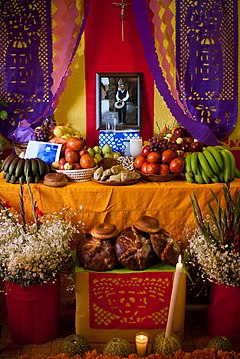
Today Mexicans are celebrating Día de Muertos ... the day of the dead. The multi-day holiday involves family and friends gathering to pray for and remember friends and family members who have died, and helping support their spiritual journey. In Mexican culture, as it is in many cultures, death is viewed as a natural part of the human cycle. Mexicans view it not as a day of sadness but as a day of celebration because their loved ones awake and celebrate with them.

I like the fact that we can devote one day for the departed souls so we can get on with life the rest of the year, versus celebrating different days for every person you know. In our family, we started doing a thanksgiving kirtan a few years ago in remembrance of our departed elders. Its amazing how the love for ancestors appears in different cultures.
I am also especially fascinated by the similarities between words in languages. Dia, day and divas/din in Spanish, English, Punjabi/Hindi/Sanskrit are similar. And meurtos and mrityu are again similar in Spanish and Punjabi/Hindi/Sanskrit. And of course, we have mortal in English potentially using the same root. To me it is obvious that some of the roots of these words come from an ancient language that was common between humans.
So many words are then made from these words. For example, in Punjabi/Hindi/Sanskrit, Amrit, or the nectar of life is A-mrit ... not dying! The city established by Guru Arjan is called Amritsar, A-mrit-sar ... the sarovar of A-mrit ... or the lake of perpetual life.
The common roots of words, the commonality of human experience and then using those building blocks and developing languages and related culture is truly amazing. The soul is compelled in amazement, to say, Wow! Waheguru!
Following is a playlist of shabads for Antim Sanskar/Death/Funeral Services:
I like the fact that we can devote one day for the departed souls so we can get on with life the rest of the year, versus celebrating different days for every person you know. In our family, we started doing a thanksgiving kirtan a few years ago in remembrance of our departed elders. Its amazing how the love for ancestors appears in different cultures.
I am also especially fascinated by the similarities between words in languages. Dia, day and divas/din in Spanish, English, Punjabi/Hindi/Sanskrit are similar. And meurtos and mrityu are again similar in Spanish and Punjabi/Hindi/Sanskrit. And of course, we have mortal in English potentially using the same root. To me it is obvious that some of the roots of these words come from an ancient language that was common between humans.
So many words are then made from these words. For example, in Punjabi/Hindi/Sanskrit, Amrit, or the nectar of life is A-mrit ... not dying! The city established by Guru Arjan is called Amritsar, A-mrit-sar ... the sarovar of A-mrit ... or the lake of perpetual life.
The common roots of words, the commonality of human experience and then using those building blocks and developing languages and related culture is truly amazing. The soul is compelled in amazement, to say, Wow! Waheguru!
Following is a playlist of shabads for Antim Sanskar/Death/Funeral Services:
These are notes for katha on Oct 27, 2019 on Diwali. Also continuing the 2 year long Guru Nanak 550 project.
Guru Nanak composed Bani (974 shabads) in 19 Raags: Sri raag, Majh, Gauri, Asa. Gujri, Wadhans, Sorath, Dhanasri, Tilang, Suhi, Bilawal, Ramkali, Tukhaari, Bhairav, Basant, Sarang, Malhaar and Prabhati.
We have covered Sri Raag or Shri Raag through Dhanasri until last time, but for Diwali it is apt to do Shri and Dhanasri once more. It also marks a half way point through all the raags of Guru Nanak. These will continue through next year.
One shabad in Dhanasri and one in Sri -
ਰਾਗੁ ਧਨਾਸਰੀ ਮਹਲਾ ੧ ॥
ਗਗਨ ਮੈ ਥਾਲੁ ਰਵਿ ਚੰਦੁ ਦੀਪਕ ਬਨੇ ਤਾਰਿਕਾ ਮੰਡਲ ਜਨਕ ਮੋਤੀ ॥
ਧੂਪੁ ਮਲਆਨਲੋ ਪਵਣੁ ਚਵਰੋ ਕਰੇ ਸਗਲ ਬਨਰਾਇ ਫੂਲੰਤ ਜੋਤੀ ॥੧॥
ਕੈਸੀ ਆਰਤੀ ਹੋਇ ॥
ਭਵ ਖੰਡਨਾ ਤੇਰੀ ਆਰਤੀ ॥
ਅਨਹਤਾ ਸਬਦ ਵਾਜੰਤ ਭੇਰੀ ॥੧॥ ਰਹਾਉ ॥
ਸਹਸ ਤਵ ਨੈਨ ਨਨ ਨੈਨ ਹਹਿ ਤੋਹਿ ਕਉ ਸਹਸ ਮੂਰਤਿ ਨਨਾ ਏਕ ਤੋੁਹੀ ॥
ਸਹਸ ਪਦ ਬਿਮਲ ਨਨ ਏਕ ਪਦ ਗੰਧ ਬਿਨੁ ਸਹਸ ਤਵ ਗੰਧ ਇਵ ਚਲਤ ਮੋਹੀ ॥੨॥
ਸਭ ਮਹਿ ਜੋਤਿ ਜੋਤਿ ਹੈ ਸੋਇ ॥
ਤਿਸ ਦੈ ਚਾਨਣਿ ਸਭ ਮਹਿ ਚਾਨਣੁ ਹੋਇ ॥
ਗੁਰ ਸਾਖੀ ਜੋਤਿ ਪਰਗਟੁ ਹੋਇ ॥
ਜੋ ਤਿਸੁ ਭਾਵੈ ਸੁ ਆਰਤੀ ਹੋਇ ॥੩॥
ਹਰਿ ਚਰਣ ਕਵਲ ਮਕਰੰਦ ਲੋਭਿਤ ਮਨੋ ਅਨਦਿਨੋੁ ਮੋਹਿ ਆਹੀ ਪਿਆਸਾ ॥
ਕ੍ਰਿਪਾ ਜਲੁ ਦੇਹਿ ਨਾਨਕ ਸਾਰਿੰਗ ਕਉ ਹੋਇ ਜਾ ਤੇ ਤੇਰੈ ਨਾਇ ਵਾਸਾ ॥੪॥੩॥
ਰਾਗੁ ਸਿਰੀਰਾਗੁ ਮਹਲਾ ਪਹਿਲਾ ੧ ਘਰੁ ੧ ॥
ਮੋਤੀ ਤ ਮੰਦਰ ਊਸਰਹਿ ਰਤਨੀ ਤ ਹੋਹਿ ਜੜਾਉ ॥
ਕਸਤੂਰਿ ਕੁੰਗੂ ਅਗਰਿ ਚੰਦਨਿ ਲੀਪਿ ਆਵੈ ਚਾਉ ॥
ਮਤੁ ਦੇਖਿ ਭੂਲਾ ਵੀਸਰੈ ਤੇਰਾ ਚਿਤਿ ਨ ਆਵੈ ਨਾਉ ॥੧॥
ਹਰਿ ਬਿਨੁ ਜੀਉ ਜਲਿ ਬਲਿ ਜਾਉ ॥
ਮੈ ਆਪਣਾ ਗੁਰੁ ਪੂਛਿ ਦੇਖਿਆ ਅਵਰੁ ਨਾਹੀ ਥਾਉ ॥੧॥ ਰਹਾਉ ॥
ਧਰਤੀ ਤ ਹੀਰੇ ਲਾਲ ਜੜਤੀ ਪਲਘਿ ਲਾਲ ਜੜਾਉ ॥
ਮੋਹਣੀ ਮੁਖਿ ਮਣੀ ਸੋਹੈ ਕਰੇ ਰੰਗਿ ਪਸਾਉ ॥
ਮਤੁ ਦੇਖਿ ਭੂਲਾ ਵੀਸਰੈ ਤੇਰਾ ਚਿਤਿ ਨ ਆਵੈ ਨਾਉ ॥੨॥
ਸਿਧੁ ਹੋਵਾ ਸਿਧਿ ਲਾਈ ਰਿਧਿ ਆਖਾ ਆਉ ॥
ਗੁਪਤੁ ਪਰਗਟੁ ਹੋਇ ਬੈਸਾ ਲੋਕੁ ਰਾਖੈ ਭਾਉ ॥
ਮਤੁ ਦੇਖਿ ਭੂਲਾ ਵੀਸਰੈ ਤੇਰਾ ਚਿਤਿ ਨ ਆਵੈ ਨਾਉ ॥੩॥
ਸੁਲਤਾਨੁ ਹੋਵਾ ਮੇਲਿ ਲਸਕਰ ਤਖਤਿ ਰਾਖਾ ਪਾਉ ॥
ਹੁਕਮੁ ਹਾਸਲੁ ਕਰੀ ਬੈਠਾ ਨਾਨਕਾ ਸਭ ਵਾਉ ॥
ਮਤੁ ਦੇਖਿ ਭੂਲਾ ਵੀਸਰੈ ਤੇਰਾ ਚਿਤਿ ਨ ਆਵੈ ਨਾਉ ॥੪॥੧॥
ਸਿਰੀਰਾਗੁ ਮਹਲਾ ੧ ॥
ਕੋਟਿ ਕੋਟੀ ਮੇਰੀ ਆਰਜਾ ਪਵਣੁ ਪੀਅਣੁ ਅਪਿਆਉ ॥
ਚੰਦੁ ਸੂਰਜੁ ਦੁਇ ਗੁਫੈ ਨ ਦੇਖਾ ਸੁਪਨੈ ਸਉਣ ਨ ਥਾਉ ॥
ਭੀ ਤੇਰੀ ਕੀਮਤਿ ਨਾ ਪਵੈ ਹਉ ਕੇਵਡੁ ਆਖਾ ਨਾਉ ॥੧॥
ਸਾਚਾ ਨਿਰੰਕਾਰੁ ਨਿਜ ਥਾਇ ॥
ਸੁਣਿ ਸੁਣਿ ਆਖਣੁ ਆਖਣਾ ਜੇ ਭਾਵੈ ਕਰੇ ਤਮਾਇ ॥੧॥ ਰਹਾਉ ॥
ਕੁਸਾ ਕਟੀਆ ਵਾਰ ਵਾਰ ਪੀਸਣਿ ਪੀਸਾ ਪਾਇ ॥
ਅਗੀ ਸੇਤੀ ਜਾਲੀਆ ਭਸਮ ਸੇਤੀ ਰਲਿ ਜਾਉ ॥
ਭੀ ਤੇਰੀ ਕੀਮਤਿ ਨਾ ਪਵੈ ਹਉ ਕੇਵਡੁ ਆਖਾ ਨਾਉ ॥੨॥
ਪੰਖੀ ਹੋਇ ਕੈ ਜੇ ਭਵਾ ਸੈ ਅਸਮਾਨੀ ਜਾਉ ॥
ਨਦਰੀ ਕਿਸੈ ਨ ਆਵਊ ਨਾ ਕਿਛੁ ਪੀਆ ਨ ਖਾਉ ॥
ਭੀ ਤੇਰੀ ਕੀਮਤਿ ਨਾ ਪਵੈ ਹਉ ਕੇਵਡੁ ਆਖਾ ਨਾਉ ॥੩॥
ਨਾਨਕ ਕਾਗਦ ਲਖ ਮਣਾ ਪੜਿ ਪੜਿ ਕੀਚੈ ਭਾਉ ॥
ਮਸੂ ਤੋਟਿ ਨ ਆਵਈ ਲੇਖਣਿ ਪਉਣੁ ਚਲਾਉ ॥
ਭੀ ਤੇਰੀ ਕੀਮਤਿ ਨਾ ਪਵੈ ਹਉ ਕੇਵਡੁ ਆਖਾ ਨਾਉ ॥੪॥੨॥
ਹਰਿ ਬਿਨੁ ਜੀਉ ਜਲਿ ਬਲਿ ਜਾਉ ॥
Guru Nanak talks about what is important to remember. The name of the lord.
It is very difficult - hearing is difficult ... it is difficult to ascertain your value.
ਭੀ ਤੇਰੀ ਕੀਮਤਿ ਨਾ ਪਵੈ ਹਉ ਕੇਵਡੁ ਆਖਾ ਨਾਉ ॥੧॥
ਤਮਾਇ
Tama - means Desire and also means Night
How to remember ... he starts
Dear friends ... my celebration for #GuruNanak550 continues as I release a new colorful album today, "Rang Rataa," which has five shabads in five different colors. Rang means color, and rataa means imbued.
The first shabad, Rang Rataa, which was released earlier this year as a single, features one of the best finger guitarists in the US and my wonderful friend, Muriel Anderson. This is one of the two compositions of this shabad ... the other one in Raag Shri is still in the making. The other four shabads are in the raag that Guru Nanak used to sing in.
My special gratitude to my dear friend Ahsan Ali for pouring his immense love and co-producing Mere Laal Rangeele in Raag Tukhari (a raag that Guru Nanak composed himself). In Mera Prabh Raang Guru Nanak uses Rajasthani and is sung in Raag Parbhati.
Kusambhare is a Baba Sheikh Farid shabad about the impermanence of life like the color of a flower, which Guru Nanak used to sing in Raag Suhi Lalit. This is a new take on this raag and I will explain at some point why I believe Guru Nanak sang it like this. The last shabad, "Manjeethra" in Raag Suhi is a direct response of Guru Nanak to the previous shabad "Kusambhare" and talks about how the color of Name is "Manjeethra" or permanent despite the impermanence of life.
You should be able to find the audio versions of this shabad on iTunes, Spotify and YouTube and many other platforms.
May you all be imbued in the color of love. Now I can continue on the celebration ...
The first shabad, Rang Rataa, which was released earlier this year as a single, features one of the best finger guitarists in the US and my wonderful friend, Muriel Anderson. This is one of the two compositions of this shabad ... the other one in Raag Shri is still in the making. The other four shabads are in the raag that Guru Nanak used to sing in.
My special gratitude to my dear friend Ahsan Ali for pouring his immense love and co-producing Mere Laal Rangeele in Raag Tukhari (a raag that Guru Nanak composed himself). In Mera Prabh Raang Guru Nanak uses Rajasthani and is sung in Raag Parbhati.
Kusambhare is a Baba Sheikh Farid shabad about the impermanence of life like the color of a flower, which Guru Nanak used to sing in Raag Suhi Lalit. This is a new take on this raag and I will explain at some point why I believe Guru Nanak sang it like this. The last shabad, "Manjeethra" in Raag Suhi is a direct response of Guru Nanak to the previous shabad "Kusambhare" and talks about how the color of Name is "Manjeethra" or permanent despite the impermanence of life.
You should be able to find the audio versions of this shabad on iTunes, Spotify and YouTube and many other platforms.
May you all be imbued in the color of love. Now I can continue on the celebration ...
Mir Taqi Mir Websites
So Dar Keha is a poem written by Guru Nanak. It is the largest poem among the Japji Sahib Canon. I believe it is the poem that crystalizes Guru Nanak's key message that one's highest state (God) can be attained through singing. Hopefully sometime I will do a translation of this. I have derived purpose from this poem. Like the Guru says, “I was just merely a singer, you give me purpose.” When I say, “The purpose of life is to sing,” people think I came up with this. This is untrue. This is something I have learned directly from the Guru. This is nothing but a message of the Guru. And So Dar is one of the poems that helped me crystallize this message of the Guru.
Here is a translation by Dr. Sant Singh Khalsa. More writings on Where God Lives.
Translation of So Dar Keha by Dr. Sant Singh Khalsa:
Where is that Gate, and where is that Dwelling, in which You sit and take care of all?
The Soundcurrent of the Naad vibrates there, and countless musicians play on all sorts of instruments there.
So many Ragas, so many musicians singing there.
The praanic wind, water and fire sing; the Righteous Judge of Dharma sings at Your Door.
Chitr and Gupt, the angels of the conscious and the subconscious who record actions, and the Righteous Judge of Dharma who judges this record sing.
Shiva, Brahma and the Goddess of Beauty, ever adorned, sing.
Indra, seated upon His Throne, sings with the deities at Your Door.
The Siddhas in Samaadhi sing; the Saadhus sing in contemplation.
The celibates, the fanatics, the peacefully accepting and the fearless warriors sing.
The Pandits, the religious scholars who recite the Vedas, with the supreme sages of all the ages, sing.
The Mohinis, the enchanting heavenly beauties who entice hearts in this world, in paradise, and in the underworld of the subconscious sing.
The celestial jewels created by You, and the sixtyeight holy places of pilgrimage sing.
The brave and mighty warriors sing; the spiritual heroes and the four sources of creation sing.
The planets, solar systems and galaxies, created and arranged by Your Hand, sing.
They alone sing, who are pleasing to Your Will. Your devotees are imbued with the Nectar of Your Essence.
So many others sing, they do not come to mind. O Nanak, how can I consider them all?
That True Lord is True, Forever True, and True is His Name.
He is, and shall always be. He shall not depart, even when this Universe which He has created departs.
He created the world, with its various colors, species of beings, and the variety of Maya.
Having created the creation, He watches over it Himself, by His Greatness.
He does whatever He pleases. No order can be issued to Him.
He is the King, the King of kings, the Supreme Lord and Master of kings. Nanak remains subject to His Will. ||27||
Lyrics in Gurmukhi
ਸੋ ਦਰੁ ਕੇਹਾ ਸੋ ਘਰੁ ਕੇਹਾ ਜਿਤੁ ਬਹਿ ਸਰਬ ਸਮਾਲੇ ॥
ਵਾਜੇ ਨਾਦ ਅਨੇਕ ਅਸੰਖਾ ਕੇਤੇ ਵਾਵਣਹਾਰੇ ॥
ਕੇਤੇ ਰਾਗ ਪਰੀ ਸਿਉ ਕਹੀਅਨਿ ਕੇਤੇ ਗਾਵਣਹਾਰੇ ॥
ਗਾਵਹਿ ਤੁਹਨੋ ਪਉਣੁ ਪਾਣੀ ਬੈਸੰਤਰੁ ਗਾਵੈ ਰਾਜਾ ਧਰਮੁ ਦੁਆਰੇ ॥
ਗਾਵਹਿ ਚਿਤੁ ਗੁਪਤੁ ਲਿਖਿ ਜਾਣਹਿ ਲਿਖਿ ਲਿਖਿ ਧਰਮੁ ਵੀਚਾਰੇ ॥
ਗਾਵਹਿ ਈਸਰੁ ਬਰਮਾ ਦੇਵੀ ਸੋਹਨਿ ਸਦਾ ਸਵਾਰੇ ॥
ਗਾਵਹਿ ਇੰਦ ਇਦਾਸਣਿ ਬੈਠੇ ਦੇਵਤਿਆ ਦਰਿ ਨਾਲੇ ॥
ਗਾਵਹਿ ਸਿਧ ਸਮਾਧੀ ਅੰਦਰਿ ਗਾਵਨਿ ਸਾਧ ਵਿਚਾਰੇ ॥
ਗਾਵਨਿ ਜਤੀ ਸਤੀ ਸੰਤੋਖੀ ਗਾਵਹਿ ਵੀਰ ਕਰਾਰੇ ॥
ਗਾਵਨਿ ਪੰਡਿਤ ਪੜਨਿ ਰਖੀਸਰ ਜੁਗੁ ਜੁਗੁ ਵੇਦਾ ਨਾਲੇ ॥
ਗਾਵਹਿ ਮੋਹਣੀਆ ਮਨੁ ਮੋਹਨਿ ਸੁਰਗਾ ਮਛ ਪਇਆਲੇ ॥
ਗਾਵਨਿ ਰਤਨ ਉਪਾਏ ਤੇਰੇ ਅਠਸਠਿ ਤੀਰਥ ਨਾਲੇ ॥
ਗਾਵਹਿ ਜੋਧ ਮਹਾਬਲ ਸੂਰਾ ਗਾਵਹਿ ਖਾਣੀ ਚਾਰੇ ॥
ਗਾਵਹਿ ਖੰਡ ਮੰਡਲ ਵਰਭੰਡਾ ਕਰਿ ਕਰਿ ਰਖੇ ਧਾਰੇ ॥
ਸੇਈ ਤੁਧੁਨੋ ਗਾਵਹਿ ਜੋ ਤੁਧੁ ਭਾਵਨਿ ਰਤੇ ਤੇਰੇ ਭਗਤ ਰਸਾਲੇ ॥
ਹੋਰਿ ਕੇਤੇ ਗਾਵਨਿ ਸੇ ਮੈ ਚਿਤਿ ਨ ਆਵਨਿ ਨਾਨਕੁ ਕਿਆ ਵੀਚਾਰੇ ॥
ਸੋਈ ਸੋਈ ਸਦਾ ਸਚੁ ਸਾਹਿਬੁ ਸਾਚਾ ਸਾਚੀ ਨਾਈ ॥
ਹੈ ਭੀ ਹੋਸੀ ਜਾਇ ਨ ਜਾਸੀ ਰਚਨਾ ਜਿਨਿ ਰਚਾਈ ॥
ਰੰਗੀ ਰੰਗੀ ਭਾਤੀ ਕਰਿ ਕਰਿ ਜਿਨਸੀ ਮਾਇਆ ਜਿਨਿ ਉਪਾਈ ॥
ਕਰਿ ਕਰਿ ਵੇਖੈ ਕੀਤਾ ਆਪਣਾ ਜਿਵ ਤਿਸ ਦੀ ਵਡਿਆਈ ॥
ਜੋ ਤਿਸੁ ਭਾਵੈ ਸੋਈ ਕਰਸੀ ਹੁਕਮੁ ਨ ਕਰਣਾ ਜਾਈ ॥
ਸੋ ਪਾਤਿਸਾਹੁ ਸਾਹਾ ਪਾਤਿਸਾਹਿਬੁ ਨਾਨਕ ਰਹਣੁ ਰਜਾਈ ॥੨੭॥
I'm reading this poem by Victor Hugo today and it reminds me of Guru Nanak's words So Dar Keha So Ghar Keha.
When there is no distraction and I am alone under the night sky and at the shore listening. Without the world's distraction, I can really hear; when the clouds are not hiding the stars, and sails are not dotting the sea, I start hearing louder, I start seeing deeper. The forests, mountains and nature are asking an important question to the waves of the sea and the fires of the sky; and the waves of the sea and the fires of the skies respond, "It is the Lord, the Lord our God." The creator, the doer.
When there is no distraction and you can really hear, when the clouds are not hiding the stars, and sails are not dotting the sea, I start hearing louder, I start seeing deeper. The creator, the doer.
Rapture
And then I heard a loud voice.
- Revelations
Alone with all the stars above and ocean under me,
Not a cloud in heaven, not a sail on the sea,
I started seeing deeper than the real world rushing by.
And the forests, the mountains, nature, everything,
Seemed to speak and question, in confused murmuring,
The waves of the sea, the fires in the sky.
And the infinite legions of stars that one sees,
In a loud voice, a deep voice, a thousand harmonies,
Were singing, and their fiery coronas seemed to nod;
And the breakers, which can never be chained and never rest,
Were singing, curling back the foaming on their crest:
‘It is the Lord, the Lord our God!’
Victor Hugo. Selected Poetry
When there is no distraction and I am alone under the night sky and at the shore listening. Without the world's distraction, I can really hear; when the clouds are not hiding the stars, and sails are not dotting the sea, I start hearing louder, I start seeing deeper. The forests, mountains and nature are asking an important question to the waves of the sea and the fires of the sky; and the waves of the sea and the fires of the skies respond, "It is the Lord, the Lord our God." The creator, the doer.
When there is no distraction and you can really hear, when the clouds are not hiding the stars, and sails are not dotting the sea, I start hearing louder, I start seeing deeper. The creator, the doer.
Rapture
And then I heard a loud voice.
- Revelations
Alone with all the stars above and ocean under me,
Not a cloud in heaven, not a sail on the sea,
I started seeing deeper than the real world rushing by.
And the forests, the mountains, nature, everything,
Seemed to speak and question, in confused murmuring,
The waves of the sea, the fires in the sky.
And the infinite legions of stars that one sees,
In a loud voice, a deep voice, a thousand harmonies,
Were singing, and their fiery coronas seemed to nod;
And the breakers, which can never be chained and never rest,
Were singing, curling back the foaming on their crest:
‘It is the Lord, the Lord our God!’
Victor Hugo. Selected Poetry
SHIVPREET SINGH
Related Posts
Popular - 30 days
-
I love the Vande Maataram composition in Raag Des sung by Lata Mangeshkar. Vande Mataram is the national song of India. In 2003, BBC World ...
-
One of my favorite Kabir's poem I call "Dulhani." In this beautiful poem, Kabir envisions himself as the bride and the univers...
-
Pour love in your heart, like the rain pours on the land today. As I am working on a Meerabai song I am doing research on the different vari...
-
Bade Ghulam Ali Khan's version of this Multani Kafi This is a beautiful spiritual song of separation written by Ghulam Farid. I recentl...
-
I have recently heard this Bulleh Shah song and it has really touched my heart. Several people have sung it, but I love the original composi...
-
Krishna's Cosmic Flute Playing Bulleh Shah in a kafi says, "You are playing a surprising, wondrous, flute O Krishna." Bulleh S...
-
Shivoham - Pt. Rajendra Prasanna Two of my favorite women poets, Jane Hirshfield and Mirabai. And singing about the flute. Ah the love! Now...
-
Exploring the Essence of "Kaar" in Ekonkaar In Sikh philosophy, the term "Ekonkaar" holds profound significance, encapsu...
-
I was listening and meditating upon this beautiful ghazal by Faiz Ahmed Faiz, beautifully composed by Mehdi Hassan. It is one of my favorite...