Shivpreet Singh
Shivpreet Singh
  • Home
  • Music
    • Spotify
    • Apple Music
    • Amazon
    • Pandora
    • SoundCloud
    • Google
    • You Tube
      • Music on YouTube
      • Uplifting Shabads
      • Guru Nanak Shabads
      • Meditation & Chanting
      • Shabads for Kids
      • Shabads of Guru Arjan
      • Shabads of Guru Gobind Singh
  • Videos
    • Latest
    • Popular
    • Uplifting
    • Guru Nanak
    • Meditation
    • For Kids
    • Guru Arjan
    • Guru Gobind Singh
  • Projects
    • DhunAnand Foundation
    • Pandemic 2020
    • Guru Nanak 550
    • Namdev 750
    • Thoughts and Ruminations
    • What I Love to Read
  • News
  • Meet Me
    • Meet Me
    • Request
    • Send Email
    • Newsletter
    • FAQs
  • About
    • Biography
    • Photos
    • Music
    • FAQs

Guru Gobind Singh's Mittar Pyare Nu Video


Mittar Pyare Nu - Guru Gobind Singh
Recorded at SpacePepper Studios (http://www.spacepepper.com/​)
Bansuri - Pt. Ajay Prasanna: 
Video - Aman Kakkar: 

Correction to the video: The year given in inscription in the start of  the Shabad  that is 1699 is  incorrect. The correct date is Dec 1704. My apologies for the mistake. - Shivpreet (May, 2020)
 

Historical Backgroud for Mittar Pyare Nu

‘Mittar Pyare Nu’ is a shabad, by the tenth guru Guru Gobind Singh ji, who has said to have recited it in the Machivara Forest when separated from everyone after the Mughal's attacked Anandpur Sahib. The Guru had lost his mother, two elder sons in battle, two younger sons by execution and faced further hardships in battle facing an army of 100,000 against his fearless 40.  Despite all the losses, the Guru is only concerned about his separation from Waheguru, not from his family, friends or property. 


Lyrics - Punjabi/English/Alternative Translations

ਮਿੱਤਰ ਪਿਆਰੇ ਨੂੰ ਹਾਲ ਮੁਰੀਦਾ ਦਾ ਕਹਿਣਾ ॥
ਤੁਧੁ ਬਿਨੁ ਰੋਗੁ ਰਜਾਈਆ ਦਾ ਓਢਣ ਨਾਗ ਨਿਵਾਸਾ ਦੇ ਹਹਿਣਾ ॥
ਸੂਲ ਸੁਰਾਹੀ ਖੰਜਰ ਪਿਆਲਾ ਬਿੰਗ ਕਸਾਈਆਂ ਦਾ ਸਹਿਣਾ ॥
ਯਾਰੜੇ ਦਾ ਸਾਨੂੰ ਸੱਥਰੁ ਚੰਗਾ ਭਠ ਖੇੜਿਆ ਦਾ ਰਹਿਣਾ ॥

mithr piaarae noo(n) haal mureedhaa dhaa kehinaa ॥
thudhh bin rog rajaaeeaa dhaa oudtan naag nivaasaa dhae hehinaa ॥
sool suraahee kha(n)jar piaalaa bi(n)g kasaaeeaaa(n) dhaa sehinaa ॥
yaararrae dhaa saanoo(n) saathhar cha(n)gaa bhat(h) khaerriaa dhaa rehinaa ॥

Alternative Translation 1
Tell the beloved friend (the Lord) the plight of his disciples.
Without You, rich blankets are a disease and the comfort of the house is like living with snakes.
.... Our water pitchers are stakes, our cups have edges like daggers.
....Like the suffering of animals at the hands of butchers.
Our Beloved Lord's straw bed is more pleasing to us than living in costly furnace-like mansions.

Alternative Translation 2
Tell the condition of the believers to my Beloved friend.
[Tell Him that] Without You, using bed sheets is like a sickness and like living as being wrapped by snakes.
The pitcher is a thorn and the glass is a dagger which are like tolerating being butchered.
Death bed with my Beloved is better than body burning [living with vice] without Him.


Going through the words of Mittar Pyare Nu


PunjabiRoman representationEnglish
ਮਿੱਤਰMittarfriend
ਪਿਆਰੇpiayadear, loving
ਨੂੰnoohim, them
ਹਾਲhaalwell being of; condition
ਮੁਰੀਦਾmureedhaadisciple, student
ਦਾdhaaof
ਕਹਿਣਾkehinato tell, narrate
ਤੁਧੁthudhhyou, they
ਬਿਨੁbinwithout
ਰੋਗੁrogpain, disease;
ਰਜਾਈਆrajaaeeaquilt
ਓਢਣoudtanwearing
ਨਾਗnaagsnake, cobra
ਨਿਵਾਸਾnivaasaain the company; together
ਦੇdhaewith
ਹਹਿਣਾhehinaastay; reside; live
ਸੂਲsoolThorn, spike
ਸੁਰਾਹੀsuraaheelong-necked small pitcher, decanter, flagon, flask
ਖੰਜਰkha(n)jardagger
ਪਿਆਲਾpiaalaacup; saucer
ਬਿੰਗbi(n)gas same; is just like
ਕਸਾਈਆਂkasaaeeaaa(n)Butcher is Kasaee; at the butcher's hand
ਸਹਿਣਾsehinaaTo bear, to suffer, to endure, to sustain, to have patience.
ਯਾਰੜੇyaararraeyaar is friend; friend's
ਸਾਨੂੰsaanoo(n)me; us
ਸੱਥਰੁsaathharDeath bed usually on ground.
ਚੰਗਾcha(n)gaais good; preferred; better
ਭਠbhat(h)Furnace, distillery
ਖੇੜਿਆkhaerriaaVillage and second meaning Body
ਰਹਿਣਾrehinaalife; living
W.H.Auden And A Summary of Musee des Beaux Arts

Auden apparently wrote Musée des Beaux Arts in December 1938 after visiting the museum then called the Musée Royal des BeauxArts in Brussels.  This poem mentions specifically the following painting (Breughel’s Icarus) where everything goes on as normal despite the suffering of one man who’s falling from the sky because he flew too close to the sun with his wings made of wax. There also seem to be references to other paintings which I share below. 

Breughel’s Landscape with the Fall of Icarus


Musee des Beaux Arts

About suffering they were never wrong,
The Old Masters: how well they understood
Its human position: how it takes place
While someone else is eating or opening a window or just walking dully along;
How, when the aged are reverently, passionately waiting
For the miraculous birth, there always must be
Children who did not specially want it to happen, skating
On a pond at the edge of the wood:
They never forgot
That even the dreadful martyrdom must run its course
Anyhow in a corner, some untidy spot
Where the dogs go on with their doggy life and the torturer's horse
Scratches its innocent behind on a tree.

In Breughel's Icarus, for instance: how everything turns away
Quite leisurely from the disaster; the ploughman may
Have heard the splash, the forsaken cry,
But for him it was not an important failure; the sun shone
As it had to on the white legs disappearing into the green
Water, and the expensive delicate ship that must have seen
Something amazing, a boy falling out of the sky,
Had somewhere to get to and sailed calmly on.

Notes on this poem:

In his well-known textbook on the problem of evil, Mark Larrimore describes this painting showing "world’s indifference to and unwillingness to recognize suffering." The poem that focuses on human suffering, tragedy and pain by contrasting the lives of those who suffer and those who do not. The vehicle by which this is achieved is the world of painting, in particular the work of the old masters. 

This is what its trying to depict: whether it is something miraculous happening, like the birth of Jesus Christ, or something disastrous happening, like the fall of Icarus, most of the world is oblivious and keeps doing what it was doing. The children keep skating on a pond at the edge of the wood while Christ is born. Miraculous happenings or disasters happening in one part of the world are not the focal point of most people and animals - they keep doing what they normally do. 

This nonchalance is what Guru Nanak calls "beparvaahi" - an attribute of God, which is instilled equally in nature and therefore in humanity.

Other artwork that potentially influenced Auden in writing this poem:
  • Landscape with the Fall of Icarus 
  • The Census at Jerusalem
  • The Massacre of the Innocents 
  • Philippe de Champaigne’s Presentation in the Temple 
  • Peter Paul Rubens’s The Martyrdom of St Livinus

Landscape with the Fall of Icarus 

In Greek mythology, Icarus succeeded in flying, with wings made by his father Daedalus, using feathers secured with beeswax. Ignoring his father's warnings, Icarus chose to fly too close to the sun, melting the wax, and fell into the sea and drowned. His legs can be seen in the water just below the ship. The sun, already half-set on the horizon, is a long way away; the flight did not reach anywhere near it. Daedalus does not appear in this version of the painting, though he does, still flying, in the van Buuren one (see left).

The ploughman, shepherd and angler are mentioned in Ovid's account of the legend; they are: "astonished and think to see gods approaching them through the aether", which is not entirely the impression given in the painting. The shepherd gazing into the air, away from the ship, may be explained by another version of the composition (see below); in the original work there was probably also a figure of Daedalus in the sky to the left, at which he stares. There is also a Flemish proverb (of the sort imaged in other works by Bruegel): "And the farmer continued to plough..." (En de boer ... hij ploegde voort") pointing out the ignorance of people to fellow men's suffering. The painting may, as Auden's poem suggests, depict humankind's indifference to suffering by highlighting the ordinary events which continue to occur, despite the unobserved death of Icarus.

Though the world landscape, a type of work with the title subject represented by small figures in the distance, was an established type in Early Netherlandish painting, pioneered by Joachim Patinir, to have a much larger unrelated "genre" figure in the foreground is original and represents something of a blow against the emerging hierarchy of genres. Other landscapes by Bruegel, for example The Hunters in the Snow (1565) and others in that series of paintings showing the seasons, show genre figures in a raised foreground, but not so large relative to the size of the image, nor with a subject from a "higher" class of painting in the background.

However, paintings from the same period by the Antwerp artist Pieter Aertsen had large kitchen or market genre scenes, with large figures in the foreground, and in the distant background a glimpse of a scene from the Life of Christ. Giving more prominence to "low" subject-matter than "high" in the same work is a feature of some Northern Mannerist art, often called "Mannerist inversion". The traditional moral of the Icarus story, warning against excessive ambition, is reinforced by (literally) fore-grounding humbler figures who appear content to fill useful agricultural roles in life.

The Census at Jerusalem

The painting shows Bethlehem as a Flemish village in winter at sundown. A group of people is gathered at a building on the left, having their details taken down by a scribe. A sign bearing the Habsburg double-headed eagle is visible on the building. Other people are making their way to the same building, including the figures of Joseph and the pregnant Virgin Mary on a donkey. A pig is being slaughtered, though of course such an event would never have occurred in Jewish Bethlehem. People are going about their daily business in the cold, children are shown playing with toys on the ice and having snowball fights. At the very centre of the painting is a spoked wheel, sometimes interpreted as being a reference to the wheel of fortune. To the right, a man in a small hut is shown holding a clapper, a warning to keep away from leprosy. Leprosy was endemic in that part of Europe when the painting was created. There is a begging bowl in front of the hut. In the background, men drink at a makeshift bar, and in the distance are a well-kept church and a crumbling castle.

As he often did, Bruegel treats a biblical story, here the census of Quirinius, as a contemporary event. And once again, reference to particular political events has been adduced - in this case, the severity of the Spanish administration in the southern Netherlands.[2] However, Bruegel may well be making a more general criticism of bureaucratic methods.[3]

The events depicted are described in Luke 2, 1-5:

And it came to pass in those days that a decree went out from Caesar Augustus that all the world should be registered... So all went to be registered, everyone to his own city. Joseph also went up from Galilee, out of the city of Nazareth, into Judea, to the city of David, which is called Bethlehem, because he was of the house and lineage of David, to be registered with Mary, his betrothed wife, who was with child.
— Luke 2:1-5, NKJV[4]

This is a rare subject in previous Netherlandish art. The ruined castle in the background, at the painting's top right, is based on the towers and gates of Amsterdam.[5]

The Massacre of the Innocents

The Massacre of the Innocents is the incident described in the nativity narrative of the Gospel of Matthew (2:16–18) in which Herod the Great, king of Judea, orders the execution of all male children who are two years old and under in the vicinity of Bethlehem. The Catholic Church regards them as the first Christian martyrs, and their feast – Holy Innocents' Day (or the Feast of the Holy Innocents) – is celebrated on 28 December.[2] A majority of Herod biographers, and "probably a majority of biblical scholars," hold the event to be myth, or legend.

The Gospel of Matthew tells how the Magi visit Jerusalem to seek guidance as to where the king of the Jews has been born; King Herod directs them to Bethlehem and asks them to return to him and report, but they are warned in a dream that Herod wishes to find the child and kill him, and do not do so. Matthew continues:

When Herod realized that he had been outwitted by the Magi, he was furious, and he gave orders to kill all the boys in Bethlehem and its vicinity who were two years old and under, in accordance with the time he had learned from the Magi.
— Matthew 2:16

This is followed by a reference to and quotation from the Book of Jeremiah (Jeremiah 31:15): "Then what was said through the prophet Jeremiah was fulfilled: A voice is heard in Ramah, weeping and great mourning, Rachel weeping for her children and refusing to be comforted, because they are no more." (Matthew 2:17-18). The relevance of this to the massacre is not immediately apparent, as Jeremiah's next verses go on to speak of hope and restoration.


Presentation in the Temple 


The Presentation of Jesus at the Temple (or in the temple) is an early episode in the life of Jesus Christ, describing his presentation at the Temple in Jerusalem, that is celebrated by many churches 40 days after Christmas on Candlemas, or the "Feast of the Presentation of Jesus". The episode is described in chapter 2 of the Gospel of Luke in the New Testament.[1] Within the account, "Luke's narration of the Presentation in the Temple combines the purification rite with the Jewish ceremony of the redemption of the firstborn (Luke 2:23–24)."

In the Eastern Orthodox Church, the Presentation of Jesus at the temple is celebrated as one of the twelve Great Feasts, and is sometimes called Hypapante (Ὑπαπαντή, "meeting" in Greek).

The Orthodox Churches which use the Julian Calendar celebrate it on 15 February, and the Armenian Church on 14 February.

In Western Christianity, the Feast of the Presentation of the Lord is also known by its earlier name as the Feast of the Purification of the Virgin or the Meeting of the Lord. In some liturgical calendars, Vespers (or Compline) on the Feast of the Presentation marks the end of the Epiphany season, also (since the 2018 lectionary) in the Evangelische Kirche in Deutschland (EKD). In the Church of England, the mother church of the Anglican Communion, the Presentation of Christ in the Temple is a Principal Feast celebrated either on 2 February or on the Sunday between 28 January and 3 February. In the Roman Catholic Church, especially since the time of Pope Gelasius I (492-496) who in the fifth century contributed to its expansion, the Feast of the Presentation is celebrated on 2 February.

In the Roman Rite of the Catholic Church, the Anglican Communion, and the Lutheran Church, the episode was also reflected in the once-prevalent custom of churching of women forty days after the birth of a child. The Feast of the Presesentation of the Lord is in the Roman Rite also attached to the World Day of Consecrated Life.


The Martyrdom of St Livinus 

The legend goes that Livinus was born from Irish nobility. Upon studies in England, where he visited Saint Augustine of Canterbury, he returned to Ireland. He later went on a peregrinatio Domini and left Ireland for Ghent (Belgium) and Zeeland (Netherlands) where he preached. During one of his sermons, Livinus was attacked in the village of Esse, near Geraardsbergen by a group of pagans who cut off his tongue and head.[2]

The villages of Sint-Lievens-Esse, where he was murdered, and Sint-Lievens-Houtem, where he was buried, were named after him, as well as Merck-Saint-Liévin in northern France.

His remains were transferred to Ghent around the turn of the millennium, but went missing and are believed to have been destroyed in 1578 during the Second Iconoclasm.

This is an episode from the life of the Irish missionary St Livinus, who preached in Flanders and Zeeland in the first half of the seventh century. Whilst attempting to convert non believers, he was attacked by godless robbers who tore out his tongue and threw it to the dogs. God punished his assailants with a devastating thunderbolt. The painting is the 'modello' for an enormous canvas (414 x 347 cm) that Rubens painted for the St Livinus Church in Ghent. The painting currently hangs in the museum in Brussels.


More Info:

This reminds me of Jack Kerouac's poem In Vain which asks the question, "Of what use are the best things in the world?"

Good Analysis of this poem: https://sciendo.com/pdf/10.1515/perc-2016-0012
 
Taking notes on how to Sing like Guru Nanak

  • What is not Guru Nanak's song: work hard, naam japo, vand chhako. How about fight the right fight? How about revolution? What about telling the truth in face of danger?  What about having humility when you are thought to be amazing.  That is part of Guru Nanak's teaching. What is that part of? Working hard? I dont think so. Naam Japna ... not in the way it is defined here. Serving? A noble cause, perhaps this is what it is but I don't think so. 
  • The Baghdad analogy. Going elsewhere. Talking to someone who is not your kith and kin. And talking to convince. A whole different kind of love is needed.   
  • His philosophy is to sing. The learning how to sing is a lifetime objective. 
  • Why not just listen to exactly what he said. Naam Japo. But how. And even that he tells us. 
  • While I do get requests for me to teach singing. And before I hear thanks for this, let me remind you: Hold your praise or gratitude.  I am not doing this for you.  I am doing this for me. I am doing this so I can sing better. If you can sing better because of this, the gratitude goes to where the song originated, not to me.  

Remember Naam

Always. Guru Arjan's Saas Saas and Bhinni Rainariye. Perpetual Motion (Tony Hoagland). Incessant.  

Multiple ways. There is no one way - example composed something from upanishads. The freedom of music. The freedom of expression. It opens everything up. 

Truth.  Truth. The song reminds of the truths that cannot be questioned. Like John Keats says, "[poetry] should strike the reader as a wording of his own highest thoughts, and appear almost a remembrance."

Learning. You don't have to be different. You can learn from many people. Picking the true guru. The key difference between the. The true guru directs you to truth.

Sehaj. The music comes naturally. The song happens. Like John Keats says, " if poetry comes not as naturally as the leaves to a tree, it had better not come at all." With ease. 

Love. Guru Arjan Dev's Stranger. 

Good deeds. Deh Shiva. Miles to go before. Bhai Gurdas -mullahs. 

Sweet words. [included in good deeds]

Good listening. [included in good deeds]

Travel. Travel into the mind. Guru Gobind Singh's Sanyasa. Tony Hoagland's Perpetual motion. 

Swimming - Crossing with ocean with Bhagat Namdev. [same as travel?]

Focus. This person is sending me Rumi quotes everyday. one instrument. one companion. focused on traveling for so long. then focused on farming. meditative practice which was morning and evening. He was able to accomplish so much because of focus.

Humility. Guru Nanak was first and foremost a student. The sikhs call him Guru. example I asked someone the meaning of these lines by Bhai Gurdas. falling on the feet. He fell at the feet of people? All the stories we have show how people fell at his feet. But Guru Nanak was different. He actually fell at the feet of those who were enlightened. 

Sources: 

John Keats: "... if poetry comes not as naturally as the leaves to a tree, it had better not come at all."

Keats: http://www.john-keats.com/briefe/270218.htm

I prepared some adlib recordings to be used for a play enacted at a ONENESS USA event in New Jersey. These can be downloaded here:

https://www.pastemagazine.com/noisetrade/music/shivpreetsingh/guru-nanak-adlibs-for-oneness-drama

On January 11, 1989 President Reagan gave his farewell address. What he said in the beginning teaches us a great lesson on leadership:
One of the things about the Presidency is that you're always somewhat apart. You spend a lot of time going by too fast in a car someone else is driving, and seeing the people through tinted glass - the parents holding up a child, and the wave you saw too late and couldn't return. And so many times I wanted to stop, and reach out from behind the glass, and connect. 
Even if you put yourself in Reagon's shoes, despite being the leader of the free world, you realize that you are not in charge. In small things and large.  When you travel in a car, you are not driving; someone else is.  And often you are going too fast. Out of your control.  You see people flashing too fast.

You can't even see clearly because there is a tinted glass that paints your view. You do not have the power to remove this glass. A semi-clear view is a compromise for your own security.

If the president sees someone hold up a child who is waving at you, you don't have the time to wave back even though you really want to.  You don't seem to have the power. This is similar to what Obama said about not having control. Both presidents remarked on this towards the end of the presidency.  What is beautiful is that there is truth in this humility. And because it is true, it has lasting power, it has the touch of greatness.

#MatDekhBhoola

There is one other thing that is apparent in this quote. That is that Reagan misses the connection; you seem to be "somewhat apart." There is a distance between you and the world. There is a separation between you and oneness.  And inevitably, you start to miss the connection.  You want to reach out from behind the glass and connect. What is incredible is that even after having all the power in the world, what you are missing is the ability to connect. You yearn to connect with people.

Consider two branches from a tree. The one that is connected to the tree remains green. It will have flowers and fruits.  The one that is not connected to the tree will shrivel and dry. It will never have flowers or fruits.

#SaghanBaasKoole

At the outset of Reagan's speech he says, may be he can change some of that missing connectivity in his speech. He said, "Well, maybe I can do a little of that tonight." His speech is his song. And this is a song of oneness because it has many of the traits of it: humility, connection and hope. The reason why these words live with us even now is because the songs of oneness never die.

#AakhanJeewan
#AakhanJor


Here is a transcript of Reagan's entire farewell address:

My fellow Americans, this is the 34th time I'll speak to you from the Oval Office, and the last. We've been together eight years now, and soon it'll be time for me to go. But before I do, I wanted to share some thoughts, some of which I have been saving for a long time.

It's been the honor of my life to be your President. So many of you have written the past few weeks to say thanks, but I could say as much to you. Nancy and I are grateful for the opportunity you gave us to serve.

One of the things about the Presidency is that you're always somewhat apart. You spend a lot of time going by too fast in a car someone else is driving, and seeing the people through tinted glass - the parents holding up a child, and the wave you saw too late and couldn't return. And so many times I wanted to stop, and reach out from behind the glass, and connect. Well, maybe I can do a little of that tonight.

People ask how I feel about leaving, and the fact is parting is "such sweet sorrow." The sweet part is California, and the ranch, and freedom. The sorrow? The goodbyes, of course, and leaving this beautiful place.

You know, down the hall and up the stairs from this office is the part of the White House where the President and his family live. There are a few favorite windows I have up there that I like to stand and look out of early in the morning. The view is over the grounds here to the Washington Monument, and then the Mall, and the Jefferson Memorial. But on mornings when the humidity is low, you can see past the Jefferson to the river, the Potomac, and the Virginia shore. Someone said that's the view Lincoln had when he saw the smoke rising from the battle of Bull Run. Well, I see more prosaic things: the grass on the banks, the morning traffic as people make their way to work, now and then a sailboat on the river. Reflections at a Window

I've been thinking a bit at that window. I've been reflecting on what the past eight years have meant, and mean. And the image that comes to mind like a refrain is a nautical one - a small story about a big ship, and a refugee, and a sailor.

It was back in the early Eighties, at the height of the boat people, and the sailor was hard at work on the carrier Midway, which was patrolling the South China Sea. The sailor, like most American servicemen, was young, smart and fiercely observant. The crew spied on the horizon a leaky little boat - and crammed inside were refugees from Indochina hoping to get to America. The Midway sent a small launch to bring them to the ship, and safety. As the refugees made their way through the choppy seas, one spied the sailor on deck, and stood up and called out to him. He yelled, "Hello, American sailor - Hello, Freedom Man."

A small moment with a big meaning, a moment the sailor, who wrote it in a letter, couldn't get out of his mind. And, when I saw it, neither could I.

Because that's what it has to - it was to be an American in the 1980's; We stood, again, for freedom. I know we always have but in the past few years the world - again, and in a way, we ourselves - rediscovered it.

It's been quite a journey this decade, and we held together through some stormy seas. And at the end, together, we are reaching our destination.

The fact is, from Grenada to the Washington and Moscow summits, from the recession of '81 to '82 to the expansion that began in late '82 and continues to this day, we've made a difference. Two Great Triumphs

The way I see it, there were two great triumphs, two things that I'm proudest of. One is the economic recovery, in which the people of America created - and filled - 19 million new jobs. The other is the recovery of our morale: America is respected again in the world, and looked to for leadership.

Something that happened to me a few years ago reflects some of this. It was back in 1981, and I was attending my first big economic summit, which was held that year in Canada. The meeting place rotates among the member countries. The opening meeting was a formal dinner for the heads of government of the seven industrialized nations. Well, I sat there like the new kid in school and listened, and it was all Francois this and Helmut that. They dropped titles and spoke to one another on a first-name basis. Well, at one point I sort of leaned in and said, "My name's Ron."

Well, in that same year, we began the actions we felt would ignite an economic comeback: cut taxes and regulation, started to cut spending. Soon the recovery began.

Two years later, another economic summit, with pretty much the same cast. At the big opening meeting, we all got together, and all of a sudden just for a moment I saw that everyone was just sitting there looking at me. And then one of them broke the silence. "Tell us about the American miracle," he said.

Well, back in 1980, when I was running for President, it was all so different. Some pundits said our programs would result in catastrophe. Our views on foreign affairs would cause war, our plans for the economy would cause inflation to soar and bring about economic collapse. I even remember one highly respected economist saying, back in 1982, that "The engines of economic growth have shut down here and they're likely to stay that way for years to come."

Well, he - and the other "opinion leaders" - were wrong. The fact is, what they called "radical" was really "right"; what they called "dangerous" was just "desperately needed." 'The Great Communicator'

And in all that time I won a nickname - "The Great Communicator." But I never thought it was my style or the words I used that made a difference - it was the content. I wasn't a great communicator, but I communicated great things, and they didn't spring full bloom from my brow, they came from the heart of a great nation - from our experience, our wisdom, and our belief in the principles that have guided us for two centuries.

They called it the Reagan Revolution, and I'll accept that, but for me it always seemed more like the Great Rediscovery: a rediscovery of our values and our common sense.

Common sense told us that when you put a big tax on something, the people will produce less of it. So we cut the people's tax rates, and the people produced more than ever before. The economy bloomed like a plant that had been cut back and could now grow quicker and stronger. Our economic program brought about the longest peacetime expansion in our history: real family income up, the poverty rate down, entrepreneurship booming and an explosion in research and new technology. We're exporting more now than ever because American industry became more competitive, and at the same time we summoned the national will to knock down protectionist walls abroad instead of erecting them at home.

Common sense also told us that to preserve the peace we'd have to become strong again after years of weakness and confusion. So we rebuilt our defenses - and this New Year we toasted the new peacefulness around the globe. Not only have the superpowers actually begun to reduce their stockpiles of nuclear weapons - and hope for even more progress is bright - but the regional conflicts that rack the globe are also beginning to cease. The Persian Gulf is no longer a war zone, the Soviets are leaving Afghanistan, the Vietnamese are preparing to pull out of Cambodia and an American-mediated accord will soon send 50,000 Cuban troops home from Angola. 'We Changed a World'

The lesson of all this was, of course, that because we're a great nation, our challenges seem complex. It will always be this way. But as long as we remember our first principles and believe in ourselves, the future will always be ours.

And something else we learned: once you begin a great movement, there's no telling where it'll end. We meant to change a nation, and instead, we changed a world.

Countries across the globe are turning to free markets and free speech - and turning away from the ideologies of the past. For them, the Great Rediscovery of the 1980's has been that, lo and behold, the moral way of government is the practical way of government. Democracy, the profoundly good, is also the profoundly productive.

When you've got to the point where you can celebrate the anniversaries of your 39th birthday you can sit back sometimes, review your life and see it flowing before you. For me, there was a fork in the river, and it was right in the middle of my life.

I never meant to go into politics: it wasn't my intention when I was young. But I was raised to believe you had to pay your way for the blessings bestowed on you. I was happy with my career in the entertainment world, but I ultimately went into politics because I wanted to protect something precious. 'We the People'

Ours was the first revolution in the history of mankind that truly reversed the course of government, and with three little words: "We the People."

"We the People" tell the Government what to do, it doesn't tell us. "We the people" are the driver - the Government is the car. And we decide where it should go, and by what route, and how fast. Almost all the world's constitutions are documents in which governments tell the people what their privileges are. Our Constitution is a document in which "We the People" tell the Government what it is allowed to do. "We the people" are free.

This belief has been the underlying basis for everything I tried to do these past eight years.

But back in the 1960's when I began, it seemed to me that we'd begun reversing the order of things - that through more and more rules and regulations and confiscatory taxes, the Government was taking more of our freedom. I went into politics in part to put up my hand and say, "Stop!" I was a citizen-politician, and it seemed the right thing for a citizen to do.

I think we have stopped a lot of what needed stopping. And I hope we have once again reminded people that man is not free unless government is limited. There's a clear cause and effect here that is as neat and predictable as a law of physics: as government expands, liberty contracts. Actions Based on Deeds

Nothing is less free than pure communism, and yet we have, the past few years, forged a satisfying new closeness with the Soviet Union. I've been asked if this isn't a gamble, and my answer is no, because we're basing our actions not on words but deeds.

The detente of the 1970's was based not on actions but promises. They'd promise to treat their own people and the people of the world better, but the gulag was still the gulag, and the state was still expansionist, and they still waged proxy wars in Africa, Asia and Latin America.

Well, this time, so far, it's different: President Gorbachev has brought about some internal democratic reforms and begun the withdrawal from Afghanistan. He has also freed prisoners whose names I've given him every time we've met.

But life has a way of reminding you of big things through small incidents. Once, during the heady days of the Moscow Summit, Nancy and I decided to break off from the entourage one afternoon to visit the shops on Arbat Street - that's a little street just off Moscow's main shopping area.

Even though our visit was a surprise, every Russian there immediately recognized us, and called out our names and reached for our hands. We were just about swept away by the warmth - you could almost feel the possibilities in all that joy. But within seconds, a K.G.B. detail pushed their way toward us and began pushing and shoving the people in the crowd. It was an interesting moment. It reminded me that while the man on the street in the Soviet Union yearns for peace, the Government is Communist - and those who run it are Communists - and that means we and they view such issues as freedom and human rights very differently. 'Keep Up Our Guard'

We must keep up our guard - but we must also continue to work together to lessen and eliminate tension and mistrust.

My view is that President Gorbachev is different from previous Soviet leaders. I think he knows some of the things wrong with his society and is trying to fix them. We wish him well. And we'll continue to work to make sure that the Soviet Union that eventually emerges from this process is a less threatening one.

What it all boils down to is this: I want the new closeness to continue. And it will as long as we make it clear that we will continue to act in a certain way as long as they continue to act in a helpful manner. If and when they don't - at first pull your punches. If they persist, pull the plug.

It's still trust - but verify.

It's still play - but cut the cards.

It's still watch closely - and don't be afraid to see what you see.

I've been asked if I have any regrets. Well, I do.

The deficit is one. I've been talking a great deal about that lately, but tonight isn't for arguments, and I'm going to hold my tongue.

But an observation: I've had my share of victories in the Congress, but what few people noticed is that I never won anything you didn't win for me. They never saw my troops; they never saw Reagan's Regiments, the American people. You won every battle with every call you made and letter you wrote demanding action. Much to Be Done

Well, action is still needed. If we're to finish the job, of Reagan's Regiments, we'll have to become the Bush Brigades. Soon he'll be the chief, and he'll need you every bit as much as I did.

Finally, there is a great tradition of warnings in Presidential farewells, and I've got one that's been on my mind for some time.

But oddly enough it starts with one of the things I'm proudest of in the past eight years; the resurgence of national pride that I called "the new patriotism." This national feeling is good, but it won't count for much, and it won't last unless it's grounded in thoughtfulness and knowledge.

An informed patriotism is what we want. And are we doing a good enough job teaching our children what America is and what she represents in the long history of the world?

Those of us who are over 35 or so years of age grew up in a different America. We were taught, very directly, what it means to be an American, and we absorbed almost in the air a love of country and an appreciation of its institutions. If you didn't get these things from your family you got them from the neighborhood, from the father down the street who fought in Korea or the family who lost someone at Anzio. Or you could get a sense of patriotism from school. And if all else failed, you could get a sense of patriotism from the popular culture. The movies celebrated democratic values and implicitly reinforced the idea that America was special. TV was like that, too, through the mid-Sixties. Ahead, to the Nineties

But now we're about to enter the Nineties, and some things have changed. Younger parents aren't sure that an unambivalent appreciation of America is the right thing to teach modern children. And as for those who create the popular culture, well-grounded patriotism is no longer the style.

Our spirit is back, but we haven't reinstitutionalized it. We've got to do a better job of getting across that America is freedom - freedom of speech, freedom of religion, freedom of enterprise - and freedom is special and rare. It's fragile; it needs protection.

We've got to teach history based not on what's in fashion but what's important: Why the pilgrims came here, who Jimmy Doolittle was, and what those 30 seconds over Tokyo meant. You know, four years ago, on the 40th anniversary of D-Day. I read a letter from a young woman writing to her late father, who'd fought on Omaha Beach. Her name was Lisa Zanatta Henn, and she said, we will always remember, we will never forget what the boys of Normandy did. Well, let's help her keep her word.

If we forget what we did, we won't know who we are. I am warning of an eradication of that - of the American memory that could result, ultimately, in an erosion of the American spirit.

Let's start with some basics - more attention to American history and a greater emphasis of civic ritual. And let me offer lesson No. 1 about America : All great change in America begins at the dinner table. So tomorrow night in the kitchen I hope the talking begins. And children, if your parents haven't been teaching you what it means to be an American - let 'em know and nail 'em on it. That would be a very American thing to do.

And that's about all I have to say tonight. Except for one thing.

The past few days when I've been at that window upstairs, I've thought a bit of the shining "city upon a hill." The phrase comes from John Winthrop, who wrote it to describe the America he imagined. What he imagined was important, because he was an early Pilgrim - an early "Freedom Man." He journeyed here on what today we'd call a little wooden boat, and, like the other pilgrims, he was looking for a home that would be free.

I've spoken of the shining city all my political life, but I don't know if I ever quite communicated what I saw when I said it. But in my mind, it was a tall proud city built on rocks stronger than oceans, wind swept, God blessed, and teeming with people of all kinds living in harmony and peace - a city with free ports that hummed with commerce and creativity, and if there had to be city walls, the walls had doors, and the doors were open to anyone with the will and the heart to get here.

That's how I saw it, and see it still. How Stands the City?

And how stands the city on this winter night? More prosperous, more secure and happier than it was eight years ago. But more than that: after 200 years, two centuries, she still stands strong and true on the granite ridge, and her glow has held steady no matter what storm.

And she's still a beacon, still a magnet for all who must have freedom, for all the Pilgrims from all the lost places who are hurtling through the darkness, toward home.

We've done our part. And as I "walk off into the city streets," a final word to the men and women of the Reagan Revolution - the men and women across America who for eight years did the work that brought America back:

My friends, we did it. We weren't just marking time, we made a difference. We made the city stronger - we made the city freer - and we left her in good hands.

All in all, not bad. Not bad at all.

And so, goodbye.

God bless you. And God bless the United States of America.
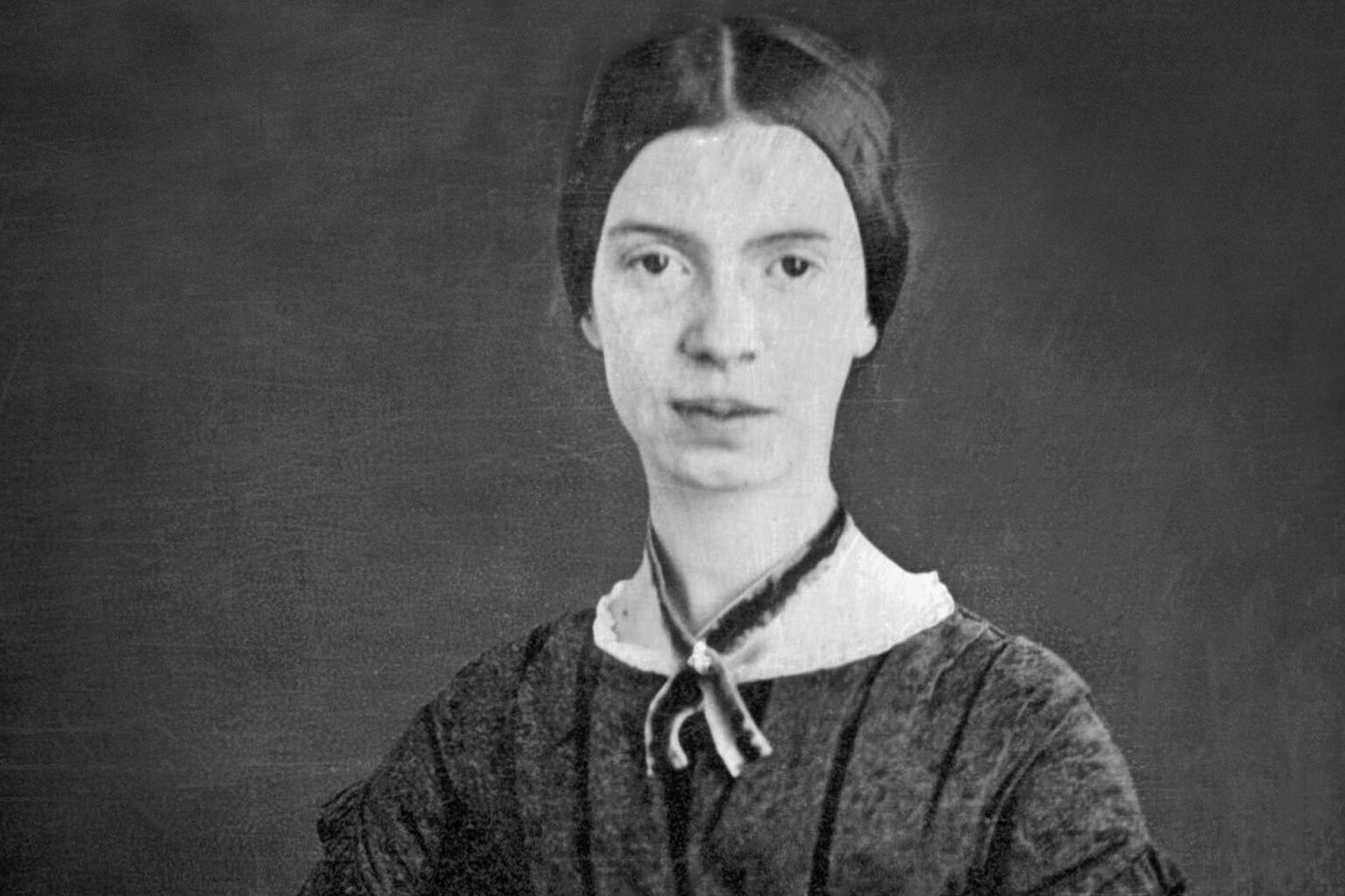
Per Emily Dickinson, life is a cycle of separation followed by everlasting love life with marble tea ....

The grave my little cottage is,
Where, keeping house for thee,
I make my parlor orderly,
And lay the marble tea,

For two divided, briefly,
A cycle, it may be,
Till everlasting life unite
In strong society.

- Emily Dickinson


इथां मैं मुठड़ी जिन्द जान बलब ।ओतां ख़ुश वसदा मुलक अरब्ब ।
हर वेले यार दी तांघ लगी ।सुंजे सीने सिक दी सांग लगी ।
डुखी दिलड़ी दे हत्थ टांघ लगी ।थै मिल मिल सूल समोले सब ।
तती थी जोगन चौधार फिरां ।हन्द सिंध पंजाब ते माड़ फिरां ।
सुंज बार ते शहर बाज़ार फिरां ।मतां यार मिलम कही सांग सबब ।
जैं डेंह दा नेंह दे शीह फट्ट्या ।लगी नेश डुखादी ऐश घट्या ।
सब जोबन जोश खरोश हट्ट्या ।सुख सड़ गए मर गई तर्हा तरब ।
तोड़ धकड़े धोड़े खांदड़ी हां ।तैंडे नाम तों मुफ़त वकांदड़ी हां ।
तैंडी बांदियां दी मैं बांदड़ी हां ।है दर द्यां कुत्यां नाल अदब ।
वाह! सोहना ढोलन यार सजन ।वाह सांवल होत हजाज़ वतन ।
आ डेख फरीद दा बैत हज़न ।हम रोज़ अज़ल दी तांघ तलब ।


This is a kafi written by Ghulam Farid. I have tried to transcribe the recordings to get the lyrics; as much as possible I have tried to transcribe this to the original Multani (Siraiki).

Ishq anokhari peerh 
seh seh sool andar de
nain vahaiyom neer 
alare zakhm jigar de

birhoon bakhera sakht avaira 
khesh kabila laayam jhera
maaryan maa pyoo veer 
dushman lok shehar de

AVAIRA - Ill-tempered 

taang avallari saang kulalari
jindri jalari dilari galari
tan man de vich teer 
maare yaar hunar de

Ishq anokhari peerh 
seh seh sool andar de
nain vahaiyom neer 
alare zakhm jigar de

ghamze sehri ramzaan vairi 
ankhiyan jaadu deed luteri
zulmi zulf zanjeer 
pechee pech kehar de

preet punnal di sik pal pal di 
maaruthal di ret azal di
dukh laawan tadbheed
jo sarde so karde

Ishq anokhari peerh 
seh seh sool andar de
nain vahaiyom neer 
alare zakhm jigar de

yaar fareed na payam phera
laya dardan dil vich dera
sar gayom sees sareer
nesaan dagh qabr de


इशक अनोखड़ी पीड़ ।सौ सौ सूल अन्दर दे ।
नैन वहायम नीर ।अल्लड़े ज़खम जिगर दे ।

बिरहों बखेड़ा सख़त आवैड़ा ।खवेश कबीला लाविम झेड़ा ।
मारग मा प्यु वीर ।दुसमन लोक शहर दे ।

तांग अवल्लड़ी सांग कलल्लड़ी ।जिन्दड़ी जलड़ी दिल्लड़ी गलड़ी ।
तन मन दे विच्च तीर ।मारे यार हुनर दे ।

ग़मजे सेहरी रमज़ां वैरी ।अक्खियां जादू दीद लुटेरी ।
जुलमीं ज़ुलफ़ ज़ंजीर ।पेची पेच कहर दे ।

पीत पुन्नल दी सिक पल पल दी ।मारूथल दी रत अज़ल दी ।
डुक्ख लाविन तड़भीड़ ।जो सरदे सो करदे ।'

puñal Noun - kaṭār, gupt 
कटार noun f.
गुप्त adj.
साहस, रहस्य आदि से युक्त कुचक्र प्रधान adj.

सिक - Sik. ਰੁਚੀ, ਚਾਹ, ਤੀਬਰ ਚਾਹ। longing, yearning. ਉਦਾਹਰਨ: ਜੇ ਤਉ ਪਿਰੀਆ ਦੀ ਸਿਕ ਹਿਆਉ ਨ ਠਾਹੇ ਕਹੀ ਦਾ ॥ Salok 14, 130:2 (P: 1384).

तड़भीड़ s. f. -- تڙڀيڙ -- Dunning, importuning, distress, difficulty, want.

तुल नेहाली डेन डिखाली ।सबर आराम दी विसरिअम चाली ।
लूं लूं लक्ख लक्ख चीर ।कारी तेग़ तबर दे ।

यार फ़रीद न पायम फेरा ।लाया दरदां दिल विच्च देरा ।
सर ग्युम सीस सरीर ।नैसां दाग़ कबर दे ।
Newer Posts Older Posts Home

SHIVPREET SINGH

Singing oneness!
- Shivpreet Singh

Related Posts

Popular - 30 days

  • Vande Mataram - Lyrics and Translation
    I love the Vande Maataram composition in Raag Des sung by Lata Mangeshkar.  Vande Mataram is the national song of India. In 2003, BBC World ...
  • Kabir's Gao Gao Ri Dulhani - Lyrics and meanings
    One of my favorite Kabir's poem I call "Dulhani." In this beautiful poem, Kabir envisions himself as the bride and the univers...
  • The Many Types of Raag Malhar
    Pour love in your heart, like the rain pours on the land today. As I am working on a Meerabai song I am doing research on the different vari...
  • Dulhani Gavahu Mangalchaar - Kabir
    Several years ago I heard this and I keep going back to this haunting melody by Shubha Mudgal. The lyrics are strikingly similar to Kabir...
  • Jindari Lutti by Ghulam Farid - Lyrics/Translation and Performance by Bade Ghulam Ali Khan (Also Rohi or Dilri Lutti)
    Bade Ghulam Ali Khan's version of this Multani Kafi This is a beautiful spiritual song of separation written by Ghulam Farid.  I recentl...
  • Ve Mahiya Tere Vekhan Nu - Tufail Niazi and Wadali Brothers
    I have recently heard this Bulleh Shah song and it has really touched my heart. Several people have sung it, but I love the original composi...
  • Beethal Bhaila - Namdev Asa - Wherever I go, the playful Beethal is there
    I’ve been working on a musical composition for a beautiful shabad by Bhagat Naamdev, and it’s been making me think deeply about its message....
  • Krishna's Cosmic Flute - Reflecting upon Bulleh Shah's Kafi, Bansi Kaanh Acharj Bajai
    Krishna's Cosmic Flute Playing Bulleh Shah in a kafi says, "You are playing a surprising, wondrous, flute O Krishna." Bulleh S...
  • Gulon Mein Rang Bhare - Lyrics and Translation of Mehdi Hassan Ghazal
    I was listening and meditating upon this beautiful ghazal by Faiz Ahmed Faiz, beautifully composed by Mehdi Hassan. It is one of my favorite...
  • Anger: A perspective from the Guru Granth Sahib
    Anger: A perspective from the Guru Granth Sahib An article by T. Singh You (anger) take the perplexed beings (corrupt, agitated, Bikaare...

Blog Archive

  • ▼  2026 (12)
    • ▼  June (1)
      • Translation of Laavan - Shivpreet Singh
    • ►  May (1)
    • ►  April (1)
    • ►  March (6)
    • ►  February (1)
    • ►  January (2)
  • ►  2025 (24)
    • ►  October (5)
    • ►  September (7)
    • ►  August (2)
    • ►  July (2)
    • ►  June (3)
    • ►  March (1)
    • ►  February (2)
    • ►  January (2)
  • ►  2024 (21)
    • ►  December (1)
    • ►  November (2)
    • ►  October (3)
    • ►  September (2)
    • ►  August (4)
    • ►  July (2)
    • ►  June (3)
    • ►  May (1)
    • ►  April (1)
    • ►  February (1)
    • ►  January (1)
  • ►  2023 (41)
    • ►  December (4)
    • ►  November (3)
    • ►  October (4)
    • ►  September (7)
    • ►  August (5)
    • ►  July (7)
    • ►  June (3)
    • ►  May (3)
    • ►  April (1)
    • ►  March (1)
    • ►  February (3)
  • ►  2022 (8)
    • ►  March (2)
    • ►  January (6)
  • ►  2021 (139)
    • ►  December (15)
    • ►  November (2)
    • ►  October (6)
    • ►  September (7)
    • ►  August (2)
    • ►  July (4)
    • ►  May (21)
    • ►  April (21)
    • ►  March (35)
    • ►  February (23)
    • ►  January (3)
  • ►  2020 (150)
    • ►  December (2)
    • ►  November (13)
    • ►  October (32)
    • ►  September (47)
    • ►  August (37)
    • ►  July (5)
    • ►  June (3)
    • ►  May (3)
    • ►  April (3)
    • ►  March (2)
    • ►  February (1)
    • ►  January (2)
  • ►  2019 (43)
    • ►  December (5)
    • ►  November (8)
    • ►  October (13)
    • ►  September (4)
    • ►  July (3)
    • ►  June (1)
    • ►  May (2)
    • ►  March (1)
    • ►  February (1)
    • ►  January (5)
  • ►  2018 (53)
    • ►  December (8)
    • ►  November (5)
    • ►  October (3)
    • ►  September (4)
    • ►  August (6)
    • ►  July (3)
    • ►  June (4)
    • ►  May (6)
    • ►  April (5)
    • ►  March (2)
    • ►  February (4)
    • ►  January (3)
  • ►  2017 (73)
    • ►  December (2)
    • ►  November (12)
    • ►  October (8)
    • ►  September (1)
    • ►  August (7)
    • ►  July (6)
    • ►  June (12)
    • ►  May (5)
    • ►  April (4)
    • ►  March (8)
    • ►  February (3)
    • ►  January (5)
  • ►  2016 (141)
    • ►  December (1)
    • ►  November (9)
    • ►  October (16)
    • ►  September (19)
    • ►  August (2)
    • ►  July (5)
    • ►  June (7)
    • ►  May (3)
    • ►  April (18)
    • ►  March (34)
    • ►  February (16)
    • ►  January (11)
  • ►  2015 (28)
    • ►  December (1)
    • ►  November (1)
    • ►  October (2)
    • ►  September (12)
    • ►  August (1)
    • ►  May (1)
    • ►  April (7)
    • ►  March (1)
    • ►  February (1)
    • ►  January (1)
  • ►  2014 (107)
    • ►  December (1)
    • ►  November (6)
    • ►  October (1)
    • ►  August (2)
    • ►  July (1)
    • ►  June (11)
    • ►  April (10)
    • ►  March (15)
    • ►  February (24)
    • ►  January (36)
  • ►  2013 (242)
    • ►  December (13)
    • ►  October (5)
    • ►  September (3)
    • ►  August (3)
    • ►  June (7)
    • ►  May (62)
    • ►  April (79)
    • ►  March (12)
    • ►  February (23)
    • ►  January (35)
  • ►  2012 (145)
    • ►  December (29)
    • ►  November (31)
    • ►  October (44)
    • ►  September (5)
    • ►  August (9)
    • ►  July (7)
    • ►  June (1)
    • ►  May (3)
    • ►  April (1)
    • ►  March (4)
    • ►  February (9)
    • ►  January (2)
  • ►  2011 (252)
    • ►  December (1)
    • ►  November (1)
    • ►  October (4)
    • ►  September (13)
    • ►  August (28)
    • ►  July (44)
    • ►  June (33)
    • ►  May (15)
    • ►  April (2)
    • ►  March (45)
    • ►  February (43)
    • ►  January (23)
  • ►  2010 (70)
    • ►  December (31)
    • ►  November (20)
    • ►  October (2)
    • ►  September (3)
    • ►  August (1)
    • ►  July (2)
    • ►  May (5)
    • ►  March (4)
    • ►  February (1)
    • ►  January (1)
  • ►  2009 (15)
    • ►  December (1)
    • ►  November (3)
    • ►  October (2)
    • ►  September (2)
    • ►  August (1)
    • ►  June (1)
    • ►  April (1)
    • ►  March (1)
    • ►  February (1)
    • ►  January (2)
  • ►  2008 (15)
    • ►  November (1)
    • ►  July (2)
    • ►  June (5)
    • ►  May (1)
    • ►  April (2)
    • ►  March (1)
    • ►  February (1)
    • ►  January (2)
  • ►  2007 (9)
    • ►  November (4)
    • ►  October (2)
    • ►  September (1)
    • ►  August (2)
  • ►  1999 (1)
    • ►  May (1)

Message

Name

Email *

Message *

Twitter

Tweets by @shivpreetsingh


Copyright © Shivpreet Singh. Designed by OddThemes