Shivpreet Singh
Shivpreet Singh
  • Home
  • Music
    • Spotify
    • Apple Music
    • Amazon
    • Pandora
    • SoundCloud
    • Google
    • You Tube
      • Music on YouTube
      • Uplifting Shabads
      • Guru Nanak Shabads
      • Meditation & Chanting
      • Shabads for Kids
      • Shabads of Guru Arjan
      • Shabads of Guru Gobind Singh
  • Videos
    • Latest
    • Popular
    • Uplifting
    • Guru Nanak
    • Meditation
    • For Kids
    • Guru Arjan
    • Guru Gobind Singh
  • Projects
    • DhunAnand Foundation
    • Pandemic 2020
    • Guru Nanak 550
    • Namdev 750
    • Thoughts and Ruminations
    • What I Love to Read
  • News
  • Meet Me
    • Meet Me
    • Request
    • Send Email
    • Newsletter
    • FAQs
  • About
    • Biography
    • Photos
    • Music
    • FAQs
While my time here has now come to an end, I want you to know that in the last days and hours of my life you inspired me. You filled me with hope about the next chapter of the great American story when you used your power to make a difference in our society. Millions of people motivated simply by human compassion laid down the burdens of division. Around the country and the world you set aside race, class, age, language and nationality to demand respect for human dignity.

That is why I had to visit Black Lives Matter Plaza in Washington, though I was admitted to the hospital the following day. I just had to see and feel it for myself that, after many years of silent witness, the truth is still marching on.

Emmett Till was my George Floyd. He was my Rayshard Brooks, Sandra Bland and Breonna Taylor. He was 14 when he was killed, and I was only 15 years old at the time. I will never ever forget the moment when it became so clear that he could easily have been me. In those days, fear constrained us like an imaginary prison, and troubling thoughts of potential brutality committed for no understandable reason were the bars.

Though I was surrounded by two loving parents, plenty of brothers, sisters and cousins, their love could not protect me from the unholy oppression waiting just outside that family circle. Unchecked, unrestrained violence and government-sanctioned terror had the power to turn a simple stroll to the store for some Skittles or an innocent morning jog down a lonesome country road into a nightmare. If we are to survive as one unified nation, we must discover what so readily takes root in our hearts that could rob Mother Emanuel Church in South Carolina of her brightest and best, shoot unwitting concertgoers in Las Vegas and choke to death the hopes and dreams of a gifted violinist like Elijah McClain.

Like so many young people today, I was searching for a way out, or some might say a way in, and then I heard the voice of Dr. Martin Luther King Jr. on an old radio. He was talking about the philosophy and discipline of nonviolence. He said we are all complicit when we tolerate injustice. He said it is not enough to say it will get better by and by. He said each of us has a moral obligation to stand up, speak up and speak out. When you see something that is not right, you must say something. You must do something. Democracy is not a state. It is an act, and each generation must do its part to help build what we called the Beloved Community, a nation and world society at peace with itself.

Ordinary people with extraordinary vision can redeem the soul of America by getting in what I call good trouble, necessary trouble. Voting and participating in the democratic process are key. The vote is the most powerful nonviolent change agent you have in a democratic society. You must use it because it is not guaranteed. You can lose it.

You must also study and learn the lessons of history because humanity has been involved in this soul-wrenching, existential struggle for a very long time. People on every continent have stood in your shoes, through decades and centuries before you. The truth does not change, and that is why the answers worked out long ago can help you find solutions to the challenges of our time. Continue to build union between movements stretching across the globe because we must put away our willingness to profit from the exploitation of others.

Though I may not be here with you, I urge you to answer the highest calling of your heart and stand up for what you truly believe. In my life I have done all I can to demonstrate that the way of peace, the way of love and nonviolence is the more excellent way. Now it is your turn to let freedom ring.

When historians pick up their pens to write the story of the 21st century, let them say that it was your generation who laid down the heavy burdens of hate at last and that peace finally triumphed over violence, aggression and war. So I say to you, walk with the wind, brothers and sisters, and let the spirit of peace and the power of everlasting love be your guide.

Essay 
5 Things We Learn From John Lewis
Rashawn Ray

Get in good trouble, necessary trouble, and redeem the soul of America.” John Lewis made this statement on the Edmund Pettus Bridge in Selma, Alabama on March 1, 2020 commemorating the tragic events of Bloody Sunday. Bloody Sunday occurred on March 7, 1965 as peaceful protesters were beaten by law enforcement officers for crossing the bridge. Lewis and others like Amelia Boynton Robinson were beaten so badly they were hospitalized.

The context behind the march is significant. The 600-person civil rights march was actually about police brutality. Jimmie Lee Jackson, a 26-year-old church deacon, was killed by James Bonard Fowler, a state trooper in Alabama. This march also occurred a year and a half after the infamous March on Washington highlighting that little had changed in the lives of Black people in America. Bloody Sunday was highlighted in Ava Duvernay’s Oscar-nominated best picture film Selma. Musicians John Legend and Common won an Oscar for the song “Glory.”

Bloody Sunday is often noted as a pinnacle of Lewis’ life. This defining moment encapsulates five things he taught us about getting in good trouble.

Vote, always

“Your vote matters. If it didn’t, why would some people keep trying to take it away? #goodtrouble” Lewis sent this tweet on July 3, 2018. It highlights his life’s work—equitable voting. One major part of the Civil Rights Movement was Black people gaining the right to vote. This finally occurred with the Voting Rights Act of 1965. But the Shelby v Holder Supreme Court decision in 2013 essentially gutted the Voting Rights Act and paved the way for widespread voter suppression and gerrymandering.

This is why it is imperative for Congress to act swiftly to pass the John Lewis Voting Rights Advancement Act to ensure equitable access to the polls.  Lewis was an original Freedom Rider, participated in many sit-ins, and was arrested dozens of times for people to have the right to vote. “Some of us gave a little blood for the right to participate in the democratic process,” said Lewis. Now, Congress must honor Lewis’ legacy and ensure an equitable participation in the democratic process. As Lewis noted, “The vote is precious. It is almost sacred. It is the most powerful non-violent tool we have in a democracy.”

Never too young to make a difference

As a founder and leader of the Student Non-violent Coordinating Committee (SNCC), Lewis was the youngest person to speak at the March on Washington. Elder civil rights leaders aimed to taper his words. Lewis was critical of the Kennedy administration and the slowness by which broad scale legislation change was occurring at the federal level. Lewis also critiqued civil rights legislation for not addressing police brutality against Black people. Imagine how this moment in the Movement for Black Lives may be different had elder Civil Rights leaders listened to Lewis. Lewis’ youth gave him a vision for a more transformative society that was mostly socialized out and, in some cases beaten out, of older leaders. Lewis teaches us that age is nothing but a number and young people have to be the change they want to see by pushing and forcing older people for equitable change. Older people are often socialized in the current arrangement of society and cannot fully envision a radically different world. Lewis stated, “I want to see young people in America feel the spirit of the 1960s and find a way to get in the way. To find a way to get in trouble. Good trouble, necessary trouble.” Young people can and should push for transformative change and hold us accountable to it.  

Speak truth to power 

“Speak up, speak out, get in the way,” said Lewis. He taught us the importance of speaking up and speaking out. We have to be willing to speak up about injustice, always, no matter the costs. My grandfather who served in two wars earning a Purple Heart and Bronze Star taught me from birth that my silence is my acceptance. Lewis stated, “When you see something that is not right, not fair, not just, you have to speak up. You have to say something; you have to do something.” This motto should apply in all aspects of our lives. Lewis epitomizes it and encourages us to not be silent. He was adamant about supporting free speech, but he was also adamant about condemning hate speech. “I believe in freedom of speech, but I also believe that we have an obligation to condemn speech that is racist, bigoted, anti-Semitic, or hateful.”

Become a racial equity broker

Lewis is the personification of transitioning from a political activist to a politician. I frame it as transitioning from a racial equity advocate to a racial equity broker. A racial equity advocate speaks up and speaks out, stands in the gap, and sits at the table to advocate for people who cannot advocate for themselves. There is a saying— “If you are not at the table, you are on the menu and someone is eating you for lunch.” Shirley Chisholm said, “If they don’t give you a seat at the table, bring a folding chair.” Lewis realized that to make transformative change, he had to be at the table and often bring his own chair. Once at the table, he realized that he needed to help draft the documents that got discussed at the table. This led him to becoming an elected official and a racial equity broker to alter, deconstruct, and restructure the laws, policies, procedures, and rules that inhibit racial equity.

Never give up

When Lewis was elected to Congress in 1986, one of his first bills was the creation of a national museum to chronicle the history, culture, and successes of Black Americans. The culmination of this bill was passed in 2003 and opened in 2016 as the National Museum of African American History and Culture. Lewis taught us persistence. He taught us that when a person has transformative ideas, they should not taper those ideas. Instead, they should push those ideas until others get on board. Simply because change is slow does not mean change agents have to move slowly towards it. Lewis was a lightning bolt for equity, social change, and social justice. We must continue his legacy, never forget history, pursue equity, and get in good trouble.
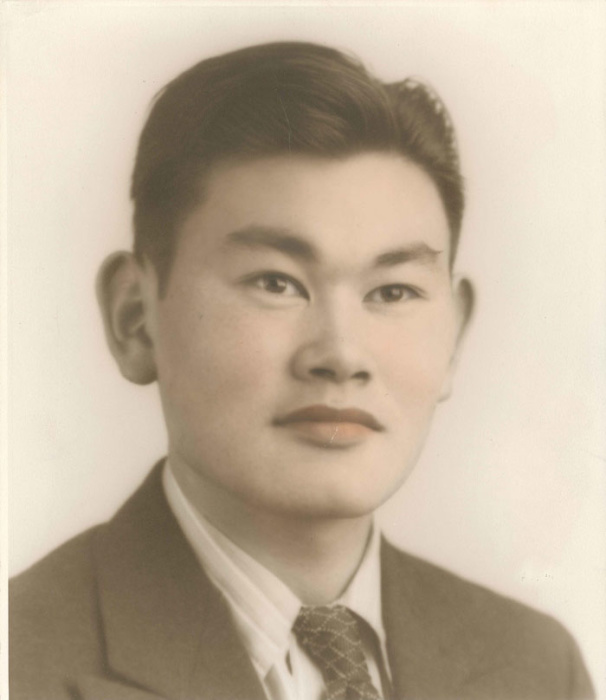
An inspirational story of a civil rights leader: 

THE ENDURING LEGACY OF FRED KOREMATSU 
JANUARY 27, 2016

Challenger of World War II exclusion and confinement, Fred Toyosaburo Korematsu (1919-2005) dedicated his life to the civil rights crusade that would eventually earn him a Presidential Medal of Freedom. He is best known for his fight against the mass removal of Japanese Americans that resulted in a landmark Supreme Court case. But until his death in 2005, he also advocated for the civil liberties of other marginalized groups, including prisoners detained at Guantanamo Bay after 9/11.

Fred Korematsu, c. 1940s.

Korematsu was born on January 30, 1919, to Japanese parents who ran a plant nursery in Oakland, California. He worked as a shipyard welder after graduating from high school until he lost his job after the Japanese attack on Pearl Harbor. He was 22 when the U.S. plunged into war. On May 9, 1942, his parents and three brothers reported to the Tanforan Assembly Center, but Korematsu stayed behind with his Italian-American girlfriend. By then, the army had issued a series of exclusion orders that prohibited Japanese Americans from being inside Military Area No. 1. In an attempt to disguise his racial identity, he changed his name and had minor plastic surgery on his eyes to appear European American. His refusal to comply with the evacuation order led to his arrest on May 30, 1942.

While in jail, he was visited by Ernest Besig, executive director of the American Civil Liberties Union of Northern California. Korematsu agreed to become the subject of a test case to challenge the constitutionality of President Roosevelt’s Executive Order 9066 along with fellow resisters Min Yasui and Gordon Hirabayashi. Although Besig paid Korematsu’s $5,000 bail, Korematsu was sent to Tanforan immediately after his release. After the federal district court in San Francisco found him guilty of violating military orders, his court case went to the U.S. Supreme Court in 1944. The high court upheld the lower court’s ruling in a 6-3 vote. (See Korematsu vs. U.S.)

In the 1980s, legal historian and author Peter Irons filed a petition to the 9th U.S. Circuit Court in San Francisco to have Korematsu’s conviction overturned on the grounds that the Supreme Court had made its decision based on false information. Korematsu spoke at the courtroom and said, “As long as my record stands in federal court, any American citizen can be held in prison or concentration camps without a trial or a hearing.” In November 1983, U.S. District Judge Marilyn Hall Patel vacated Korematsu’s conviction and argued that the Korematsu case serves as a “caution that in times of distress the shield of military necessity and national security must not be used to protect governmental actions from close scrutiny and accountability….”[1]

After the successful coram nobis petition, Korematsu continued to advocate for civil rights at countless colleges and law schools. In 1999, he received a Presidential Medal of Freedom, the nation’s highest civilian honoBANENDr. After 9/11, he filed an amicus—or “friend of the court”—brief with the Supreme Court for two cases on behalf of Muslim inmates being held at Guantanamo Bay. He filed another amicus brief in 2004, citing similarities between the wrongful imprisonment of Japanese Americans during World War II and Muslims following 9/11. He passed away of respiratory illness on March 30, 2005.

On January 30, 2011, California held its first Fred Korematsu Day, the first day in the U.S. to be named after an Asian American, commemorating his lifetime of service defending the constitutional rights of Americans.

Fred’s legacy continues to live on through the work of his daughter, Karen, and the Fred T. Korematsu Institute. Through educational programs and annual Fred Korematsu Day events, the Institute increases awareness of “one of the most blatant forms of racial profiling in U.S. history, the incarceration of Japanese Americans during World War II.” Karen Korematsu carries on her father’s legacy through continued engagement with contemporary civil rights issues. This year’s Korematsu Day celebration addresses the rise of anti-Muslim sentiment through the theme, Re(ad)dressing Racial Injustice: From Japanese American Incarceration to Anti-Muslim Bigotry. In the future, the Institute plans to lobby for a national commemorative holiday recognizing Fred Korematsu, who would be the first Asian American to have a national holiday, and to create a museum/library learning center.

In 2015, Lorraine K. Bannai, a member of the legal team that successfully challenged Fred Korematsu’s conviction, published Enduring Conviction: Fred Korematsu and His Quest for Justice. George Takei endorsed the book—and Fred—saying, “A remarkable story of a man who stood up and spoke out in the same tradition of others in this country who have spoken out against oppression and discrimination…Fred Korematsu was an ordinary man who did extraordinary deeds and with that he made history.”


I am reading about Ernest Hemingway and his novel "For whom the bell tolls" and this is the best explanation of the title:


John Donne (1572-1631), 
Devotions Upon Emergent Occasions, 
Meditation XVII: Nunc Lento Sonitu Dicunt, Morieris:
"Perchance he for whom this bell tolls may be so ill, as that he knows not it tolls for him; and perchance I may think myself so much better than I am, as that they who are about me, and see my state, may have caused it to toll for me, and I know not that.
...
No man is an island, entire of itself; every man is a piece of the continent, a part of the main. If a clod be washed away by the sea, Europe is the less, as well as if a promontory were, as well as if a manor of thy friend's or of thine own were: any man's death diminishes me, because I am involved in mankind, and therefore never send to know for whom the bells tolls; it tolls for thee."
Donne lived in Tudor and Stewart England, and at that time the tolling of church bells to mark various events was an important feature of daily life. The tolling referred to in the quotation is, of course, that of funeral bells. Donne's view, which has, oddly for a 17th century Christian, much in common with 21st century eastern religions, was that all people are socially and spiritually interconnected; for example, the contemporary Buddhist view is demonstrated by the reply given by the Dalai Lama, when asked during a visit to Northern Ireland how the warring Protestants and Catholics could co-exist: "Remember we are all one - all the same". Donne seems to be saying that whatever affects one affects us all. This is highlighted by the famous 'no man is an island' line at the beginning of the 'for whom the bells tolls' paragraph.

Donne's Meditations concern man's spiritual and social functioning, especially with regard to illness and death. They are somewhat mystical and difficult to interpret, especially without the benefit of experience of the nuances of the social and religious sensibilities of a 17th century Englishman. It is a testament to Donne's insight that the work contains much that strikes deep chords with people living and dying today.

There's some debate about what precisely what was meant. Some think that Donne was simply pointing out people's mortality and that when a funeral bell was heard it was a reminder that we are nearer death each day, that is, the bell is tolling for us. Others view it more mystically and argue that Donne is saying we are all one and that, when one dies, we all die a little. This isn't as bleak as it might sound, as the counterpoint would be that there is some part of the living in the dead and that we continue a form of life after death.

Ernest Hemingway helped to make the phrase commonplace in the language when he chose to use the quotation for the title of his 1940-published book about the Spanish Civil War. Hemingway refers back to 'for whom the bells tolls' and to 'no man is an island' to demonstrate and examine his feelings of solidarity with the allied groups fighting the fascists. There was a strong feeling amongst many intellectuals around the world at the time that it was a moral duty to fight fascism, which they feared may take root world-wide if not checked. 

This view was given voice later in the well-known poem First They Came for the Jews, attributed to Pastor Martin Niemöller:


First they came for the Jews
and I did not speak out
because I was not a Jew.

Then they came for the Communists
and I did not speak out
because I was not a Communist.

Then they came for the trade unionists
and I did not speak out
because I was not a trade unionist.

Then they came for me
and there was no one left to speak out for me. 


Hemingway adapted the novel as the screenplay to a successful 1943 film of the same title, starring Gary Cooper and Ingrid Bergman.
Deh Shiva Bar Mohe Eha (ਦੇਹ ਸ਼ਿਵਾ ਬਰ ਮੋਹੇ ਈਹੇ) is a popular hymn by Guru Gobind Singh, taken from Chandi Charitar Ukati Bilas composition of Dasam Granth. Following is a brief background, lyrics and translation. At the end of the note there are some other related poems and writings on fighting justice, sacrifice and courage. 

The shabad teaches us to live with courage and bravery to the highest levels of righteousness. It teaches us to never shirk from conducting oneself in the most upright and considerate possible manner and to be prepared at all times to willingly and consistently behave in the most impartial and just manner and to always undertake to carry out righteous acts; to never have any fear or show even the slightest hesitation when taking such actions; to never flinch from stepping in front of the enemy to protect the poor, weak and needy of the world - to never have any apprehension or anxiety from the righteous fight ahead.

Lyrics in English 


Deh Shiva bar mohe ihai 
shubh karman te kabhun na taron
Na doron ar syon jab jaye laron 
nischay kar apni jeet karon
Ar sikh hon apne hi man ko 
ih laalach hon gun to ucharon
Jab aav ki audh nidaan bane 
at hi ran main tab joojh maron.

English Translation 

O Power of Akaal, give me this boon 
May I never ever shirk from doing good deeds 
That I shall not fear when I go into combat. And with determination I will be victorious.
That I may teach myself this greed alone, to speak only of Thy (allmighty lord Waheguru) praises.
And when the last days of my life come, I may die in the might of the battlefield.||231||


My Reflection

O Shiva, grant me this boon—

That I may never turn away from doing what is right,
That I may never falter when faced with a fight,
And that I may always possess the courage to triumph.

Let my heart be shaped
By the trials of life,
With an unwavering desire
To keep your name ever in my thoughts.

And when my time comes,
Allow me to fall bravely on the battlefield.

- Guru Gobind Singh (tr. by Shivpreet Singh)


Lyrics in Gurbani:

ਦੇਹ ਸਿਵਾ ਬਰੁ ਮੋਹਿ ਇਹੈ ਸੁਭ ਕਰਮਨ ਤੇ ਕਬਹੂੰ ਨ ਟਰੋਂ ॥
ਨ ਡਰੋਂ ਅਰਿ ਸੋ ਜਬ ਜਾਇ ਲਰੋਂ ਨਿਸਚੈ ਕਰਿ ਅਪੁਨੀ ਜੀਤ ਕਰੋਂ ॥
ਅਰੁ ਸਿਖ ਹੋਂ ਆਪਨੇ ਹੀ ਮਨ ਕੌ ਇਹ ਲਾਲਚ ਹਉ ਗੁਨ ਤਉ ਉਚਰੋਂ ॥
ਜਬ ਆਵ ਕੀ ਅਉਧ ਨਿਦਾਨ ਬਨੈ ਅਤਿ ਹੀ ਰਨ ਮੈ ਤਬ ਜੂਝ ਮਰੋਂ ॥੨੩੧॥ 

Lyrics in Hindi

देह शिवा बर मोहे इहै, शुभ कर्मन ते कबहूँ न टरों
न डरौं अरि सौं जब जाय लड़ौं, निश्चय कर अपनी जीत करौं,
अर सिख हों आपने ही मन कौ इह लालच हउ गुन तउ उचरों,
जब आव की औध निदान बनै अत ही रन मै तब जूझ मरों ॥२३१॥ 

Related Readings on Courage, Sacrifice and Fighting for Justice


Martin Luther King - 


True peace is not merely the absence of tension: it is the presence of justice. 
- Martin Luther King speaking about When Peace Becomes Obnoxious. 


Guru Nanak - Jau Tau Prem Khelan Ka Chau


Jau tau prem khelan ka chau
Sir dhar tali gali meri aau
It marag pair dharijay
Sir deejai kaan na keejay


If you wanna play the game of love;
First put your head on your palm;
If you set foot on this path
Don't hesitate to give your head

Guru Nanak - Jaisi Mein Aveh


Jaisi Main Avai Khasam ki Baani, 
taisada kari gyaan vey Lalo
As the Word of the divine comes to me, 
so do I express it, O Lalo

Kabir - Soora So Pehchaniye


Soora So Pehchaniye 
Jo Larhe Deen Ke Het
Purja Purja Kat Mare 
Kabhoon Na Chchade Khet

Courageous is that person
who fights for dharma
Even if he gets sliced in pieces
He does not leave the battleground


Tagore - Jodi Tor Dak Shune


Jodi tor đak shune keu na ashe 
tôbe êkla chôlo re,

If no one answers your  call 
make a stride and walk alone

Ghalib - Ajab Nashaat se


Ajab nashāt se jallād ke
chale haiñ ham aage
ki apne saa.e se sar paañv se
hain do qadam aage

With a peculiar intoxication
I walk in front of the executioner
From my shadow, my head and feet
I am two feet ahead.

John Lewis - Good Trouble


Get in Good Trouble

Amjad Islam Amjad - Chand ke sath kayi dard purane nikale


Fasle gul aayee phir ik bar aseerane wafa
Apane hee kuun ke dariya me nahane nikale

Flowers are blooming again in the garden of loyalty
I came to bathe in my own blood

Advice to young kids by ee cummings - To be nobody

To be nobody - but -yourself-- in a world which is doing its best, night and day, to make you everybody else--means to fight the hardest battle which any human being can fight; and never stop fighting. 

And so my advice to all young people who wish to become real is: do something easy, like dreaming of freedom--unless you're ready to commit yourself to feel and work and fight till you die.

Remember Me and Fight -Shri Krishna in Bhagwad Gita 


तस्मात्सर्वेषु कालेषु मामनुस्मर युध्य च।
मय्यर्पितमनोबुद्धिर्मामेवैष्यस्यसंशयम्।।8.7।।


Don't Hesitate - Mary Oliver

If you suddenly and unexpectedly feel joy, don’t hesitate. Give in to it. There are plenty of lives and whole towns destroyed or about to be. We are not wise, and not very often kind. And much can never be redeemed. Still, life has some possibility left. Perhaps this is its way of fighting back, that sometimes something happens better than all the riches or power in the world. It could be anything, but very likely you notice it in the instant when love begins. Anyway, that’s often the case. Anyway, whatever it is, don’t be afraid of its plenty. Joy is not made to be a crumb.


This happened on a highway in China. Forty passengers, mostly males were on an inter-state bus. Halfway through the journey, two thugs on the bus suddenly went up to the lady bus driver and demanded that she stopped he bus and follow them to a waste ground nearby.

The lady driver refused and began to put up a fight against them. At the same time, she cried out to the other passengers in the bus to help her. However, the other passengers not only cruelly turned a deaf ear to her cries, they even suggested that she give in to the thugs' demands so that they can carry on their journey quickly when they are done with her.

One young man amongst the passengers stood out to chide the rest of the passengers and tried to help the lady driver. However, sensing that the majority of the people do not have the guts to resist them, the thugs grew even bolder and beat up the young man.

They then forcefully dragged the lady driver out of the bus. Right on the side of the road, they raped the lady driver while the rest watched. After that these thugs commanded the lady drive to return to the bus and resume with the journey.

With tears streaming down her face, the lady driver begged that they drive the righteous young man out of the bus as she is too ashamed to face him again. The young man felt absolutely stupefied. So much for trying to speak up for the lady and now he is thrown out and left stranded on a desolated highway!

Hours later, when the lady driver passed by a mountainous cliff, she sped up and flung the whole bus with all its passengers over the cliff, right into the bottom of the valley. This story was retold later by the only survivor of the journey - the righteous young man, Manjeet Singh who was driven out of the bus.

Story from Lianhe Zaobao
2 Aug 1999
Written by Wu Wei Cai, traveller and writer

"Jaisi Main Aveh" is one of the four poems included in what is called "Babarvani" describing the four invasions by Mughal Emperor Babar (1483-1530).  While three of these poems are in Raag Asa (the color of Hope), this poem is in Raag Tilang (the color of Mideast).


Read More: Complete Babarvani


Babar and Guru Nanak in 1520-1521

Before we go into the shabad, let's consider the historical background based on what I have gathered from several sources including Babar's Autobiography in the past few days.

The year was 1520.  The season was winter.  Babar made his third invasion into India and easily subdued several cities including Sialkot.  He wanted to do the same with Saidpur, a town of landowners and merchants.  The inhabitants of Saidpur, not knowing Babar's savage intentions, resisted and in his wrath Babar ordered a bloody massacre of city dwellers.

Guru Nanak was traveling back home after his trip to Mecca, and reached Saidpur from Punja Sahib and stayed with disciple and friend Bhai Lalo.  Guru Nanak and Bhai Lalo, along with other older men, women and children were imprisoned by Babar.  Babar had to leave Saidpur because of attacks at his home in Afganisthan.  According to the Puratan Janam Saaki, Guru Nanak and Bhai Lalo were made to carry loads of wealth on their backs for Babar's troops to take away (See Babur's Invasion).

Many of the historical accounts of Babar's third invasion I found were short and colorless. For example, one account mentioned Babar's invasion in the following way:
"There is no doubt, however, that he made an expedition, called the third, in 1520. On this occasion he crossed the Indus, marched into the part known now as the Rawal Pindi division, crossed the Jehlam, reached Sialkot, which he spared, and then marched on Saiyidpur, which he plundered. He was called from this place to Kabul to meet a threatened attack upon that capital."

In comparsion ... Guru Nanak is beautifully descriptive, and he calls the savagery like it is: evil and sinful:

Calling it like it is ... Guru Nanak Style

Guru Nanak's courageous song of truth that describes the condition of Saidpur after it was devastated by Babar's attack in 1521:

Tilang, First Mehl:

Jaisi Main Avai Khasam ki Baani, taisada kari gyaan vey Lalo
As the Word of the divine comes to me, so do I express it, O Lalo

Guru Nanak is going to describe the horrors of Babur's atrocities. He says, look, I'm going to say it like it is. This is not just ordinary "Bani" or ordinary "word," it is "Khasam ki Bani" or the "word of the eternal husband." And what is "khasam" according to Guru Nanak -- it is "satnam" or the truth. So this is the word of truth according to Guru Nanak! Because Khasam can also be defined as "love," one can say that Guru Nanak is saying, "These are not necessarily my words. These are the words that have come to me from my love."

Another interpretation of this line is that Guru Nanak is emphasizing that it is not he who is making any judgements, because in the end whether someone is good or evil, is a judgement.  He says that the source his knowledge (gyaan) is the divine husband (khasam).  He is just imparting what has come to him from the divine.  He is just doing what God willed him to do: sing!

This line reminds me of Bob Dylan's song Blowin in the Wind. In this song that was meant to be a protest against war, Bob Dylan asks several poignant questions. For instance:
How many times can a man turn his head
And pretend that he just doesn't see?
The convenient thing to do is to ignore atrocities.  It saves you from any negative repercussions.  But the right and courageous thing to do is to stand by the truth.  Guru Nanak's poem is especially courageous because it could result in him losing his life; despite this, he choses to write and sing this.

Paap kee janj lai Kabulon Dhaaeiaa Jori Mangai Daan vey Lalo
Bringing the wedding party of sin from Kabul he (Babur) demands land as his wedding gift, O Lalo.

He is saying it like it is.  

The Wedding Metaphor

Wedding are often used as metaphors of death in sufi poetry and gurbani. Just like the bridegroom leaves her temporary house and goes to her husband's house one day, it is inevitable that we all die.  Guru Nanak extends this metaphor chillingly -- the wedding party has come from Kabul and "demands" land.  This sin has come from greed.  Through this poem he slays the greed of acquirers of land and women. The fact that he wanted the land and riches of the people of Saidpur has been corroborated from primary sources.  

The wedding party of sin comes from Kabul.  After Babur's failures in Central Asia he had moved south east to Kabul and established his supremacy.  He was especially punitive to the Afghans, often setting up "pillars of heads" after winning battles; now he brings such horrors to India.  

One historian remarks that Guru Nanak knew about Babur's attack beforehand and came to Saidpur to warn Bhai Lalo of the devastation.  I believe the shabad was written afterwards because of the specific description and the evidence (chakki). 

Saram Dharam Doi Chhap Khaloye Kood Phire Pardhaan vey Lalo
Decency and righteousness are hiding, and falsehood struts around like a leader, O Lalo.

Kajiyan Baamana ki gal Thakki, Agad Padai Saitan vey Lalo
The Qazis and the Brahmins have lost their roles, and Satan now conduct wedding rites, O Lalo.

Normally weddings are decent and righteous affairs; they are celebrations. And normally the pious elevated individuals conduct marriage ceremonies. So that would be the brahman for hindus and the kazi for muslims. But in this case Satan is conducting wedding rites. As we go on in this shabad, the wedding metaphors will continue - especially about singing wedding songs in the end of the shabad.

Toll of War on Women

Musalamaaneeaa parrehi kathaebaa kasatt mehi karehi khudhaae vae laalo
The Muslim women read the Koran, and in their misery, they call upon God, O Lalo.

Jaath sanaathee hor hidhavaaneeaa eaehi bhee laekhai laae vae laalo
The Hindu women of different statuses, as well, have been met with the same fate, O Lalo.

The Muslim women are suffering ... they have no where else to go but God. And Hindu women of all statuses are met with the same fate.  Everyone is suffering.


Zainab Salbi, an Iraqi author, who has written a book on the plight of women in war, claims that things are not different now. She claims that we talk about only one side of war.  We talk about the missiles, the destruction, the valiant warriors, the vanquished ones, troop levels, tactics, dollars and casualties. We treat casualties rather casually. We don't talk about where the social fabric is most torn. We don't talk about the suffering of women, the suffering of children ... they remain the the unspoken sufferers of war. And the fact is that seventy-five percent of the casualties of war are women and children.

It is also possible, that Guru Nanak only mentions women, because he is continuing to use the wedding metaphor, where everyone is the soulbride of the one in power.

Babar - Jabar - Equal Opportunity Savage

It is clear from this description that Babar is indiscriminately killing and torturing people regardless of religion.  He was an equal opportunity savage. History shows that Babar (and for that matter his ancestor Genghiz Khan) was more interested in capturing land and wealth than converting folks to Islam. As an aside, it was much later, after he had conqured Delhi, Babar used Islam to rally his troops to defeating Rajputs of Mewar.

A noted Pakistani Journalist, Mushtak Soofi, describes Babar's intent in his article on Guru Nanak: 
Babar was like a character one finds in one of Bertolt Brecht’s poems; 'where my tank passes is my street/what my gun says is my opinion.'
When Babar decided to savagely kill the people of Saidpur, much of its male population must have been killed in the attack. Guru Nanak only mentions the plight of the Muslim and Hindu women, perhaps because most of the men were dead. But, it is clear that it was the women who suffered the most. 

Guru Nanak And Bhai Lalo Survive

It is interesting that both Guru Nanak and Bhai Lalo survived the attack. It might have been because Guru Nanak was highly regarded (because he was returning from Mecca and was considered a Haji; there weren't too many people in that time and place who had completed the Hajj), or because he was spiritual, because he was a musician (and Babar loved music and musicians), or just because he was old (>50 years old). We don't know this; but it is also possible that Babar only killed folks who were opposing his invasion; he imprisoned the others. According to the puratam janam sakhi over 11,000 people were imprisoned.

Imbued in Red

Khoon kae sohilae gaaveeahi naanak rath kaa kungoo paae vae laalo |1|
Sing the songs of murder, O Nanak, sprinkling kungoo* of blood, O Lalo.

Although kungoo is often translated as "saffron" in most translations of this shabad, this is not accurate. Kungoo is a powdered dye from a variety of millet that was used as make-up by women. I found some references of modern use of this millet for making hair pink (More on Kungoo)! Continuing the extension of this chilling metaphor of death, the poet is also decorated with the kungoo, but its the kungoo of blood and he sings the songs of murder.

It is interesting to note that Khoon is red.  Kungoo is pink, derived from red. And Lalo, although a person's name, is also derived from red.  Red is the color of blood. It is the color of blood that makes a memory of war so gory. Yet, it is also the color of love. It is the traditional color of a bride's dress.  The redness of Guru Nanak's last line highlights the dichotomy of the world that we live in. This world is full of suffering, yet it is also full of love.  And all us poets of life have a choice.

Guru Nanak Sings His Part 

What does Guru Nanak do despite all the suffering. He is not dejected. He sings! The poet of the soul is ready to die.  He is ready to die a bloody death.  Not just ready, he accepts the bloody death gleefully. He sings the songs of murder. He does what he is here for. He does his part.   In the darkest hours of life, he sees stars; he has optimism. He has hope. He rejoices in His Will.
How can we remove all this dark falsehood? By rejoicing in His Will, says Nanak! (Japji 1)
We live in a time of great confusion and pain. There was uncalled for bloodshed in Paris, Syria and California last year.  Terrorists were killing innocent people for reasons even baser than Babar's. But you shouldn't be discouraged. While you might not be able to fix this, but you should not lose heart. Peace begins with you. Just like Guru Nanak, you have a unique mission. Just like him, you can be singing.  Just like him, you can make a big difference. Just like him, you can truly live.

Martin Luther King once said, "A man dies when he refuses to stand up for that which is right. A man dies when he refuses to stand up for justice. A man dies when he refuses to take a stand for that which is true." To truly live, you have to sing what is right, you have to sing for justice, you have have to sing the truth.  The Guru Nanak within us lives as long as we sing the truth. He sings eternally, 'Akhaan Jeevan Visrai Mar Jaon' ... he sings, "As long as I sing I live; as soon as I forget I die."

Note: This is ongoing research as of December 2018. Please contribute if you can help improve this.

Also spelt: Jaisi Main Avai


Older Posts Home

SHIVPREET SINGH

Singing oneness!
- Shivpreet Singh

Related Posts

Popular - 30 days

  • Vande Mataram - Lyrics and Translation
    I love the Vande Maataram composition in Raag Des sung by Lata Mangeshkar.  Vande Mataram is the national song of India. In 2003, BBC World ...
  • Man Atkeya Beparwah De Naal - Lyrics and Translation of Shah Hussain
    Man Atkeya Beparwah De Naal - Listening and Singing this kaafi by Shah Hussain today ...  https://www.youtube.com/watch?v=SkYN2XlK1Vg Raag J...
  • Ve Mahiya Tere Vekhan Nu - Tufail Niazi and Wadali Brothers
    I have recently heard this Bulleh Shah song and it has really touched my heart. Several people have sung it, but I love the original composi...
  • Bahadur Shah Zafar - Lagtaa nahin hai Dil Mera (Muztar Khairabadi)
    Lagta Nahin Hai Dil Mera Ujde Dayaar Mein Kiski Bani Hai Aalam-E-Napaydaar Mein Keh Do In Hasraton se Kahin Aur Ja Basein Itni Jageh Kahan H...
  • Saas Saas Simro Gobind - Lyrics and Meaning
    iTunes   Amazon   Google Play   Spotify Saas Saas Simro Gobind - Meaning  Listening to the complete Guru I come in the vicinity of oneness...
  • Kabir's Gao Gao Ri Dulhani - Lyrics and meanings
    One of my favorite Kabir's poem I call "Dulhani." In this beautiful poem, Kabir envisions himself as the bride and the univers...
  • Celebrating International Women's Day with Jane Hirshfield and Mirabai
    Shivoham - Pt. Rajendra Prasanna Two of my favorite women poets, Jane Hirshfield and Mirabai. And singing about the flute. Ah the love!  Now...
  • Digging into the 'kaar' of Ek Onkaar
    Exploring the Essence of "Kaar" in Ekonkaar In Sikh philosophy, the term "Ekonkaar" holds profound significance, encapsu...
  • Hasti Apni Habab Ki Si Hai - I am like a bubble (Mir Taqi Mir)
    Life is like a Bubble - I was reading Mir Taqi Mir's ghazal about life being like a bubble and remembered similar words from Guru Tegh B...
  • Gulon Mein Rang Bhare - Lyrics and Translation of Mehdi Hassan Ghazal
    I was listening and meditating upon this beautiful ghazal by Faiz Ahmed Faiz, beautifully composed by Mehdi Hassan. It is one of my favorite...

Blog Archive

  • ▼  2026 (12)
    • ▼  June (1)
      • Translation of Laavan - Shivpreet Singh
    • ►  May (1)
    • ►  April (1)
    • ►  March (6)
    • ►  February (1)
    • ►  January (2)
  • ►  2025 (24)
    • ►  October (5)
    • ►  September (7)
    • ►  August (2)
    • ►  July (2)
    • ►  June (3)
    • ►  March (1)
    • ►  February (2)
    • ►  January (2)
  • ►  2024 (21)
    • ►  December (1)
    • ►  November (2)
    • ►  October (3)
    • ►  September (2)
    • ►  August (4)
    • ►  July (2)
    • ►  June (3)
    • ►  May (1)
    • ►  April (1)
    • ►  February (1)
    • ►  January (1)
  • ►  2023 (41)
    • ►  December (4)
    • ►  November (3)
    • ►  October (4)
    • ►  September (7)
    • ►  August (5)
    • ►  July (7)
    • ►  June (3)
    • ►  May (3)
    • ►  April (1)
    • ►  March (1)
    • ►  February (3)
  • ►  2022 (8)
    • ►  March (2)
    • ►  January (6)
  • ►  2021 (139)
    • ►  December (15)
    • ►  November (2)
    • ►  October (6)
    • ►  September (7)
    • ►  August (2)
    • ►  July (4)
    • ►  May (21)
    • ►  April (21)
    • ►  March (35)
    • ►  February (23)
    • ►  January (3)
  • ►  2020 (150)
    • ►  December (2)
    • ►  November (13)
    • ►  October (32)
    • ►  September (47)
    • ►  August (37)
    • ►  July (5)
    • ►  June (3)
    • ►  May (3)
    • ►  April (3)
    • ►  March (2)
    • ►  February (1)
    • ►  January (2)
  • ►  2019 (43)
    • ►  December (5)
    • ►  November (8)
    • ►  October (13)
    • ►  September (4)
    • ►  July (3)
    • ►  June (1)
    • ►  May (2)
    • ►  March (1)
    • ►  February (1)
    • ►  January (5)
  • ►  2018 (53)
    • ►  December (8)
    • ►  November (5)
    • ►  October (3)
    • ►  September (4)
    • ►  August (6)
    • ►  July (3)
    • ►  June (4)
    • ►  May (6)
    • ►  April (5)
    • ►  March (2)
    • ►  February (4)
    • ►  January (3)
  • ►  2017 (73)
    • ►  December (2)
    • ►  November (12)
    • ►  October (8)
    • ►  September (1)
    • ►  August (7)
    • ►  July (6)
    • ►  June (12)
    • ►  May (5)
    • ►  April (4)
    • ►  March (8)
    • ►  February (3)
    • ►  January (5)
  • ►  2016 (141)
    • ►  December (1)
    • ►  November (9)
    • ►  October (16)
    • ►  September (19)
    • ►  August (2)
    • ►  July (5)
    • ►  June (7)
    • ►  May (3)
    • ►  April (18)
    • ►  March (34)
    • ►  February (16)
    • ►  January (11)
  • ►  2015 (28)
    • ►  December (1)
    • ►  November (1)
    • ►  October (2)
    • ►  September (12)
    • ►  August (1)
    • ►  May (1)
    • ►  April (7)
    • ►  March (1)
    • ►  February (1)
    • ►  January (1)
  • ►  2014 (107)
    • ►  December (1)
    • ►  November (6)
    • ►  October (1)
    • ►  August (2)
    • ►  July (1)
    • ►  June (11)
    • ►  April (10)
    • ►  March (15)
    • ►  February (24)
    • ►  January (36)
  • ►  2013 (242)
    • ►  December (13)
    • ►  October (5)
    • ►  September (3)
    • ►  August (3)
    • ►  June (7)
    • ►  May (62)
    • ►  April (79)
    • ►  March (12)
    • ►  February (23)
    • ►  January (35)
  • ►  2012 (145)
    • ►  December (29)
    • ►  November (31)
    • ►  October (44)
    • ►  September (5)
    • ►  August (9)
    • ►  July (7)
    • ►  June (1)
    • ►  May (3)
    • ►  April (1)
    • ►  March (4)
    • ►  February (9)
    • ►  January (2)
  • ►  2011 (252)
    • ►  December (1)
    • ►  November (1)
    • ►  October (4)
    • ►  September (13)
    • ►  August (28)
    • ►  July (44)
    • ►  June (33)
    • ►  May (15)
    • ►  April (2)
    • ►  March (45)
    • ►  February (43)
    • ►  January (23)
  • ►  2010 (70)
    • ►  December (31)
    • ►  November (20)
    • ►  October (2)
    • ►  September (3)
    • ►  August (1)
    • ►  July (2)
    • ►  May (5)
    • ►  March (4)
    • ►  February (1)
    • ►  January (1)
  • ►  2009 (15)
    • ►  December (1)
    • ►  November (3)
    • ►  October (2)
    • ►  September (2)
    • ►  August (1)
    • ►  June (1)
    • ►  April (1)
    • ►  March (1)
    • ►  February (1)
    • ►  January (2)
  • ►  2008 (15)
    • ►  November (1)
    • ►  July (2)
    • ►  June (5)
    • ►  May (1)
    • ►  April (2)
    • ►  March (1)
    • ►  February (1)
    • ►  January (2)
  • ►  2007 (9)
    • ►  November (4)
    • ►  October (2)
    • ►  September (1)
    • ►  August (2)
  • ►  1999 (1)
    • ►  May (1)

Message

Name

Email *

Message *

Twitter

Tweets by @shivpreetsingh


Copyright © Shivpreet Singh. Designed by OddThemes