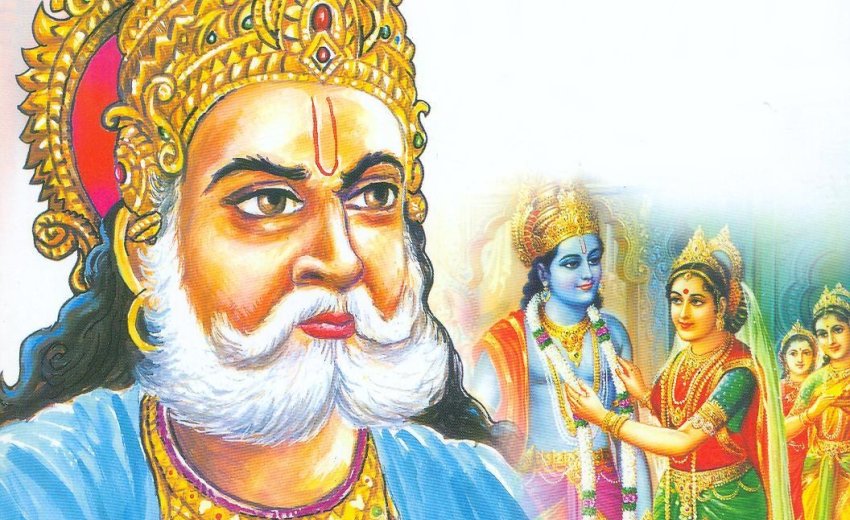
In ancient India there was a King called Janak. One day, after having eaten a filling lunch, King Janak fell asleep and dreamed he had lost a battle, his kingdom and ran for his life to a forest. Now he was hungry and was a beggar looking for food.
Extremely hungry and thirsty, he desperately approached a hut from which an old lady gave him rice & Dal (Lentils) and told him to cook his own meal. King cooked food and as he was about to eat a dog came and snatched his food and ran away.
King suddenly awoke in a sweat. He was in his quiet, serene palace, with a full stomach and servants fanning him. He was then confronted with the question of What was real? Was he a beggar, as in the nightmare, or he is a king?
With this question, King Janak assembled all of his advisors. All attempted to give an explanation, but Janak was not satisfied with any of their answers.
Then a young crooked boy Ashtavakra* entered the court and surprised everyone with the answer: “King Janaka, neither beggar nor emperor is real. You alone are real. You, yourself, are the truth. The you who was present as pure consciousness in the dream state playing the role of the beggar and who is present in the waking state playing the role of the king, this you who witnessed both these states, is your true reality.
Life during the daytime is a day-dream, during the night it is a night-dream. They are both illusions. They are filled with defects and flaws because they constantly change from one thing to another; so they cannot be real. Only you who remain unchanged in all these states are real, free of all change and illusion.”
This was also emphasized in the Gita, where Krishna pointed out the important truth that the world is constantly changing and that the atma alone is real and ever unchanging. Its emphasized by Buddha with concept of Impermanence. It is emphasized by Guru Nanak in the first shloka of the Guru Granth Sahib: Aad Sach, Jugaad Sach, Hai Bhi Sach, Hosi Bhi Sach.
Our current existence is based on a reality that is derived from the five senses (i.e. smell, sight, taste, sound, and touch - Prapanch). The environment created by our senses is perceived as real for as long as we are conscious. But when we are not conscious, such as while dreaming, our sense of reality is entirely different. During a dream, if we are chased by a wild animal, we might become frightened, but as soon as we wake up, that fear would subside, and our instinct to run away would no longer apply. This presents a profound question: which is the stronger reality?
Another version of the story:
“When Ashtavakra entered Janak Raja’s council, the advisors and the rest of the assembly started laughing upon seeing such an odd man. Ashtavakra also began laughing, but his laugh was so pure and innocent that it touched Janak Raja very deeply. Janak Raja’s advisor revealed to him that Ashtavakra was a very renowned sage, of great spiritual knowledge, and should be respectfully welcomed. After Janak Raja offered him a seat, Ashtavakra asked the king the topic of discussion. Janak replied that he originally had one question, but now there were two. First, Janak Raja asked why Ashtavakra had laughed so serenely when he had entered. Ashtavakra briefly replied, “Because you were laughing, I started laughing.” Janak Raja thought that the ascetic must not have realized that the assembly was laughing at him, and so he attempted to explain. “But these people were laughing at your strange way of walking.” Ashtavakra replied, “I took a detour from my pilgrimage into this town thinking that I would find divine people talking about the soul and God, but when I entered, none of you looked at my soul, but rather at my deformed body – you all are still living in body consciousness, and so I was wondering if I had made a mistake coming here. This was why I laughed.” Janak Raja was stunned by the sage’s understanding and quickly apologized on everyone’s behalf.
Janak Raja then explained the situation of his dream and asked the sage which existence was real? Ashtavakra’s simple response impressed the whole assembly. He told Janak Raja, “When you tried to find out which existence was more real, did you consider that both are false? Your existence as a beggar was false and temporary, and so is your time as a king. When you go to Akshardham, you will know your time here as an eighty-year dream. At that time, you will wonder, what was the purpose of coming to earth, and how much of that was really accomplished?”
“Do we all accept that what is here is like a dream and that we are really from Akshardham?” Although we walk and talk, and live our daily lives as if we will be here forever, we must realize that our lives are not permanent. (Hindu scriptures talk about seven people who are immortal, but they too die at aatyantika pralaya or at the time of total destruction. After aatyantika pralaya, only Akshardham exists.) Next, we must accept that we are visitors here, who will go to God’s Abode, which is permanent. Not accepting the reality of Akshardham (and accepting this temporary state as real) is maayaa (illusion)!”
Guru Arjan’s shabad “Mere Laalan Ki Sobha”, sung in Raag Kalyan, offers a profound meditation on spiritual renewal. At its heart is a simple but transformative idea: the glory (sobha) of the Divine Beloved (Laalan) has the power to continuously refresh and color the human mind. The refrain — “Sad navtan man rangi sobha” — conveys this with lyrical clarity: divine beauty is not a one-time experience but a perpetual renewal that saturates the mind in ever-fresh hues.
The concept of navtan (newness) is central here. In a world obsessed with external reinvention — new clothes, careers, and identities — Guru Arjan shifts our attention inward. True renewal, he says, doesn’t come from changing our outer lives but from immersing our minds in the ever-renewing beauty of the Divine. This is not the beauty of ego or performance, but the radiance of presence, of seeing the divine in all things and allowing it to transform our perception.
What’s striking is that even the gods — Brahma, Mahesh (Shiva), the Siddhas, Indra — are described as seekers of this beauty. Brahm Mahes Sidh Mun Indra bhagat daan jas mangee. Guru Arjan reminds us that spiritual renewal is not just for the broken or the beginner — even the highest beings long to taste the joy of devotion, the refreshment of divine praise. Renewal is a universal need.
In Raag Kalyan — a raag of serenity, dusk, and gratitude — this teaching unfolds like evening light: soft, gentle, and inward-turning. The musical mood supports the message that true freshness does not shout. It arises quietly, like a garden after rain. Kalyan means welfare, blessing — and here, renewal is presented not as a burden but as a gift, a natural unfolding for those who stay in tune with the Beloved.
Renewal, Guru Arjan teaches, comes through simran — remembrance of the Divine Name — not as recitation alone, but as a way of life. It is the mind’s daily refresh button. As Bhagat Kabir sings write, Khoj dil har roj — search your heart for the Divine every day. This daily practice is what allows the mind to stay new, alert, and alive to the divine presence.
This kind of renewal is not about erasing the past or escaping suffering. It’s about re-seeing everything — even pain — through the lens of connection, love, and surrender. The saints, Guru Arjan says, are those who live in this way: companions of God, constantly dyed in divine color. They are not better than others, but they are freer — because they live from the heart of sobha, not the shell of ego.
To live in this way is to bloom always. Not only in spring, not only in joy, but in every breath, with every turn of the mind toward the Divine.
Notes For Discussing Sobha Mere Laalan Ki
Discussion during Graduation Season
Graduation Lessons:
The two most important days in any one's life: one is the day they were born, and the second is the day they find out why.
How to graduate?
Renew yourself
I You are not in control. Accept.
>Brahm Mahesh
Obama said: “As we get older, we learn we don’t always have control of things — not even a president does. But we do have control over how we respond to the world. We do have control over how we treat one another.”
It is difficult. Because you want to be in control.
1. Sab Ko Terai Jor - Sri
2. Aakhan Aukha Saacha Nao
II Keep good company
> Kaho Nanak
> Man - Keep Guru in the heart
1. Chaar Padarath
2. Bisar Gayi
1. Simar Mana Raam Naam - Bilawal
III Remember, remind yourself. Simran. All the time.
> Sad
1. Saas Saas Simro - Gauri
IV Singing means seeing the beauty - Sobha
Not just accept, singing of oneness. Day and night see the beauty. Wake up with hope, and sleep with thanks.
V Love is the only path
> Laalan
1. Jim Prem Kiyo Tin hi Prabh Payo
2. Karima Rahima Allah Tu Gani
3. Mithbolra - Suhi
Conclusion: See oneness in all
1. Prabh paas jan ki
Research on the Shabad "Mere Laalan Ki Sobha"
O the glory of my love!
Glory continuously renewing my mind!
Sobha -
Beauty; satyam shivam sundaram
But there is a problem with the beauty
Especially the beauty that we see in the world
Brahma, Mahesh, Sidha Munna, Indra
Jog, Gyan, Dhyan, Sekhnage
The beauty that we see in the world
and the beauty that we can imagine
let us imagine Brahma who spoke all the vedas
is still dependent on someone else
There is something bigger than us
that there is infinity in space and time
The real beauty is in the company of the saints
because saints are like flowers
they do not have egos
when the season comes they flower
and when the season goes they give everything
they have for the development of the others
dekh phool phool phoolai
and in doing so they are with oneness
they are with infinity -
Ja Tu Mere Val Hai
Lakh chaurasi medni, sabh sev karanda
the difference between real beauty
and temporary beauty is ego
Jenko apni sobha lorai, sadh sang eh haumai chhorai
that way they become beautiful
What simran provides is
continuous renewal
and simran is not just saying
something from your voice
or singing sweet - although it doesnt hurt
Guru Tegh Bahadur
when I What is this shabad aboue: Newness and Navtan versus puratan
Navtan has the same origin as new
It means new. Compared to puratan which means old.
Examples of renewal
Renewal is abundant in the world. Everything is changing.
Survival of the fittest and natural selection per Darwin shows how species can renew themselves. How did fish develop legs and the evaporating pool theory.
People don't want to renew
Aankhan aukha Saacha nau
The reality of truth is that renewal happens. Those who don't renew end up being dead. Those who don't renew their minds are spiritually dead.
A story about the Isle De Jean Charles - an island of the coast of Louisiana. It is drowning slowly under water. It might be the first community with "climate refugees". But there are some folks who don't want to move. They don't want to change. They are attached to their land. They are attached to the stories of their ancestors.
Even the best and brightest need renewal
Brahma and Mahadev.
Why do we need renewal? What happens when renewal happens?
To keep going. You need to refresh. Otherwise you are bogged down. The feeling that everything is new - exciting - chardi kala.
Everything in this world is new. Everything is different. Difference is what makes it exciting. It makes life fun.
Only a few do something new. Most people are copycats. Whether it is art music or work. Lifestyle or vacation. There is much copying.
When you start a new year you make resolutions. When you restart your life you also make promises. You forgive and forget what happened in the past. You have a new hope. Once vivekananda was asked by an American boy - what is worse than losing your girlfriend, and he responded losing the hope that you will have another. A restart is important so many times. It gives you new hope.
Lets say there is a bank screen. You are going to notice the thing that changes the most. Whether its the color or the position. Whichever thing changes the most. Even if you have a beautiful diamond on a picture, after a while a still image with no changes becomes boring. You notice what changes, what moves.
What needs the renewal?
Lady Gaga and Madonna are known for reinventing themselves. Lady Gaga once said about Madonna: “She reinvents herself from album to album. I reinvent myself week to week. I get quite bored with things and I don't want to let down my fans.” They are successful as artists.
Thats the first kind of two renewals. The first is when you do it outside in. It is temporary. It comes off. What does not come off is the transformation that is done from inside out. Therefore it acts first on the "Man" - for sake of simplicity lets call it mind.
Advice on renewal comes from other scriptures too:
Romans 12:2
New International Version (NIV)
Do not conform to the pattern of this world, but be transformed by the renewing of your mind. Then you will be able to test and approve what God’s will is—his good, pleasing and perfect will.
Ephesians 4:23
Amplified Bible (AMP)
and be continually renewed in the spirit of your mind [having a fresh, untarnished mental and spiritual attitude],
How is the renewal done: You have to press that refresh button of your mind. Otherwise whats on the mind's screen is outdated and stale, and it causes dissatisfaction.
You have be colored in the color of One! That is how renewal happens.
The closer you are to ekonkaar the fresher you are. But there are so many distractions in life. To remain fresh you have to remember all the time. You have to remind yourself incessantly. "Khoj dil har roj". Discover within your heart everyday.
You have to give up the load that you have been carrying from the past. You have to shed all the weight to start the renewal process.
Five Thieves: Kaam Krodh Lobh Moh Ahankar
The mind has to be changed
Kaam and Raam
Krodh and Daya
Ahankaar and Nirankaar
Jealousy and Gratitude
In other words, you have to make yourself ungreat again. Go back to your roots. When you were a speck even in your own perspective. You will appear a smaller speck in the universe's perspective.
Loose Control
You don't have control about what will happen to you. Even great sages, and the devas of the Hindu pantheon don't have complete control. Brahma has control only only making; Shiva on destroying, Indra on rain. They don't have complete control. There is a bigger force encompassing all of us that has complete control.
Have Gratitude
denda de lende thak pahi
The giver continues to give
Receivers grow wary
The giver of all does kalyan. He bestows all kinds of gifts upon us. But instead of being thankful we want something else. Guru Arjan is different. He is always newly colored by the love of Waheguru.
How did Dada Chelaram do it?
We forget about our gifts. In spite of being thankful for what we have, we often complain about what we don't have.
How did Ernest Hemingway do it?
I read a report in NY Times by David Brooks who went to see the house of celebrated American writer Ernest Hemingway when he was living in Havana, Cuba: Getting to Zero
This is a process that we might call “getting to zero,” when an artist — or anyone, really — digs through all the sap that gets encrusted around a career or relationship and retouches the intrinsic impulse that got him or her into it in the first place. Hemingway’s career got overlayered by money, persona and fame, but sometimes even at this late stage he was able to reconnect with the young man’s directness that produced his early best work
Hemingway was a man who embraced every self-indulgence that can afflict a successful person. But at moments he shed all that he had earned and received, and rediscovered the hard-working, clear-seeing and unadorned man he used to be.
We need to retouch our intrinsic impulses. We need to reconnect with our higher beings. We need to rediscover our true selves. We need to renew ourselves and the results are amazing.
How did I do it?
Anything that we repeat can be transformative. This poem transformed me. I have made a lot of friends from strangers who I've met on plane journeys. It also reminds me of Guru Arjan's words, "I have no enemy, I have no stranger".
When do we need renewal
When do we need to replace the sheet. When it can't do its purpose. When do we need to replace a phone. When it stops working. Renewal is needed when the purpose is lost. As soon as you forget that the purpose of life is to sing, you need a renewal. You need to remind yourself of the song that you are meant to sing in this world.
You need renewal always because as soon as you forget your purpose it is as good as dying. Akhaan jeevan visrai mar jaon.
Just like vacation increases the productivity at work?
You need renewal when you are successful. You need renewal after your failings.
In other words you need it always. You need it continuously.
If You will bless me with happiness, then I will worship and adore You. Even in pain, I will meditate on You. ||2||
Even if You give me hunger, I will still feel satisfied; I am joyful, even in the midst of sorrow. ||3||
So the answer is always. Continuously. And most importantly Now. Renewal is needed now.
Conclusion
In the end what I learn from this Shabad is that the singing of the glory of God, the remembrance of his virtues and their internalization in our mind, renews our mind.
I learn that Gurbani can be life transforming, only if we open the doors of our hearts.
"Everything changes but change itself." -Heraclitus Acceptance of change is acceptance of hukam.
The mind has a lot of choices. The beauty of unity colors the mind with new colors every moment.
It can be transforming if you realize the sobha, or the beauty of ekonkar. It can be transforming if you realize that a bigger power controls. The beauty and awesomeness of ekonkar lets you reliquish control. It lets you accept what is happening. It makes you happier. This is the renewal that is seeked in this shabad. Glory is what renews our mind. Glory is what renews us. Sad Natan Man Rangi Sobha.
We need the renewal all the time.
Shabads Imploring Searching Inside/Self
Nau nidh amrit prabh ka naam, Dehi main iska bisraam - Maskeen ji Notes
Nānak parkẖe āp ka-o ṯā pārakẖ jāṇ. Rog ḏārū ḏovai bujẖai ṯā vaiḏ sujāṇ. Vāt na kar-ī māmlā jāṇai mihmāṇ. Mūl jāṇ galā kare hāṇ lā-e hāṇ. Lab na cẖal-ī sacẖ rahai so visat parvāṇ. Sar sanḏẖe āgās ka-o ki-o pahucẖai bāṇ. Agai oh agamm hai vāheḏaṛ jāṇ. ||2|| (SGGS148)
The bani of Second Nanak.
In essence: Oh Nanak! If a man assesses his “inner self”, only then he should be called an assessor. If one understands and diagnoses the disease and gives its medicine, one should be considered a shrewd physician. One should not involve in strife; instead one should live like a guest here. One should know Akalpurakh, the origin of all; one should live in the company of likewise devotees. If one does so, one doesn’t hold on to avarice but remains imbued with Akalpurakh. Thus, one becomes broker for others to bring them close to Akalpurakh. Such a broker becomes accepted one. If an arrow is aimed in the sky, which is inaccessible, what can it hit? It will fall back on the archer (because of his ignorance).
You are me, and I am You—what difference is there between us?
ਕਨਕ ਕਟਿਕ ਜਲ ਤਰੰਗ ਜੈਸਾ ॥੧॥
No more than between a gold necklace and the gold, or a wave and the water. ||1||
ਜਉ ਪੈ ਹਮ ਨ ਪਾਪ ਕਰੰਤਾ ਅਹੇ ਅਨੰਤਾ ॥
If I had not committed sin, O Endless One,
ਪਤਿਤ ਪਾਵਨ ਨਾਮੁ ਕੈਸੇ ਹੁੰਤਾ ॥੧॥ ਰਹਾਉ ॥
how would Your Name be known as the purifier of the fallen? ||1|| Pause ||
ਤੁਮ੍ਹ੍ਹ ਜੁ ਨਾਇਕ ਆਛਹੁ ਅੰਤਰਜਾਮੀ ॥
You are the Master, dwelling within—the Knower of all hearts;
ਪ੍ਰਭ ਤੇ ਜਨੁ ਜਾਨੀਜੈ ਜਨ ਤੇ ਸੁਆਮੀ ॥੨॥
the devotee is recognized through God, and God is known through the devotee. ||2||
ਸਰੀਰੁ ਆਰਾਧੈ ਮੋ ਕਉ ਬੀਚਾਰੁ ਦੇਹੂ ॥
Let this body adore You—grant me discerning insight;
ਰਵਿਦਾਸ ਸਮ ਦਲ ਸਮਝਾਵੈ ਕੋਊ ॥੩॥
may someone teach Ravidas the even state of equality (equipoise). ||3||
This is a metaphysical poem by Emily Dickinson ... she starts saying that the brain is wider than the sky. I would have used the word "mind" instead of brain to equate it to the eastern "man." She is basically saying that the mind has this immense capacity. It is larger than the sky because you can put the sky in your mind and it still has space for yourself. It is also larger than the sea as it can absorb the sea like sponges and buckets can absorb water. The mind can only be equated to God. What is the difference between the two ... just like the syllable and sound!
This reminds me of Bhagat Ravidas's poem, Tohi Mohi:
You are me, and I am You; what is the difference? Like gold and bracelet, or ocean and wave.
- Bhagat Ravidas
The Poem
The brain is wider than the sky, For, put them side by side, The one the other will include With ease, and you beside.
The brain is deeper than the sea, For, hold them, blue to blue, The one the other will absorb, As sponges, buckets do.
The brain is just the weight of God, For, lift them, pound for pound, And they will differ, if they do, As syllable from sound.
ਸਿਰੀਰਾਗੁ ॥ सिरीरागु ॥ Sirīrāg. Sree Raag:
ਤੋਹੀ ਮੋਹੀ ਮੋਹੀ ਤੋਹੀ ਅੰਤਰੁ ਕੈਸਾ ॥ तोही मोही मोही तोही अंतरु कैसा ॥ Ŧohī mohī mohī ṯohī anṯar kaisā. You are me, and I am You-what is the difference between us?
ਕਨਕ ਕਟਿਕ ਜਲ ਤਰੰਗ ਜੈਸਾ ॥੧॥ कनक कटिक जल तरंग जैसा ॥१॥ Kanak katik jal ṯarang jaisā. ||1|| We are like gold and the bracelet, or water and the waves. ||1||
ਜਉ ਪੈ ਹਮ ਨ ਪਾਪ ਕਰੰਤਾ ਅਹੇ ਅਨੰਤਾ ॥ जउ पै हम न पाप करंता अहे अनंता ॥ Ja▫o pai ham na pāp karanṯā ahe ananṯā. If I did not commit any sins, O Infinite Lord,
ਪਤਿਤ ਪਾਵਨ ਨਾਮੁ ਕੈਸੇ ਹੁੰਤਾ ॥੧॥ ਰਹਾਉ ॥ पतित पावन नामु कैसे हुंता ॥१॥ रहाउ ॥ Paṯiṯ pāvan nām kaise hunṯā. ||1|| rahā▫o. how would You have acquired the name, 'Redeemer of sinners'? ||1||Pause||
ਤੁਮ੍ਹ੍ਹ ਜੁ ਨਾਇਕ ਆਛਹੁ ਅੰਤਰਜਾਮੀ ॥ तुम्ह जु नाइक आछहु अंतरजामी ॥ Ŧumĥ jo nā▫ik ācẖẖahu anṯarjāmī. You are my Master, the Inner-knower, Searcher of hearts.
ਪ੍ਰਭ ਤੇ ਜਨੁ ਜਾਨੀਜੈ ਜਨ ਤੇ ਸੁਆਮੀ ॥੨॥ प्रभ ते जनु जानीजै जन ते सुआमी ॥२॥ Parabẖ ṯe jan jānījai jan ṯe su▫āmī. ||2|| The servant is known by his God, and the Lord and Master is known by His servant. ||2||
ਸਰੀਰੁ ਆਰਾਧੈ ਮੋ ਕਉ ਬੀਚਾਰੁ ਦੇਹੂ ॥ सरीरु आराधै मो कउ बीचारु देहू ॥ Sarīr ārāḏẖai mo ka▫o bīcẖār ḏehū. Grant me the wisdom to worship and adore You with my body.
ਰਵਿਦਾਸ ਸਮ ਦਲ ਸਮਝਾਵੈ ਕੋਊ ॥੩॥ रविदास सम दल समझावै कोऊ ॥३॥ Raviḏās sam ḏal samjẖāvai ko▫ū. ||3|| O Ravi Daas, one who understands that the Lord is equally in all, is very rare. ||3||
Gurbani and Vedas can often used shared wisdom that has been coming down since generations. It is just presented in an easier language. The references in Gurbani are generally consistent with the Advaita philosophy. For example, the concept of a rope being mistaken for a snake is often used to indicate lack of knowledge both in Advaita Vedanta and Gurbani.
Rāj bẖuiang parsang - Bhagat Ravidas
Rāj bẖuiang parsang jaise hėh ab kacẖẖ maram janāiā.
Like the story of the rope mistaken for a snake, the mystery has now been explained to me.
अज्ञानमिति च रज्जौ सर्पभ्रान्तिरिवाद्वितीये सर्वानुस्यूते सर्वमये ब्रह्मणि देवतिर्यङ्नरस्थावरस्त्रीपुरुषवर्णाश्रम -बन्धमोक्षोपाधिनानात्मभेदकल्पितं ज्ञानमज्ञानम् ॥ १४ ॥
Ignorance is the illusory knowledge – like that of the snake in the rope – of Brahman that is All in all, all-pervasive and non-dual. (This illusory knowledge) is associated with a plurality of selves based on the plurality of the adjuncts of bondage and liberation, viz.; stations in life, castes, men, women, the immobiles, mankind, (lower) animals and gods.
Full Shabad
ਮਾਧਵੇ ਕਿਆ ਕਹੀਐ ਭ੍ਰਮੁ ਐਸਾ ॥
माधवे किआ कहीऐ भ्रमु ऐसा ॥
Māḏẖve kiā kahīai bẖaram aisā.
O Lord, what can I say about such an illusion?
ਜੈਸਾ ਮਾਨੀਐ ਹੋਇ ਨ ਤੈਸਾ ॥੧॥ ਰਹਾਉ ॥
जैसा मानीऐ होइ न तैसा ॥१॥ रहाउ ॥
Jaisā mānīai hoe na ṯaisā. ||1|| rahāo.
Things are not as they seem. ||1||Pause||
ਨਰਪਤਿ ਏਕੁ ਸਿੰਘਾਸਨਿ ਸੋਇਆ ਸੁਪਨੇ ਭਇਆ ਭਿਖਾਰੀ ॥
नरपति एकु सिंघासनि सोइआ सुपने भइआ भिखारी ॥
Narpaṯ ek singẖāsan soiā supne bẖaiā bẖikẖārī.
It is like the king, who falls asleep upon his throne, and dreams that he is a beggar.
ਅਛਤ ਰਾਜ ਬਿਛੁਰਤ ਦੁਖੁ ਪਾਇਆ ਸੋ ਗਤਿ ਭਈ ਹਮਾਰੀ ॥੨॥
अछत राज बिछुरत दुखु पाइआ सो गति भई हमारी ॥२॥
Acẖẖaṯ rāj bicẖẖuraṯ ḏukẖ pāiā so gaṯ bẖaī hamārī. ||2||
His kingdom is intact, but separated from it, he suffers in sorrow. Such is my own condition. ||2||
ਰਾਜ ਭੁਇਅੰਗ ਪ੍ਰਸੰਗ ਜੈਸੇ ਹਹਿ ਅਬ ਕਛੁ ਮਰਮੁ ਜਨਾਇਆ ॥
राज भुइअंग प्रसंग जैसे हहि अब कछु मरमु जनाइआ ॥
Rāj bẖu▫i▫ang parsang jaise hėh ab kacẖẖ maram janā▫i▫ā.
Like the story of the rope mistaken for a snake, the mystery has now been explained to me.
ਅਨਿਕ ਕਟਕ ਜੈਸੇ ਭੂਲਿ ਪਰੇ ਅਬ ਕਹਤੇ ਕਹਨੁ ਨ ਆਇਆ ॥੩॥
अनिक कटक जैसे भूलि परे अब कहते कहनु न आइआ ॥३॥
Anik katak jaise bẖūl pare ab kahṯe kahan na āiā. ||3||
Like the many bracelets, which I mistakenly thought were gold; now, I do not say what I said then. ||3||
ਸਰਬੇ ਏਕੁ ਅਨੇਕੈ ਸੁਆਮੀ ਸਭ ਘਟ ਭੋੁਗਵੈ ਸੋਈ ॥
सरबे एकु अनेकै सुआमी सभ घट भोगवै सोई ॥
Sarbe ek anekai suāmī sabẖ gẖat bẖogvai soī.
The One Lord is pervading the many forms; He enjoys Himself in all hearts.
ਕਹਿ ਰਵਿਦਾਸ ਹਾਥ ਪੈ ਨੇਰੈ ਸਹਜੇ ਹੋਇ ਸੁ ਹੋਈ ॥੪॥੧॥
कहि रविदास हाथ पै नेरै सहजे होइ सु होई ॥४॥१॥
Kahi Raviḏās hāth pai nerai sėhje hoe so hoī. ||4||1||
Says Ravi Daas, the Lord is nearer than our own hands and feet. Whatever will be, will be. ||4||1||
Rope and snake analogy in the Upanishads
Here are the Upanishads in which the rope-snake example is used. Some of them are clearly in the context of the creation itself while others are in the context of mokShakAraka jnAna. These all occur in Muktika's list of 108 Upanishads.
*Niralambopanishad* अज्ञानमिति च रज्जौ सर्पभ्रान्तिरिवाद्वितीये सर्वानुस्यूते सर्वमये ब्रह्मणि देवतिर्यङ्नरस्थावरस्त्रीपुरुषवर्णाश्रमबन्धमोक्षोपाधिनानात्मभेदकल्पितं ज्ञानमज्ञानम् ॥ १४ ॥ And [as to what is] Ignorance (अज्ञान) is [answered as follows]: Ignorance is the [delusory] knowledge, [that causes] superimposition of varieties of non-selves based on the manifold adjuncts, gods, animals, immovable (trees), women, men, varNas, stages of life, bondage and liberation, upon Brahm (ब्रह्म), like that of snake in the rope.
*Yogakundalinyupanishad Translated by K. Narayanasvami Aiyar* जायाभवविनिर्मुक्तिः कालरूपस्य विभ्रमः । इति तं स्वस्वरूपा हि मती रज्जुभुजङ्गवत् ॥ ७९॥ 1.79: Like the conception of the snake in a rope, so the idea of the release from life and Samsara is the delusion of time.
*Tejobindupanishad Translated by K. Narayanasvami Aiyar* गगने नीलिमासत्ये जगत्सत्यं भविष्यति । शुक्तिकारजतं सत्यं भूषणं चेज्जगद्भवेत् ॥ ७६ ॥ रज्जुसर्पेण दष्टश्चेन्नरो भवतु संसृतिः । जातरूपेण बाणेन ज्वालाग्नौ नाशिते जगत् ॥ ७७ ॥ 4/6.76-77 (continues till 98): When the blueness of the sky really exists in it, then the universe really is. When the silver in mother-of pearl can be used in making an ornament, when a man is bitten by (the conception of) a snake in a rope, when the flaming fire is quenched by means of a golden arrow, ... then the world really is.
*Rudrahridayopanishad* यः सर्वज्ञः सर्वविद्यो यस्य ज्ञानमयं तपः । तस्मादत्रान्नरूपेण जायते जगदावलिः ॥ ३३॥ सत्यवद्भाति तत्सर्वं रज्जुसर्पवदास्थितम् । तदेतदक्षरं सत्यं तद्विज्ञाय विमुच्यते ॥ ३४॥ 33-35: From that all-knowing, omniscient Lord, whose being endowed with knowledge itself is the penance [=visualisation], the whole world is created in the form of food [that is consumed by all sense organs]. That entire [world] shines [=appears] as-if real, superimposed [on the Lord] just like a rope on a snake. That is this imperishable reality, knowing which, one is liberated.
*Nirvanopanishad Translated by Prof. A. A. Ramanathan* अनित्यं जगद्यज्जनितं स्वप्नजगदभ्रगजादितुल्यम् । तथा देहादिसंघातं मोहगुणजालकलितं तद्रज्जुसर्पवत्कल्पितम् । 28. The phenomenal world is impermanent as it is produced [from Brahman which alone is real]; it is similar to a world seen in a dream and an [illusory] elephant in the sky; similarly, the cluster of things such as the body is perceived by a network of a multitude of delusions and it is fancied to exist as a serpent in a rope.
*Nadabindupanishad Translated by K. Narayanasvami Aiyar* अज्ञानं चेति वेदान्तैस्तस्मिन्नष्टे क्व विश्वता । यथा रज्जुं परित्यज्य सर्पं गृह्णाति वै भ्रमात् ॥ २६ ॥
26 (1/2) -27. As a person through illusion mistakes a rope for a serpent, so the fool not knowing the eternal truth sees the world [to be true]. When he knows it to be a piece of rope, the illusory idea of a serpent vanishes.
*Katharudropanishad Translated by Prof. A. A. Ramanathan* ब्रह्मभूतात्मनस्तस्मादेतस्माच्च्ह्क्तिमिश्रितात् । अपञ्चीकृत आकाशसंभूतो रज्जुसर्पवत् ॥ १३॥
13/17. From this Self which is one with Brahman and which is possessed of Maya power arose the unmanifest Akasa like a rope-serpent.
*Atmabodhopanishad **Translated by Dr. A. G. Krishna Warrier* विवेकयुक्तिबुद्ध्याहं जानाम्यात्मानमद्वयम् । तथापि बन्धमोक्षादिव्यवहारः प्रतीयते ॥ ११॥ निवृत्तोऽपि प्रपञ्चो मे सत्यवद्भाति सर्वदा । सर्पादौ रज्जुसत्तेव ब्रह्मसत्तैव केवलम् ॥ १२॥ प्रपञ्चाधाररूपेण वर्ततेऽतो जगन्न हि । यथेक्षुरससंव्याप्ता शर्करा वर्तते तथा ॥ १३॥
II-1-11-13. I know myself without a second, with discrimination. Even then bondage and liberation are experienced. The world has gone away that appears to be real like serpent upon rope; only Brahman exists as the basis of the world; therefore the world does not exist; like sugar pervaded by the taste of the sugarcane, I am pervaded by bliss. All the three worlds, from Brahma to the smallest worm are imagined in me.
*Atmopanishad Translated by Dr. A. G. Krishna Warrier* अमुष्य ब्रह्मभूतत्त्वाद्ब्रह्मणः कुत उद्भवः । मायाक्लृप्तौ बन्धमोक्षौ न स्तः स्वात्मनि वस्तुतः ॥ २६॥ यथा रज्जौ निष्क्रियायां सर्पाभासविनिर्गमौ । अवृतेः सदसत्त्वाभ्यां वक्तव्ये बन्धमोक्षणे ॥ २७॥ नावृत्तिर्ब्रह्मणः क्वाचिदन्याभावादनावृतम् । अस्तीति प्रत्ययो यश्च यश्च नास्तीति वस्तुनि ॥ २८॥
II-26-27(a). Because that Yogin has become Brahman, how can Brahman be reborn? Bondage and liberation, set up by Maya, are not real in themselves in relation to the Self, just as the appearance and disappearance of the snake are not in relation to the stirless rope.
*Annapurnopanishad* रज्जुसर्पदर्शनेन कारणाद्भिन्नजगतः सत्यत्वभ्रमो निवृत्तः ॥ १.१६॥ 1.10 The delusion of the reality of the world, as different from its cause, is negated, by [way of example of negation of] the vision of the snake in the rope [as different from its cause].
*Annapurnopanishad Translated by Dr. A. G. Krishna Warrier* अधिष्ठाने परे तत्त्वे कल्पिता रज्जुसर्पवत् । कल्पिताश्चर्यजालेषु नाभ्युदेति कुतूहलम् ॥४.१०॥ 4.10. (The whole world) is superimposed on the supreme Reality, the Ground, as the snake is on the rope. No curiosity is aroused as regards these superimposed wonders.
Like the story of the rope mistaken for a snake,the mystery has now been explained to me. Like the many bracelets, which I mistakenly thought were gold; now, I do not say what I said then (sggs 658). <><><><>
"Rope mistaken for a snake" — what is the story behind this mystic expression the Gurbani (SGGS) talks about here? The Absolute Truth is explained and reinforced by the teachers and the scriptures for our understanding through different similes, allegories, metaphors, figurative or mystic representations, illustrations and analogies. One such analogy involves the rope and the snake. Having properly understood, such analogies enable the spiritual seekers remove mental distortions (Doojaa Bhaav or duality) and realize the One Reality - the Unconditioned Consciousness - that underlies the apparent diversity.
Divine Kowledge (Aatam-Giaan) is the one means for liberation from ignorance of our True Identtity, the Mool within (Source, Origin, Jot...). With the dawn of the pure Knowledge (Spiritual Wisdom, Gurmat...), one comes to realize that Mool alone is Real and all else is perishable. But, what is Knowledge?
The dawn of the Divine Knowledge really means the rediscovery of the Mool within (Source, Origin, Jot...), which has never been nonexistent. Freedom of the individual being (Jeeva) from all its sense of material bondage is possible only when such Pure Knowledge of our True Nature (Joti-Svaroopa, Mool...) is realized, or the glory of our True Identity rediscovered. The Gurbani tells us that without such Intuitive Wisdom we are mere dead bodies in the world.
ਸਤਿਗੁਰੁ ਜਿਨੀ ਨ ਸੇਵਿਓ ਸਬਦਿ ਨ ਕੀਤੋ ਵੀਚਾਰੁ ॥ ਅੰਤਰਿ ਗਿਆਨੁ ਨ ਆਇਓ ਮਿਰਤਕੁ ਹੈ ਸੰਸਾਰਿ ॥: Satigur jinee n sevio sabadi n keeto Veechaar. Antar giaan na aaio miratak hai sansaar: They who do not serve the Satguru (via Naam-Simran) and do not ponder over the Shabad (Shabad-Vichaar, contemplation on the Shabad, reflection on the Shabad, etc.), obtain not Divine Knowledge (Wisdom, Giaan, etc.) within (ਹਿਰਦੇ ਵਿਚ ਸੱਚਾ ਚਾਨਣ ਨਹੀਂ ਹੋਇਆ) and (they may appear as alive in the world, but) are as dead in the world (sggs 88).
Knowledge alone destroys the ignorance as light destroys deep darkness. The purpose of analogy such as the "rope mistaken for a snake" helps us remove the misunderstanding about our True Nature which is Pure Consciousness. Once the misunderstanding is removed, the Mool within (Source, Origin, Jot...) stands revealed within.
Ignorance is nothing but the non-apprehension of greater Reality. This non-apprehension of Reality causes the misapprehension in our life. For example, in darkness when we do not have the true knowledge of a rope, we may misunderstand it to be either a snake, or a piece of stick, or a streak of water, or a crack in the ground, and so on. Thus, due to initial non-apprehension of the rope, we could have misapprehensions of the various other objects superimposed on the rope.
ਰਾਜ ਭੁਇਅੰਗ ਪ੍ਰਸੰਗ ਜੈਸੇ ਹਹਿ ਅਬ ਕਛੁ ਮਰਮੁ ਜਨਾਇਆ ॥ ਅਨਿਕ ਕਟਕ ਜੈਸੇ ਭੂਲਿ ਪਰੇ ਅਬ ਕਹਤੇ ਕਹਨੁ ਨ ਆਇਆ ॥: Raaj bhuiang prasangi jaise hahi ab kashu maramu janaaiaa. Anik katak jaiase bhooli pare kahate kahanu n aaiaa ||3||: As is the story of the rope and the snake (i.e., rope mistaken for a snake in darkness), some mystery has now been explained (to me). Like the many bracelets (made of gold), which were mistakenly thought (of separate or different from the gold); now, (I) do not say that (sggs 658).
Likewise, in ignorance the Mool within (Source, Origin, Jot...) has been imagined as the false ego, the mind, the intellect, the body, the senses, and so on. Thus, being attached to the ignorance of our Essential Nature, we are fallen into deep sleep of illusion. Consequently, we are unable to apprehend the Reality. Because of such misunderstanding and consequent superimpositions, we suffer under the ignorance about the Truth of our Mool.
The Mool within (Source, Origin, Jot...) , we superimpose upon It certain conditioning. When the contamination caused by the false limitations is removed, Mool is realized and discovered as the One Timeless Spirit, which runs through All. Just as once the darkness is removed, the rope alone remains; the snake disappears. For we know that the rope alone is real, not the snake; however, it was our non-apprehension of the rope that gave rise to the misapprehension of the snake. ਸਕਤਿ ਅਧੇਰ ਜੇਵੜੀ ਭ੍ਰਮੁ ਚੂਕਾ ਨਿਹਚਲੁ ਸਿਵ ਘਰਿ ਬਾਸਾ ॥: Sakti adher jevarhee bhram chookaa nihchal siv ghari vaasaa ||: In the darkness of Maya, I mistook the rope for the snake, but that is over, and now I dwell in the eternal home of the Lord (sggs 332).An another example may help us understand this point further. In the dark, a pole or a post may be mistaken for a ghost. As the darkness is removed, the ghost disappears; only the pole remains as reality. Ignorance begets false ego. Due to our ignorance of the rope and the pole, we superimposed our false egoistic ideas on the reality, that is, the rope and the pole. The result was that our non apprehension of the reality (i.e., rope and the pole) caused its misapprehension into a snake and a ghost.
Similarly, the Mool within (Source, Origin, Jot...) alone is Real. However, our non apprehension of this Changeless Reality causes Its misapprehension into a phenomenal world. Thus, under the influence of imaginary limitations, we forget Reality and acts as our existence is separate from the glorious Reality which illumines life. ਆਤਮ ਦੇਉ ਦੇਉ ਹੈ ਆਤਮੁ ਰਸਿ ਲਾਗੈ ਪੂਜ ਕਰੀਜੈ ॥੧॥: Atam deou deou hai aatam ras laagai pooj kareejai: The soul is divine; divine is the soul. Worship Him with love (sggs 1325). ਚੇਤਿ ਸੁਚੇਤ ਚਿਤ ਹੋਇ ਰਹੁ ਤਉ ਲੈ ਪਰਗਾਸੁ ਉਜਾਰਾ ॥: Chet suchet chit hoyi rahu tayu lai pargaas ujaaraa: When you are conscious in your Consciousness, you will be enlightened and illuminated (sggs 339). ਆਤਮ ਮਹਿ ਪਾਰਬ੍ਰਹਮੁ ਲਹੰਤੇ ॥: Aatam mahi paarbraham lahante: Within the Soul, find the Supreme Lord (sggs 276). ਆਤਮੁ ਚੀਨੈ ਸੁ ਤਤੁ ਬੀਚਾਰੇ ॥: Aatam cheenai su tatt beechaarae: One who understands his own Soul, contemplates the essence of Reality (sggs 224). ਆਤਮ ਰਾਮੁ ਰਾਮੁ ਹੈ ਆਤਮ ਹਰਿ ਪਾਈਐ ਸਬਦਿ ਵੀਚਾਰਾ ਹੇ ॥੭॥: Aatam Raam Raam hai aatam Hari paaeeai Sabad veechaaraa he ||7||: The soul is God, and God is the soul; by engaging in the Shabad Vichaar, God is found ||7|| (sggs 1030). ਆਤਮੇ ਨੋ ਆਤਮੇ ਦੀ ਪ੍ਰਤੀਤਿ ਹੋਇ ਤਾ ਘਰ ਹੀ ਪਰਚਾ ਪਾਇ ॥: Aatame no aatame dee prateeti hoi taa ghar hee parachaa paai: If the individual soul has faith in the Supreme Soul, then it will obtain realization within its own Home, within (sggs 87).
In all the forgoing cases of delusory superimpositions such as sanke-vision in a rope or a ghost-vision in a post, the cause for the illusion (Bharam) is in the accidental non-apprehension of the Real, which gives rise to misapprehension. In the absence of truth, we cannot but misinterpret the Reality through our own misguided imaginations, which form the delusory projections.
Our non-apprehension of Reality and the subsequent misapprehensions are together called delusion or Maya. In the examples of the rope and the post, the ignorance of reality (the rope or the post) is Maya, which is the cause of the creation of the frightening snake and the grinning ghost. The impression that "what we deem a thing to be, in reality it's not like that" — the notion that the Mool within (Source, Origin, Jot...) is the body and mind stuff (which it's not) — is what is called false ego. ਮਾਧਵੇ ਕਿਆ ਕਹੀਐ ਭ੍ਰਮੁ ਐਸਾ ॥ ਜੈਸਾ ਮਾਨੀਐ ਹੋਇ ਨ ਤੈਸਾ ॥੧॥ ਰਹਾਉ ॥: Maadhve kiya kaheeyai bhram aisaa. Jaisaa maaneeyai hoi na taisaa ||1||Rahaaou||: O Maadhav! What can I say about this illusion; what we deem a thing to be, in reality, it is not like that ||1||Pause|| (sggs 657). ਹਉਮੈ ਮੋਹੁ ਉਪਜੈ ਸੰਸਾਰਾ ॥: Haumai moh upjai sansaraa: Out of egotistic attachment, the Universe is born (sggs 1057). ਮਿਲਿ ਮਾਇਆ ਸੁਰਤਿ ਗਵਾਈ ॥: Mil Maya surti gavaayee: By associating with the Maya (illusion), the mortal loses Divine Understanding (sggs 989). ਏਹ ਮਾਇਆ ਜਿਤੁ ਹਰਿ ਵਿਸਰੈ ਮੋਹੁ ਉਪਜੈ ਭਾਉ ਦੂਜਾ ਲਾਇਆ ॥: Eh Maya jit Hari visrai moh upjai bhaau dooja laya: This is Maya, by which God is forgotten; emotional attachment and love of duality is born (sggs 921). ਮਾਈ ਮਾਇਆ ਛਲੁ ॥: Maayee Maya Chhall: O my mother, the Maya is deceitful (sggs 717).According to the Gurbani, the essentials of Realization of the Mool within (Source, Origin, Jot...) is knowing that we are not this body and mind stuff but we are different from it. The Mool appears to be a "Jeeva" (individual being) because of ignorance, just as the non-apprehension of the rope caused all the misapprehension about the snake. The misconception was the snake on the rope. When the cause, the misconception dies, then the effect, the snake, also dies.
Similarly, the egocentric individuality dies when the real nature of the "Jeeva" is realized as the Mool within (Source, Origin, Jot...). When the false ego ends, all its effects or byproducts are also removed, which constitutes emancipation from bondage. The scriptures tell us that through discriminative self-analysis (Viveka) and logical inner inquiry (Vichaar), we can separate the Mool within from the body-senses-mind-intellect-equipment as one separates the rice from the husk, bran, etc. ਜਿਨੀ ਆਤਮੁ ਚੀਨਿਆ ਪਰਮਾਤਮੁ ਸੋਈ ॥: Jinee aatam cheeniaa parmaatam soee: Those who understand their own Soul, are themselves the Supreme Soul (sgg 421). ਆਪੁ ਪਛਾਣੈ ਮਨੁ ਨਿਰਮਲੁ ਹੋਇ ॥ ਜੀਵਨ ਮੁਕਤਿ ਹਰਿ ਪਾਵੈ ਸੋਇ ॥: Aap pachhanai man nirmal hoyi. Jeevan mukti har paavai soi: Pure becomes the mind of him, who recognizes his ownself. He is liberated in this life and attains Lord (sggs 161).In the "rope mistaken for a snake" analogy, without the rope, the substratum, the superimposition of the snake on the rope is impossible. Similarly, without the Infinite and Changeless Mool within (Source, Origin, Jot...), the One Homogeneous Being, which is the Substratum of all, even the delusion of the material world is not possible.
The idea is that, in all earnest inquiries by the real seekers of the Truth, ultimately the real Substratum (Adhaar) comes to be discovered; when we discover the snake in the rope, we all know how impermanent, relatively, is the snake-vision. Then, the superimposition, the snake and its fear, are all declared as "false", while, the rope is relatively considered as "Truth".
By the negation of the false and the assertion of the Truth, the superimpositions (conditioning, material contamination, self-limitations, etc.) are destroyed, and what remains over is the Infinite Reality. When the mental distortions cease the world-illusion also ceases, and the mind revert back to its Natural State of Being (Sahaj Avasthaa, ਗਿਆਨ ਅਵਸਥਾ). As the dirt is washed with the dirt, a thorn is removed by another thorn, a poison antidotes poison, similarly, the mind is purified (conquered) by the mind! ਮਨ ਮਹਿ ਮਨੁ ਉਲਟੋ ਮਰੈ ਜੇ ਗੁਣ ਹੋਵਹਿ ਨਾਲਿ ॥: Man mahi man ulto marai je gun hovahi naal: The (lower) mind turns inward, and merges with the (Higher) Mind, when it is with virtue (sggs 935). ਮਨ ਮਹਿ ਮਨੂਆ ਜੇ ਮਰੈ ਤਾ ਪਿਰੁ ਰਾਵੈ ਨਾਰਿ ॥: Man mahi manooyaa je marai taa pir raavai naari: If the (lower) mind within the (Higher) Mind dies, then the Husband Lord ravishes and enjoys His soul-bride (sggs 58). ਨਾਨਕ ਮਨ ਹੀ ਤੇ ਮਨੁ ਮਾਨਿਆ ਨਾ ਕਿਛੁ ਮਰੈ ਨ ਜਾਇ ॥: Nanak man hee te man maaniya na kish marai na jaayi: O Nanak, through the (Higher) Mind, the (lower) mind is satisfied, and then, nothing comes or goes (sggs 514). ਮਾਣਕੁ ਮਨ ਮਹਿ ਮਨੁ ਮਾਰਸੀ ਸਚਿ ਨ ਲਾਗੈ ਕਤੁ ॥: Manak man mahi manu maarsee sach na laagai kat: The Divine Jewel within the (Higher) Mind annihilates the (lower) mind; thus attached to the Truth, it does not wander deluded again (sggs 992).
Although the negation of our false misunderstandings about ourselves is to be pursued, however, after the negation of the false, if we stop right there and do not usher ourselves to go beyond it then our Realization will only be partial.
The Gurbani does not recommend such partial understanding. Instead, the Gurbani wants us to cultivate "ਪੂਰਨ ਬ੍ਰਹਮ ਗਿਆਨੁ" (Pooran Brahm Giaan - complete Brahm Giaan).
For instance, using our example of the "rope mistaken for a snake", the negation of the snake should be immediately followed by the assertion of the positive existence of the rope! Thus, after the delusory beliefs in ourselves are negated, inward Divine Realization is complete only when we come to assert and live the Truth in Itself. This is why Baabaa Nanak says: ਸਚਹੁ ਓਰੈ ਸਭੁ ਕੋ ਉਪਰਿ ਸਚੁ ਆਚਾਰ ॥੫॥: Sachahu orai sabh kayu upari sach aachaar ||5||: Everything is underneath (lower than, ਉਰ੍ਹੇ, …) Truth; the truthful living (living with Truth) is the highest (i.e., the superior form of living, ਸਭ ਤੇ ਉੱਪਰ …) ||5|| (sggs 62).
This is the strength of the Gurbani that lies in its positivity, which leads man away from his present confusions and misunderstandings, and raise him from his sensuous slavery, mental weaknesses and intellectual impotency into the stature of a his real "Joti Svaroop". On apprehension of the Mool within (Source, Origin, Jot...), all our misapprehensions end. ਆਤਮ ਮਹਿ ਪਾਰਬ੍ਰਹਮੁ ਲਹੰਤੇ ॥: Aatam mahi paarbraham lahante: Within the Soul, find the Supreme Lord (sggs 276). ਤੋਹੀ ਮੋਹੀ ਮੋਹੀ ਤੋਹੀ ਅੰਤਰੁ ਕੈਸਾ॥ਕਨਕ ਕਟਿਕ ਜਲ ਤਰੰਗ ਜੈਸਾ ॥: Tohee mohee mohee tohee antar kaisaa. Kanak katik jal trang jaisaa: O Lord, You are me, and I am You — what is the difference between us? We are like gold and the bracelet, or water and the waves (sggs 93). If you know your Soul you know your God (Jallaluddin Rumi).
By careful discrimination, reasoning, or negation (Bibek Budhi) the Bhagats and the Gurus determined the True Nature of the Reality and discussed everlasting Bliss (Anand). No amount of penance or rituals can take us to our Eternal Essence; for penance and rituals cannot destroy the false ego-sense. That can be destroyed only on the direct experience of the Reality resulting from pure Divine Knowledge. Until that is done there cannot be true Peace and Freedom (Mukti) from ignorance.
Consider this little story. Once there was an infant prince who was abducted by a bandit and brought up as his son. After the infant prince grew to adulthood, he was discovered by the King's prime minister who happened to be passing through the jungle. The prime minister identified by the lost prince by the birth marks on his body. The prince was then taken back to the palace. Thus, suddenly, the bandit's son found himself to be a prince! But, as a matter of fact, he always was a prince! But, in ignorance he did not know about it. When the ignorance of his true identity (that he is a prince not a bandit's son) was removed, he realized that he was a prince. That's all. Nothing new was created, added or attained; yet, with the dawn of the True Knowledge, the false disappeared!


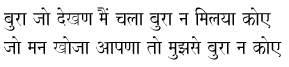


 Singing oneness!


