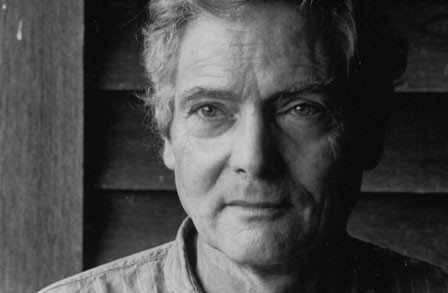
Shivpreet Singh
Shivpreet Singh
  • Home
  • Music
    • Spotify
    • Apple Music
    • Amazon
    • Pandora
    • SoundCloud
    • Google
    • You Tube
      • Music on YouTube
      • Uplifting Shabads
      • Guru Nanak Shabads
      • Meditation & Chanting
      • Shabads for Kids
      • Shabads of Guru Arjan
      • Shabads of Guru Gobind Singh
  • Videos
    • Latest
    • Popular
    • Uplifting
    • Guru Nanak
    • Meditation
    • For Kids
    • Guru Arjan
    • Guru Gobind Singh
  • Projects
    • DhunAnand Foundation
    • Pandemic 2020
    • Guru Nanak 550
    • Namdev 750
    • Thoughts and Ruminations
    • What I Love to Read
  • News
  • Meet Me
    • Meet Me
    • Request
    • Send Email
    • Newsletter
    • FAQs
  • About
    • Biography
    • Photos
    • Music
    • FAQs

I read a poem from Grant Colfax Tullar and I started thinking of how the divine is a weaver.  Let me share some ideas and then I'll shares poems I read around the weaving topic. 

When I think of the Holy at work, I see a loom. Threads cross threads—some bright as festival silk, some dark as monsoon—while we stand beneath the frame, staring at knots and loose ends, unable to read the pattern from the underside. Yet the upper side is held by an unseen Hand, where even the shadowed strands belong to the design. 

A century ago the American hymn writer Grant Colfax Tullar (later popularized by Corrie ten Boom) put it plainly: the dark is as needful as the gold. Emily Dickinson, peering closer, watched a spider spin “continents of light” in an hour—only to have a broom erase the borders. Our work is that fragile; the Weaver’s is not.

Kabir—fifteenth-century poet-saint and literal weaver of Kashi—made this craft a way of seeing. The body is a cloth, finely woven; breath is the shuttle; day and night are warp and weft; the Guru is the beam that keeps the threads true. What we choose to dye the fibers with—ego’s quick colors or the slow, fast dye of the Name—decides whether the fabric runs in the first rain. The knots we tighten become our tangles; the knots we surrender become texture. 

To live by Kabir’s loom is to keep the shuttle moving through grief and gladness alike, trusting that nothing is wasted. One day the loom will fall silent and the cloth will be lifted. May it return to the Giver bright, simple, and whole.


“The Weaver” (Also known as the The Tapestry Poem) by Grant Colfax Tullar (not Corrie ten Boom as often misquoted)

My life is but a weaving
Between my God and me.
I cannot choose the colors
He weaveth steadily.

Oft’ times He weaveth sorrow;
And I in foolish pride
Forget He sees the upper
And I the underside.

Not ’til the loom is silent
And the shuttles cease to fly
Will God unroll the canvas
And reveal the reason why.

The dark threads are as needful
In the weaver’s skillful hand
As the threads of gold and silver
In the pattern He has planned

He knows, He loves, He cares;
Nothing this truth can dim.
He gives the very best to those
Who leave the choice to Him.


The Master Weaver
- Unknown

Our lives are but fine weavings,
that God and we prepare,
each life becomes a fabric planned,
and fashioned in his care . . .

We may not always see,
just how the weavings intertwine,
but we must trust the Master’s hand,
and follow His design.

For He can view the pattern,
upon the upper side,
while we must look from underneath,
and trust in Him to guide.

Sometimes a strand of sorrow,
is added to His plan,
and though it’s difficult for us,
we still must understand.

That it’s He who flies the shuttle,
it’s He who knows what’s best,
so we must weave in patience,
and leave to Him the rest . . .

Not till the loom is silent,
and the shuttles cease to fly,
shall God unroll the canvas,
and explain the reason why.

The dark threads are as needed,
in the Weaver’s skillful hand,
as the threads of gold and silver,
in the pattern He has planned


Poem by Emily Dickinson

The Spider holds a Silver Ball
The spider holds a Silver Ball
In unperceived Hands—
And dancing softly to Himself
His Yarn of Pearl—unwinds—

He plies from Nought to Nought—
In unsubstantial Trade—
Supplants our Tapestries with His—
In half the period—

An Hour to rear supreme
His Continents of Light—
Then dangle from the Housewife's Broom—
His Boundaries—forgot—

Psalm 139:13-17


For you created my inmost being;
you knit me together in my mother’s womb.

I praise you because I am fearfully and wonderfully made;
your works are wonderful,
I know that full well. 

My frame was not hidden from you
when I was made in the secret place.

When I was woven together in the depths of the earth,
your eyes saw my unformed body.

All the days ordained for me
were written in your book
before one of them came to be.

How precious to me are your thoughts, O God!
How vast is the sum of them!

Separation
By W. S. Merwin


Your absence has gone through me
Like thread through a needle.
Everything I do is stitched with its color


Mittar Pyare Nu


Here is the translation of an old bollywood song, sung by Mukesh. Heard this a lot growing up in Delhi ... 


सुहानी चाँदनी रातें, हमें सोने नहीं देती 
तुम्हारे प्यार की बातें, हमें सोने नहीं देती 

तुम्हारी रेशमी ज़ुल्फों में, दिल के फूल खिलते थे 
कही फूलों के मौसम में, कभी हम तुम भी मिलते थे 
पुरानी वो मुलाक़ातें, हमें सोने नहीं देती 

कही ऐसा न हो लग जाये, दिल में आग पानी से 
बदल ले रासता अपना, घटायें मेहरबानी से 
के यादों की ये बरसातें, हमें सोने नहीं देती

Translation

These moonlit lights don't let me sleep
The stories of your love don't let me sleep

During spring when we would meet
Heart flowers would bloom from your silky hair
Thoughts of the times together don't let me sleep

Hearts can burn with this water
O winds please change your direction
As the rains of your memories don't let me sleep


I am listening to, and translating, Sant Singh Maskeen ji's lecture on Ego tonight. He starts by reciting the following Sahaskriti poem by Guru Arjan Dev ji:

hey janam maran moolaN ahaNkaaraN paapaatmaa.
mitraN tajant satraN darirh-aaNt anik maa-yaa bisteerniH.
aavant jaavant thakant jee-aa dukh sukh baho bhognah.
bharam bha-yaan udi-aan ramnaN mahaa bikat asaaDh rognah.
baid-yaN paarbarahm parmaysvar aaraaDh naanak har har haray. ||49||

The root weakness that humans have is ego. Ahankaar.  I am I am I am.  That is the root of all problems. As long as there is ego, there is birth and death of the soul.  Ego is the cause of birth and death. Ego is the root of birth and death.  Guru Nanak has said,

Haume Eha Jaat Hai Haume Karam Kamaye
Haume Ehee Bandanaa Phir Phir Joni Paye

Ego has a character. Whatever man does, he does it because of ego.  Whether he is doing something religious, or he is doing something social, or he is doing something political. Ego is the root. Ego is fused into whatever he is doing. And whatever is done because of ego, causes birth. And birth causes death. And with ego, the cycle is repeated. Birth and death, birth and death, birth and death and so on! So ego initiates a long journey of birth and death.

Guru Arjan Dev ji says,

hey janam maran moolaN ahaNkaaraN paapaatmaa.
O soul of sin, egotism, you are the root of birth and death

Every living creature has its characteristic flaw.  We see for instance, in elephants the disease of sexual desire is prime. In flies, dristha rog (visual disease?) is prime. In fish, rasna rog (disease of taste) is prime. In bumble bees, nasika rog (nasal disease).  In deer, the disease of sound (naad rog) is prime.  Guru Arjan Dev ji says,

Haume rog manukh ko deena
Kaam rog Maigal bas leena
Drishta rog pach muye patanga
Naad rog khap gaye Kuranga
-Bhairav Guru Arjan Dev

These diseases are the cause of bondage. These diseases are the cause of sadness. And the root cause of all human suffering is ego. Ahankaar.

Ahankaar can be present sometimes in a sthool roop, or physical form.  At other times it can take a sooksham roop, or mental/psychological form. Sometimes you have ego about materiality. At other times, one has ego about the height of spirituality. Sometimes there is ego about life, sometimes there is ego about the ways to nirvana. In general, the sthool roop ahankaar is rooted in wealth, youth, beauty, and power.

Joban dhan prabhtaa kai mad main
Ahinas rahey divaanaa
-Dhanasri Guru Tegh Bahadur

Day and night he roams like a mad man. 
In the madness of youth, in the madness of wealth ... 

Wealth can be in your pocket, or it can be in one's thinking. One can be youthful, or one can have the desire to be youthful. One can have political power, or one can have desire for political power. Power makes you mad. Even the thought of power makes you mad. Youth can drive one to madness, but even the thought of youth can drive one to madness. Its the same thing with wealth.  One may have wealth in one's bank, in one's home, or one may have wealth in your thoughts, in your meditation. Man has to become mad as a result! That is why Guru Tegh Bahadur says,

Joban dhan prabhtaa kai mad main
Ahinas rahey divaanaa
-Dhanasri Guru Tegh Bahadur

Man considers himself great. And he considers others small.

Aapas Ko Deeragh Kar Janai
Auran Jo Lag Maat
- Bhagat Kabir in Raag Maru

He considers everyone small. Even if someone is great. Even if he himself is inconsequential, he considers himself great and considers others small. Irani sufi sant Hafiz says,

Dar Mehfile kay khursheed Andar shumaar zarra ast
Khud ra buzurg deedam shartey adab navashad

In whose presence sun is just a particle of sand
You want to be called great?

Thats where lack of wisdom takes man. The higher one's ego, the higher is their lack of wisdom. 

There is a great Urdu poet explains this in a different way:

ilam kay jahool say behtar hai jahool ka ilam
Maine yeh daras paaya apni vaseerat say

The wisdom of stupidity is better than the stupidity of wisdom. If you have become somewhat wise, but then you have become even more egotistic, then ego is proof that wisdom is not in control, it is standing on stupidity, it is standing on ego. Ego stands on stupidity. That wise person is unwise if he has ego. 

Bhagat Ravidas ji says it very beautifully:

Hum Bad Kab Kuleen Hum Pandit 
Hum Jogi Sanyasi
Gyani Guni Sur Hum Daate 
Eh Budh Kabhai Na Naasi

"I am great poet, I have excellent lineage, I have deep wisdom, 
I am a great Yogi, a great Sanyasi
I am so wise, I am so good, I am so powerful, I am so charitable," 
this thinking never goes away!

Craziness of ego has taken over man.  He thinks there is no one better than himself.  

They say that it is often the people who are virtuous end up being egotistic. Ego stands on virtues. Because if one does not have virtues, it is hard to have an ego. At the same time, fools are often maligned by ego even when they lack virtues. But a fool's ego is not as heavy. It does not harm him much. That ego is standing on foolishness. 

Nanak te nar Asal Khar 
Jo Bin Gun Garab Karan
Ikna naad Na bed 
Ras Kas Naa jaanan
Ikna Surat Naa sidh
Akhar ka bhyo Naa lahann

The real donkeys are those that have an pride without having any virtues. They are carrying the load of ego without really having any goods. 

Asthool ahankaar often stands on virtues. The eyes of an egotist, the mind of an egotist, the swagger of an egotist, makes a clear showcase of ego. Bhagat Kabir says, 

Chalat kat tede tede
Why do you walk slant?

An egotist can't walk straight. If he were to walk straight no one would notice.  He walks slanted so people would notice him. The egotist wants all eyes on himself. 

The nirvana person walks in the light of God. The egotistic person wants everyone's eyes on himself. 

Chalat kat tede tede
Asht charan bistaa Kay Munde
Durgandh hi Kay bedhe

Who do you think you are, says Kabir. A bunch of bones, with some muscles, and some fat on that, and some skin on top. Full of foul smell. Why are you walking with a swagger? What are you so proud of? These bones. These muscles. Fat? Skin? Or the foul smell?

Guru Arjan Dev says,

Karpoor bahut sugandha


[to be completed; stopped at 12 minutes/60 minutes]


Translation of the poem used as the central idea for this lecture.

mitraN tajant satraN darirh-aaNt anik maa-yaa bisteerniH.
You forsake friends, hold tight to enemies, spread out countless illusions of Maya. 
aavant jaavant thakant jee-aa dukh sukh baho bhognah.
You cause the living beings to come and go until they are exhausted. You lead them to experience pain and pleasure. 
bharam bha-yaan udi-aan ramnaN mahaa bikat asaaDh rognah.
You lead them to wander lost in the terrible wilderness of doubt; you lead them to contract the most horrible, incurable diseases. 
baid-yaN paarbarahm parmaysvar aaraaDh naanak har har haray. ||49||
The only Physician is the Supreme Lord, the Transcendent Lord God. Nanak worships and adores the Lord, Har, Har, Haray. ||49|| 
(p-1358 SGGS)


Forgiveness: Letting go of grudges and bitterness
When someone you care about hurts you, you can hold on to anger, resentment and thoughts of revenge — or embrace forgiveness and move forward.


Nearly everyone has been hurt by the actions or words of another. Perhaps your mother criticized your parenting skills, your colleague sabotaged a project or your partner had an affair. These wounds can leave you with lasting feelings of anger, bitterness or even vengeance.

But if you don't practice forgiveness, you might be the one who pays most dearly. By embracing forgiveness, you can also embrace peace, hope, gratitude and joy. Consider how forgiveness can lead you down the path of physical, emotional and spiritual well-being.


What is forgiveness?
Generally, forgiveness is a decision to let go of resentment and thoughts of revenge. The act that hurt or offended you might always remain a part of your life, but forgiveness can lessen its grip on you and help you focus on other, more positive parts of your life. Forgiveness can even lead to feelings of understanding, empathy and compassion for the one who hurt you.

Forgiveness doesn't mean that you deny the other person's responsibility for hurting you, and it doesn't minimize or justify the wrong. You can forgive the person without excusing the act. Forgiveness brings a kind of peace that helps you go on with life.


What are the benefits of forgiving someone?
Letting go of grudges and bitterness can make way for happiness, health and peace. Forgiveness can lead to:
  • Healthier relationships
  • Greater spiritual and psychological well-being
  • Less anxiety, stress and hostility
  • Lower blood pressure
  • Fewer symptoms of depression
  • Stronger immune system
  • Improved heart health
  • Higher self-esteem


Why is it so easy to hold a grudge?

When you're hurt by someone you love and trust, you might become angry, sad or confused. If you dwell on hurtful events or situations, grudges filled with resentment, vengeance and hostility can take root. If you allow negative feelings to crowd out positive feelings, you might find yourself swallowed up by your own bitterness or sense of injustice.


What are the effects of holding a grudge?
If you're unforgiving, you might:
  • Bring anger and bitterness into every relationship and new experience
  • Become so wrapped up in the wrong that you can't enjoy the present
  • Become depressed or anxious
  • Feel that your life lacks meaning or purpose, or that you're at odds with your spiritual beliefs
  • Lose valuable and enriching connectedness with others


How do I reach a state of forgiveness?
Forgiveness is a commitment to a process of change. To begin, you might:
  • Consider the value of forgiveness and its importance in your life at a given time
  • Reflect on the facts of the situation, how you've reacted, and how this combination has affected your life, health and well-being
  • Actively choose to forgive the person who's offended you, when you're ready
  • Move away from your role as victim and release the control and power the offending person and situation have had in your life

As you let go of grudges, you'll no longer define your life by how you've been hurt. You might even find compassion and understanding.

Matthew 6:14-15

For if you forgive other people when they sin against you, your heavenly Father will also forgive you. But if you do not forgive others their sins, your Father will not forgive your sins.


Tum ko dekha to ye khayaal aaya 
Zindagi dhoop tum ghana chaaya 

When I saw you, it dawned upon me
that life is sun, and you are shade

Aaj phir dil ne ik tamanna ki
Aaj phir dil ko humne samjhaaya

Today again my heart pined 
Today again I consoled my heart 

Tum chale jaaoge to sochenge 
humne kya khoya humne kya paaya 

When you go away I will think
What I lost and what I gained

Hum jise gunguna nahin sakte
Waqt ne aisa geet kyoon gaaya 

One that I cannot even whisper
Why did life sing such a song?

Newer Posts Older Posts Home

SHIVPREET SINGH

Singing oneness!
- Shivpreet Singh

Related Posts

Popular - 30 days

  • Vande Mataram - Lyrics and Translation
    I love the Vande Maataram composition in Raag Des sung by Lata Mangeshkar.  Vande Mataram is the national song of India. In 2003, BBC World ...
  • Kabir's Gao Gao Ri Dulhani - Lyrics and meanings
    One of my favorite Kabir's poem I call "Dulhani." In this beautiful poem, Kabir envisions himself as the bride and the univers...
  • The Many Types of Raag Malhar
    Pour love in your heart, like the rain pours on the land today. As I am working on a Meerabai song I am doing research on the different vari...
  • Jindari Lutti by Ghulam Farid - Lyrics/Translation and Performance by Bade Ghulam Ali Khan (Also Rohi or Dilri Lutti)
    Bade Ghulam Ali Khan's version of this Multani Kafi This is a beautiful spiritual song of separation written by Ghulam Farid.  I recentl...
  • Ve Mahiya Tere Vekhan Nu - Tufail Niazi and Wadali Brothers
    I have recently heard this Bulleh Shah song and it has really touched my heart. Several people have sung it, but I love the original composi...
  • Beethal Bhaila - Namdev Asa - Wherever I go, the playful Beethal is there
    I’ve been working on a musical composition for a beautiful shabad by Bhagat Naamdev, and it’s been making me think deeply about its message....
  • Krishna's Cosmic Flute - Reflecting upon Bulleh Shah's Kafi, Bansi Kaanh Acharj Bajai
    Krishna's Cosmic Flute Playing Bulleh Shah in a kafi says, "You are playing a surprising, wondrous, flute O Krishna." Bulleh S...
  • Celebrating International Women's Day with Jane Hirshfield and Mirabai
    Shivoham - Pt. Rajendra Prasanna Two of my favorite women poets, Jane Hirshfield and Mirabai. And singing about the flute. Ah the love!  Now...
  • Digging into the 'kaar' of Ek Onkaar
    Exploring the Essence of "Kaar" in Ekonkaar In Sikh philosophy, the term "Ekonkaar" holds profound significance, encapsu...
  • Saas Saas Simro Gobind - Lyrics and Meaning
    iTunes   Amazon   Google Play   Spotify Saas Saas Simro Gobind - Meaning  Listening to the complete Guru I come in the vicinity of oneness...

Blog Archive

  • ▼  2026 (12)
    • ▼  June (1)
      • Translation of Laavan - Shivpreet Singh
    • ►  May (1)
    • ►  April (1)
    • ►  March (6)
    • ►  February (1)
    • ►  January (2)
  • ►  2025 (24)
    • ►  October (5)
    • ►  September (7)
    • ►  August (2)
    • ►  July (2)
    • ►  June (3)
    • ►  March (1)
    • ►  February (2)
    • ►  January (2)
  • ►  2024 (21)
    • ►  December (1)
    • ►  November (2)
    • ►  October (3)
    • ►  September (2)
    • ►  August (4)
    • ►  July (2)
    • ►  June (3)
    • ►  May (1)
    • ►  April (1)
    • ►  February (1)
    • ►  January (1)
  • ►  2023 (41)
    • ►  December (4)
    • ►  November (3)
    • ►  October (4)
    • ►  September (7)
    • ►  August (5)
    • ►  July (7)
    • ►  June (3)
    • ►  May (3)
    • ►  April (1)
    • ►  March (1)
    • ►  February (3)
  • ►  2022 (8)
    • ►  March (2)
    • ►  January (6)
  • ►  2021 (139)
    • ►  December (15)
    • ►  November (2)
    • ►  October (6)
    • ►  September (7)
    • ►  August (2)
    • ►  July (4)
    • ►  May (21)
    • ►  April (21)
    • ►  March (35)
    • ►  February (23)
    • ►  January (3)
  • ►  2020 (150)
    • ►  December (2)
    • ►  November (13)
    • ►  October (32)
    • ►  September (47)
    • ►  August (37)
    • ►  July (5)
    • ►  June (3)
    • ►  May (3)
    • ►  April (3)
    • ►  March (2)
    • ►  February (1)
    • ►  January (2)
  • ►  2019 (43)
    • ►  December (5)
    • ►  November (8)
    • ►  October (13)
    • ►  September (4)
    • ►  July (3)
    • ►  June (1)
    • ►  May (2)
    • ►  March (1)
    • ►  February (1)
    • ►  January (5)
  • ►  2018 (53)
    • ►  December (8)
    • ►  November (5)
    • ►  October (3)
    • ►  September (4)
    • ►  August (6)
    • ►  July (3)
    • ►  June (4)
    • ►  May (6)
    • ►  April (5)
    • ►  March (2)
    • ►  February (4)
    • ►  January (3)
  • ►  2017 (73)
    • ►  December (2)
    • ►  November (12)
    • ►  October (8)
    • ►  September (1)
    • ►  August (7)
    • ►  July (6)
    • ►  June (12)
    • ►  May (5)
    • ►  April (4)
    • ►  March (8)
    • ►  February (3)
    • ►  January (5)
  • ►  2016 (141)
    • ►  December (1)
    • ►  November (9)
    • ►  October (16)
    • ►  September (19)
    • ►  August (2)
    • ►  July (5)
    • ►  June (7)
    • ►  May (3)
    • ►  April (18)
    • ►  March (34)
    • ►  February (16)
    • ►  January (11)
  • ►  2015 (28)
    • ►  December (1)
    • ►  November (1)
    • ►  October (2)
    • ►  September (12)
    • ►  August (1)
    • ►  May (1)
    • ►  April (7)
    • ►  March (1)
    • ►  February (1)
    • ►  January (1)
  • ►  2014 (107)
    • ►  December (1)
    • ►  November (6)
    • ►  October (1)
    • ►  August (2)
    • ►  July (1)
    • ►  June (11)
    • ►  April (10)
    • ►  March (15)
    • ►  February (24)
    • ►  January (36)
  • ►  2013 (242)
    • ►  December (13)
    • ►  October (5)
    • ►  September (3)
    • ►  August (3)
    • ►  June (7)
    • ►  May (62)
    • ►  April (79)
    • ►  March (12)
    • ►  February (23)
    • ►  January (35)
  • ►  2012 (145)
    • ►  December (29)
    • ►  November (31)
    • ►  October (44)
    • ►  September (5)
    • ►  August (9)
    • ►  July (7)
    • ►  June (1)
    • ►  May (3)
    • ►  April (1)
    • ►  March (4)
    • ►  February (9)
    • ►  January (2)
  • ►  2011 (252)
    • ►  December (1)
    • ►  November (1)
    • ►  October (4)
    • ►  September (13)
    • ►  August (28)
    • ►  July (44)
    • ►  June (33)
    • ►  May (15)
    • ►  April (2)
    • ►  March (45)
    • ►  February (43)
    • ►  January (23)
  • ►  2010 (70)
    • ►  December (31)
    • ►  November (20)
    • ►  October (2)
    • ►  September (3)
    • ►  August (1)
    • ►  July (2)
    • ►  May (5)
    • ►  March (4)
    • ►  February (1)
    • ►  January (1)
  • ►  2009 (15)
    • ►  December (1)
    • ►  November (3)
    • ►  October (2)
    • ►  September (2)
    • ►  August (1)
    • ►  June (1)
    • ►  April (1)
    • ►  March (1)
    • ►  February (1)
    • ►  January (2)
  • ►  2008 (15)
    • ►  November (1)
    • ►  July (2)
    • ►  June (5)
    • ►  May (1)
    • ►  April (2)
    • ►  March (1)
    • ►  February (1)
    • ►  January (2)
  • ►  2007 (9)
    • ►  November (4)
    • ►  October (2)
    • ►  September (1)
    • ►  August (2)
  • ►  1999 (1)
    • ►  May (1)

Message

Name

Email *

Message *

Twitter

Tweets by @shivpreetsingh


Copyright © Shivpreet Singh. Designed by OddThemes