Shivpreet Singh
Shivpreet Singh
  • Home
  • Music
    • Spotify
    • Apple Music
    • Amazon
    • Pandora
    • SoundCloud
    • Google
    • You Tube
      • Music on YouTube
      • Uplifting Shabads
      • Guru Nanak Shabads
      • Meditation & Chanting
      • Shabads for Kids
      • Shabads of Guru Arjan
      • Shabads of Guru Gobind Singh
  • Videos
    • Latest
    • Popular
    • Uplifting
    • Guru Nanak
    • Meditation
    • For Kids
    • Guru Arjan
    • Guru Gobind Singh
  • Projects
    • DhunAnand Foundation
    • Pandemic 2020
    • Guru Nanak 550
    • Namdev 750
    • Thoughts and Ruminations
    • What I Love to Read
  • News
  • Meet Me
    • Meet Me
    • Request
    • Send Email
    • Newsletter
    • FAQs
  • About
    • Biography
    • Photos
    • Music
    • FAQs

Three poems about tattoos, love and permanence of love.  

First an excerpt from Mark Doty's My Tattoo in which he talks about the permanence:  (Full Poem: My Tattoo)

What noun
would you want

spoken on your skin
your whole life through?
I tried to picture what
I’d never want erased


Second, an excerpt from Bhai Nandlal's poem about his Guru, Guru Gobind Singh and his love for him (Full poem)

Laal Sag Gulaam Guru Gobind Singh
Daagdaar Naam Guru Gobind Singh

I am the slave dog of Guru Gobind Singh
I am branded by the name of Guru Gobind Singh


Mirza Ghalib's contemporary Meer Taki Meer talks about love and branding in Ibteda-e-Ishq (Full Poem)

इब्तेदा-ए-इश्क़ है; रोता है क्या?!
      आगे-आगे देखिये होता है क्या?! 
इब्तेदा/Ibtedaa/ابتدا  = Beginning, Start

Ibtedaa-e-Ishq Hai; Rotaa Hai Kyaa?!
Aage-Aage Dekhiye Hota Hai Kyaa?!

It’s (Just) the Beginning of Love; (and You Have) Already Started Crying?! Just Watch What Happens Next!

ये निशाने-इश्क़ हैं; जाते नहीं
दाग़ छाती के अबस  धोता है क्या?!
अबस/Abas/عبث = व्यर्थ में, in Vain, to No Purpose

Ye Nishaan-e-Ishq Hain Jaate Naheen
Daagh Chhaati Ke Abas Dhotaa Hai Kyaa

This is a mark of love; it does not go away.
Why do you want to waste your time washing your chest?
Pondering upon the question "Who am I?" And what am I doing on this earth? Is there purpose to our lives?  Am I just this body or is there more to me? Have you pondered about the definition of your identity?  A better sense of self can be attained through an understanding of oneness. A better sense of identity can be found by singing the words of the wise. The following is a list of poems and words that have helped me immensely. 

Tony Hoagland: Some questions have no answer

"We are what is missing from the world"
     -Fernando Pessoa

Some questions have no answer.
Raised, they hang there in the mind
Like open mouths, full of something missing.

Emily Dickinson: I am nobody


There are some who would say we are nothing.  See Emily Dickinson's I am nobody.  
I'm nobody! Who are you?Are you nobody, too?


Alan Watts

You are something the whole universe is doing in the same way that a wave is something that the whole ocean is doing.

The real you is not a puppet which life pushes around.

The real, deep down you is the whole universe.


Walt Whitman: What am I? What are you?

What is a man anyhow? what am I? what are you? ...
In all people I see myself, none more and not one a barley-corn less, And the good or bad I say of myself I say of them.
I know I am solid and sound, To me the converging objects of the universe perpetually flow, All are written to me, and I must get what the writing means.
I know I am deathless, I know this orbit of mine cannot be swept by a carpenter's compass, I know I shall not pass like a child's carlacue cut with a burnt stick at night.

Bhagat Ravidas: I am you, you are me


Bhagat Ravidas sees himself in everyone as in his poem Mohi Tohi, Tohi Mohi, "I am you, you are me". He adds: 
We are like waves and the sea
I am you, and you are me

Bulleh Shah: Who knows who I am


Bulla Ki Jaana Main Kaun
Bulla Who knows who I am

But one of the poems that comes closest to the essence of the "question" is Bulleh Shah's poem "Bulla ki jaana main kaun" where he says "Who knows who I am?" Bulleh shah accepts the strangeness in the world. 

Vedanta: Neti Neti - Not this not that

In Brhadaranyaka Upanishad, Yajnavalkya is questioned by his students to describe God. He states "The Divine is not this and it is not that" (neti, neti).  The self is the same. Not this not that. More on Neti Neti. 


Shaad Azeemabadi: You can't find me; I am rare. 


In the ghazal Dhoondoge Agar Mulkon Mulkon by Shaad Azeemabadi showcases the journey of a lover to self discovery which starts thus: 

Dhoondo Ge Agar Mulkon Mulkon
Milne Ke Nahin Nayaab Hain Hum
Tabeer Hai Jiski Hasrat-O-Gham
Aye Humnafaso Woh Khwaab Hain Hum

Even if you search from nation to nation 
You won’t find me, for I’m a rare jewel.
With a willingness to handle grief and sorrow, 
O friends! I am an embodiment of that dream.

I am not I - Juan Ramon Jimenez

“I Am Not I”
BY JUAN RAMÓN JIMÉNEZ
TRANSLATED BY ROBERT BLY

I am not I.
                   I am this one
walking beside me whom I do not see,
whom at times I manage to visit,
and whom at other times I forget;
who remains calm and silent while I talk,
and forgives, gently, when I hate,
who walks where I am not,
who will remain standing when I die.

Carl Sagan


Our Sun is a second- or third-generation star. All of the rocky and metallic material we stand on, the iron in our blood, the calcium in our teeth, the carbon in our genes were produced billions of years ago in the interior of a red giant star. We are made of star-stuff.

Pondering upon this: 

How to answer the who am I question: 

How many times have you asked yourself this question?

How many times have you questioned why you’re supposed to be on this earth?

How many times have you questioned your very existence?

For me, the answer is countless times. 

And the question itself makes me ask more questions: can I ever know who I am? Why do I need to know who I am? Will any answer ever satisfy me?

When these questions overwhelm me, I find myself inspired by this quote by Indian sage,  Ramana Maharshi:

“The question, ‘who am I?’ is not really meant to get an answer, the question ‘who am I?’ is meant to dissolve the questioner.”

Whoa. Dissolve the questioner. What does that even mean?

How can dissolving my identity help me figure out who I am?

Let’s try and find out.

Who am I = what is my identity?
The “answer” to “who am I” is our identity.

Our identity is our all-encompassing system of memories, experience, feelings, thoughts, relationships, and values that define who each of us is.

It’s the stuff that makes up a “self.”


Identity is a critical component of understanding who we are. Why? Because we can break up identity into components (values, experiences, relationship).

These components we can identify and understand. Then, once we have understood the components of our identity, we can get a big-picture look at who we really are.

In a nutshell: we’re a lot more than one thing. We’re a whole system of ideas and experiences.

Our need for identity
“Who am I?” gets at the heart of one of our most basic needs: our need for identiy. 

We, as living beings, search for and find comfort in a solid sense of identity. It grounds us. It gives us confidence. And our sense of identity affects every single thing in our lives – from the choices we make to the values we live by.

According to Shahram Heshmat Ph.D., author of Science of Choice:

“Identity relates to our basic values that dictate the choices we make (e.g., relationships, career). These choices reflect who we are and what we value.”

Wow. Our identities are almost avatars for the values and tenets that we hold. Our identity is a reflection of what we believe, what we do, and what we value.

Powerful stuff.

Yet, our sense of identity can be compromised by outside factors.


How is that possible? Well, Dr. Heshmat explains:

“Few people choose their identities. Instead, they simply internalize the values of their parents or the dominant cultures (e.g., pursuit of materialism, power, and appearance). Sadly, these values may not be aligned with one’s authentic self and create unfulfilling life.”

Oof. This is what can cause problems.

Here’s the painful truth: much of our identity was forced upon us. This inorganic identity causes us to experience a tremendous amount of stress.

Why?

Because we know that “that identity” is false. It’s something demanded of us.

The problem is, we don’t know what our “organic” identity is.

And that’s why we ask, “who am I?”

The roles we play
To make things harder on ourselves, we each have multiple identities – sons, daughters, parents, friends.

We basically split and compartmentalize our identites into “roles.” And we perform these “roles” in different circumstances.

Each role, to quote Dr. Heshmat, has “its own meanings and expectations that are internalized as identity.”


Basically, when we perform these roles, we internalize them as if they were our real identites.

We’re all actors, taking on a dozen roles. Except the problem is, we’ve tricked ourselves into believing these roles are real.

This conflict, coupled with the need to find our authentic self, is the cause of much of our unhappiness. This conflict is called “identity struggle.”

“Often, in the face of identity struggle, many end up adopting darker identities, such as drug abuse, compulsive shopper, or gambling, as a compensatory method of experiencing aliveness or staving off depression and meaninglessness.”

Struggling to figure out who we are can have grave side effects. That’s why it is important to discover the answer to the question “who am I?” Because the alternative is “depression and meaninglessness.”

On the upside, people who have successfully found their authentic selves are shown to be far happier and more content. This is because they are “able to live a life true to their values and pursue meaningful goals.”

But how can you figure out who you really are?

How can you separate your true identity from the one given to you by your family and what was shaped by society?

How can I figure out “who I am?”
Clearly, it’s critical to discover who you are. When you are firm in your identity, your life is more meaningful, joyful, and purpuseful.


We have found that there are 5 key steps you can take to help answer the question “who am I?”

These steps are backed by experts, and will help you firm up your identity so that you can live a life full of purpose.

Here are 5 ways to help answer the question, “who am I?”

1. Reflect
To quote the King of Pop, “I’m starting with the man in the mirror.”

And this advice rings true. You need to reflect upon yourself whenever you are engaging in self-discovery.

This means that you have to examine yourself — for all your strengths, flaws, impressions you give others, the whole lot.

You have to critically engage with the reflection you present.

Think of it like this:

“The first step, perhaps, is to take stock. Who are you? When you buy a house and prepare to live in it, you hire an inspector to list all its faults–as it is, in reality, now, not as you wish it could be. You’ll even pay him for the bad news. You need to know. You need to discover the home’s hidden flaws. You need to know whether they are cosmetic imperfections or structural inadequacies. You need to know because you can’t fix something if you don’t know it’s broken–and you’re broken. You need an inspector. The internal critic–it could play that role, if you could get it on track; if you and it could cooperate.”

– Dr. Jordan B. Peterson

You have to be your own inspector. You have to look at your whole self as the house, and get down deep to that foundation.


Ask yourself, who are you right now? What are your strengths? Your flaws?

Do you like who you see in the mirror?

Do you think that “who you are” doesn’t match “who you see?”

How does that make you feel?

Identify which areas of your life you are unhappy about. Look at what you think could be better – mentally, emotionally, and physically.

Don’t go rush and slap band-aids all over the issues. This step isn’t about quick fixes. It’s not even about changing anything.

Instead, it’s about sitting with yourself — ups and downs — and understanding where you are.

Once you have a good grasp on yourself, then you can move on to step two.

2. Decide who you want to be
You can never be a perfect person. There’s no such thing as a perfect person. You have to embrace the fact that you will never be perfect.

But, on the path to self-discovery, you should embrace that there are things you want to improve.

And improvement is possible!

So, for step two, what you need to do is identify who you want to become.

And be honest with yourself about what’s possible. Being Superman isn’t what we’re after.

Let’s take a page out of Dr. Jordan B. Peterson’s international bestselling book, 12 Rules For Life:


“Start with yourself. Take care with yourself. Refine your personality. Choose your destination and articulate your Being.”

Who is your ideal person? Is it someone kind, strong, intelligent, brave? Is it a person who isn’t afraid of a challenge? Is it a person who can open herself up to love?

Whoever this dream person is, define them. Define who you want to become. That’s step two.

3. Make better choices
Make better choices… for yourself.

The truth is, most of us are programmed to make choices out of fear. We instinctively make an easy choice based on anxiety, desire to please, or because we don’t want to put in the effort.

These choices only do one thing: continue the status quo.

And if you’re not happy with who you are, with your current status quo, then these choices do nothing to help you.

Those choices, then, are the bad choices. 

But you can choose better for yourself. You can make “active decisions.”

Take if from clinical psychologist Marcia Reynolds

“Choice means you are free to do or not do something because you decided on your own.

“To activate conscious choice, you first have to do some work to determine what really matters to you. What strengths are you proud of? What tasks do you most enjoy? What dreams keep haunting you? What would you do if you had no obligations or people to please? Take time to sort through your desires.”

Once you know what you want, and once you know who you want to be; you can take the time to make active, conscious choices that help you be better. 


What are these choices like?

Well, let’s say that your dream version of yourself is a marathoner. That active choice means choosing to get off the couch, lace up those shoes, and hit the pavement.

Maybe you want to go back to school and graduate college. That means choosing to complete applications, choosing to ask for recommendation letters, and choosing to study.

Once you make decisions that are in line with your values and what you want, you’ll start feeling empowered to find out your true identity.

4. Explore your passions
One of the best parts about discovering the answer to “who am I,” is figuring out parts of yourself you never knew about.

Sure, you’ve figured out who you “want to be” and you’ve done a great job “looking in the mirror,” but there’s always going to be parts of you that are hidden away.

And it’s your job to discover them.

One of the best ways to help discover yourself is to explore your passions.

When you engage in things you are passionate about, you stimulate creative energies. If you’re passionate about sewing, go out and sew! The more that you sew, you’ll begin to see yourself as a “sewer,” even perhaps a master of your craft. This exploration will give you confidence and expertise, which helps positively ground your sense of identity.

But what if I don’t know what I’m passionate about
When your identity has been built by society’s expectations, it’s natural that you might not know what youre really passionate about. That’s ok!


But if you haven’t, don’t go looking for it. Instead, develop it.

“What? How am I supposed to develop something if I don’t even have it?”

Hear me out: take a listen to Terri Trespicio’s 2015 TED Talk, Stop Searching For Your Passion.

“Passion is not a job, a sport or a hobby. It is the full force of your attention and energy that you give to whatever is right in front of you. And if you’re so busy looking for this passion, you could miss opportunities that change your life.”

If you don’t know what your passion is, don’t freak out. It’s not like it’s “the one,” and if you can’t find it, you’ll miss out on your life. Instead, try your hand at hobbies and projects that are available to you right now. 

The backyard looks a little weedy? Try mulching the beds, plant some flowers. Maybe you’ll realize you have a passion for gardening.

Maybe you won’t. But that’s ok. It’s all about exploration. You need to explore the possibilities for growth.

Developing a growth mindset is a key component of exploring your passions. Along the way, you’ll figure out who you are. If you’re looking for some inspiring in developing the growth mindset, check out these growth mindset quotes.


5. Develop your social circle
Humans are social beings by nature. So much of our identity is shaped by our friends and family.


When you work to figure out “who you really are,” you have to actively create your social circle.

This means choosing who you want to hang out with. It means choosing who to let in, and who to cut loose.

it’s crucial you find people who are aligned with your values and identity.

Author and life coach Mike Bundrant explains:

“When you understand what’s most important to you in life – your life values – you can clarify who you are by choosing your social circles based on compatible values. You can have great clarity in your relationships, too, as you see yourself reflected in the people around you.”

They always say you can judge a man by the company he keeps.

This is very true. You can judge yourself by the people you hang out with.

If you’re hoping to develop yourself as a person, look at the friend group you have. Are they pushing you forward or holding you back?

Your identity is an ongoing process
The task of finding out who you are isn’t an easy one.

It’s probably one of the hardest things you’ll ever take on.

One of the worst things you can do (during this process) is to put pressure on yourself to figure it out right away.

Discovering your identity is a journey, not an ending.

When we race to the finish line, we forget the value of the growth process.

Identity isn’t a static term. Why should it be? We’re constantly growing, changing, evolving. We have trillions of cells in our body that live and die all the time.

We’re dynamic! Our identities must be dynamic too!

Psychotherapist and author of A Shift Of Mind, Mel Schwartz believes that we should look at our identities as an evolution of ourselves.

“Our identity should be seen as an ongoing process. Rather than a static snapshot, we should embrace a flowing sense of self, whereby we are perpetually re-framing, re-organizing, re-thinking and re-considering ourselves.

“How different would life be if rather than asking who am I, we contemplated how we’d like to engage life?”

When you embrace that your identity is dynamic, you take a lot of pressure off of yourself to pin down exactly who you are. Relax! You’re you. You know what you value, what you like, and what you want to be. You got the basics down! If those change, that’s ok. Start back over from step one.

Don’t be afraid of growth.

Positive disintegration
Growth comes at a cost. When you figure out who you truly are, you have to rid yourself of the parts of you that aren’t honest.

So how do you go through such a complicated process? When you have to shed off parts of yourself to become who you really are, it may feel like you’re tugging yourself in two.

Ripping yourself in two can be scary, right? There’s fear that you could be throwing away a valid part of yourself — a part of yourself that you’ve held onto for far too long.

But, you have to remember, that isn’t you.

We have to embrace our ability to change, evolve, and become better.

We have to engage in Positive Disintegration. 

“The goal then is to access that potential, keeping the parts of our identity that continue to serve us well and shedding the old, habitual pieces that constrain us. This process is known as positive disintegration. This permits us to find balance between the extremes previously discussed and enter into a relationship with self that commits to our personal evolution.”

You have to let go of the things that are holding you back. You have to trust that you’re doing the right thing by shedding the parts of you that aren’t you. 

I promise you, you’re not going to miss the false you.

Instead, you’ll be excited to finally meet and accept yourself.

Takeaway
This much is clear: discovering who you are is a never-ending journey.

Like the universe, you are never in the same state. You will always change, evolve, grow.

Why do we get so caught up with our definition of identity?

It’s because we all crave for the same things: happiness, peace, and success.

Without finding out who you are, you feel like you’ll never come close to any of it.

So in your journey of self-discovery, remember to take a step back and reflect on yourself:

“Am I making decisions based on my own values? Am I who I want to be?”

Once you have reflected upon yourself, and discovered who you want to be, you can engage in the process of pushing yourself forward through active choosing, exploration, and positive disintigration to finally make yourself the person you always hoped you’d become.

And in the process, you’ll discover the answer to the question “who am I?”

“I am me.”

On Nature: 
  • Those who know her, know her less - Emily Dickinson
  • "We live with mysteries too marvelous to be understood" - Mary Oliver
On Stars:
  • Emerson on Stars - Quote from Emerson on Stars
  • Whitman on Stars - When I heard the learn'd astronomer
  • Kaisi aarti - Guru Nanak Dhanasri
Vismad (Vismaad) from Gurbani
  • Kaisi aarti - Guru Nanak Dhanasri
  • Vismad from Asa ki vaar - Guru Nanak Asa
  • Rang rataa mera sahib
  • Dheeron dekh tumhare ranga
It will be tough to just gather a few poems on this. So many poems are about wonder; maybe even all!


How 
to meditate


If you put water in front of a person 
and they wants an explanation
on how they can drink it 
it is clear that this
this person is 
not thirsty


Guru Arjan

Meditate Upon the One
More on Simro Simar Simar Sukh Pao

Remember Gobind in every breath
Saas Saas Simro Gobind
More on Saas Saas

Bhagat Kabir 

There is no right way. Give up useless rituals.
O Kabir, love Raam by Guru's Grace!

(See Raam Simar - Bhagat Kabir below)
More on Rituals

Guru Tegh Bahadur

The pleasures of the world are false.
Your purpose is to meditate on Raam

(See Raam Simar - Guru Tegh Bahadur below)

Bhagat Namdev

Why so proud? This body will perish
The real doer, my true love, is Raam

(See Raam Sanehi - Bhagat Namdev below)


Texts of Quoted Shabads

Raam Sanehi - Bhagat Namdev

ਧਨਾਸਰੀ ਬਾਣੀ ਭਗਤ ਨਾਮਦੇਵ ਜੀ ਕੀ
धनासरी बाणी भगत नामदेव जी की
Ḏẖanāsrī baṇī bẖagaṯ Nāmḏev jī kī
Dhanaasaree, The Word Of Devotee Naam Dayv Jee:

ੴ ਸਤਿਗੁਰ ਪ੍ਰਸਾਦਿ ॥
ੴ सतिगुर प्रसादि ॥
Ik▫oaʼnkār saṯgur parsāḏ.
One Universal Creator God. By The Grace Of The True Guru:

ਗਹਰੀ ਕਰਿ ਕੈ ਨੀਵ ਖੁਦਾਈ ਊਪਰਿ ਮੰਡਪ ਛਾਏ ॥
गहरी करि कै नीव खुदाई ऊपरि मंडप छाए ॥
Gahrī kar kai nīv kẖuḏāī ūpar mandap cẖẖāe.
They dig deep foundations, and build lofty palaces.

ਮਾਰਕੰਡੇ ਤੇ ਕੋ ਅਧਿਕਾਈ ਜਿਨਿ ਤ੍ਰਿਣ ਧਰਿ ਮੂੰਡ ਬਲਾਏ ॥੧॥
मारकंडे ते को अधिकाई जिनि त्रिण धरि मूंड बलाए ॥१॥
Mārkande ṯe ko aḏẖikā▫ī jin ṯariṇ ḏẖar mūnd balā▫e. ||1||
Can anyone live longer than Markanda, who passed his days with only a handful of straw upon his head? ||1||

ਹਮਰੋ ਕਰਤਾ ਰਾਮੁ ਸਨੇਹੀ ॥
हमरो करता रामु सनेही ॥
Hamro karṯā rām sanehī.
The Creator Lord is our only friend.

ਕਾਹੇ ਰੇ ਨਰ ਗਰਬੁ ਕਰਤ ਹਹੁ ਬਿਨਸਿ ਜਾਇ ਝੂਠੀ ਦੇਹੀ ॥੧॥ ਰਹਾਉ ॥
काहे रे नर गरबु करत हहु बिनसि जाइ झूठी देही ॥१॥ रहाउ ॥
Kāhe re nar garab karaṯ hahu binas jā▫e jẖūṯẖī ḏehī. ||1|| rahā▫o.
O man, why are you so proud? This body is only temporary - it shall pass away. ||1||Pause||


ਮੇਰੀ ਮੇਰੀ ਕੈਰਉ ਕਰਤੇ ਦੁਰਜੋਧਨ ਸੇ ਭਾਈ ॥
मेरी मेरी कैरउ करते दुरजोधन से भाई ॥
Merī merī kaira▫o karṯe ḏurjoḏẖan se bẖā▫ī.
The Kaurvas, who had brothers like Duryodhan, used to proclaim, "This is ours! This is ours!

ਬਾਰਹ ਜੋਜਨ ਛਤ੍ਰੁ ਚਲੈ ਥਾ ਦੇਹੀ ਗਿਰਝਨ ਖਾਈ ॥੨॥
बारह जोजन छत्रु चलै था देही गिरझन खाई ॥२॥
Bārah jojan cẖẖaṯar cẖalai thā ḏehī girjẖan kẖā▫ī. ||2||
Their royal procession extended over sixty miles, and yet their bodies were eaten by vultures. ||2||

ਸਰਬ ਸੋੁਇਨ ਕੀ ਲੰਕਾ ਹੋਤੀ ਰਾਵਨ ਸੇ ਅਧਿਕਾਈ ॥
सरब सोइन की लंका होती रावन से अधिकाई ॥
Sarab so▫in kī lankā hoṯī rāvan se aḏẖikā▫ī.
Sri Lanka was totally rich with gold; was anyone greater than its ruler Raavan?

ਕਹਾ ਭਇਓ ਦਰਿ ਬਾਂਧੇ ਹਾਥੀ ਖਿਨ ਮਹਿ ਭਈ ਪਰਾਈ ॥੩॥
कहा भइओ दरि बांधे हाथी खिन महि भई पराई ॥३॥
Kahā bẖa▫i▫o ḏar bāʼnḏẖe hāthī kẖin mėh bẖa▫ī parā▫ī. ||3||
What happened to the elephants, tethered at his gate? In an instant, it all belonged to someone else. ||3||

ਦੁਰਬਾਸਾ ਸਿਉ ਕਰਤ ਠਗਉਰੀ ਜਾਦਵ ਏ ਫਲ ਪਾਏ ॥
दुरबासा सिउ करत ठगउरी जादव ए फल पाए ॥
Ḏurbāsā si▫o karaṯ ṯẖag▫urī jāḏav e fal pā▫e.
The Yaadvas deceived Durbaasaa, and received their rewards.

ਕ੍ਰਿਪਾ ਕਰੀ ਜਨ ਅਪੁਨੇ ਊਪਰ ਨਾਮਦੇਉ ਹਰਿ ਗੁਨ ਗਾਏ ॥੪॥੧॥
क्रिपा करी जन अपुने ऊपर नामदेउ हरि गुन गाए ॥४॥१॥
Kirpā karī jan apune ūpar nāmḏe▫o har gun gā▫e. ||4||1||
The Lord has shown mercy to His humble servant, and now Naam Dayv sings the Glorious Praises of the Lord. ||4||1||

Raam Simar - Bhagat Kabir

ਰਾਮ ਸਿਮਰਿ ਰਾਮ ਸਿਮਰਿ ਰਾਮ ਸਿਮਰਿ ਭਾਈ ॥
राम सिमरि राम सिमरि राम सिमरि भाई ॥
Rām simar rām simar rām simar bẖā▫ī.
Remember the Lord, remember the Lord, remember the Lord in meditation, O Siblings of Destiny.

ਰਾਮ ਨਾਮ ਸਿਮਰਨ ਬਿਨੁ ਬੂਡਤੇ ਅਧਿਕਾਈ ॥੧॥ ਰਹਾਉ ॥
राम नाम सिमरन बिनु बूडते अधिकाई ॥१॥ रहाउ ॥
Rām nām simran bin būdṯe aḏẖikā▫ī. ||1|| rahā▫o.
Without remembering the Lord's Name in meditation, a great many are drowned. ||1||Pause||

ਬਨਿਤਾ ਸੁਤ ਦੇਹ ਗ੍ਰੇਹ ਸੰਪਤਿ ਸੁਖਦਾਈ ॥
बनिता सुत देह ग्रेह स्मपति सुखदाई ॥
Baniṯā suṯ ḏeh gareh sampaṯ sukẖ▫ḏā▫ī.
Your spouse, children, body, house and possessions - you think these will give you peace.

ਇਨ੍ਹ੍ਹ ਮੈ ਕਛੁ ਨਾਹਿ ਤੇਰੋ ਕਾਲ ਅਵਧ ਆਈ ॥੧॥
इन्ह मै कछु नाहि तेरो काल अवध आई ॥१॥
Inĥ mai kacẖẖ nāhi ṯero kāl avaḏẖ ā▫ī. ||1||
But none of these shall be yours, when the time of death comes. ||1||

ਅਜਾਮਲ ਗਜ ਗਨਿਕਾ ਪਤਿਤ ਕਰਮ ਕੀਨੇ ॥
अजामल गज गनिका पतित करम कीने ॥
Ajāmal gaj ganikā paṯiṯ karam kīne.
Ajaamal, the elephant, and the prostitute committed many sins,

ਤੇਊ ਉਤਰਿ ਪਾਰਿ ਪਰੇ ਰਾਮ ਨਾਮ ਲੀਨੇ ॥੨॥
तेऊ उतरि पारि परे राम नाम लीने ॥२॥
Ŧe▫ū uṯar pār pare rām nām līne. ||2||
but still, they crossed over the world-ocean, by chanting the Lord's Name. ||2||

ਸੂਕਰ ਕੂਕਰ ਜੋਨਿ ਭ੍ਰਮੇ ਤਊ ਲਾਜ ਨ ਆਈ ॥
सूकर कूकर जोनि भ्रमे तऊ लाज न आई ॥
Sūkar kūkar jon bẖarame ṯa▫ū lāj na ā▫ī.
You have wandered in reincarnation, as pigs and dogs - did you feel no shame?

ਰਾਮ ਨਾਮ ਛਾਡਿ ਅੰਮ੍ਰਿਤ ਕਾਹੇ ਬਿਖੁ ਖਾਈ ॥੩॥
राम नाम छाडि अम्रित काहे बिखु खाई ॥३॥
Rām nām cẖẖād amriṯ kāhe bikẖ kẖā▫ī. ||3||
Forsaking the Ambrosial Name of the Lord, why do you eat poison? ||3||

ਤਜਿ ਭਰਮ ਕਰਮ ਬਿਧਿ ਨਿਖੇਧ ਰਾਮ ਨਾਮੁ ਲੇਹੀ ॥
तजि भरम करम बिधि निखेध राम नामु लेही ॥
Ŧaj bẖaram karam biḏẖ nikẖeḏẖ rām nām lehī.
Abandon your doubts about do's and dont's, and take to the Lord's Name.

ਗੁਰ ਪ੍ਰਸਾਦਿ ਜਨ ਕਬੀਰ ਰਾਮੁ ਕਰਿ ਸਨੇਹੀ ॥੪॥੫॥
गुर प्रसादि जन कबीर रामु करि सनेही ॥४॥५॥
Gur parsāḏ jan Kabīr rām kar sanehī. ||4||5||
By Guru's Grace, O servant Kabeer, love the Lord. ||4||5||


Raam Simar - Guru Tegh Bahadur


ਰਾਗੁ ਜੈਜਾਵੰਤੀ ਮਹਲਾ ੯ ॥
रागु जैजावंती महला ९ ॥
Rāg jaijāvanṯī mėhlā 9.
Raag Jaijaavantee, Ninth Mehl:

ਰਾਮੁ ਸਿਮਰਿ ਰਾਮੁ ਸਿਮਰਿ ਇਹੈ ਤੇਰੈ ਕਾਜਿ ਹੈ ॥
रामु सिमरि रामु सिमरि इहै तेरै काजि है ॥
Rām simar rām simar ihai ṯerai kāj hai.
Meditate in remembrance on the Lord - meditate on the Lord; this alone shall be of use to you.

ਮਾਇਆ ਕੋ ਸੰਗੁ ਤਿਆਗੁ ਪ੍ਰਭ ਜੂ ਕੀ ਸਰਨਿ ਲਾਗੁ ॥
माइआ को संगु तिआगु प्रभ जू की सरनि लागु ॥
Mā▫i▫ā ko sang ṯi▫āg parabẖ jū kī saran lāg.
Abandon your association with Maya, and take shelter in the Sanctuary of God.

ਜਗਤ ਸੁਖ ਮਾਨੁ ਮਿਥਿਆ ਝੂਠੋ ਸਭ ਸਾਜੁ ਹੈ ॥੧॥ ਰਹਾਉ ॥
जगत सुख मानु मिथिआ झूठो सभ साजु है ॥१॥ रहाउ ॥
Jagaṯ sukẖ mān mithi▫ā jẖūṯẖo sabẖ sāj hai. ||1|| rahā▫o.
Remember that the pleasures of the world are false; this whole show is just an illusion. ||1||Pause||

ਸੁਪਨੇ ਜਿਉ ਧਨੁ ਪਛਾਨੁ ਕਾਹੇ ਪਰਿ ਕਰਤ ਮਾਨੁ ॥
सुपने जिउ धनु पछानु काहे परि करत मानु ॥
Supne ji▫o ḏẖan pacẖẖān kāhe par karaṯ mān.
You must understand that this wealth is just a dream. Why are you so proud?

ਬਾਰੂ ਕੀ ਭੀਤਿ ਜੈਸੇ ਬਸੁਧਾ ਕੋ ਰਾਜੁ ਹੈ ॥੧॥
बारू की भीति जैसे बसुधा को राजु है ॥१॥
Bārū kī bẖīṯ jaise basuḏẖā ko rāj hai. ||1||
The empires of the earth are like walls of sand. ||1||

ਨਾਨਕੁ ਜਨੁ ਕਹਤੁ ਬਾਤ ਬਿਨਸਿ ਜੈਹੈ ਤੇਰੋ ਗਾਤੁ ॥
नानकु जनु कहतु बात बिनसि जैहै तेरो गातु ॥
Nānak jan kahaṯ bāṯ binas jaihai ṯero gāṯ.
Servant Nanak speaks the Truth: your body shall perish and pass away.

ਛਿਨੁ ਛਿਨੁ ਕਰਿ ਗਇਓ ਕਾਲੁ ਤੈਸੇ ਜਾਤੁ ਆਜੁ ਹੈ ॥੨॥੧॥
छिनु छिनु करि गइओ कालु तैसे जातु आजु है ॥२॥१॥
Cẖẖin cẖẖin kar ga▫i▫o kāl ṯaise jāṯ āj hai. ||2||1||
Moment by moment, yesterday passed. Today is passing as well. ||2||1||
Saying the Lord's name is like flinging open the cage and freeing your soul. - Osip Mandelstam's "Freedom": 
https://shivpreetsingh.blogspot.com/2010/11/couplet-from-vladimir-korobov.html

I know why the caged bird sings - Maya Angelou 
https://shivpreetsingh.blogspot.com/2010/11/maya-angelou-i-know-why-caged-bird.html

Critics, don't worry. I'm in a cage. - Mirza Ghalib
https://shivpreetsingh.blogspot.com/2020/09/mirza-ghalib-to-his-critics-kafas-main.html


Dus dware ka pinjara, taame panchhi paun.
Rahibe ko acharaj hai, jaaye to acharaj kaun.
- Kabir

This cage has ten doors and the encaged is so thin like air. It is a miracle that it is living inside, not surprising when it is out of the cage.

I am a free bird singing for living. - Shivpreet Singh
Essay: https://shivpreetsingh.blogspot.com/2011/07/vacation-of-lifetime-essay.html

Slander: the action or crime of making a false spoken statement damaging to a person's reputation. While both libel and slander are forms of defamation, libel is a defamatory writing, while slander is a defamatory spoken words. 

Other words: critic, slanderer, judge, calumny, libel, backbiting, disrepute, defame

Poems and Gurbani about Criticism and Slander
  • Nindo nindo moko log nindo - Kabir (see below)
  • Aise logan se kya kahiye - Kabir (see below)
  • Saadh ka nindak kaise tarai - Ravidas (see below)
  • Ustat Ninda Dou Tyago - Guru Tegh Bahadur (see below)
  • Nindak Ahila Janam Gavaaya - Guru Arjan (see below)
  • Satsang Kareh Jo baad - Guru Arjan Bhairav (see below)
Other Writings and Poems
  • Vaishnav Jan (Ken ki ninda na kare)
  • Judge not, that ye be not judged. - Bible
  • Kafas Main Hoon - Ghalib

Slander is related to Reputation and Name. An essay in the time magazine from 1985 begins like this:
Reputation, of all human possessions, is perhaps the least tangible yet the most zealously guarded. To be known for integrity and honor, most people willingly labor a lifetime. Even a rogue may cherish the mistaken notion that he enjoys the respect of his community. As Shakespeare's foulest villain, Iago, puts it in Othello, "Good name in man and woman is the immediate jewel of their souls." That is why the concepts of slander and libel, and of the right of the aggrieved to seek redress for defamation, were introduced into English common law during the Middle Ages ...
Nice article by T. Singh on Slander: https://www.gurbani.org/articles/webart59.php

Nindo nindo moko Log Nindo - Kabir

ਗਉੜੀ ॥
गउड़ी ॥
Ga▫oṛī.
Gauree:

ਨਿੰਦਉ ਨਿੰਦਉ ਮੋ ਕਉ ਲੋਗੁ ਨਿੰਦਉ ॥
निंदउ निंदउ मो कउ लोगु निंदउ ॥
Ninḏa▫o ninḏa▫o mo ka▫o log ninḏa▫o.
Slander me, slander me - go ahead, people, and slander me.

ਨਿੰਦਾ ਜਨ ਕਉ ਖਰੀ ਪਿਆਰੀ ॥
निंदा जन कउ खरी पिआरी ॥
Ninḏā jan ka▫o kẖarī pi▫ārī.
Slander is pleasing to the Lord's humble servant.

ਨਿੰਦਾ ਬਾਪੁ ਨਿੰਦਾ ਮਹਤਾਰੀ ॥੧॥ ਰਹਾਉ ॥
निंदा बापु निंदा महतारी ॥१॥ रहाउ ॥
Ninḏā bāp ninḏā mėhṯārī. ||1|| rahā▫o.
Slander is my father, slander is my mother. ||1||Pause||

ਨਿੰਦਾ ਹੋਇ ਤ ਬੈਕੁੰਠਿ ਜਾਈਐ ॥
निंदा होइ त बैकुंठि जाईऐ ॥
Ninḏā ho▫e ṯa baikunṯẖ jā▫ī▫ai.
If I am slandered, I go to heaven;

ਨਾਮੁ ਪਦਾਰਥੁ ਮਨਹਿ ਬਸਾਈਐ ॥
नामु पदारथु मनहि बसाईऐ ॥
Nām paḏārath manėh basā▫ī▫ai.
the wealth of the Naam, the Name of the Lord, abides within my mind.

ਰਿਦੈ ਸੁਧ ਜਉ ਨਿੰਦਾ ਹੋਇ ॥
रिदै सुध जउ निंदा होइ ॥
Riḏai suḏẖ ja▫o ninḏā ho▫e.
If my heart is pure, and I am slandered,

ਹਮਰੇ ਕਪਰੇ ਨਿੰਦਕੁ ਧੋਇ ॥੧॥
हमरे कपरे निंदकु धोइ ॥१॥
Hamre kapre ninḏak ḏẖo▫e. ||1||
then the slanderer washes my clothes. ||1||

ਨਿੰਦਾ ਕਰੈ ਸੁ ਹਮਰਾ ਮੀਤੁ ॥
निंदा करै सु हमरा मीतु ॥
Ninḏā karai so hamrā mīṯ.
One who slanders me is my friend;

ਨਿੰਦਕ ਮਾਹਿ ਹਮਾਰਾ ਚੀਤੁ ॥
निंदक माहि हमारा चीतु ॥
Ninḏak māhi hamārā cẖīṯ.
the slanderer is in my thoughts.

ਨਿੰਦਕੁ ਸੋ ਜੋ ਨਿੰਦਾ ਹੋਰੈ ॥
निंदकु सो जो निंदा होरै ॥
Ninḏak so jo ninḏā horai.
The slanderer is the one who prevents me from being slandered.

ਹਮਰਾ ਜੀਵਨੁ ਨਿੰਦਕੁ ਲੋਰੈ ॥੨॥
हमरा जीवनु निंदकु लोरै ॥२॥
Hamrā jīvan ninḏak lorai. ||2||
The slanderer wishes me long life. ||2||

ਨਿੰਦਾ ਹਮਰੀ ਪ੍ਰੇਮ ਪਿਆਰੁ ॥
निंदा हमरी प्रेम पिआरु ॥
Ninḏā hamrī parem pi▫ār.
I have love and affection for the slanderer.

ਨਿੰਦਾ ਹਮਰਾ ਕਰੈ ਉਧਾਰੁ ॥
निंदा हमरा करै उधारु ॥
Ninḏā hamrā karai uḏẖār.
Slander is my salvation.

ਜਨ ਕਬੀਰ ਕਉ ਨਿੰਦਾ ਸਾਰੁ ॥
जन कबीर कउ निंदा सारु ॥
Jan Kabīr ka▫o ninḏā sār.
Slander is the best thing for servant Kabeer.

ਨਿੰਦਕੁ ਡੂਬਾ ਹਮ ਉਤਰੇ ਪਾਰਿ ॥੩॥੨੦॥੭੧॥
निंदकु डूबा हम उतरे पारि ॥३॥२०॥७१॥
Ninḏak dūbā ham uṯre pār. ||3||20||71||
The slanderer is drowned, while I am carried across. ||3||20||71||

ਰਾਜਾ ਰਾਮ ਤੂੰ ਐਸਾ ਨਿਰਭਉ ਤਰਨ ਤਾਰਨ ਰਾਮ ਰਾਇਆ ॥੧॥ ਰਹਾਉ ॥
राजा राम तूं ऐसा निरभउ तरन तारन राम राइआ ॥१॥ रहाउ ॥
Rājā rām ṯūʼn aisā nirbẖa▫o ṯaran ṯāran rām rā▫i▫ā. ||1|| rahā▫o.
O my Sovereign Lord King, You are Fearless; You are the Carrier to carry us across, O my Lord King. ||1||Pause||

ਜਬ ਹਮ ਹੋਤੇ ਤਬ ਤੁਮ ਨਾਹੀ ਅਬ ਤੁਮ ਹਹੁ ਹਮ ਨਾਹੀ ॥
जब हम होते तब तुम नाही अब तुम हहु हम नाही ॥
Jab ham hoṯe ṯab ṯum nāhī ab ṯum hahu ham nāhī.
When I was, then You were not; now that You are, I am not.

ਅਬ ਹਮ ਤੁਮ ਏਕ ਭਏ ਹਹਿ ਏਕੈ ਦੇਖਤ ਮਨੁ ਪਤੀਆਹੀ ॥੧॥
अब हम तुम एक भए हहि एकै देखत मनु पतीआही ॥१॥
Ab ham ṯum ek bẖa▫e hėh ekai ḏekẖaṯ man paṯī▫āhī. ||1||
Now, You and I have become one; seeing this, my mind is content. ||1||

ਜਬ ਬੁਧਿ ਹੋਤੀ ਤਬ ਬਲੁ ਕੈਸਾ ਅਬ ਬੁਧਿ ਬਲੁ ਨ ਖਟਾਈ ॥
जब बुधि होती तब बलु कैसा अब बुधि बलु न खटाई ॥
Jab buḏẖ hoṯī ṯab bal kaisā ab buḏẖ bal na kẖatā▫ī.
When there was wisdom, how could there be strength? Now that there is wisdom, strength cannot prevail.

ਕਹਿ ਕਬੀਰ ਬੁਧਿ ਹਰਿ ਲਈ ਮੇਰੀ ਬੁਧਿ ਬਦਲੀ ਸਿਧਿ ਪਾਈ ॥੨॥੨੧॥੭੨॥
कहि कबीर बुधि हरि लई मेरी बुधि बदली सिधि पाई ॥२॥२१॥७२॥
Kahi Kabīr buḏẖ har la▫ī merī buḏẖ baḏlī siḏẖ pā▫ī. ||2||21||72||
Says Kabeer, the Lord has taken away my wisdom, and I have attained spiritual perfection. ||2||21||72||


Aise Logan se kyaa kahiye - Kabir

ਗਉੜੀ ਚੇਤੀ
गउड़ी चेती
Ga▫oṛī cẖeṯī
Gauree Chaytee:

ੴ ਸਤਿਗੁਰ ਪ੍ਰਸਾਦਿ ॥
ੴ सतिगुर प्रसादि ॥
Ik▫oaʼnkār saṯgur parsāḏ.
One Universal Creator God. By The Grace Of The True Guru:

ਹਰਿ ਜਸੁ ਸੁਨਹਿ ਨ ਹਰਿ ਗੁਨ ਗਾਵਹਿ ॥
हरि जसु सुनहि न हरि गुन गावहि ॥
Har jas sunėh na har gun gāvahi.
They do not listen to the Lord's Praises, and they do not sing the Lord's Glories,

ਬਾਤਨ ਹੀ ਅਸਮਾਨੁ ਗਿਰਾਵਹਿ ॥੧॥
बातन ही असमानु गिरावहि ॥१॥
Bāṯan hī asmān girāvėh. ||1||
but they try to bring down the sky with their talk. ||1||

ਐਸੇ ਲੋਗਨ ਸਿਉ ਕਿਆ ਕਹੀਐ ॥
ऐसे लोगन सिउ किआ कहीऐ ॥
Aise logan si▫o ki▫ā kahī▫ai.
What can anyone say to such people?

ਜੋ ਪ੍ਰਭ ਕੀਏ ਭਗਤਿ ਤੇ ਬਾਹਜ ਤਿਨ ਤੇ ਸਦਾ ਡਰਾਨੇ ਰਹੀਐ ॥੧॥ ਰਹਾਉ ॥
जो प्रभ कीए भगति ते बाहज तिन ते सदा डराने रहीऐ ॥१॥ रहाउ ॥
Jo parabẖ kī▫e bẖagaṯ ṯe bāhaj ṯin ṯe saḏā darāne rahī▫ai. ||1|| rahā▫o.
You should always be careful around those whom God has excluded from His devotional worship. ||1||Pause||

ਆਪਿ ਨ ਦੇਹਿ ਚੁਰੂ ਭਰਿ ਪਾਨੀ ॥
आपि न देहि चुरू भरि पानी ॥
Āp na ḏėh cẖurū bẖar pānī.
They do not offer even a handful of water,

ਤਿਹ ਨਿੰਦਹਿ ਜਿਹ ਗੰਗਾ ਆਨੀ ॥੨॥
तिह निंदहि जिह गंगा आनी ॥२॥
Ŧih ninḏėh jih gangā ānī. ||2||
while they slander the one who brought forth the Ganges. ||2||

ਬੈਠਤ ਉਠਤ ਕੁਟਿਲਤਾ ਚਾਲਹਿ ॥
बैठत उठत कुटिलता चालहि ॥
Baiṯẖaṯ uṯẖaṯ kutilṯā cẖālėh.
Sitting down or standing up, their ways are crooked and evil.

ਆਪੁ ਗਏ ਅਉਰਨ ਹੂ ਘਾਲਹਿ ॥੩॥
आपु गए अउरन हू घालहि ॥३॥
Āp ga▫e a▫uran hū gẖālėh. ||3||
They ruin themselves, and then they ruin others. ||3||

ਛਾਡਿ ਕੁਚਰਚਾ ਆਨ ਨ ਜਾਨਹਿ ॥
छाडि कुचरचा आन न जानहि ॥
Cẖẖād kucẖracẖā ān na jānėh.
They know nothing except evil talk.

ਬ੍ਰਹਮਾ ਹੂ ਕੋ ਕਹਿਓ ਨ ਮਾਨਹਿ ॥੪॥
ब्रहमा हू को कहिओ न मानहि ॥४॥
Barahmā hū ko kahi▫o na mānėh. ||4||
They would not even obey Brahma's orders. ||4||

ਆਪੁ ਗਏ ਅਉਰਨ ਹੂ ਖੋਵਹਿ ॥
आपु गए अउरन हू खोवहि ॥
Āp ga▫e a▫uran hū kẖovėh.
They themselves are lost, and they mislead others as well.

ਆਗਿ ਲਗਾਇ ਮੰਦਰ ਮੈ ਸੋਵਹਿ ॥੫॥
आगि लगाइ मंदर मै सोवहि ॥५॥
Āg lagā▫e manḏar mai sovėh. ||5||
They set their own temple on fire, and then they fall asleep within it. ||5||

ਅਵਰਨ ਹਸਤ ਆਪ ਹਹਿ ਕਾਂਨੇ ॥
अवरन हसत आप हहि कांने ॥
Avran hasaṯ āp hėh kāʼnne.
They laugh at others, while they themselves are one-eyed.

ਤਿਨ ਕਉ ਦੇਖਿ ਕਬੀਰ ਲਜਾਨੇ ॥੬॥੧॥੪੪॥
तिन कउ देखि कबीर लजाने ॥६॥१॥४४॥
Ŧin ka▫o ḏekẖ Kabīr lajāne. ||6||1||44||
Seeing them, Kabeer is embarrassed. ||6||1||44||

Saadh ka nindak kaise tarai

ਗੋਂਡ ॥
गोंड ॥
Gond.
Gond:

ਜੇ ਓਹੁ ਅਠਸਠਿ ਤੀਰਥ ਨ੍ਹ੍ਹਾਵੈ ॥
जे ओहु अठसठि तीरथ न्हावै ॥
Je oh aṯẖsaṯẖ ṯirath nĥāvai.
Someone may bathe at the sixty-eight sacred shrines of pilgrimage,

ਜੇ ਓਹੁ ਦੁਆਦਸ ਸਿਲਾ ਪੂਜਾਵੈ ॥
जे ओहु दुआदस सिला पूजावै ॥
Je oh ḏu▫āḏas silā pūjāvai.
and worship the twelve Shiva-lingam stones,

ਜੇ ਓਹੁ ਕੂਪ ਤਟਾ ਦੇਵਾਵੈ ॥
जे ओहु कूप तटा देवावै ॥
Je oh kūp ṯatā ḏevāvai.
and dig wells and pools,

ਕਰੈ ਨਿੰਦ ਸਭ ਬਿਰਥਾ ਜਾਵੈ ॥੧॥
करै निंद सभ बिरथा जावै ॥१॥
Karai ninḏ sabẖ birthā jāvai. ||1||
but if he indulges in slander, then all of this is useless. ||1||

ਸਾਧ ਕਾ ਨਿੰਦਕੁ ਕੈਸੇ ਤਰੈ ॥
साध का निंदकु कैसे तरै ॥
Sāḏẖ kā ninḏak kaise ṯarai.
How can the slanderer of the Holy Saints be saved?

ਸਰਪਰ ਜਾਨਹੁ ਨਰਕ ਹੀ ਪਰੈ ॥੧॥ ਰਹਾਉ ॥
सरपर जानहु नरक ही परै ॥१॥ रहाउ ॥
Sarpar jānhu narak hī parai. ||1|| rahā▫o.
Know for certain, that he shall go to hell. ||1||Pause||

ਜੇ ਓਹੁ ਗ੍ਰਹਨ ਕਰੈ ਕੁਲਖੇਤਿ ॥
जे ओहु ग्रहन करै कुलखेति ॥
Je oh garahan karai kulkẖeṯ.
Someone may bathe at Kuruk-shaytra during a solar eclipse,

ਅਰਪੈ ਨਾਰਿ ਸੀਗਾਰ ਸਮੇਤਿ ॥
अरपै नारि सीगार समेति ॥
Arpai nār sīgār sameṯ.
and give his decorated wife in offering,

ਸਗਲੀ ਸਿੰਮ੍ਰਿਤਿ ਸ੍ਰਵਨੀ ਸੁਨੈ ॥
सगली सिम्रिति स्रवनी सुनै ॥
Saglī simriṯ sarvanī sunai.
and listen to all the Simritees,

ਕਰੈ ਨਿੰਦ ਕਵਨੈ ਨਹੀ ਗੁਨੈ ॥੨॥
करै निंद कवनै नही गुनै ॥२॥
Karai ninḏ kavnai nahī gunai. ||2||
but if he indulges in slander, these are of no account. ||2||

ਜੇ ਓਹੁ ਅਨਿਕ ਪ੍ਰਸਾਦ ਕਰਾਵੈ ॥
जे ओहु अनिक प्रसाद करावै ॥
Je oh anik parsāḏ karāvai.
Someone may give countless feasts,

ਭੂਮਿ ਦਾਨ ਸੋਭਾ ਮੰਡਪਿ ਪਾਵੈ ॥
भूमि दान सोभा मंडपि पावै ॥
Bẖūm ḏān sobẖā mandap pāvai.
and donate land, and build splendid buildings;

ਅਪਨਾ ਬਿਗਾਰਿ ਬਿਰਾਂਨਾ ਸਾਂਢੈ ॥
अपना बिगारि बिरांना सांढै ॥
Apnā bigār birāʼnnā sāʼndẖai.
he may neglect his own affairs to work for others,

ਕਰੈ ਨਿੰਦ ਬਹੁ ਜੋਨੀ ਹਾਂਢੈ ॥੩॥
करै निंद बहु जोनी हांढै ॥३॥
Karai ninḏ baho jonī hāʼndẖai. ||3||
but if he indulges in slander, he shall wander in countless incarnations. ||3||

ਨਿੰਦਾ ਕਹਾ ਕਰਹੁ ਸੰਸਾਰਾ ॥
निंदा कहा करहु संसारा ॥
Ninḏā kahā karahu sansārā.
Why do you indulge in slander, O people of the world?

ਨਿੰਦਕ ਕਾ ਪਰਗਟਿ ਪਾਹਾਰਾ ॥
निंदक का परगटि पाहारा ॥
Ninḏak kā pargat pāhārā.
The emptiness of the slanderer is soon exposed.

ਨਿੰਦਕੁ ਸੋਧਿ ਸਾਧਿ ਬੀਚਾਰਿਆ ॥
निंदकु सोधि साधि बीचारिआ ॥
Ninḏak soḏẖ sāḏẖ bīcẖāri▫ā.
I have thought, and determined the fate of the slanderer.

ਕਹੁ ਰਵਿਦਾਸ ਪਾਪੀ ਨਰਕਿ ਸਿਧਾਰਿਆ ॥੪॥੨॥੧੧॥੭॥੨॥੪੯॥ ਜੋੜੁ ॥
कहु रविदास पापी नरकि सिधारिआ ॥४॥२॥११॥७॥२॥४९॥ जोड़ु ॥
Kaho Raviḏās pāpī narak siḏẖāri▫ā. ||4||2||11||7||2||49|| joṛ.
Says Ravi Daas, he is a sinner; he shall go to hell. ||4||2||11||7||2||49|| Total||


Ustat Ninda Dou Tyago - Guru Tegh Bahadur


ੴ ਸਤਿਗੁਰ ਪ੍ਰਸਾਦਿ ॥
ੴ सतिगुर प्रसादि ॥
Ik▫oaʼnkār saṯgur parsāḏ.
One Universal Creator God. By The Grace Of The True Guru:

ਰਾਗੁ ਗਉੜੀ ਮਹਲਾ ੯ ॥
रागु गउड़ी महला ९ ॥
Rāg ga▫oṛī mėhlā 9.
Raag Gauree, Ninth Mehl

ਸਾਧੋ ਮਨ ਕਾ ਮਾਨੁ ਤਿਆਗਉ ॥
साधो मन का मानु तिआगउ ॥
Sāḏẖo man kā mān ṯi▫āga▫o.
: Holy Saadhus: forsake the pride of your mind.

ਕਾਮੁ ਕ੍ਰੋਧੁ ਸੰਗਤਿ ਦੁਰਜਨ ਕੀ ਤਾ ਤੇ ਅਹਿਨਿਸਿ ਭਾਗਉ ॥੧॥ ਰਹਾਉ ॥
कामु क्रोधु संगति दुरजन की ता ते अहिनिसि भागउ ॥१॥ रहाउ ॥
Kām kroḏẖ sangaṯ ḏurjan kī ṯā ṯe ahinis bẖāga▫o. ||1|| rahā▫o.
Sexual desire, anger and the company of evil people - run away from them, day and night. ||1||Pause||

ਸੁਖੁ ਦੁਖੁ ਦੋਨੋ ਸਮ ਕਰਿ ਜਾਨੈ ਅਉਰੁ ਮਾਨੁ ਅਪਮਾਨਾ ॥
सुखु दुखु दोनो सम करि जानै अउरु मानु अपमाना ॥
Sukẖ ḏukẖ ḏono sam kar jānai a▫or mān apmānā.
One who knows that pain and pleasure are both the same, and honor and dishonor as well,

ਹਰਖ ਸੋਗ ਤੇ ਰਹੈ ਅਤੀਤਾ ਤਿਨਿ ਜਗਿ ਤਤੁ ਪਛਾਨਾ ॥੧॥
हरख सोग ते रहै अतीता तिनि जगि ततु पछाना ॥१॥
Harakẖ sog ṯe rahai aṯīṯā ṯin jag ṯaṯ pacẖẖānā. ||1||
who remains detached from joy and sorrow, realizes the true essence in the world. ||1||

ਉਸਤਤਿ ਨਿੰਦਾ ਦੋਊ ਤਿਆਗੈ ਖੋਜੈ ਪਦੁ ਨਿਰਬਾਨਾ ॥
उसतति निंदा दोऊ तिआगै खोजै पदु निरबाना ॥
Usṯaṯ ninḏā ḏo▫ū ṯi▫āgai kẖojai paḏ nirbānā.
Renounce both praise and blame; seek instead the state of Nirvaanaa.

ਜਨ ਨਾਨਕ ਇਹੁ ਖੇਲੁ ਕਠਨੁ ਹੈ ਕਿਨਹੂੰ ਗੁਰਮੁਖਿ ਜਾਨਾ ॥੨॥੧॥
जन नानक इहु खेलु कठनु है किनहूं गुरमुखि जाना ॥२॥१॥
Jan Nānak ih kẖel kaṯẖan hai kinhūʼn gurmukẖ jānā. ||2||1||
O servant Nanak, this is such a difficult game; only a few Gurmukhs understand it! ||2||1||


Nindak Ahila Janam Gavaaya - Guru Arjan


ਆਸਾ ਮਹਲਾ ੫ ॥
आसा महला ५ ॥
Āsā mėhlā 5.
Aasaa, Fifth Mehl:

ਜਨਮ ਜਨਮ ਕੀ ਮਲੁ ਧੋਵੈ ਪਰਾਈ ਆਪਣਾ ਕੀਤਾ ਪਾਵੈ ॥
जनम जनम की मलु धोवै पराई आपणा कीता पावै ॥
Janam janam kī mal ḏẖovai parā▫ī āpṇā kīṯā pāvai.
He washes off the filth of other peoples' incarnations, but he obtains the rewards of his own actions.

ਈਹਾ ਸੁਖੁ ਨਹੀ ਦਰਗਹ ਢੋਈ ਜਮ ਪੁਰਿ ਜਾਇ ਪਚਾਵੈ ॥੧॥
ईहा सुखु नही दरगह ढोई जम पुरि जाइ पचावै ॥१॥
Īhā sukẖ nahī ḏargėh dẖo▫ī jam pur jā▫e pacẖāvai. ||1||
He has no peace in this world, and he has no place in the Court of the Lord. In the City of Death, he is tortured. ||1||

ਨਿੰਦਕਿ ਅਹਿਲਾ ਜਨਮੁ ਗਵਾਇਆ ॥
निंदकि अहिला जनमु गवाइआ ॥
Ninḏak ahilā janam gavā▫i▫ā.
The slanderer loses his life in vain.

ਪਹੁਚਿ ਨ ਸਾਕੈ ਕਾਹੂ ਬਾਤੈ ਆਗੈ ਠਉਰ ਨ ਪਾਇਆ ॥੧॥ ਰਹਾਉ ॥
पहुचि न साकै काहू बातै आगै ठउर न पाइआ ॥१॥ रहाउ ॥
Pahucẖ na sākai kāhū bāṯai āgai ṯẖa▫ur na pā▫i▫ā. ||1|| rahā▫o.
He cannot succeed in anything, and in the world hereafter, he finds no place at all. ||1||Pause||

ਕਿਰਤੁ ਪਇਆ ਨਿੰਦਕ ਬਪੁਰੇ ਕਾ ਕਿਆ ਓਹੁ ਕਰੈ ਬਿਚਾਰਾ ॥
किरतु पइआ निंदक बपुरे का किआ ओहु करै बिचारा ॥
Kiraṯ pa▫i▫ā ninḏak bapure kā ki▫ā oh karai bicẖārā.
Such is the fate of the wretched slanderer - what can the poor creature do?

ਤਹਾ ਬਿਗੂਤਾ ਜਹ ਕੋਇ ਨ ਰਾਖੈ ਓਹੁ ਕਿਸੁ ਪਹਿ ਕਰੇ ਪੁਕਾਰਾ ॥੨॥
तहा बिगूता जह कोइ न राखै ओहु किसु पहि करे पुकारा ॥२॥
Ŧahā bigūṯā jah ko▫e na rākẖai oh kis pėh kare pukārā. ||2||
He is ruined there, where no one can protect him; with whom should he lodge his complaint? ||2||

ਨਿੰਦਕ ਕੀ ਗਤਿ ਕਤਹੂੰ ਨਾਹੀ ਖਸਮੈ ਏਵੈ ਭਾਣਾ ॥
निंदक की गति कतहूं नाही खसमै एवै भाणा ॥
Ninḏak kī gaṯ kaṯahūʼn nāhī kẖasmai evai bẖāṇā.
The slanderer shall never attain emancipation; this is the Will of the Lord and Master.

ਜੋ ਜੋ ਨਿੰਦ ਕਰੇ ਸੰਤਨ ਕੀ ਤਿਉ ਸੰਤਨ ਸੁਖੁ ਮਾਨਾ ॥੩॥
जो जो निंद करे संतन की तिउ संतन सुखु माना ॥३॥
Jo jo ninḏ kare sanṯan kī ṯi▫o sanṯan sukẖ mānā. ||3||
The more the Saints are slandered, the more they dwell in peace. ||3||

ਸੰਤਾ ਟੇਕ ਤੁਮਾਰੀ ਸੁਆਮੀ ਤੂੰ ਸੰਤਨ ਕਾ ਸਹਾਈ ॥
संता टेक तुमारी सुआमी तूं संतन का सहाई ॥
Sanṯā tek ṯumārī su▫āmī ṯūʼn sanṯan kā sahā▫ī.
The Saints have Your Support, O Lord and Master; You are the Saints' Help and Support.

ਕਹੁ ਨਾਨਕ ਸੰਤ ਹਰਿ ਰਾਖੇ ਨਿੰਦਕ ਦੀਏ ਰੁੜਾਈ ॥੪॥੨॥੪੧॥
कहु नानक संत हरि राखे निंदक दीए रुड़ाई ॥४॥२॥४१॥
Kaho Nānak sanṯ har rākẖe ninḏak ḏī▫e ruṛā▫ī. ||4||2||41||
Says Nanak, the Saints are saved by the Lord; the slanderers are drowned in the deep. ||4||2||41||

Saṯsang karahi jo bāḏ Ŧin ninḏak nāhī kicẖẖ sāḏ - Guru Arjan (Bhairav)

ਭੈਰਉ ਮਹਲਾ ੫ ॥
भैरउ महला ५ ॥
Bẖairo mėhlā 5.
Bhairao, Fifth Mehl:

ਸੰਤ ਕੀ ਨਿੰਦਾ ਜੋਨੀ ਭਵਨਾ ॥
संत की निंदा जोनी भवना ॥
Sanṯ kī ninḏā jonī bẖavnā.
Slandering the Saints, the mortal wanders in reincarnation.

ਸੰਤ ਕੀ ਨਿੰਦਾ ਰੋਗੀ ਕਰਨਾ ॥
संत की निंदा रोगी करना ॥
Sanṯ kī ninḏā rogī karnā.
Slandering the Saints, he is diseased.

ਸੰਤ ਕੀ ਨਿੰਦਾ ਦੂਖ ਸਹਾਮ ॥
संत की निंदा दूख सहाम ॥
Sanṯ kī ninḏā ḏūkẖ sahām.
Slandering the Saints, he suffers in pain.

ਡਾਨੁ ਦੈਤ ਨਿੰਦਕ ਕਉ ਜਾਮ ॥੧॥
डानु दैत निंदक कउ जाम ॥१॥
Dān ḏaiṯ ninḏak ka▫o jām. ||1||
The slanderer is punished by the Messenger of Death. ||1||

ਸੰਤਸੰਗਿ ਕਰਹਿ ਜੋ ਬਾਦੁ ॥
संतसंगि करहि जो बादु ॥
Saṯsang karahi jo bāḏ.
Those who argue and fight with the Saints -

ਤਿਨ ਨਿੰਦਕ ਨਾਹੀ ਕਿਛੁ ਸਾਦੁ ॥੧॥ ਰਹਾਉ ॥
तिन निंदक नाही किछु सादु ॥१॥ रहाउ ॥
Ŧin ninḏak nāhī kicẖẖ sāḏ. ||1|| rahā▫o.
those slanderers find no happiness at all. ||1||Pause||

ਭਗਤ ਕੀ ਨਿੰਦਾ ਕੰਧੁ ਛੇਦਾਵੈ ॥
भगत की निंदा कंधु छेदावै ॥
Bẖagaṯ kī ninḏā kanḏẖ cẖẖeḏāvai.
Slandering the devotees, the wall of the mortal's body is shattered.

ਭਗਤ ਕੀ ਨਿੰਦਾ ਨਰਕੁ ਭੁੰਚਾਵੈ ॥
भगत की निंदा नरकु भुंचावै ॥
Bẖagaṯ kī ninḏā narak bẖuncẖāvai.
Slandering the devotees, he suffers in hell.

ਭਗਤ ਕੀ ਨਿੰਦਾ ਗਰਭ ਮਹਿ ਗਲੈ ॥
भगत की निंदा गरभ महि गलै ॥
Bẖagaṯ kī ninḏā garabẖ mėh galai.
Slandering the devotees, he rots in the womb.

ਭਗਤ ਕੀ ਨਿੰਦਾ ਰਾਜ ਤੇ ਟਲੈ ॥੨॥
भगत की निंदा राज ते टलै ॥२॥
Bẖagaṯ kī ninḏā rāj ṯe talai. ||2||
Slandering the devotees, he loses his realm and power. ||2||

ਨਿੰਦਕ ਕੀ ਗਤਿ ਕਤਹੂ ਨਾਹਿ ॥
निंदक की गति कतहू नाहि ॥
Ninḏak kī gaṯ kaṯhū nāhi.
The slanderer finds no salvation at all.

ਆਪਿ ਬੀਜਿ ਆਪੇ ਹੀ ਖਾਹਿ ॥
आपि बीजि आपे ही खाहि ॥
Āp bīj āpe hī kẖāhi.
He eats only that which he himself has planted.

ਚੋਰ ਜਾਰ ਜੂਆਰ ਤੇ ਬੁਰਾ ॥
चोर जार जूआर ते बुरा ॥
Cẖor jār jū▫ār ṯe burā.
He is worse than a thief, a lecher, or a gambler.

ਅਣਹੋਦਾ ਭਾਰੁ ਨਿੰਦਕਿ ਸਿਰਿ ਧਰਾ ॥੩॥
अणहोदा भारु निंदकि सिरि धरा ॥३॥
Aṇhoḏā bẖār ninḏak sir ḏẖarā. ||3||
The slanderer places an unbearable burden upon his head. ||3||

ਪਾਰਬ੍ਰਹਮ ਕੇ ਭਗਤ ਨਿਰਵੈਰ ॥
पारब्रहम के भगत निरवैर ॥
Pārbarahm ke bẖagaṯ nirvair.
The devotees of the Supreme Lord God are beyond hate and vengeance.

ਸੋ ਨਿਸਤਰੈ ਜੋ ਪੂਜੈ ਪੈਰ ॥
सो निसतरै जो पूजै पैर ॥
So nisṯarai jo pūjai pair.
Whoever worships their feet is emancipated.

ਆਦਿ ਪੁਰਖਿ ਨਿੰਦਕੁ ਭੋਲਾਇਆ ॥
आदि पुरखि निंदकु भोलाइआ ॥
Āḏ purakẖ ninḏak bẖolā▫i▫ā.
The Primal Lord God has deluded and confused the slanderer.

ਨਾਨਕ ਕਿਰਤੁ ਨ ਜਾਇ ਮਿਟਾਇਆ ॥੪॥੨੧॥੩੪॥
नानक किरतु न जाइ मिटाइआ ॥४॥२१॥३४॥
Nānak kiraṯ na jā▫e mitā▫i▫ā. ||4||21||34||
O Nanak, the record of one's past actions cannot be erased. ||4||21||34||


The Bible warns people not to be judgmental

Judge not, that ye be not judged. For with what judgment ye judge, ye shall be judged: and with what measure ye mete, it shall be measured to you again (Matthew 7:1-2).


Jo Ko Nind Kare Har Jan ki

ਹਰਿ ਜਨੁ ਰਾਮ ਨਾਮ ਗੁਨ ਗਾਵੈ ॥

ਜੇ ਕੋਈ ਨਿੰਦ ਕਰੇ ਹਰਿ ਜਨ ਕੀ ਅਪੁਨਾ ਗੁਨੁ ਨ ਗਵਾਵੈ ॥੧॥ ਰਹਾਉ ॥

ਜੋ ਕਿਛੁ ਕਰੇ ਸੁ ਆਪੇ ਸੁਆਮੀ ਹਰਿ ਆਪੇ ਕਾਰ ਕਮਾਵੈ ॥

ਹਰਿ ਆਪੇ ਹੀ ਮਤਿ ਦੇਵੈ ਸੁਆਮੀਹਰਿ ਆਪੇ ਬੋਲਿ ਬੁਲਾਵੈ ॥੧॥ ੪੭੧੯

A man of God praises the Master;

If some one slanders him he does not give up his virtues. Pause;

(He believes)

Whatever is happening is being done by the Master; It does every thing;

The Master motivates and makes us say the words It wants (M: 4, p 719).
Shabads Imploring Searching Inside/Self 
  • Nau nidh amrit prabh ka naam, Dehi main iska bisraam - Maskeen ji Notes
  • Bahar tolai so bharam bhulai - Maskeen ji Notes
  • Nanak parkhe aap ko ta paarakh jaan - Guru Angad (See below)

Shabads that implore you to understand

  • Sun mundhe harnakhiye goodha vain apaar, Pehlan vast siyaniyeh taan keejai vapaar - Guru Nanak

Shabads that implore you to discover your mind: 

  • Khoj dil har roj - Bhagat Kabir
  • Is Man Ko Koi Khojo Bhai - Bhagat Kabir
  • Jo Prabh Ko Milbo Chahai, Khoj Shabad Mai Leh - Guru Gobind Singh
  • Kat Jaiye Re Man Lago Rang - Bhagat Ramanand
  • Āp kẖoj kẖoj mile kabīrā - Bhagat Kabir

Mirza Ghalib - Why do we need to mine diamonds when we have a soul: 

Sukhan kyaa kah nahin saktey ke joyaa hon jawahir ke
Jigar kya hum hanin rakhte ke jaakey khoden maadan ko
More: https://shivpreetsingh.blogspot.com/2020/09/mirza-ghalib-discovery-of-soul-through.html

Going Deeper in an ocean

Kabir: 
Jin DhoonDha tin paaiya, gahare paanee paiTh.
Main baura dooban dara, raha kinaare baiTh.

Bashir Badr
āñkhoñ meñ rahā dil meñ utar kar nahīñ dekhā 
kashtī ke musāfir ne samundar nahīñ dekhā 


Stories 
  • Guru Nanak Namaz in Sultanpur
  • Hanuman tearing body to show Raam
Importance of Word
  • Jo Prabh Ko Milbo Chahai - Guru  
  • Shabad - keeta pasao eko kavao
  • First there was the word. Bible 
  • waiting for my clothes - Leanne O’Sullivan


Discovery leads to the knowledge that self is what needs improvement - Kabir 

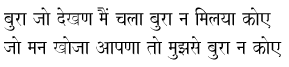
Bura Jo Dekhan Main Chala, Bura Naa Milya Koye
Jo Munn Khoja Apnaa, To Mujhse Bura Naa Koye


Translation

I searched for the crooked, met not a single one
When searched myself, "I" found the crooked one

Self needs to be assessed - Guru Angad

ਮਹਲਾ ੨ ॥
ਨਾਨਕ ਪਰਖੇ ਆਪ ਕਉ ਤਾ ਪਾਰਖੁ ਜਾਣੁ ॥ ਰੋਗੁ ਦਾਰੂ ਦੋਵੈ ਬੁਝੈ ਤਾ ਵੈਦੁ ਸੁਜਾਣੁ ॥
ਵਾਟ ਨ ਕਰਈ ਮਾਮਲਾ ਜਾਣੈ ਮਿਹਮਾਣੁ ॥ ਮੂਲੁ ਜਾਣਿ ਗਲਾ ਕਰੇ ਹਾਣਿ ਲਾਏ ਹਾਣੁ ॥
ਲਬਿ ਨ ਚਲਈ ਸਚਿ ਰਹੈ ਸੋ ਵਿਸਟੁ ਪਰਵਾਣੁ ॥
ਸਰੁ ਸੰਧੇ ਆਗਾਸ ਕਉ ਕਿਉ ਪਹੁਚੈ ਬਾਣੁ ॥
ਅਗੈ ਓਹੁ ਅਗੰਮੁ ਹੈ ਵਾਹੇਦੜੁ ਜਾਣੁ ॥੨॥

Mėhlā 2.

Nānak parkẖe āp ka-o ṯā pārakẖ jāṇ.
Rog ḏārū ḏovai bujẖai ṯā vaiḏ sujāṇ.
Vāt na kar-ī māmlā jāṇai mihmāṇ. Mūl jāṇ galā kare hāṇ lā-e hāṇ.
Lab na cẖal-ī sacẖ rahai so visat parvāṇ.
Sar sanḏẖe āgās ka-o ki-o pahucẖai bāṇ.
Agai oh agamm hai vāheḏaṛ jāṇ. ||2|| (SGGS148)

The bani of Second Nanak.

In essence: Oh Nanak! If a man assesses his “inner self”, only then he should be called an assessor. If one understands and diagnoses the disease and gives its medicine, one should be considered a shrewd physician. One should not involve in strife; instead one should live like a guest here. One should know Akalpurakh, the origin of all; one should live in the company of likewise devotees. If one does so, one doesn’t hold on to avarice but remains imbued with Akalpurakh. Thus, one becomes broker for others to bring them close to Akalpurakh. Such a broker becomes accepted one. If an arrow is aimed in the sky, which is inaccessible, what can it hit? It will fall back on the archer (because of his ignorance).

Wishes


Various Translations and Dictionaries -

http://www.srigranth.org/


Translations in many languages: 

http://granth.co/


Professor Sahib Singh (Punjabi and Hindi) - 

http://www.gurugranthdarpan.net/


Fareedkoti Teeka of Guru Granth Sahib

https://www.vidhia.com/Fareedkot_Teeka.pdf


Sikhi To The Max (Can search English translation)

https://www.sikhitothemax.org/


Sikh Books:

https://www.sikhbookclub.com/


Sikh Articles

http://globalsikhstudies.net/r_link/articles.htm


Commentaries by T. Singh:

http://www.gurbani.org/


Commentary by Bau ji "Khoji"

https://www.gurbanivichar.com/


Hindu Scripture References: 

Key Upanishad translations from sources:

http://www.vedarahasya.net/vedas.htm

Original Texts:

https://sanskritdocuments.org/

Complaining is not as prevalent in Gurbani as it is in Ghazals since the 18th century. 

Shabads with Complaints
Karvat De Kahe Ko Maare - Kabir
Lahore Shehar Zehar Kehar Sava Pehar - Guru Nanak
Sach Sunayesi Sach ki Bela - Babarvani Guru Nanak
Eti mar pai kurlane tai ki dard na aaya - Babarvani Guru Nanak
Je Sakta Sakte Kau Maara Ta Man Ros Na Hoyi - Babarvani Guru Nanak
(Asa Mohalla 1, p-360). "When there was such slaughter and lamentation, didst not Thou, O God, feel pain?"


Crying is like a complaint. And its okay to cry. 
Nanak Chinta Mat Karo, Chinta Tis Ki Hey
Birha Birha Aakhiye Birha Tu Sultan

Complaining just like hope is a raag that can be used to remember God. 

Concepts
It is okay to complain to God, but not about God. 
https://www.crossway.org/articles/complaining-about-god-vs-complaining-to-god/

When I complain: 
https://www.desiringgod.org/articles/god-wants-you-to-complain

If you don't complain to your soul mate, who else do you complain to?
Tera Kiya Meetha Laage (Meetha Meetha)
 - Guru Arjan Dev in Raag Asa

This shabad was recorded during a month long recording and composition spree with my guru bhai and dear friend Rajesh Prasanna, one of the best young indian classical flautists. Like we did in most of the recordings during this time, we just sat and recorded without much practice. 

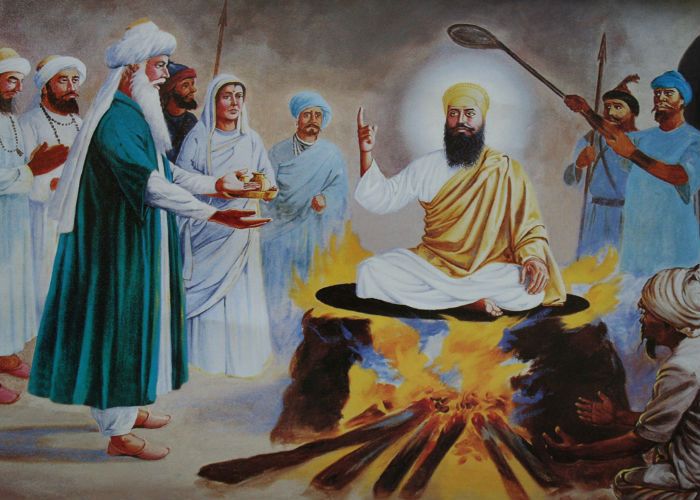
The most beautiful part of the story is how Guru Arjan is deemed to have sung this shabad before his torturous death at the behest of Emperor Jahangir.  


ਆਸਾ ਘਰੁ ੭ ਮਹਲਾ ੫ ॥
आसा घरु ७ महला ५ ॥
Āsā gẖar 7 mėhlā 5.
Aasaa, Seventh House, Fifth Mehl:

ਹਰਿ ਕਾ ਨਾਮੁ ਰਿਦੈ ਨਿਤ ਧਿਆਈ ॥
हरि का नामु रिदै नित धिआई ॥
Har kā nām riḏai niṯ ḏẖiāī.
Meditate continually on the Name of the Lord within your heart.

ਸੰਗੀ ਸਾਥੀ ਸਗਲ ਤਰਾਂਈ ॥੧॥
संगी साथी सगल तरांई ॥१॥
Sangī sāthī sagal ṯarāʼnī. ||1||
Thus you shall save all your companions and associates. ||1||

ਗੁਰੁ ਮੇਰੈ ਸੰਗਿ ਸਦਾ ਹੈ ਨਾਲੇ ॥
गुरु मेरै संगि सदा है नाले ॥
Gur merai sang saḏā hai nāle.
My Guru is always with me, near at hand.

ਸਿਮਰਿ ਸਿਮਰਿ ਤਿਸੁ ਸਦਾ ਸਮ੍ਹ੍ਹਾਲੇ ॥੧॥ ਰਹਾਉ ॥
सिमरि सिमरि तिसु सदा सम्हाले ॥१॥ रहाउ ॥
Simar simar ṯis saḏā samĥāle. ||1|| rahāo.
Meditating, meditating in remembrance on Him, I cherish Him forever. ||1||Pause||

ਤੇਰਾ ਕੀਆ ਮੀਠਾ ਲਾਗੈ ॥ 
तेरा कीआ मीठा लागै ॥ 
Ŧerā kīā mīṯẖā lāgai. 
Your actions seem so sweet to me. 

ਹਰਿ ਨਾਮੁ ਪਦਾਰਥੁ ਨਾਨਕੁ ਮਾਂਗੈ ॥੨॥੪੨॥੯੩॥ 
हरि नामु पदारथु नानकु मांगै ॥२॥४२॥९३॥ 
Har nām paḏārath Nānak māʼngai. ||2||42||93|| 
Nanak begs for the treasure of the Naam, the Name of the Lord. ||2||42||93|| 

The Martyrdom of Guru Arjan

By Kishori Lal

There may not be more harrowing examples in the history of world of killing persons mercilessly, who thought differently from the rulers of their times, by perpetrating multiple tortures, than ruthless Mugal emperor Jahangir,  who brutally ended the life of Sikh saint and 5th Guru of Sikhs, Arjan Dev.

Born on April 15, 1563, at Goindwal Saheb, he was the youngest son of Guru Ram Das. He was a great visionary Guru who started the construction of Golden Temple. Interestingly his Muslim devotee had laid the foundation of the holy shrine. He also completed the Nectar Sarovar and Harmandir Sahib in 1604. He was an ardent preacher of universal brotherhood, forgiveness, humility and freedom of worship.

Guru Arjan Dev compiled the Adi-Granth, Guru Granth Saheb up to his time in which in added many writings of Muslim and Hindu saints.

Irked by his popularity, Mugal emperor Jahangir summoned him and tried to prevail upon him to accept Islam. He was asked to embrace Islam to escape death. He preferred martyrdom.

On the fateful day of June 16, 1606, the tyrant Jahangir ordered the arrest of Guru Arjan Dev and punished him with death. The manner in which he was killed has no parallel in the history.  The only charge against him was that he had refused to stop the preachings of Guru Nanak Dev of worshipping God.

On the first day of persecution, he was starved and not a drop of water was given. In the previous night he was kept awake and made to sit on a red-hot thick iron sheet and red hot sand was poured on his head and body.

The brutal ruler was intrigued and shocked to observe that Guru Arjan Dev bore the brunt of pain calmly without showing any shriek of pain. He kept on murmuring the name of God and chanting the verses from the holy book Granth Sahib. One Chandu, a villain and traitor, was doing it to please the king.

On the second day, Chandu directed Guru ji to sit on a large copper caldron of boiling water. Guru sat silently on the boiling caldron without showing any sign of pain.  He only said, “My lord, all this is happening in accordance with thy will, which is very sweet to me.”

On the third day of torture, again red hot sand was poured on his head and body. On the fourth day of torture, he was again asked to sit on the red hot thick iron plate and was subjected to suffocation on the fifth day. Thousands of his weeping followers watched the ghastly scene helplessly and desperately.

Then the solders of Jahangir took Guru Arjan Dev to river Beas on the sixth day for a bath where he entered it never to come back.

During the course of torture, his Muslim devotee, Mian Amir, rushed to Arjan Dev, to see his plight. It was believed at that time that Amir possessed supernatural powers.  Seeing his horible condition, he cried out, “ Master,  I cannot bear the horrors inflicted on you. Allow me to demolish this tyrant regime.” Guru smiled and ordained him to look at the sky. It is said that he saw the angels in the sky begging for the permission to destroy the tyrannical and ruthless regime of Jahangir.

It may not be out of place to reproduce briefly some lines from the diary of Jahangir, “Tuzuk-i-Jahangir” to analyse  mental perversity of the Mughal emperor who broke all records of cruelty and barbarity in known history.  He wrote, “There lived a Hindu Arjan, an insignificant man, dressed in garments of sainthood and sanctity. He had captured simple-hearted Hindus and even ignorant and foolish followers of Islam who loudly beat the drums of his holiness. Stupid people crowded him to worship and manifest faith in him.  Four generations of spiritual Sikh successors had kept his shop warm.  It occurred to me to put a stop to it and bring him round to the fold of Islam….”

He has also mentioned in his personal diary that once Khusrau passed from the hermit of Guru Arjan Dev, who was widely adored and loved by people of all religions and faiths. He halted there to pay obeisance to Guruji and seek his blessings. Guru put a saffron finger sign (Tilak) on his forehead. I was furious to learn it.  “ I ordered to produce him before me and directed to forfeit all his property and put him to death.”

Guru Arjan Dev and Mian Mir: A Tale of Love and Friendship between two Sufi masters

by Navid Zaidi

Guru Arjan Dev (1563-1606) was the fifth Guru of the Sikh faith that flourished in the Punjab region of India from the sixteenth century onwards.

Hazrat Mian Mir (1550-1635) was a famous Muslim Sufi saint who resided in and around the city of Lahore in the Punjab. Both men became life-long friends and devotees and their love and friendship glorifies the Sufi doctrine of love for all.

The period of the fifth Guru Arjan Dev is important for many reasons. First, it was Guru Arjan who arranged for the Garanth Saheb to be recorded and it became a Sikh holy scripture of great symbolic power. Secondly, Mughal hostility and persecution became evident during his time.

The Mughals, particularly Emperors Jahangir and Aurangzeb, persecuted the non-believers for political and religious reasons. In fact, not only Hindus and Sikhs but also Shia Muslims and Sufi saints became their victims.

The Sikh faith boldly declared equality and justice for all at a time when the Punjab was engulfed by extreme religious and social hatred, intolerance and inequality among various faiths, castes and creeds. Said Guru Gobind Singh:

Recognize all mankind, whether Hindus or Muslims, as one,
The same Lord is the Creator and Nourisher of all,
Recognize no distinction among them,
The temple and the mosque, the Hindu and Muslim prayer,
Men are all one.

This message of tolerance and religious co-existence was well received by the masses especially the Muslim Sufi saints of the Punjab.

Guru Arjan Dev often visited Lahore, the birthplace of his father, the fourth Guru Ram Das. On the occasion of one such visit he called on Hazrat Mian Mir and the two Sufi masters met and became life-long friends. Mian Mir was 13 years older than Guru Arjan.

Mian Mir was highly respected by the Sikhs. He was a man who had a deep love for Guru Nanak’s teachings. Mian Mir often traveled to Amritsar to meet with Guru Arjan. In turn, whenever Guru Arjan visited Lahore he would always meet with Mian Mir. Main Mir knew a large number of Guru Arjan’s verses by heart.

In 1588, Guru Arjan Dev planned to build a temple in Amritsar, now known as the Golden Temple. The temple was to be open to people of all castes and creeds. The Hindu temples were closed on three sides and their entrances were generally towards the East while Muslim mosques had entrances towards the West. The Sikh temples had entrances on all four sides denoting that God was in all directions and that the Gurudwara was open to all.

Guru Arjan invited Mian Mir to lay the foundation stone of the Golden Temple. Mian Mir was given a customary warm welcome. The two masters embraced each other in sincere love and regard. Mian Mir was delighted with Guru Arjan’s ideas, the foundation stone was laid, hymns were sung in the praise of God and sweets were distributed.

The Mughals were getting uneasy with Guru Arjan’s popularity with the masses. In 1606, Guru Arjan Dev was charged by Emperor Jahangir with heresy and support of Prince Khusrow, his son, in the struggle for the throne. Emperor Akbar was unhappy with Jahangir and had designated his grandson Khusrow as his preferred choice for the Mughal throne.

Guru Arjan was imprisoned in Lahore Fort and tortured. When Mian Mir heard about it, he went to see Guru Arjan. Mian Mir was deeply saddened to see his friend in such misery, but he found Guru Arjan calm and serene, having completely resigned himself to the will of God.

Mian Mir suggested to the Guru that he should intercede with Emperor Jahangir on his behalf. The Guru forbade him. Then Mian Mir sought the Guru’s approval to raze the city of Delhi down to the ground with his spiritual powers. Guru Arjan replied:

‘I can also do that but under all conditions one must live in the will of God.’

Guru Arjan Dev was tortured to death in 1606 and became the first martyr of the Sikh faith. Mian Mir raised slogans to mourn the martyrdom of Guru Arjan. He never accepted any gifts sent by Emperors Jahangir and Shah Jahan or their ministers and nobles.

A couple of years after the martyrdom of Guru Arjan, his son and successor Guru Har Gobind, then a boy of 13, called on Mian Mir at Lahore. Guru Tegh Bahadur, the ninth Guru, also met Mian Mir as a child who blessed him.


The story of Guru Arjan's Martyrdom in Hindi


गुरु अर्जुन देव जी की शहादत अतुलनीय है। मानवता के सच्चे सेवक, धर्म के रक्षक, शांत और गंभीर स्वभाव के स्वामी गुरु अर्जुन देव अपने युग के सर्वमान्य लोकनायक थे जो दिन-रात संगत की सेवा में लगे रहते थे। उनके मन में सभी धर्मों के प्रति अथाह सम्मान था। श्री गुरु अर्जुन देव जी के बाद गुरु हरगोबिंद साहिब ने शांति के साथ-साथ हथियारबंद सेना तैयार करनी बेहतर समझी तथा मीरी-पीरी का संकल्प देते हुए श्री अकाल तख्त साहिब की रचना की।


गुरु अर्जुन देव जी ने गुरु ग्रंथ साहिब का संपादन भाई गुरदास की सहायता से किया और रागों के आधार पर ग्रंथ साहिब में संकलित बाणियों का जो वर्गीकरण किया है, उसकी मिसाल मध्यकालीन धार्मिक ग्रंथों में दुर्लभ है। सिख धर्म में सबसे पहली शहीदी पांचवें सिख गुरु अर्जुन देव जी की हुई। शांति के पुंज, शहीदों के सरताज, अर्जुन देव जी को मुगल बादशाह जहांगीर ने अकारण ही शहीद कर दिया। अकेला शहीद ही नहीं किया, बल्कि गुरु जी को ऐसी यातनाएं दीं कि सुनकर रूह कांप जाती है। ये यातनाएं अमानवीय थीं। विश्व को ‘सरबत दा भला’ का संदेश देने वाले तथा विश्व में शांति लाने की पहल करने वाले किसी गुरु को यातनाएं देकर शहीद कर देना मुगल साम्राज्य के पतन का भी कारण बना।

श्री गुरु अर्जुन देव जी का प्रकाश श्री गुरु रामदास जी के गृह में माता भानी जी की कोख से वैशाख बदि 7 सम्वत 1620 मुताबिक 15 अप्रैल 1563 ई. को गोइंदवाल साहिब में हुआ। आप जी का पालन-पोषण गुरु अमरदास जी जैसे गुरु तथा बाबा बुड्ढा जी जैसे महापुरुषों की देख-रेख में हुआ। आप जी बचपन से ही बहुत शांत स्वभाव तथा पूजा भक्ति करने वाले थे। आपके बाल्यकाल में ही गुरु अमरदास जी ने भविष्यवाणी की थी कि यह बालक बहुत बाणी की रचना करेगा। गुरु जी ने कहा था ‘दोहता बाणी का बोहेथा’।

गुरु गद्दी संभालने के बाद गुरु अर्जुन देव जी ने लोक भलाई तथा धर्म प्रचार के कामों में तेजी ला दी। आपने गुरु रामदास जी द्वारा शुरू किए गए सांझे निर्माण कार्यों को प्राथमिकता दी। नगर अमृतसर में आपने संतोखसर तथा अमृत सरोवरों का काम मुकम्मल करवा कर अमृत सरोवर के बीच हरिमंदिर साहिब जी का निर्माण कराया, जिसका शिलान्यास मुसलमान फकीर साईं मियां मीर जी से करवा कर धर्मनिरपेक्षता का सबूत दिया और अमृतसर शहर आस्था का केन्द्र बन गया। आप जी ने नए नगर तरनतारन साहिब, करतारपुर साहिब, छेहर्टा साहिब, श्री हरगोबिंदपुरा आदि बसाए। तरनतारन साहिब में एक विशाल सरोवर का निर्माण कराया जिसके एक तरफ तो गुरुद्वारा साहिब और दूसरी तरफ कुष्ठ रोगियों के लिए एक दवाखाना बनवाया। यह दवाखाना आज तक सुचारू रूप से चल रहा है। सामाजिक कार्य के रूप में गांव-गांव में कुंओं का निर्माण कराया। सुखमणि साहिब की भी रचना की जिसका हर गुरसिख प्रतिदिन पाठ करता है।


गुरु अर्जुन देव जी ने गुरु ग्रंथ साहिब का संपादन भाई गुरदास की सहायता से किया और रागों के आधार पर ग्रंथ साहिब में संकलित बाणियों का जो वर्गीकरण किया है, उसकी मिसाल मध्यकालीन धार्मिक ग्रंथों में दुर्लभ है। गुरु जी ने सदैव ही अपने सिखों को परमात्मा पर हर समय भरोसा रखने तथा सर्व सांझीवालता का संदेश दिया। एक बार सुलही खान, जो मुगल राजा था, गुरु जी पर चढ़ाई करने आ गया। जब संगत को इसके बारे में पता चला तो उन्होंने गुरु जी को कहा कि कोई पत्र लिखकर सुलही खान को भेजा जाए, जिसमें उसे हमला न करने की सलाह दी गई हो। कुछ लोगों का कहना था कि एक प्रतिनिधिमंडल भेजा जाए, जो उसे सिख धर्म के बारे में बता सके तथा हमला न करने संबंधी राजी कर सके जबकि कुछ अन्य लोगों का कहना था कि सुलही खान का मुकाबला करने के लिए हमें कोई न कोई उपाय करना चाहिए। गुरु अर्जुन देव जी ने उन्हें समझाते हुए कहा कि उन्हें परमेश्वर पर पूर्ण विश्वास है। इस संबंध में आप जी का उच्चारण किया हुआ एक शब्द भी गुरु ग्रंथ साहिब में दर्ज है।

अकबर की सम्वत 1662 में हुई मौत के बाद उसका पुत्र जहांगीर बादशाह बना तो गुरु जी के भाई पृथ्वी चंद ने उससे नजदीकियां बढ़ानी शुरू कर दीं। जहांगीर गुरु जी की बढ़ती लोकप्रियता को पसंद नहीं करता था। उसे यह बात बिल्कुल पसंद नहीं आई कि गुरु अर्जुन देव जी ने उसके भाई खुसरो की मदद क्यों की। जहांगीर ने अपनी जीवनी ‘तुज़के जहांगीरी’ में स्वयं भी लिखा है कि वह गुरु अर्जुन देव जी की बढ़ रही लोकप्रियता से आहत था, इसलिए उसने गुरु जी को शहीद करने का फैसला कर लिया।

गुरु अर्जुन देव जी को लाहौर में 30 मई 1606 ई. को भीषण गर्मी के दौरान ‘यासा व सियास्त’ कानून के तहत लोहे की गर्म तवी पर बिठाकर शहीद कर दिया गया। ‘यासा व सियास्त’ के अनुसार किसी व्यक्ति का रक्त धरती पर गिराए बिना उसे यातनाएं देकर शहीद कर दिया जाता है। गुरु जी के शीश पर गर्म-गर्म रेत डाली गई। जब गुरु जी का शरीर अग्नि के कारण बुरी तरह से जल गया तो आप जी को ठंडे पानी वाले रावी दरिया में नहाने के लिए भेजा गया, जहां गुरु जी का पावन शरीर आलोप हो गया। जहां आप ज्योति ज्योत समाए उसी स्थान पर लाहौर में रावी नदी के किनारे गुरुद्वारा डेरा साहिब (जो अब पाकिस्तान में है) का निर्माण किया गया है।


गुरु अर्जुन देव जी ने लोगों को विनम्र रहने का संदेश दिया। आप विनम्रता के पुंज थे। कभी भी आपने किसी को भी दुर्वचन नहीं बोले। गुरु अर्जुन देव जी का संगत को एक और बड़ा संदेश था कि परमेश्वर की रजा में राजी रहना। जब आपको जहांगीर के आदेश पर आग के समान तप रही तवी पर बिठा दिया, उस समय भी आप परमेश्वर का शुक्राना कर रहे थे:

‘तेरा कीया मीठा लागै॥ हरि नामु पदार्थ नानक मांगै॥’

Other Shabads With This Theme

Bhinni Rainariye
Meetha Meetha - Tera Kiya Meetha Lagai - Guru Arjan
Kẖūb ṯerī pagrī mīṯẖe ṯere bol - Bhagat Namdev
Naanak Naam Mahaa Ras Meetha
Amrit Bani Har Har Teri
Maḏẖur maḏẖur ḏẖun anhaṯ gājai - Bhagat Namdev
Sabhai Ghat Raam Bolai - Bhagat Namdev
Jogī kahėh jog bẖal mīṯẖā 
Hamari Pyaari Amritdhaari
Kali Koyal Tu Kit Gun Kali
Mithbolrha ji Har Sajjan Swami 
Loga bharam na Bhoolo bhai (Gur gud deena meetha) - Kabir
Bābā bolīai paṯ hoe - Guru Nanak

Other "Sweet" references
Just a spoonful of sugar helps the medicine go down - Song from Mary Poppins
Bhai Nandlal - Sack of Sugar
Joyful acceptance - Michael J Fox - How Michael J. Fox accepted his alzheimer's. 

In a world obsessed with asking—asking for more time, for money, for blessings, for escape—we might pause to ask a deeper question: What should we ask of God?

Guru Arjan, in his radiant Shabad Jo Māṅgai Ṭhākur Apne Te, offers a startling invitation:

ਜੋ ਮਾਗੈ ਠਾਕੁਰ ਆਪਣੇ ਤੇ ਸੋਈ ਸੋਈ ਦੇਵੈ ॥
Jo māṅgai ṯẖākur āpṇe ṯe soī soī ḏevai.
Whatever one asks of the Lord, the Lord gives.

This line could easily be mistaken for a divine vending machine theology: just ask and receive. But Guru Arjan does not end there. He continues:

ਨਾਨਕ ਦਾਸੁ ਮੁਖ ਤੇ ਜੋ ਬੋਲੈ ਈਹਾ ਊਹਾ ਸਚੁ ਹੋਵੈ ॥
Nanak dās mukẖ ṯe jo bolai īhā ūhā sacẖ hovai.
Whatever the servant Nanak utters with his mouth becomes true in this world and the next.

Here, asking is not transactional—it is relational. The one who asks is a dās, a servant. A surrendered soul. The gift, then, is not merely in the asking, but in the transformation of the asker.


The Art of Asking: Simplicity Over Sophistication

Guru Nanak simplifies the act of asking even further. In the Prabhaati Shabad beginning with “Gur parsādi vidiaa veechaarai,” he describes the ideal request as something profoundly humble:

ਇਕ ਦਖਿਣਾ ਹਉ ਤੈ ਪਹਿ ਮਾਗਉ ਦੇਹਿ ਆਪਣਾ ਨਾਮੁ ॥
Ik dakhiṇā ha-o ṯai pėh māga-o ḏėh āpṇā nām.
I ask for one offering alone: give me Your Name.

There is no grand petition here for kingdoms, wealth, or miracles. Just Naam—the Divine Name, the intimate remembrance of the Beloved.

This really is a core Gurbani principle.  This idea is echoed in so many shabads. Here is one line from a Shabad by Guru Arjan:

ਜਿ ਵਸਤੁ ਮੰਗੀਐ ਸਾਈ ਪਾਈਐ ਜੇ ਨਾਮਿ ਚਿਤੁ ਲਾਈਐ ॥
Ji vasat mangīai sāī pāīai je nām chit lāīai.
One receives the thing one truly desires—if the mind is focused on the Naam.

The secret lies not in how much we ask, but how we ask. If the desire is rooted in remembrance, in humility, in surrender, then even the act of asking becomes worship.

Beyond Commodities: Asking for Qualities

Guru Nanak reframes prayer entirely by asking not for things, but for virtues, for inner wealth:

ਜਤੁ ਸਤੁ ਚਾਵਲ ਦਇਆ ਕਣਕ ਕਰਿ ਪ੍ਰਾਪਤਿ ਪਾਤੀ ਧਾਨੁ ॥
Make self-discipline and truth the rice; compassion the wheat on the leaf-plate of meditation.

ਦੂਧੁ ਕਰਮੁ ਸੰਤੋਖੁ ਘੀਉ ਕਰਿ ਐਸਾ ਮਾਂਗਉ ਦਾਨੁ ॥
Let milk be good deeds, and ghee be contentment—these are the gifts I beg of You.

ਖਿਮਾ ਧੀਰਜੁ ਕਰਿ ਗਊ ਲਵੇਰੀ ਸਹਜੇ ਬਛਰਾ ਖੀਰੁ ਪੀਐ ॥
Let forgiveness and patience be my milk-cows, from which the calf of the mind gently drinks.

This is a beautiful economy of divine asking: not for what the world values, but for what makes the world meaningful. The entire Shabad turns the daily act of eating into a metaphor for the nourishment of the soul, begging God not for outcomes but for orientation. It does sound like we are in South India with the meals on leaves and the serving of rice. 

A Hidden Conversation with the Guru

But make sure you have a conversation with God. 

ਗੁਹਜ ਗਲ ਜੀਅ ਕੀ ਕੀਚੈ ਸਤਿਗੁਰੂ ਪਾਸਿ
Tell the secrets of your soul to the True Guru.

What we often ask for aloud—success, health, comfort—is rarely the real longing of the soul. The soul’s cry is quieter, more hidden. Guru Arjan encourages us to entrust that deepest yearning to the Satguru, not just as a listener, but as a physician of the spirit. The result?

ਤਾ ਸਰਬ ਸੁਖੁ ਪਾਈਐ ॥
Then, true peace is found.

When we dare to articulate our hidden hunger to the One who knows us better than we know ourselves, the need to ask vanishes. Hunger dissolves into satisfaction. Asking becomes union.

Conclusion: To Ask is to Align

In these Shabads, Guru Nanak and Guru Arjan do not reject asking; they sanctify it. They reorient it. Asking is not a failure of surrender—it is a doorway into it. But the object of asking is not to gain what the ego desires; it is to uncover what the soul already knows it needs.

So what should we ask of God?

We should ask for Naam.

We should ask to lose our inner thieves—lust, anger, greed, attachment, and ego.

We should ask for rice made of self-restraint, wheat made of kindness, and milk made of good actions.

We should ask for the courage to ask less for ourselves and more for the self to be quiet enough to listen.

Because, in the end, the true gift is not what is given.

It is who we become by asking.


The One Who Listens

Most days,
I keep things where no one can find them—
under the socks I never wear,
inside the teapot shaped like a duck,
in the second draft of a breakup poem
that never quite broke anything.

You wouldn’t know
that I worry about disappearing
the way soap does
in the last week of August.

Or that I once lied
to a dying plant,
whispering, you’ll be fine,
as I walked past with a glass of water
meant for myself.

But sometimes,
I sit down with the Shabad
like it’s the old friend
who never asks for small talk.

And I say it—
the thing even I didn’t know
was rattling in the drawer
marked unspoken.

The Shabad doesn’t flinch.
It has never judged. 
It doesn’t correct my grammar
or ask if I’ve tried journaling.

It just listens—
like the inside of a mountain
so still
that when I stop speaking,
I can finally hear
where the wind goes next.


Reference Shabads


Jo Mange - Guru Arjan
Mangna Maangan Neeka
Je Vasst Mangiyeh Sayi 

Je Vasst Mangiyeh

ਪਉੜੀ ॥
पउड़ी ॥
Pa▫oṛī.
Pauree:

ਸਭ ਵਡਿਆਈਆ ਹਰਿ ਨਾਮ ਵਿਚਿ ਹਰਿ ਗੁਰਮੁਖਿ ਧਿਆਈਐ ॥
सभ वडिआईआ हरि नाम विचि हरि गुरमुखि धिआईऐ ॥
Sabẖ vaḏi▫ā▫ī▫ā har nām vicẖ har gurmukẖ ḏẖi▫ā▫ī▫ai.
All glorious greatness is in the Name of the Lord; as Gurmukh, meditate on the Lord.

ਜਿ ਵਸਤੁ ਮੰਗੀਐ ਸਾਈ ਪਾਈਐ ਜੇ ਨਾਮਿ ਚਿਤੁ ਲਾਈਐ ॥
जि वसतु मंगीऐ साई पाईऐ जे नामि चितु लाईऐ ॥
Jė vasaṯ mangī▫ai sā▫ī pā▫ī▫ai je nām cẖiṯ lā▫ī▫ai.
One obtains all that he asks for, if he keeps his consciousness focused on the Lord.

ਗੁਹਜ ਗਲ ਜੀਅ ਕੀ ਕੀਚੈ ਸਤਿਗੁਰੂ ਪਾਸਿ ਤਾ ਸਰਬ ਸੁਖੁ ਪਾਈਐ ॥
गुहज गल जीअ की कीचै सतिगुरू पासि ता सरब सुखु पाईऐ ॥
Guhaj gal jī▫a kī kīcẖai saṯgurū pās ṯā sarab sukẖ pā▫ī▫ai.
If he tells the secrets of his soul to the True Guru, then he finds absolute peace.

ਗੁਰੁ ਪੂਰਾ ਹਰਿ ਉਪਦੇਸੁ ਦੇਇ ਸਭ ਭੁਖ ਲਹਿ ਜਾਈਐ ॥
गुरु पूरा हरि उपदेसु देइ सभ भुख लहि जाईऐ ॥
Gur pūrā har upḏes ḏe▫e sabẖ bẖukẖ lėh jā▫ī▫ai.
When the Perfect Guru bestows the Lord's Teachings, then all hunger departs.

ਜਿਸੁ ਪੂਰਬਿ ਹੋਵੈ ਲਿਖਿਆ ਸੋ ਹਰਿ ਗੁਣ ਗਾਈਐ ॥੩॥
जिसु पूरबि होवै लिखिआ सो हरि गुण गाईऐ ॥३॥
Jis pūrab hovai likẖi▫ā so har guṇ gā▫ī▫ai. ||3||
One who is blessed with such pre-ordained destiny, sings the Glorious Praises of the Lord. ||3||


Guru Nanak -

ਪ੍ਰਭਾਤੀ ਮਹਲਾ ੧ ॥
प्रभाती महला १ ॥
Parbẖāṯī mėhlā 1.
Prabhaatee, First Mehl:

ਗੁਰ ਪਰਸਾਦੀ ਵਿਦਿਆ ਵੀਚਾਰੈ ਪੜਿ ਪੜਿ ਪਾਵੈ ਮਾਨੁ ॥
गुर परसादी विदिआ वीचारै पड़ि पड़ि पावै मानु ॥
Gur parsādī viḏi▫ā vīcẖārai paṛ paṛ pāvai mān.
By Guru's Grace, contemplate spiritual knowledge; read it and study it, and you shall be honored.
ਆਪਾ ਮਧੇ ਆਪੁ ਪਰਗਾਸਿਆ ਪਾਇਆ ਅੰਮ੍ਰਿਤੁ ਨਾਮੁ ॥੧॥
आपा मधे आपु परगासिआ पाइआ अम्रितु नामु ॥१॥
Āpā maḏẖe āp pargāsi▫ā pā▫i▫ā amriṯ nām. ||1||
Within the self, the self is revealed, when one is blessed with the Ambrosial Naam, the Name of the Lord. ||1||

ਕਰਤਾ ਤੂ ਮੇਰਾ ਜਜਮਾਨੁ ॥
करता तू मेरा जजमानु ॥
Karṯā ṯū merā jajmān.
O Creator Lord, You alone are my Benefactor.
ਇਕ ਦਖਿਣਾ ਹਉ ਤੈ ਪਹਿ ਮਾਗਉ ਦੇਹਿ ਆਪਣਾ ਨਾਮੁ ॥੧॥ ਰਹਾਉ ॥
इक दखिणा हउ तै पहि मागउ देहि आपणा नामु ॥१॥ रहाउ ॥
Ik ḏakẖiṇā ha▫o ṯai pėh māga▫o ḏėh āpṇā nām. ||1|| rahā▫o.
I beg for only one blessing from You: please bless me with Your Name. ||1||Pause||

ਪੰਚ ਤਸਕਰ ਧਾਵਤ ਰਾਖੇ ਚੂਕਾ ਮਨਿ ਅਭਿਮਾਨੁ ॥
पंच तसकर धावत राखे चूका मनि अभिमानु ॥
Pancẖ ṯaskar ḏẖāvaṯ rākẖe cẖūkā man abẖimān.
The five wandering thieves are captured and held, and the egotistical pride of the mind is subdued.
ਦਿਸਟਿ ਬਿਕਾਰੀ ਦੁਰਮਤਿ ਭਾਗੀ ਐਸਾ ਬ੍ਰਹਮ ਗਿਆਨੁ ॥੨॥
दिसटि बिकारी दुरमति भागी ऐसा ब्रहम गिआनु ॥२॥
Ḏisat bikārī ḏurmaṯ bẖāgī aisā barahm gi▫ān. ||2||
Visions of corruption, vice and evil-mindedness run away. Such is the spiritual wisdom of God. ||2||

ਜਤੁ ਸਤੁ ਚਾਵਲ ਦਇਆ ਕਣਕ ਕਰਿ ਪ੍ਰਾਪਤਿ ਪਾਤੀ ਧਾਨੁ ॥
जतु सतु चावल दइआ कणक करि प्रापति पाती धानु ॥
Jaṯ saṯ cẖāval ḏa▫i▫ā kaṇak kar parāpaṯ pāṯī ḏẖān.
Please bless me with the rice of truth and self-restraint, the wheat of compassion, and the leaf-plate of meditation.
ਦੂਧੁ ਕਰਮੁ ਸੰਤੋਖੁ ਘੀਉ ਕਰਿ ਐਸਾ ਮਾਂਗਉ ਦਾਨੁ ॥੩॥
दूधु करमु संतोखु घीउ करि ऐसा मांगउ दानु ॥३॥
Ḏūḏẖ karam sanṯokẖ gẖī▫o kar aisā māʼnga▫o ḏān. ||3||
Bless me with the milk of good karma, and the clarified butter, the ghee, of compassion. Such are the gifts I beg of You, Lord. ||3||

ਖਿਮਾ ਧੀਰਜੁ ਕਰਿ ਗਊ ਲਵੇਰੀ ਸਹਜੇ ਬਛਰਾ ਖੀਰੁ ਪੀਐ ॥
खिमा धीरजु करि गऊ लवेरी सहजे बछरा खीरु पीऐ ॥
Kẖimā ḏẖīraj kar ga▫ū laverī sėhje bacẖẖrā kẖīr pī▫ai.
Let forgiveness and patience be my milk-cows, and let the calf of my mind intuitively drink in this milk.
ਸਿਫਤਿ ਸਰਮ ਕਾ ਕਪੜਾ ਮਾਂਗਉ ਹਰਿ ਗੁਣ ਨਾਨਕ ਰਵਤੁ ਰਹੈ ॥੪॥੭॥
सिफति सरम का कपड़ा मांगउ हरि गुण नानक रवतु रहै ॥४॥७॥
Sifaṯ saram kā kapṛā māʼnga▫o har guṇ Nānak ravaṯ rahai. ||4||7||
I beg for the clothes of modesty and the Lord's Praise; Nanak chants the Glorious Praises of the Lord. ||4||7||
Older Posts Home

SHIVPREET SINGH

Singing oneness!
- Shivpreet Singh

Related Posts

Popular - 30 days

  • Vande Mataram - Lyrics and Translation
    I love the Vande Maataram composition in Raag Des sung by Lata Mangeshkar.  Vande Mataram is the national song of India. In 2003, BBC World ...
  • Kabir's Gao Gao Ri Dulhani - Lyrics and meanings
    One of my favorite Kabir's poem I call "Dulhani." In this beautiful poem, Kabir envisions himself as the bride and the univers...
  • The Many Types of Raag Malhar
    Pour love in your heart, like the rain pours on the land today. As I am working on a Meerabai song I am doing research on the different vari...
  • Praising Shri Krishna in the Guru Granth Sahib - Dhan Dhan O Raam Ben by Bhagat Namdev
    I made a new composition for this shabad today. Hopefully I will get to record it one day. I'd like to focus our discussion on this part...
  • Sanson Ki Mala Pe - Lyrics, Translation and Background
    Sanson ki Maala was made famous by Nusrat Fateh Ali Khan sahib.  Although some have attributed this song to Mirabai and Khusro, this is a gh...
  • Shunya Gadh Shehar - Gorakhnath Bhajan Composed by Pt. Kumar Gandharva
    Listening to this beautiful bhajan today by Pt. Kumar Gandharva.  I don't know if this is authentically by Gorakhnath, but it made me th...
  • Samrath Guru - Video and Translation
    Sometime last year I heard this haunting melody from Nirinjan Kaur ... and fell in love with it. Since then I have been singing it and recor...
  • Jindari Lutti by Ghulam Farid - Lyrics/Translation and Performance by Bade Ghulam Ali Khan (Also Rohi or Dilri Lutti)
    Bade Ghulam Ali Khan's version of this Multani Kafi This is a beautiful spiritual song of separation written by Ghulam Farid.  I recentl...
  • Loving in the night - a poem by Rabi'a
    [O my Lord] by rabi'A Translated by Jane hirshfield O my Lord, the stars glitter and the eyes of men are closed. Kings have locked their...
  • Love and the Mool Mantra
    Guru Nanak's teachings are undoubtedly about love. So are Guru Arjan's teachings. The Mool Mantra is given the highest importance i...

Blog Archive

  • ▼  2026 (12)
    • ▼  June (1)
      • Translation of Laavan - Shivpreet Singh
    • ►  May (1)
    • ►  April (1)
    • ►  March (6)
    • ►  February (1)
    • ►  January (2)
  • ►  2025 (24)
    • ►  October (5)
    • ►  September (7)
    • ►  August (2)
    • ►  July (2)
    • ►  June (3)
    • ►  March (1)
    • ►  February (2)
    • ►  January (2)
  • ►  2024 (21)
    • ►  December (1)
    • ►  November (2)
    • ►  October (3)
    • ►  September (2)
    • ►  August (4)
    • ►  July (2)
    • ►  June (3)
    • ►  May (1)
    • ►  April (1)
    • ►  February (1)
    • ►  January (1)
  • ►  2023 (41)
    • ►  December (4)
    • ►  November (3)
    • ►  October (4)
    • ►  September (7)
    • ►  August (5)
    • ►  July (7)
    • ►  June (3)
    • ►  May (3)
    • ►  April (1)
    • ►  March (1)
    • ►  February (3)
  • ►  2022 (8)
    • ►  March (2)
    • ►  January (6)
  • ►  2021 (139)
    • ►  December (15)
    • ►  November (2)
    • ►  October (6)
    • ►  September (7)
    • ►  August (2)
    • ►  July (4)
    • ►  May (21)
    • ►  April (21)
    • ►  March (35)
    • ►  February (23)
    • ►  January (3)
  • ►  2020 (150)
    • ►  December (2)
    • ►  November (13)
    • ►  October (32)
    • ►  September (47)
    • ►  August (37)
    • ►  July (5)
    • ►  June (3)
    • ►  May (3)
    • ►  April (3)
    • ►  March (2)
    • ►  February (1)
    • ►  January (2)
  • ►  2019 (43)
    • ►  December (5)
    • ►  November (8)
    • ►  October (13)
    • ►  September (4)
    • ►  July (3)
    • ►  June (1)
    • ►  May (2)
    • ►  March (1)
    • ►  February (1)
    • ►  January (5)
  • ►  2018 (53)
    • ►  December (8)
    • ►  November (5)
    • ►  October (3)
    • ►  September (4)
    • ►  August (6)
    • ►  July (3)
    • ►  June (4)
    • ►  May (6)
    • ►  April (5)
    • ►  March (2)
    • ►  February (4)
    • ►  January (3)
  • ►  2017 (73)
    • ►  December (2)
    • ►  November (12)
    • ►  October (8)
    • ►  September (1)
    • ►  August (7)
    • ►  July (6)
    • ►  June (12)
    • ►  May (5)
    • ►  April (4)
    • ►  March (8)
    • ►  February (3)
    • ►  January (5)
  • ►  2016 (141)
    • ►  December (1)
    • ►  November (9)
    • ►  October (16)
    • ►  September (19)
    • ►  August (2)
    • ►  July (5)
    • ►  June (7)
    • ►  May (3)
    • ►  April (18)
    • ►  March (34)
    • ►  February (16)
    • ►  January (11)
  • ►  2015 (28)
    • ►  December (1)
    • ►  November (1)
    • ►  October (2)
    • ►  September (12)
    • ►  August (1)
    • ►  May (1)
    • ►  April (7)
    • ►  March (1)
    • ►  February (1)
    • ►  January (1)
  • ►  2014 (107)
    • ►  December (1)
    • ►  November (6)
    • ►  October (1)
    • ►  August (2)
    • ►  July (1)
    • ►  June (11)
    • ►  April (10)
    • ►  March (15)
    • ►  February (24)
    • ►  January (36)
  • ►  2013 (242)
    • ►  December (13)
    • ►  October (5)
    • ►  September (3)
    • ►  August (3)
    • ►  June (7)
    • ►  May (62)
    • ►  April (79)
    • ►  March (12)
    • ►  February (23)
    • ►  January (35)
  • ►  2012 (145)
    • ►  December (29)
    • ►  November (31)
    • ►  October (44)
    • ►  September (5)
    • ►  August (9)
    • ►  July (7)
    • ►  June (1)
    • ►  May (3)
    • ►  April (1)
    • ►  March (4)
    • ►  February (9)
    • ►  January (2)
  • ►  2011 (252)
    • ►  December (1)
    • ►  November (1)
    • ►  October (4)
    • ►  September (13)
    • ►  August (28)
    • ►  July (44)
    • ►  June (33)
    • ►  May (15)
    • ►  April (2)
    • ►  March (45)
    • ►  February (43)
    • ►  January (23)
  • ►  2010 (70)
    • ►  December (31)
    • ►  November (20)
    • ►  October (2)
    • ►  September (3)
    • ►  August (1)
    • ►  July (2)
    • ►  May (5)
    • ►  March (4)
    • ►  February (1)
    • ►  January (1)
  • ►  2009 (15)
    • ►  December (1)
    • ►  November (3)
    • ►  October (2)
    • ►  September (2)
    • ►  August (1)
    • ►  June (1)
    • ►  April (1)
    • ►  March (1)
    • ►  February (1)
    • ►  January (2)
  • ►  2008 (15)
    • ►  November (1)
    • ►  July (2)
    • ►  June (5)
    • ►  May (1)
    • ►  April (2)
    • ►  March (1)
    • ►  February (1)
    • ►  January (2)
  • ►  2007 (9)
    • ►  November (4)
    • ►  October (2)
    • ►  September (1)
    • ►  August (2)
  • ►  1999 (1)
    • ►  May (1)

Message

Name

Email *

Message *

Twitter

Tweets by @shivpreetsingh


Copyright © Shivpreet Singh. Designed by OddThemes