Shivpreet Singh
Shivpreet Singh
  • Home
  • Music
    • Spotify
    • Apple Music
    • Amazon
    • Pandora
    • SoundCloud
    • Google
    • You Tube
      • Music on YouTube
      • Uplifting Shabads
      • Guru Nanak Shabads
      • Meditation & Chanting
      • Shabads for Kids
      • Shabads of Guru Arjan
      • Shabads of Guru Gobind Singh
  • Videos
    • Latest
    • Popular
    • Uplifting
    • Guru Nanak
    • Meditation
    • For Kids
    • Guru Arjan
    • Guru Gobind Singh
  • Projects
    • DhunAnand Foundation
    • Pandemic 2020
    • Guru Nanak 550
    • Namdev 750
    • Thoughts and Ruminations
    • What I Love to Read
  • News
  • Meet Me
    • Meet Me
    • Request
    • Send Email
    • Newsletter
    • FAQs
  • About
    • Biography
    • Photos
    • Music
    • FAQs
I received this story on Whatsapp today. Inspiring ...


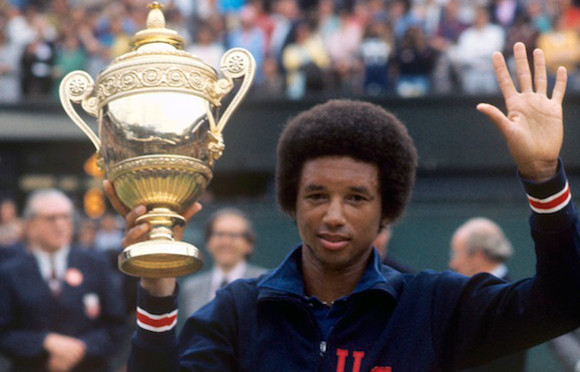
Arthur Ashe, The Legendary Wimbledon Player was dying of AIDS which he got due to Infected Blood he received during a Heart Surgery in 1983.

He received letters from his fans, one of which conveyed:

"Why did God have to select you for such a bad disease?

To this Arthur Ashe replied:

50 Million children started playing Tennis,

5 Million learnt to play Tennis,

500 000 learnt Professional Tennis,

50 Thousand came to Circuit,

5 Thousand reached Grandslam,

50 reached Wimbledon,

4 reached the Semifinals,

2 reached the Finals and when I was holding the cup in my hand, I never asked God "Why Me?"


So now that I'm in pain how can I ask God "Why Me?"

Happiness keeps you Sweet!
Trials keeps you Strong!
Sorrows keeps you Human!
Failure keeps you Humble!
Success keeps you Glowing!
But only, Faith keeps you Going.

Sometimes you are unsatisfied with your life, while many people in this world are dreaming of living your life.

A child on a farm sees a plane fly overhead dreams of flying. But, a pilot on the plane sees the farmhouse dreams of returning home. That's life. Enjoy yours...

If wealth is the secret to happiness, then the rich should be dancing on the streets. But only poor kids do that.

Live simply. Walk humbly. Love genuinely.
सर्वे भवन्तु सुखिनः
सर्वे सन्तु निरामयाः ।
सर्वे भद्राणि पश्यन्तु
मा कश्चिद्दुःखभाग्भवेत् ॥

Om Sarve Bhavantu Sukhinah
Sarve Santu Nir-Aamayaah |
Sarve Bhadraanni Pashyantu
Maa Kashcid-Duhkha-Bhaag-Bhavet ॥

May all be in bliss
May all be disease-free
May all see auspicious
May no one suffer


ਸਲੋਕੁ ॥
Shlok
Couplet

ਲੋਇਣ ਲੋਈ ਡਿਠ ਪਿਆਸ ਨ ਬੁਝੈ ਮੂ ਘਣੀ॥
लोइण लोई डिठ पिआस न बुझै मू घणी ॥
Loiṇ loī diṯẖ piās na bujẖai mū gẖaṇī.
I have seen, but my thirst is not quenched

ਨਾਨਕ ਸੇ ਅਖੜੀਆਂ ਬਿਅੰਨਿ ਜਿਨੀ ਡਿਸੰਦੋ ਮਾ ਪਿਰੀ ॥੧॥
नानक से अखड़ीआं बिअंनि जिनी डिसंदो मा पिरी ॥१॥
Nānak se akẖṛīāʼn biann jinī disanḏo mā pirī. ||1||
O Nanak, those eyes are different, that see my love.


Translation:

That thirst is deep that afflicts my eye
That eye is different that sees my Love
Ghazal - Transliterated

Gam Ke Mare Jo Muskuraye Hain,
Aansuoo Ko Bhi Pasine Aaye Hain,

Kya Bala Hai Khushi Nahi Malum,
Hum To Bus Naam Sunte Aaye Hain

Meherbani Khulus Hamdardi
Hamne Kya kya fareb Khaye Hain

Haye Rey Unki Yaad Ka Aalam
Main Yeh Samjha Key Khud Wo Aaye Hain

Faasile Aur bhi Badh Gaye Hain Khumar
Jab Kabhi Woh Kareeb Aaye Hain

Translation

My lover smiled such with pain
that even tears were embarrassed

I don't know what happiness is
I have only heard its name

Gratitude, purity, sympathy etc
I can't count all many deceits 

When my lover came to my memory
I thought that my love had come back

O Khumar, distances have increased further
Whenever my love has come to me


Aao saiyo ral deyo ni vadhaai
Men var paaya raanjha maahi

Ajj taan roz mubaarak chaddeya
Raanjha saade vedde vaddeya.
Hath khundi, modde kambal dhareya,
Chaakaan vaali shakal banayi.
Aao saiyo ral deyo ni vadhai

Mukat gauwaan de vich rulda
Jangal juuhaan de vich rulda
Hai koi allah de val bhulda,
Asal haqiqat khabar na kai.
Aao saiyo ral deyo ni vadhai

Bulle shah ik sauda keeta
Peeta zehar piyaala peeta,
Na kujh laha tota leeta.
Dard dukhaan di gathari chaahi
Aao saiyo ral deyo ni vadhai


Come friends come 
Congratulate me
I have found my love
Come congratulate me

An auspicious day has dawned
My lover has come to my courtyard
In his hand he has a staff.
A blanket covers his shoulders.
He is so humble, so lowly
Friends, come congratulate me

His crown rolls among the cattle.
In pastures and forests he wanders.
Could anyone tell he's the Lord?
No one can tell who really is he
Friends, come congratulate me

Bulleh Shah struck a deal 
He drank a cup of poison
He didn't care for gain or loss
He picked up a sack of grief
Friends, come congratulate me

Also: Avoh ni saiyo ral devoh ni vadhayi
Main var paaya raanjhan maahi


Jasbir Jassi: https://youtu.be/U1S-i7J8SyQ
Hans Raaj Hans: https://youtube.com/watch?v=J028h5dDGa8

Farida eh jo disdiyaan dheriyaan
Jinna 

For Complete Lyrics in Gurmukhi:

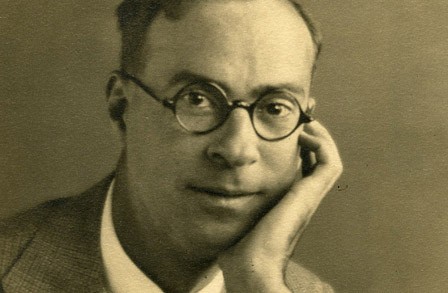
Here is a very well researched article on Tagore and Sikhism ... 

Tagore and Sikhism

Monday 20 October 2014, by Amiya Dev

Rabindranath Tagore wrote six poems on Sikh heroism and martyrdom, two in 1888, three in 1898, and one in 1935. Of them three are on Guru Gobind Singh, one on Banda Bahadur, one on Bhai Torusingh, and one on the boy, Nehal Singh.

The Guru Gobind Singh poems are spaced between his twenty year-long sâdhanâ to be worthy of his leadership, and his death, the height of the sâdhanâ being his refusal to a rich gift brought by a disciple (the theme so enthralled Tagore that he wrote the same poem twice and on the same day), and the death being self sought in expiation for a thoughtless killing.

The Banda Bahadur and Nehal Singh poems are built around the Mughal siege and eventual fall of the Gurudaspur fort and the subsequent carnage and martyrdom, especially of the two of them, Banda being forced to kill his own son and Nehal Singh defying his mother’s plea that he wasn’t Sikh.

Martyrdom is also the theme of the Torusingh poem, he offering his head with his braid which his captor had asked him to cut off.

The poems were preceded in 1885 by three essays addressed to the juvenile readers of the Jorasanko house—one on Guru Nanak’s life in the background of his father’s money-mindedness; a second one on the heroic Guru Gobind Singh ever fighting for Sikh indepen-dence; and a final one on that independence as attained and bloodily guarded by Banda Bahadur and others until the advent of Maharaja Ranjit Singh.

Tagore had visited Amritsar at the age of eleven in 1873 with his father, Debendranath, on their way to the Himalayas. The latter had come to Amritsar before, his interest in Sikh monotheism as propounded by Guru Nanak much influencing his Brahmo faith. In Tagore’s autobiography, My Reminiscences (1912), he recalls his sense of wonder as a boy at the Golden Temple:

“I remember the Gurudarbar at Amritsar like a dream. Many days with father I walked to that Sikh temple in the middle of a lake. Prayers were being said there all the time. My father would sit among those Sikh worshippers and at some point join in the singing; on hearing their songs of devotion from an outsider they would be much inspired and respect him. ... Once he had a singer from the Gurudarbar come to our house and sing bhajans for him.”

On his earlier trip in 1857 Debendranath had collected the famous Nanak bani ‘gagan mai thâlu ravi-candu dÑpak bane...’,translated it into Bengali, had that translation printed, and either he himself or had his son Jyotirindranath set it to music. Young Rabi must have sung it at Brahmo festivals. The âratÑ motif of this song (‘kaisÑ âratÑ hai/bhavakhandanâ terÑ âratÑ’) may remind us of a song Tagore wrote a few years later, in 1884: ‘Tânhâre ârati kare candra tapan ...’ (Him the moon and sun offer ârati ...), a song Vivekananda was fond of.

Similarly, his other devotional songs of the mid-eighties may not be very far from the spirit of Nanak-bani—for instance, ‘e parabâse rabe ke hây ...’ (How go on with this sojourn here ...: 1885) and ‘andhajane deho âlo, mritajane deho prân ...’ (Give light to the blind, give life to the dead ...: 1886).

Later, in 1909, he came across a pleasant Sikh bhajan—‘bâdoi bâdoi ramyabÑnâ bâdoi ...’—which he translated into Bengali (‘bâje bâje ramyabÑnâ bâje ...’ [The lovely binâ breaks into music ...] and developed into a regular song with two additional stanzas (‘nâce nâce ramyatâle nâce ...’ [Dances in a lovely beat ...] and ‘sâje sâje ramyabeœe sâje ...’ [Dresses in lovely attire ...].

Another Sikh bhajan he translated and published in 1914 was: ‘e Hari sundar e Hari sundar ...’, the translation being close to the original, with no change in the first line, for instance.

1909 to 1914, in fact somewhat earlier than 1909 to somewhat later than 1914, was a period in Tagore’s career as a poet-composer when the spirit of Nanak, and Kabir, and a number of other Sants from medieval India seemed to have fit into his creative psyche. We recall that in 1914 he brought out, with assistance from Evelyn Underhill, One Hundred Poems of Kabir. Notwithstanding the scholarly doubt about the full authenticity of his Kabir sources, his regard for Kabir was unbounded. But some of his Western admirers’ putting Kabir and him on the same scale and preferring Kabir to him was misjudgement, for Kabir was primarily a Sant whose poetry, oral, was only an effective medium. Tagore, on the other hand, was primarily a poet and composer (Sant Tagore would indeed be a travesty), fully conscious of his craft, experiencing a degree of devotion in the period we are talking of. Obviously the same distinction applies to Guru Nanak and Tagore, Sant and poet. (Perhaps we would understand this distinction better if we place Tagore beside someone nearer home—Rama-krishna Paramahamsa whose words were as full of faith as wisdom and who by all means was a saint.)

To Tagore Kabir and Nanak were true propagators of what he meant by dharma; and what he meant by dharma would perhaps be clear from the following excerpts from his essay, ‘The Simple Ideal of Dharma’ (1903):

“If I have to light a lamp at home, I have to make much effort ... I have to keep track of where mustard is sown, where oil is pressed from it, whereabouts of the oil market, and then there is all the going about dressing up an oil lamp—after such elaborations what meagre light do I get? My immediate purpose may be served, but it only doubles the darkness outside.

“To get the world-revealing morning light I don’t have to depend on anyone—don’t have to manufacture it; all I have to do is wake up. As I open my eyes and unbar my door that light floods in which no one can stop. ...

“As this great light is, so is dharma. It too is immense, it too is simple. It is God gifting Himself—it is timeless, it is boundless; ... To have it, we only need to ask for it, to open our hearts.”

It is in this perspective that we may look up his essay on ‘Shivaji and Guru Gobind Singh’ written in 1910 as preface to Sarat Kumar Roy’s book, Sikh Guru o Sikh Jâti. While Maratha history under Shivaji was political (and a history that eventually failed), Sikh history at the outset was religious.

‘The freedom that Baba Nanak had felt was not political freedom; his sense of dharma was not constricted by the worship of deities that was limited to a certain land’s or people’s imagination and habit, and did not accommodate the universal human heart, on the contrary restrained it; his heart was free from the bonds of these narrow mythological religions and he dedicated his life to preaching that freedom to all.’

‘But come to be oppressed by the Mughals the disciples (œishya>Œikh) of Nanak turned into a community of their own, and for that reason their prime effort became defending themselves from harassment and surviving, rather than preaching religion all around. ... Their last Guru was especially devoted to this task.’

This was the thrust of Tagore’s argument. He summed it up in the following words:

‘Nanak gave a call to his disciples to be free from selfishness, religious bigotry and spiritual inertia ... Guru Gobind bound the Sikhs to a particular necessity, and so that they are never forgetful of it he imprinted it in their hearts by name, attire, ritual and several other means.’

Tagore bemoaned the outcome of Sikh history. Like a river it had issued from a snowy mountain peak, but instead of making its way to the ocean it has gone meandering in the sand.

We know that this reading of Sikh history did not at all go down well with intellectuals and historians, Sikh or non-Sikh, except for Jadunath Sarkar who printed its English version in The Modern Review in 1911. What is of more immediate interest is what caused Tagore’s shift from his earlier admiration for Guru Gobind Singh. His disillusion with karma bereft of dharma must have come from the excesses and the communally exclusive nature of the Swadeshi and Boycott movements in Bengal, keeping the Bengal Muslims at bay and causing Hindu-Muslim riots. He himself had been part of these movements but soon withdrew. The ground was getting ready for his first political novel Ghare-Baire (1916: The Home and the World) which would draw no less fleck than the essay on Sikh history. It was a coincidence, yet perhaps no coincidence, that he would write his Nationalism lectures the same year in Japan that were not without a bearing on nationalism or nationalisms in India.

Jallianwala Bagh might have been anywhere in India and Tagore would have protested, but it being in Amritsar might have had an extra association for him. Yet the estrangement caused by the Sikh history essay went on for over two decades. Eventually during his visit to Lahore in 1935 things cleared up. Tagore addressed the Fifth Punjab Students’ Conference, read his poetry at the YMCA, had a warm reception from the local Sikh leaders, visited a Gurudwara, and reportedly issued a press statement confirming his regard for Sikhism. And it was on his return to Kolkata that he wrote his sixth and last Sikh poem, the one on Nehal Singh’s martyrdom.

[All translations from the Bengali are mine. Special acknowledgement: Professor Harjeet Singh Gill.—A.D.]

Nothing Is Far
- Robert Francis

Though I have never caught the word
Of God from any calling bird,
I hear all that the ancients heard.

Though I have seen no deity
Enter or leave a twilit tree,
I see all that the seers see.

A common stone can still reveal
Something not stone, not seen, yet real.
What may a common stone conceal?

Nothing is far that once was near.
Nothing is hid that once was clear.
Nothing was God that is not here.

Here is the bird, the tree, the stone.
Here in the sun I sit alone
Between the known and the unknown.

Lyrics to George Harrison's most popular song on youtube:

My sweet lord
Hm, my lord
Hm, my lord

I really want to see you
Really want to be with you
Really want to see you lord
But it takes so long, my lord


Newer Posts Older Posts Home

SHIVPREET SINGH

Singing oneness!
- Shivpreet Singh

Related Posts

Popular - 30 days

  • Vande Mataram - Lyrics and Translation
    I love the Vande Maataram composition in Raag Des sung by Lata Mangeshkar.  Vande Mataram is the national song of India. In 2003, BBC World ...
  • Kabir's Gao Gao Ri Dulhani - Lyrics and meanings
    One of my favorite Kabir's poem I call "Dulhani." In this beautiful poem, Kabir envisions himself as the bride and the univers...
  • The Many Types of Raag Malhar
    Pour love in your heart, like the rain pours on the land today. As I am working on a Meerabai song I am doing research on the different vari...
  • Praising Shri Krishna in the Guru Granth Sahib - Dhan Dhan O Raam Ben by Bhagat Namdev
    I made a new composition for this shabad today. Hopefully I will get to record it one day. I'd like to focus our discussion on this part...
  • Sanson Ki Mala Pe - Lyrics, Translation and Background
    Sanson ki Maala was made famous by Nusrat Fateh Ali Khan sahib.  Although some have attributed this song to Mirabai and Khusro, this is a gh...
  • Jindari Lutti by Ghulam Farid - Lyrics/Translation and Performance by Bade Ghulam Ali Khan (Also Rohi or Dilri Lutti)
    Bade Ghulam Ali Khan's version of this Multani Kafi This is a beautiful spiritual song of separation written by Ghulam Farid.  I recentl...
  • Shunya Gadh Shehar - Gorakhnath Bhajan Composed by Pt. Kumar Gandharva
    Listening to this beautiful bhajan today by Pt. Kumar Gandharva.  I don't know if this is authentically by Gorakhnath, but it made me th...
  • Samrath Guru - Video and Translation
    Sometime last year I heard this haunting melody from Nirinjan Kaur ... and fell in love with it. Since then I have been singing it and recor...
  • Loving in the night - a poem by Rabi'a
    [O my Lord] by rabi'A Translated by Jane hirshfield O my Lord, the stars glitter and the eyes of men are closed. Kings have locked their...
  • Love and the Mool Mantra
    Guru Nanak's teachings are undoubtedly about love. So are Guru Arjan's teachings. The Mool Mantra is given the highest importance i...

Blog Archive

  • ▼  2026 (12)
    • ▼  June (1)
      • Translation of Laavan - Shivpreet Singh
    • ►  May (1)
    • ►  April (1)
    • ►  March (6)
    • ►  February (1)
    • ►  January (2)
  • ►  2025 (24)
    • ►  October (5)
    • ►  September (7)
    • ►  August (2)
    • ►  July (2)
    • ►  June (3)
    • ►  March (1)
    • ►  February (2)
    • ►  January (2)
  • ►  2024 (21)
    • ►  December (1)
    • ►  November (2)
    • ►  October (3)
    • ►  September (2)
    • ►  August (4)
    • ►  July (2)
    • ►  June (3)
    • ►  May (1)
    • ►  April (1)
    • ►  February (1)
    • ►  January (1)
  • ►  2023 (41)
    • ►  December (4)
    • ►  November (3)
    • ►  October (4)
    • ►  September (7)
    • ►  August (5)
    • ►  July (7)
    • ►  June (3)
    • ►  May (3)
    • ►  April (1)
    • ►  March (1)
    • ►  February (3)
  • ►  2022 (8)
    • ►  March (2)
    • ►  January (6)
  • ►  2021 (139)
    • ►  December (15)
    • ►  November (2)
    • ►  October (6)
    • ►  September (7)
    • ►  August (2)
    • ►  July (4)
    • ►  May (21)
    • ►  April (21)
    • ►  March (35)
    • ►  February (23)
    • ►  January (3)
  • ►  2020 (150)
    • ►  December (2)
    • ►  November (13)
    • ►  October (32)
    • ►  September (47)
    • ►  August (37)
    • ►  July (5)
    • ►  June (3)
    • ►  May (3)
    • ►  April (3)
    • ►  March (2)
    • ►  February (1)
    • ►  January (2)
  • ►  2019 (43)
    • ►  December (5)
    • ►  November (8)
    • ►  October (13)
    • ►  September (4)
    • ►  July (3)
    • ►  June (1)
    • ►  May (2)
    • ►  March (1)
    • ►  February (1)
    • ►  January (5)
  • ►  2018 (53)
    • ►  December (8)
    • ►  November (5)
    • ►  October (3)
    • ►  September (4)
    • ►  August (6)
    • ►  July (3)
    • ►  June (4)
    • ►  May (6)
    • ►  April (5)
    • ►  March (2)
    • ►  February (4)
    • ►  January (3)
  • ►  2017 (73)
    • ►  December (2)
    • ►  November (12)
    • ►  October (8)
    • ►  September (1)
    • ►  August (7)
    • ►  July (6)
    • ►  June (12)
    • ►  May (5)
    • ►  April (4)
    • ►  March (8)
    • ►  February (3)
    • ►  January (5)
  • ►  2016 (141)
    • ►  December (1)
    • ►  November (9)
    • ►  October (16)
    • ►  September (19)
    • ►  August (2)
    • ►  July (5)
    • ►  June (7)
    • ►  May (3)
    • ►  April (18)
    • ►  March (34)
    • ►  February (16)
    • ►  January (11)
  • ►  2015 (28)
    • ►  December (1)
    • ►  November (1)
    • ►  October (2)
    • ►  September (12)
    • ►  August (1)
    • ►  May (1)
    • ►  April (7)
    • ►  March (1)
    • ►  February (1)
    • ►  January (1)
  • ►  2014 (107)
    • ►  December (1)
    • ►  November (6)
    • ►  October (1)
    • ►  August (2)
    • ►  July (1)
    • ►  June (11)
    • ►  April (10)
    • ►  March (15)
    • ►  February (24)
    • ►  January (36)
  • ►  2013 (242)
    • ►  December (13)
    • ►  October (5)
    • ►  September (3)
    • ►  August (3)
    • ►  June (7)
    • ►  May (62)
    • ►  April (79)
    • ►  March (12)
    • ►  February (23)
    • ►  January (35)
  • ►  2012 (145)
    • ►  December (29)
    • ►  November (31)
    • ►  October (44)
    • ►  September (5)
    • ►  August (9)
    • ►  July (7)
    • ►  June (1)
    • ►  May (3)
    • ►  April (1)
    • ►  March (4)
    • ►  February (9)
    • ►  January (2)
  • ►  2011 (252)
    • ►  December (1)
    • ►  November (1)
    • ►  October (4)
    • ►  September (13)
    • ►  August (28)
    • ►  July (44)
    • ►  June (33)
    • ►  May (15)
    • ►  April (2)
    • ►  March (45)
    • ►  February (43)
    • ►  January (23)
  • ►  2010 (70)
    • ►  December (31)
    • ►  November (20)
    • ►  October (2)
    • ►  September (3)
    • ►  August (1)
    • ►  July (2)
    • ►  May (5)
    • ►  March (4)
    • ►  February (1)
    • ►  January (1)
  • ►  2009 (15)
    • ►  December (1)
    • ►  November (3)
    • ►  October (2)
    • ►  September (2)
    • ►  August (1)
    • ►  June (1)
    • ►  April (1)
    • ►  March (1)
    • ►  February (1)
    • ►  January (2)
  • ►  2008 (15)
    • ►  November (1)
    • ►  July (2)
    • ►  June (5)
    • ►  May (1)
    • ►  April (2)
    • ►  March (1)
    • ►  February (1)
    • ►  January (2)
  • ►  2007 (9)
    • ►  November (4)
    • ►  October (2)
    • ►  September (1)
    • ►  August (2)
  • ►  1999 (1)
    • ►  May (1)

Message

Name

Email *

Message *

Twitter

Tweets by @shivpreetsingh


Copyright © Shivpreet Singh. Designed by OddThemes