Shivpreet Singh
Shivpreet Singh
  • Home
  • Music
    • Spotify
    • Apple Music
    • Amazon
    • Pandora
    • SoundCloud
    • Google
    • You Tube
      • Music on YouTube
      • Uplifting Shabads
      • Guru Nanak Shabads
      • Meditation & Chanting
      • Shabads for Kids
      • Shabads of Guru Arjan
      • Shabads of Guru Gobind Singh
  • Videos
    • Latest
    • Popular
    • Uplifting
    • Guru Nanak
    • Meditation
    • For Kids
    • Guru Arjan
    • Guru Gobind Singh
  • Projects
    • DhunAnand Foundation
    • Pandemic 2020
    • Guru Nanak 550
    • Namdev 750
    • Thoughts and Ruminations
    • What I Love to Read
  • News
  • Meet Me
    • Meet Me
    • Request
    • Send Email
    • Newsletter
    • FAQs
  • About
    • Biography
    • Photos
    • Music
    • FAQs
The internment of Japanese Americans in the United States during World War II was the forced relocation and incarceration in camps in the interior of the country between 110,000 and 120,000 people of Japanese ancestry who had lived on the Pacific coast. Sixty-two percent of the internees were United States citizens. President Franklin D. Roosevelt ordered the incarceration shortly after Imperial Japan's attack on Pearl Harbor.

In 1991, President George Bush wrote a letter of Apology. The letter of apology was important for the United States. Because as a country that believes in freedom, justice and equality, the internment was against the founding principles of the nation. And rightly so, he mentioned in his letter, that with this apology he had "renewed (our) traditional commitment to the ideals of freedom, equality, and justice."

The following is the complete text of this letter:


Transcript of the Letter to Japanese

THE WHITE HOUSE
WASHINGTON

A monetary sum and words alone cannot restore lost years or erase painful memories; neither can they fully convey our Nation’s resolve to rectify injustice and to uphold the rights of individuals. We can never fully right the wrongs of the past. But we can take a clear stand for justice and recognize that serious injustices were done to Japanese Americans during World War II.

In enacting a law calling for restitution and offering a sincere apology, your fellow Americans have, in a very real sense, renewed their traditional commitment to the ideals of freedom, equality, and justice. You and your family have our best wishes for the future.

Sincerely,
George Bush

George H. W. Bush, LETTER FROM PRESIDENT BUSH TO INTERNEES (1991). Courtesy of California State University—Sacramento, the Department of Special Collections and University Archives.
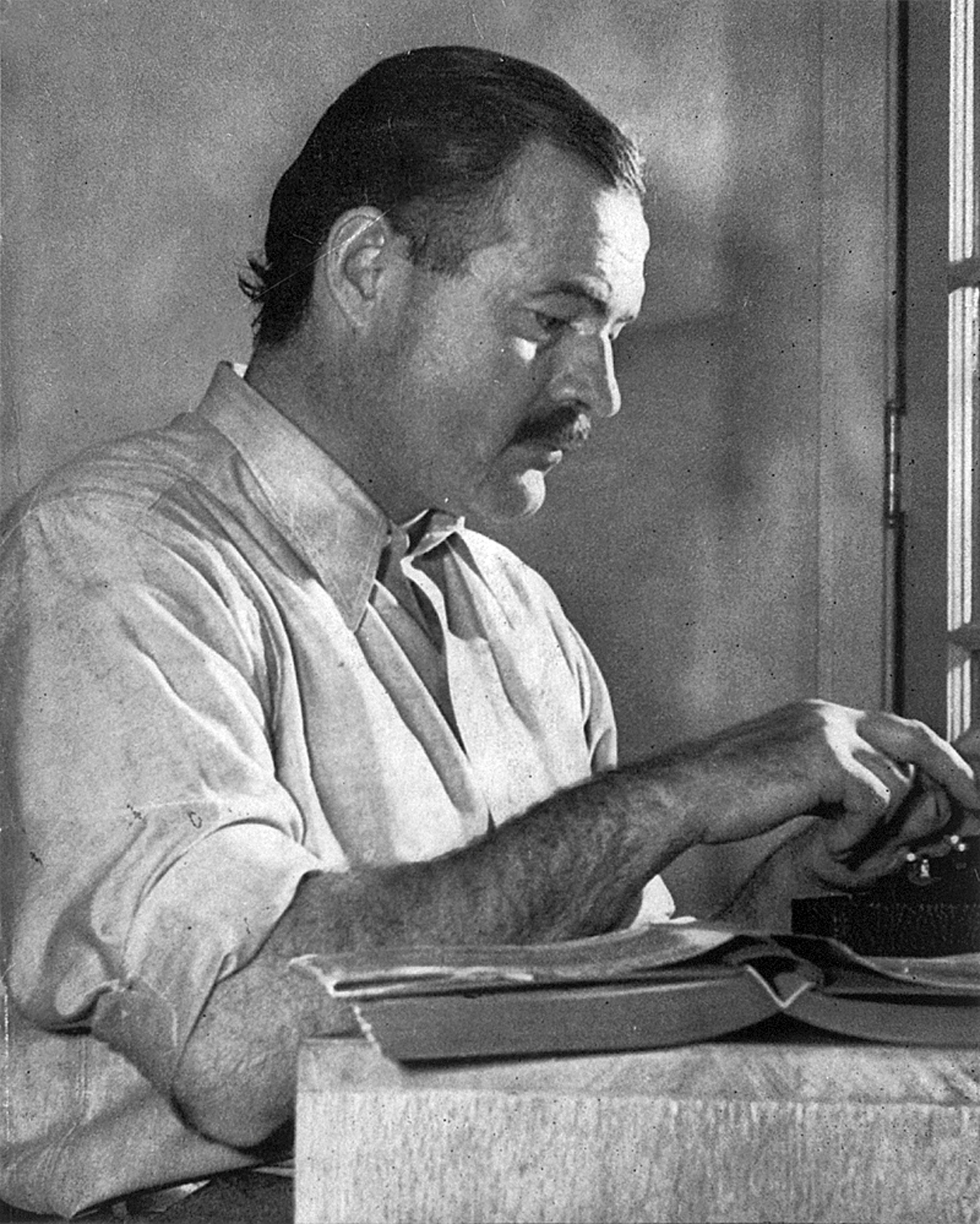
Hemingway was an American writer and journalist who was well traveled, lived during the first world war, the Spanish Civil War, the second world war, and wrote much about his own experiences, even in his fictional writing.  I am recommending the following two pieces for reading:

The first one is an article in the New York Times, Getting to Zero in which the author David Brooks writes about visiting Hemingway's residence in Havana, Cuba. David Brooks writes a kind of a critique on Hemingway and his writing, and also gives advice for artists and writers in his essay.

Questions for this reading:
In what way was Hemingway not healthy?
Was he able to write well even though he might not have been healthy? Why or why not?
According to David Brooks in what 3 ways Hemingway was able to achieve greatness in his writing? (Paras 10-12)
What does David Brooks mean by "Getting to Zero"? (Answers in para 9 and 13)

The second interesting reading is a very short story by Hemingway called "The Old Man at the Bridge" -- this can be something younger kids can also read.  There is also a list of questions following the short story.

For folks who want to read more here is a list.  For Whom the Bell Tolls is one of his most liked novels (top on the Amazon sales charts).  The Old Man and the Sea and The Sun Also Rises are two other good novels. All of these have movie renditions, and I believe the rendition for For Whom the Bell Tolls is actually pretty good.

Links To the Readings:
http://www.nytimes.com/2016/04/26/opinion/getting-to-zero.html
https://en.wikipedia.org/wiki/Ernest_Hemingway
http://www.publishersweekly.com/pw/by-topic/industry-news/tip-sheet/article/62748-best-hemingway-books.html
http://shivsangels.blogspot.com/2016/04/no-man-is-island-for-whom-bell-tolls.html
http://rauschreading09.pbworks.com/f/The+Old+Man+at+the+Bridge+packet.pdf
https://www.marxists.org/history/usa/parties/cpusa/1939/08/0814-openletter.pdf
http://www.editoreric.com/greatlit/authors/Hemingway.html
http://www.amazon.com/s/ref=nb_sb_noss_1?url=search-alias%3Daps&field-keywords=hemingway

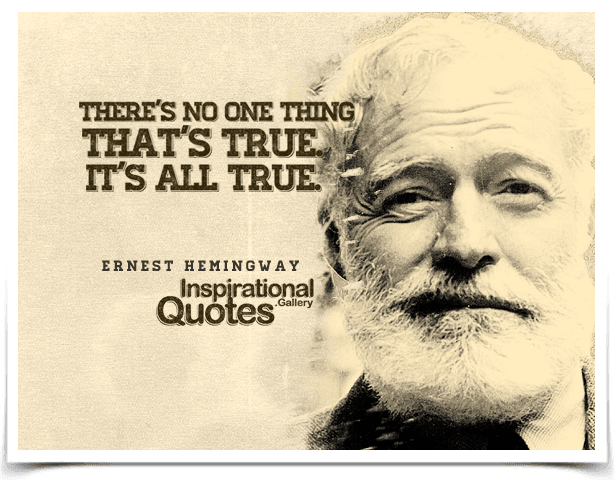
“There is no one thing that is true. It is all true.” – Hemingway in "For Whom the Bell Tolls"


I am listening to this unusual shabad by Kabir today:

The words if you read the direct translation below are somewhat confusing, but a deeper read tells you Kabir is talking about transformation here.  The perverse animalistic instincts have left Kabir and he is transformed. The one who was an elephant is now an adriot guitar player; the rhythmless ox is a drummer, and the harsh voiced crow is now playing sweet cymbals.

Kabir has been transformed.  Kabir's own body was like the dried kakri tree.  But the lord has ripened mangoes on this tree.  And Kabir is consuming these sweet mangoes.  We all have the potential to transform our inner kakri tree, to ripen the mangoes within us, and to partake of them.

Enjoy listening and reading:


ਆਸਾ ॥
Aasaa:

ਫੀਲੁ ਰਬਾਬੀ ਬਲਦੁ ਪਖਾਵਜ ਕਊਆ ਤਾਲ ਬਜਾਵੈ ॥
The elephant is the guitar player, the ox is the drummer, and the crow plays the cymbals.
ਪਹਿਰਿ ਚੋਲਨਾ ਗਦਹਾ ਨਾਚੈ ਭੈਸਾ ਭਗਤਿ ਕਰਾਵੈ ॥੧॥
Putting on the skirt, the donkey dances around, and the water buffalo performs devotional worship. ||1||

ਰਾਜਾ ਰਾਮ ਕਕਰੀ ਆਬਰੇ ਪਕਾਏ ॥ *
The king has ripened mangoes on the dry Kakri tree
ਕਿਨੈ ਬੂਝਨਹਾਰੈ ਖਾਏ ॥੧॥ ਰਹਾਉ ॥
but only the rare man of understanding eats them. ||1||Pause||
* Note that some texts say "ਕਕਰੀਆ ਬਰੇ" but it should be "ਕਕਰੀ ਆਬਰੇ"
ਬੈਠਿ ਸਿੰਘੁ ਘਰਿ ਪਾਨ ਲਗਾਵੈ ਘੀਸ ਗਲਉਰੇ ਲਿਆਵੈ ॥
Sitting in his den, the lion prepares the betel leaves, and the muskrat brings the betel nuts.
ਘਰਿ ਘਰਿ ਮੁਸਰੀ ਮੰਗਲੁ ਗਾਵਹਿ ਕਛੂਆ ਸੰਖੁ ਬਜਾਵੈ ॥੨॥
Going from house to house, the mouse sings the songs of joy, and the turtle blows on the conch-shell. ||2||

ਬੰਸ ਕੋ ਪੂਤੁ ਬੀਆਹਨ ਚਲਿਆ ਸੁਇਨੇ ਮੰਡਪ ਛਾਏ ॥
The son of the sterile woman goes to get married, and the golden canopy is spread out for him.
ਰੂਪ ਕੰਨਿਆ ਸੁੰਦਰਿ ਬੇਧੀ ਸਸੈ ਸਿੰਘ ਗੁਨ ਗਾਏ ॥੩॥
He marries a beautiful and enticing young woman; the rabbit and the lion sing their praises. ||3||

ਕਹਤ ਕਬੀਰ ਸੁਨਹੁ ਰੇ ਸੰਤਹੁ ਕੀਟੀ ਪਰਬਤੁ ਖਾਇਆ ॥
Says Kabeer, listen, O Saints - the ant has eaten the mountain.
ਕਛੂਆ ਕਹੈ ਅੰਗਾਰ ਭਿ ਲੋਰਉ ਲੂਕੀ ਸਬਦੁ ਸੁਨਾਇਆ ॥੪॥੬॥
The turtle says, "I need a burning coal, also". Listen to this mystery of the Shabad. ||4||6||

Links on similar topics/shabads about transformation:

https://www.youtube.com/watch?v=Z-4TgO-q7Us
https://www.youtube.com/watch?v=dkunCziCQVg
http://www.srigranth.org/servlet/gurbani.gurbani?Action=Page&Param=477&g=1&h=1&r=1&t=1&p=0&fb=0&k=1
http://www.srigranth.org/servlet/gurbani.gurbani?Action=Page&Param=1359&punjabi=t&id=58055
http://www.srigranth.org/servlet/gurbani.gurbani?Action=Page&Param=1411&punjabi=t&id=59898
http://www.srigranth.org/servlet/gurbani.gurbani?Action=Page&Param=326&punjabi=t&id=14916
http://www.srigranth.org/servlet/gurbani.gurbani?Action=Page&Param=239&punjabi=t&id=10469


I am reading about Ernest Hemingway and his novel "For whom the bell tolls" and this is the best explanation of the title:


John Donne (1572-1631), 
Devotions Upon Emergent Occasions, 
Meditation XVII: Nunc Lento Sonitu Dicunt, Morieris:
"Perchance he for whom this bell tolls may be so ill, as that he knows not it tolls for him; and perchance I may think myself so much better than I am, as that they who are about me, and see my state, may have caused it to toll for me, and I know not that.
...
No man is an island, entire of itself; every man is a piece of the continent, a part of the main. If a clod be washed away by the sea, Europe is the less, as well as if a promontory were, as well as if a manor of thy friend's or of thine own were: any man's death diminishes me, because I am involved in mankind, and therefore never send to know for whom the bells tolls; it tolls for thee."
Donne lived in Tudor and Stewart England, and at that time the tolling of church bells to mark various events was an important feature of daily life. The tolling referred to in the quotation is, of course, that of funeral bells. Donne's view, which has, oddly for a 17th century Christian, much in common with 21st century eastern religions, was that all people are socially and spiritually interconnected; for example, the contemporary Buddhist view is demonstrated by the reply given by the Dalai Lama, when asked during a visit to Northern Ireland how the warring Protestants and Catholics could co-exist: "Remember we are all one - all the same". Donne seems to be saying that whatever affects one affects us all. This is highlighted by the famous 'no man is an island' line at the beginning of the 'for whom the bells tolls' paragraph.

Donne's Meditations concern man's spiritual and social functioning, especially with regard to illness and death. They are somewhat mystical and difficult to interpret, especially without the benefit of experience of the nuances of the social and religious sensibilities of a 17th century Englishman. It is a testament to Donne's insight that the work contains much that strikes deep chords with people living and dying today.

There's some debate about what precisely what was meant. Some think that Donne was simply pointing out people's mortality and that when a funeral bell was heard it was a reminder that we are nearer death each day, that is, the bell is tolling for us. Others view it more mystically and argue that Donne is saying we are all one and that, when one dies, we all die a little. This isn't as bleak as it might sound, as the counterpoint would be that there is some part of the living in the dead and that we continue a form of life after death.

Ernest Hemingway helped to make the phrase commonplace in the language when he chose to use the quotation for the title of his 1940-published book about the Spanish Civil War. Hemingway refers back to 'for whom the bells tolls' and to 'no man is an island' to demonstrate and examine his feelings of solidarity with the allied groups fighting the fascists. There was a strong feeling amongst many intellectuals around the world at the time that it was a moral duty to fight fascism, which they feared may take root world-wide if not checked. 

This view was given voice later in the well-known poem First They Came for the Jews, attributed to Pastor Martin Niemöller:


First they came for the Jews
and I did not speak out
because I was not a Jew.

Then they came for the Communists
and I did not speak out
because I was not a Communist.

Then they came for the trade unionists
and I did not speak out
because I was not a trade unionist.

Then they came for me
and there was no one left to speak out for me. 


Hemingway adapted the novel as the screenplay to a successful 1943 film of the same title, starring Gary Cooper and Ingrid Bergman.

Mark Twain's poetry was often romantic. One example was "A Marriage" believed to have been written for his wife, Olivia Langdon (Livy). It was apparently written a few months before they married. The Twains remained married for thirty-four years. Livy was responsible for the editing and final approval of his works.

A Marriage
Makes of two fractional lives a whole;
It gives to two purposeless lives a work
And doubles the strength of each to perform it
It gives to two questioning natures a reason for living,
And something to live for;
It will give a new gladness to the sunshine,
A new fragrance to the flowers,
A new beauty to the earth,
And a new mystery to life


Wedding Letter


Also interesting is self-deprecating letter Mark Twain wrote to his family telling them about Livy: 

My dear Mother & Brother & Sisters & Nephew & Niece, & Margaret: 

This is to inform you that on yesterday, the 4th of February, I was duly & solemnly & irrevocably engaged to be married to Miss Olivia L. Langdon, of Elmira, New York. Amen. She is the best girl in all the world, & the most sensible, & I am just as proud of her as I can be.

It may be a good while before we are married, for I am not rich enough to give her a comfortable home right away, & I don’t want anybody’s help. I can get an eighth of the Cleveland Herald for $25,000, & have it so arranged that I can pay for it as I earn the money with my unaided hands. I shall look around a little more, & if I can do no better elsewhere, I shall take it.

I am not worrying about whether you will love my future wife or not—if you know her twenty-four hours & then don’t love her, you will accomplish what nobody else has ever succeeded in doing since she was born. She just naturally drops into everybody’s affections that comes across her. My prophecy was correct. She said she never could or would love me—but she set herself the task of making a Christian of me. I said she would succeed, but that in the meantime she would unwittingly dig a matrimonial pit & end up tumbling into it—& lo! the prophecy is fulfilled. She was in New York a day or two ago, & George Wiley & his wife Clara know her now. Pump them, if you want to. You shall see her before very long. 

Love to all. Affect’ly 
Sam. 
P.S. Shall be here a week.

Related: 
Emily Dickinson's Advice on Marriage
Kabir's Wedding of the Soul
Krishna's perspective is that duty should be done regardless of fruit.  But what do you think? Should work be done with hope of gaining something, or should it be done without hope.  Here are two perspectives from Cooleridge and Emily Dickinson.  Emily Dickinson perhaps read Cooleridge's "Work without Hope" poem before writing her poem.  She distinguishes between Work, which requires hope, and Service, which does not require hope.  So she claims, work has an end, but service does not have an end.  Service lives forever.  

First, Emily Dickinson:
The Service without Hope—
Is tenderest, I think—
Because ’tis unsustained
By stint—Rewarded Work— 
Has impetus of Gain—
And impetus of Goal—
There is no Diligence like that
That knows not an Until—

Work Without Hope by Cooleridge
1825


ALL Nature seems at work. Slugs leave their lair—
The bees are stirring—birds are on the wing—
And WINTER, slumbering in the open air,
Wears on his smiling face a dream of Spring!
And I, the while, the sole unbusy thing,
Nor honey make, nor pair, nor build, nor sing.

Yet well I ken the banks where amaranths blow,
Have traced the fount whence streams of nectar flow.
Bloom, O ye amaranths! bloom for whom ye may,
For me ye bloom not! Glide, rich streams, away!
With lips unbrighten'd, wreathless brow, I stroll:
And would you learn the spells that drowse my soul?
WORK WITHOUT HOPE draws nectar in a sieve,
And HOPE without an OBJECT cannot live.


Written in 1825, Coleridge’s “Work Without Hope” is a sonnet relating nature to the emotions of the speaker. The imagery used throughout the poem is both a reflection of the natural world and a reference to the speaker’s mental state. Seasons are used in the poem to relate what the speaker is feeling, and how it affects his life. Described as “lines composed on a day in February,” or during the beginning of spring, we realize that the speaker is truly contemplating the ideas presented throughout the poem.

“Work Without Hope” is a sonnet, although it is not written in traditional sonnet form. The development of the poem is presented the same way as in a sonnet; the poem develops in the first 12 lines. The last two lines then present the overall theme of the poem to the reader. Throughout this poem the speaker observes nature at work, and uses the activity to set up a contrast between himself and a busy natural world. This is illustrated throughout the first six lines of the poem, which discuss the beauty of nature using classic terms – "slugs leave their lair/ the bees are stirring – birds are on the wing". The contrast is made quite apparent here: “And I, the while, the sole unbusy thing,/ Nor honey make, nor pair, nor build, nor sing.” We learn that the speaker has come to the realization that while nature is beautiful, he struggles to identify himself within this world of purpose and business. Instead, we see him as an observer, not a participant. These are personal themes throughout Coleridge's life; he often battled with feelings of failure due to a variety of life events. Please refer to the Biography of S.T.C. for more information on this topic. Although Coleridge’s phrase, “WINTER slumbering in the open air/ Wears on his smiling face a dream of Spring” appears trite and unconvincing, this contrived sentence sets up this idyllic setting as a foil for what the speaker has to say about his own purposelessness.

The speaker then develops his conscious thought in the next six lines. Although aware of the beauty that surrounds him, he is also conscious of the unsuccessful picture he presents to such a scene. This is clear when the speaker addressed the world around him, saying, “Bloom, O ye Amaranths! Bloom for whom ye may/ For me ye bloom not! Glide, rich streams, away!” The speaker recognizes that this beauty does not exist for him, and he sees himself as a poor recipient for the natural world. This parallel between nature and man is a prevalent theme throughout Romantic literature, often elaborated upon by Percy Bysshe Shelley, among others. Amaranths, coincidentally, are unfading flowers, and exist as yet another contrast to a speaker who is fading as we speak. He is well aware that he possesses a lack of success: “With lips unbrightened, wreathless brow, I stroll” illustrates his deficiency as compared to this productive natural scene. The speaker is full of despair; he realizes that he has contributed nothing. He is as sterile as the winter that preceded this productive spring season.

The final theme is illustrated and interpreted in the last two lines of the poem. “WORK WITHOUT HOPE draws nectar in a sieve/And HOPE without an OBJECT cannot live” ends Coleridge’s poem and summarizes the overall point. Drawing nectar, the sugary-sweet juice of poetic fame, through a sieve is impossible, as is performing any work without hope. For without hope, there can never be success. This idea is expanded with the statement that hope cannot live without an object, or a point. For if there is nothing to hope for, then where does hope go? It simply drains away. The speaker is isolated in this world of spring beauty, the contrast felt all the more because of the life and production that surrounds him.
Sung in Raag Asa or the color of Hope


Hope - Bhagat Ravidas

I am not afraid of losing my life
I am afraid of losing your love

Prosperity property and wealth are Maya
Your servant's heart doesn't dwell on those

My heart's home is in your lotus feet
Drinking its wash is God's wealth

I am tied by your love's rope
What is the benefit of escaping?

ਆਸਾ ॥
Aasaa:

ਕਹਾ ਭਇਓ ਜਉ ਤਨੁ ਭਇਓ ਛਿਨੁ ਛਿਨੁ ॥
What would it matter, if my body were cut into pieces?
ਪ੍ਰੇਮੁ ਜਾਇ ਤਉ ਡਰਪੈ ਤੇਰੋ ਜਨੁ ॥੧॥
If I were to lose Your Love, Lord, then Your humble servant would be afraid. ||1||


ਤੁਝਹਿ ਚਰਨ ਅਰਬਿੰਦ ਭਵਨ ਮਨੁ ॥
Your lotus feet are the home of my mind.
ਪਾਨ ਕਰਤ ਪਾਇਓ ਪਾਇਓ ਰਾਮਈਆ ਧਨੁ ॥੧॥ ਰਹਾਉ ॥
Drinking in Your Nectar, I have obtained the wealth of the Lord. ||1||Pause||


ਸੰਪਤਿ ਬਿਪਤਿ ਪਟਲ ਮਾਇਆ ਧਨੁ ॥
Prosperity, adversity, property and wealth are just Maya.
ਤਾ ਮਹਿ ਮਗਨ ਹੋਤ ਨ ਤੇਰੋ ਜਨੁ ॥੨॥
Your humble servant is not engrossed in them. ||2||


ਪ੍ਰੇਮ ਕੀ ਜੇਵਰੀ ਬਾਧਿਓ ਤੇਰੋ ਜਨ ॥
Your humble servant is tied by the rope of Your Love.
ਕਹਿ ਰਵਿਦਾਸ ਛੂਟਿਬੋ ਕਵਨ ਗੁਨ ॥੩॥੪॥
Says Ravi Daas, what benefit would I get by escaping from it? ||3||4||


Newer Posts Older Posts Home

SHIVPREET SINGH

Singing oneness!
- Shivpreet Singh

Related Posts

Popular - 30 days

  • Vande Mataram - Lyrics and Translation
    I love the Vande Maataram composition in Raag Des sung by Lata Mangeshkar.  Vande Mataram is the national song of India. In 2003, BBC World ...
  • Man Atkeya Beparwah De Naal - Lyrics and Translation of Shah Hussain
    Man Atkeya Beparwah De Naal - Listening and Singing this kaafi by Shah Hussain today ...  https://www.youtube.com/watch?v=SkYN2XlK1Vg Raag J...
  • Kabir's Gao Gao Ri Dulhani - Lyrics and meanings
    One of my favorite Kabir's poem I call "Dulhani." In this beautiful poem, Kabir envisions himself as the bride and the univers...
  • Earth Day - Finding Peace in Wild Things, and Freedom on Earth
    Those who find love in nature discover a deep and lasting freedom—and in turn, inspire others to seek that same liberation. Poetry, I believ...
  • Dr Manzur Ejaz on Baba Guru Nanak
    I am listening to a lecture by Dr Manzur Ejaz today. He describes one of Guru Nanak's Babarvani shabads at the beginning: Jaisi Main Ave...
  • The Many Types of Raag Malhar
    Pour love in your heart, like the rain pours on the land today. As I am working on a Meerabai song I am doing research on the different vari...
  • Gulon Mein Rang Bhare - Lyrics and Translation of Mehdi Hassan Ghazal
    I was listening and meditating upon this beautiful ghazal by Faiz Ahmed Faiz, beautifully composed by Mehdi Hassan. It is one of my favorite...
  • Sanson Ki Mala Pe - Lyrics, Translation and Background
    Sanson ki Maala was made famous by Nusrat Fateh Ali Khan sahib.  Although some have attributed this song to Mirabai and Khusro, this is a gh...
  • Ve Mahiya Tere Vekhan Nu - Tufail Niazi and Wadali Brothers
    I have recently heard this Bulleh Shah song and it has really touched my heart. Several people have sung it, but I love the original composi...
  • Nasro Mansoor Guru Gobind Singh - Bhai Nand Lal Goya
    I have been singing this shabad for over 30 years; I composed it when I was a teenager. It comes from a fairly long poem of 55 couplets, lyr...

Blog Archive

  • ▼  2026 (10)
    • ▼  April (1)
      • Following the Daisy Because Love is Sweet - Reflec...
    • ►  March (6)
    • ►  February (1)
    • ►  January (2)
  • ►  2025 (24)
    • ►  October (5)
    • ►  September (7)
    • ►  August (2)
    • ►  July (2)
    • ►  June (3)
    • ►  March (1)
    • ►  February (2)
    • ►  January (2)
  • ►  2024 (21)
    • ►  December (1)
    • ►  November (2)
    • ►  October (3)
    • ►  September (2)
    • ►  August (4)
    • ►  July (2)
    • ►  June (3)
    • ►  May (1)
    • ►  April (1)
    • ►  February (1)
    • ►  January (1)
  • ►  2023 (41)
    • ►  December (4)
    • ►  November (3)
    • ►  October (4)
    • ►  September (7)
    • ►  August (5)
    • ►  July (7)
    • ►  June (3)
    • ►  May (3)
    • ►  April (1)
    • ►  March (1)
    • ►  February (3)
  • ►  2022 (8)
    • ►  March (2)
    • ►  January (6)
  • ►  2021 (139)
    • ►  December (15)
    • ►  November (2)
    • ►  October (6)
    • ►  September (7)
    • ►  August (2)
    • ►  July (4)
    • ►  May (21)
    • ►  April (21)
    • ►  March (35)
    • ►  February (23)
    • ►  January (3)
  • ►  2020 (150)
    • ►  December (2)
    • ►  November (13)
    • ►  October (32)
    • ►  September (47)
    • ►  August (37)
    • ►  July (5)
    • ►  June (3)
    • ►  May (3)
    • ►  April (3)
    • ►  March (2)
    • ►  February (1)
    • ►  January (2)
  • ►  2019 (43)
    • ►  December (5)
    • ►  November (8)
    • ►  October (13)
    • ►  September (4)
    • ►  July (3)
    • ►  June (1)
    • ►  May (2)
    • ►  March (1)
    • ►  February (1)
    • ►  January (5)
  • ►  2018 (53)
    • ►  December (8)
    • ►  November (5)
    • ►  October (3)
    • ►  September (4)
    • ►  August (6)
    • ►  July (3)
    • ►  June (4)
    • ►  May (6)
    • ►  April (5)
    • ►  March (2)
    • ►  February (4)
    • ►  January (3)
  • ►  2017 (73)
    • ►  December (2)
    • ►  November (12)
    • ►  October (8)
    • ►  September (1)
    • ►  August (7)
    • ►  July (6)
    • ►  June (12)
    • ►  May (5)
    • ►  April (4)
    • ►  March (8)
    • ►  February (3)
    • ►  January (5)
  • ►  2016 (141)
    • ►  December (1)
    • ►  November (9)
    • ►  October (16)
    • ►  September (19)
    • ►  August (2)
    • ►  July (5)
    • ►  June (7)
    • ►  May (3)
    • ►  April (18)
    • ►  March (34)
    • ►  February (16)
    • ►  January (11)
  • ►  2015 (28)
    • ►  December (1)
    • ►  November (1)
    • ►  October (2)
    • ►  September (12)
    • ►  August (1)
    • ►  May (1)
    • ►  April (7)
    • ►  March (1)
    • ►  February (1)
    • ►  January (1)
  • ►  2014 (107)
    • ►  December (1)
    • ►  November (6)
    • ►  October (1)
    • ►  August (2)
    • ►  July (1)
    • ►  June (11)
    • ►  April (10)
    • ►  March (15)
    • ►  February (24)
    • ►  January (36)
  • ►  2013 (242)
    • ►  December (13)
    • ►  October (5)
    • ►  September (3)
    • ►  August (3)
    • ►  June (7)
    • ►  May (62)
    • ►  April (79)
    • ►  March (12)
    • ►  February (23)
    • ►  January (35)
  • ►  2012 (145)
    • ►  December (29)
    • ►  November (31)
    • ►  October (44)
    • ►  September (5)
    • ►  August (9)
    • ►  July (7)
    • ►  June (1)
    • ►  May (3)
    • ►  April (1)
    • ►  March (4)
    • ►  February (9)
    • ►  January (2)
  • ►  2011 (252)
    • ►  December (1)
    • ►  November (1)
    • ►  October (4)
    • ►  September (13)
    • ►  August (28)
    • ►  July (44)
    • ►  June (33)
    • ►  May (15)
    • ►  April (2)
    • ►  March (45)
    • ►  February (43)
    • ►  January (23)
  • ►  2010 (70)
    • ►  December (31)
    • ►  November (20)
    • ►  October (2)
    • ►  September (3)
    • ►  August (1)
    • ►  July (2)
    • ►  May (5)
    • ►  March (4)
    • ►  February (1)
    • ►  January (1)
  • ►  2009 (15)
    • ►  December (1)
    • ►  November (3)
    • ►  October (2)
    • ►  September (2)
    • ►  August (1)
    • ►  June (1)
    • ►  April (1)
    • ►  March (1)
    • ►  February (1)
    • ►  January (2)
  • ►  2008 (15)
    • ►  November (1)
    • ►  July (2)
    • ►  June (5)
    • ►  May (1)
    • ►  April (2)
    • ►  March (1)
    • ►  February (1)
    • ►  January (2)
  • ►  2007 (9)
    • ►  November (4)
    • ►  October (2)
    • ►  September (1)
    • ►  August (2)
  • ►  1999 (1)
    • ►  May (1)

Message

Name

Email *

Message *

Twitter

Tweets by @shivpreetsingh


Copyright © Shivpreet Singh. Designed by OddThemes