Shivpreet Singh
Shivpreet Singh
  • Home
  • Music
    • Spotify
    • Apple Music
    • Amazon
    • Pandora
    • SoundCloud
    • Google
    • You Tube
      • Music on YouTube
      • Uplifting Shabads
      • Guru Nanak Shabads
      • Meditation & Chanting
      • Shabads for Kids
      • Shabads of Guru Arjan
      • Shabads of Guru Gobind Singh
  • Videos
    • Latest
    • Popular
    • Uplifting
    • Guru Nanak
    • Meditation
    • For Kids
    • Guru Arjan
    • Guru Gobind Singh
  • Projects
    • DhunAnand Foundation
    • Pandemic 2020
    • Guru Nanak 550
    • Namdev 750
    • Thoughts and Ruminations
    • What I Love to Read
  • News
  • Meet Me
    • Meet Me
    • Request
    • Send Email
    • Newsletter
    • FAQs
  • About
    • Biography
    • Photos
    • Music
    • FAQs
I have started a new translation of this poem by Guru Nanak about dancing. 

The original translation and poem is below.

With intellect as my guitar, and love as my drum;
the music resounding bliss in my heart
with this very devotion, and this very penance,
I dance in this color step after step ||1||

Know that the perfect beat is the singing of eternity;
the dance that fills the mind with pleasure. ||1||Pause||

Beating cymbals of truth and contentment
my ankle bells chime my lasting love.
Many melodies become one vibration,
duality eliminated step after step ||2|

Fear spins around my heart and mind,
whether sitting or standing.
when I finally lie down it will just be ashes
I dance in this color step after step ||3||

I go as a beggar in the company of the inspired
With their spirit may I be inspired myself
O Nanak, chant over and over again
the dance of angels step after step ||4||6||


ਆਸਾ ਮਹਲਾ ੧ ॥
आसा महला १ ॥
Āsā mėhlā 1.
Aasaa, First Mehl:

ਵਾਜਾ ਮਤਿ ਪਖਾਵਜੁ ਭਾਉ ॥
वाजा मति पखावजु भाउ ॥
vājā maṯ pakẖāvaj bẖā▫o.
Make your intellect your instrument, and love your tambourine;

ਹੋਇ ਅਨੰਦੁ ਸਦਾ ਮਨਿ ਚਾਉ ॥
होइ अनंदु सदा मनि चाउ ॥
Ho▫e anand saḏā man cẖā▫o.
thus bliss and lasting pleasure shall be produced in your mind.

ਏਹਾ ਭਗਤਿ ਏਹੋ ਤਪ ਤਾਉ ॥
एहा भगति एहो तप ताउ ॥
Ėhā bẖagaṯ eho ṯap ṯā▫o.
This is devotional worship, and this is the practice of penance.

ਇਤੁ ਰੰਗਿ ਨਾਚਹੁ ਰਖਿ ਰਖਿ ਪਾਉ ॥੧॥
इतु रंगि नाचहु रखि रखि पाउ ॥१॥
Iṯ rang nācẖahu rakẖ rakẖ pā▫o. ||1||
So dance in this love, and keep the beat with your feet. ||1||

ਪੂਰੇ ਤਾਲ ਜਾਣੈ ਸਾਲਾਹ ॥
पूरे ताल जाणै सालाह ॥
Pūre ṯāl jāṇai sālāh.
Know that the perfect beat is the Praise of the Lord;

ਹੋਰੁ ਨਚਣਾ ਖੁਸੀਆ ਮਨ ਮਾਹ ॥੧॥ ਰਹਾਉ ॥
होरु नचणा खुसीआ मन माह ॥१॥ रहाउ ॥
Hor nacẖṇā kẖusī▫ā man māh. ||1|| rahā▫o.
other dances produce only temporary pleasure in the mind. ||1||Pause||

ਸਤੁ ਸੰਤੋਖੁ ਵਜਹਿ ਦੁਇ ਤਾਲ ॥
सतु संतोखु वजहि दुइ ताल ॥
Saṯ sanṯokẖ vajėh ḏu▫e ṯāl.
Play the two cymbals of truth and contentment.

ਪੈਰੀ ਵਾਜਾ ਸਦਾ ਨਿਹਾਲ ॥
पैरी वाजा सदा निहाल ॥
Pairī vājā saḏā nihāl.
Let your ankle bells be the lasting Vision of the Lord.

ਰਾਗੁ ਨਾਦੁ ਨਹੀ ਦੂਜਾ ਭਾਉ ॥
रागु नादु नही दूजा भाउ ॥
Rāg nāḏ nahī ḏūjā bẖā▫o.
Let your harmony and music be the elimination of duality.

ਇਤੁ ਰੰਗਿ ਨਾਚਹੁ ਰਖਿ ਰਖਿ ਪਾਉ ॥੨॥
इतु रंगि नाचहु रखि रखि पाउ ॥२॥
Iṯ rang nācẖahu rakẖ rakẖ pā▫o. ||2||
So dance in this love, and keep the beat with your feet. ||2||

ਭਉ ਫੇਰੀ ਹੋਵੈ ਮਨ ਚੀਤਿ ॥
भउ फेरी होवै मन चीति ॥
Bẖa▫o ferī hovai man cẖīṯ.
Let the fear of God within your heart and mind be your spinning dance,

ਬਹਦਿਆ ਉਠਦਿਆ ਨੀਤਾ ਨੀਤਿ ॥
बहदिआ उठदिआ नीता नीति ॥
Bahḏi▫ā uṯẖ▫ḏi▫ā nīṯā nīṯ.
and keep up, whether sitting or standing.

ਲੇਟਣਿ ਲੇਟਿ ਜਾਣੈ ਤਨੁ ਸੁਆਹੁ ॥
लेटणि लेटि जाणै तनु सुआहु ॥
Letaṇ let jāṇai ṯan su▫āhu.
To roll around in the dust is to know that the body is only ashes.

ਇਤੁ ਰੰਗਿ ਨਾਚਹੁ ਰਖਿ ਰਖਿ ਪਾਉ ॥੩॥
इतु रंगि नाचहु रखि रखि पाउ ॥३॥
Iṯ rang nācẖahu rakẖ rakẖ pā▫o. ||3||
So dance in this love, and keep the beat with your feet. ||3||

ਸਿਖ ਸਭਾ ਦੀਖਿਆ ਕਾ ਭਾਉ ॥
सिख सभा दीखिआ का भाउ ॥
Sikẖ sabẖā ḏīkẖi▫ā kā bẖā▫o.
Keep the company of the disciples, the students who love the teachings.

ਗੁਰਮੁਖਿ ਸੁਣਣਾ ਸਾਚਾ ਨਾਉ ॥
गुरमुखि सुणणा साचा नाउ ॥
Gurmukẖ suṇ▫ṇā sācẖā nā▫o.
As Gurmukh, listen to the True Name.

ਨਾਨਕ ਆਖਣੁ ਵੇਰਾ ਵੇਰ ॥
नानक आखणु वेरा वेर ॥
Nānak ākẖaṇ verā ver.
O Nanak, chant it, over and over again.

ਇਤੁ ਰੰਗਿ ਨਾਚਹੁ ਰਖਿ ਰਖਿ ਪੈਰ ॥੪॥੬॥
इतु रंगि नाचहु रखि रखि पैर ॥४॥६॥
Iṯ rang nācẖahu rakẖ rakẖ pair. ||4||6||
So dance in this love, and keep the beat with your feet. ||4||6||


Can music bend us towards virtues? Can it help us distinguish good from bad? Does it have to have the support of words?  According to Music and Ethics: a mildly interesting view,  a scientific paper written in the Oxford Handbooks music does have the the power to build moral character: "If music enlarges our capacities of emotional empathy (not for everyone, or all music, and not on all occasions), then it has a role to play in building moral character."

Thinking of some philosophers:

"Music is a part of our human nature; it has the power either to improve or to debase our character."
- Boethius (ca. 480–ca. 525)

“Music is a moral law. It gives soul to the universe, wings to the mind, flight to the imagination, a charm to sadness, gaiety and life to everything; It is the essence of order and lends to all that is good, just, and beautiful.”

- Plato

"Music directly imitates the passions or states of the soul...when one listens to music that imitates a certain passion, he becomes imbued withthe same passion; and if over a long time he habitually listens to music that rouses ignoble passions, his whole character will be shaped to an ignoble form."

- Aristotle


Musical training is a more potent instrument than any other, because rhythm and harmony find their way into the inward places of the soul, on which they mightily fasten, imparting grace, and making the soul of him who is rightly educated graceful, or of him who is ill-educated ungraceful.

- Socrates

Good deeds and bad deeds are decided by the king of dharma.  

- Guru Nanak

Shivpreet Singh · Satnaam Meditation (feat. Nicola Offidani)

Out of the cradle endlessly rocking

OUT of the cradle endlessly rocking, 
Out of the mocking-bird's throat, the musical shuttle, 
Out of the Ninth-month midnight, 
Over the sterile sands and the fields beyond, where the child 
leaving his bed wander'd alone, bareheaded, barefoot, 
Down from the shower'd halo, 
Up from the mystic play of shadows twining and twisting as if they 
were alive, 
Out from the patches of briers and blackberries, 
From the memories of the bird that chanted to me, 
From your memories sad brother, from the fitful risings and fallings 
I heard, 
From under that yellow half-moon late-risen and swollen as if with 
tears, 
From those beginning notes of yearning and love there in the mist, 
From the thousand responses of my heart never to cease, 
From the myriad thence-arous'd words, 
From the word stronger and more delicious than any, 
From such as now they start the scene revisiting, 
As a flock, twittering, rising, or overhead passing, 
Borne hither, ere all eludes me, hurriedly, 
A man, yet by these tears a little boy again, 
Throwing myself on the sand, confronting the waves, 
I, chanter of pains and joys, uniter of here and hereafter, 
Taking all hints to use them, but swiftly leaping beyond them, 
A reminiscence sing.
Once Paumanok, 
When the lilac-scent was in the air and Fifth-month grass was 
growing, 
Up this seashore in some briers, 
Two feather'd guests from Alabama, two together, 
And their nest, and four light-green eggs spotted with brown, 
And every day the he-bird to and fro near at hand, 
And every day the she-bird crouch'd on her nest, silent, with bright 
eyes, 
And every day I, a curious boy, never too close, never disturbing 
them, 
Cautiously peering, absorbing, translating.
Shine! shine! shine! 
Pour down your warmth, great sun.' 
While we bask, we two together.
Two together! 
Winds blow south, or winds blow north, 
Day come white, or night come black, 
Home, or rivers and mountains from home, 
Singing all time, minding no time, 
While we two keep together.
Till of a sudden, 
May-be kill'd, unknown to her mate, 
One forenoon the she-bird crouch'd not on the nest, 
Nor return'd that afternoon, nor the next, 
Nor ever appear'd again.
And thenceforward all summer in the sound of the sea, 
And at night under the full of the moon in calmer weather, 
Over the hoarse surging of the sea, 
Or flitting from brier to brier by day, 
I saw, I heard at intervals the remaining one, the he-bird, 
The solitary guest from Alabama.
Blow! blow! blow! 
Blow up sea-winds along Paumanok's shore,- 
I wait and I wait till you blow my mate to me.
Yes, when the stars glisten'd, 
All night long on the prong of a moss-scallop'd stake, 
Down almost amid the slapping waves, 
Sat the lone singer wonderful causing tears.
He call'd on his mate, 
He pour'd forth the meanings which I of all men know.
Yes my brother I know, 
The rest might not, but I have treasur'd every note, 
For more than once dimly down to the beach gliding, 
Silent, avoiding the moonbeams, blending myself with the shadows, 
Recalling now the obscure shapes, the echoes, the sounds and sights 
after their sorts, 
The white arms out in the breakers tirelessly tossing, 
I, with bare feet, a child, the wind waiting my hair, 
Listen'd long and long.
Listen'd to keep, to sing, now translating the notes, 
Following you my brother.
Soothe! soothe! soothe! 
Close on its wave soothes the wave behind, 
And again another behind embracing and lapping, every one close, 
But my love soothes not me, not me.
Low hangs the moon, it rose late, 
It is lagging-O I think it is heavy with love, with love.
O madly the sea pushes upon the land, 
With love, with love.
O night! do I not see my love fluttering out among the breakers? 
What is that little black thing I see there in the white?
Loud! loud! loud! 
Loud I call to you, my love! 
High and clear I shoot my voice over the waves, 
Surely you must know who is here, is here, 
You must know who I am, my love.
Low-hanging moon! 
What is that dusky spot in your brown yellow? 
O it is the shape, the shape of my mate.' 
O moon do not keep her from me any longer.
Land! land! O land! 
Whichever way I turn, O I think you could give me my mate back again 
if you only would, 
For I am almost sure I see her dimly whichever way I look.
O rising stars! 
Perhaps the one I want so much will rise, will rise with some of 
you.
O throat! O trembling throat! 
Sound clearer through the atmosphere! 
Pierce the woods, the earth, 
Somewhere listening to catch you must be the one I want.
Shake out carols! 
Solitary here, the night's carols! 
Carols of lonesome love! death's carols! 
Carols under that lagging, yellow, waning moon! 
O under that moon where she droops almost down into the sea! 
O reckless despairing carols.
But soft! sink low! 
Soft! let me just murmur, 
And do you wait a moment you husky-nois'd sea, 
For somewhere I believe I heard my mate responding to me, 
So faint, I must be still, be still to listen, 
But not altogether still, for then she might not come immediately to 
me.
Hither my love! 
Here I am! here! 
With this just-sustain'd note I announce myself to you, 
This gentle call is for you my love, for you.
Do not be decoy'd elsewhere, 
That is the whistle of the wind, it is not my voice, 
That is the fluttering, the fluttering of the spray, 
Those are the shadows of leaves.
O darkness! O in vain! 
O I am very sick and sorrowful
O brown halo in the sky near the moon, drooping upon the sea! 
O troubled reflection in the sea! 
O throat! O throbbing heart! 
And I singing uselessly, uselessly all the night.
O past! O happy life! O songs of joy! 
In the air, in the woods, over fields, 
Loved! loved! loved! loved! loved! 
But my mate no more, no more with me! 
We two together no more.
The aria sinking, 
All else continuing, the stars shining, 
The winds blowing, the notes of the bird continuous echoing, 
With angry moans the fierce old mother incessantly moaning, 
On the sands of Paumanok's shore gray and rustling, 
The yellow half-moon enlarged, sagging down, drooping, the face of 
the sea almost touching, 
The boy ecstatic, with his bare feet the waves, with his hair the 
atmosphere dallying, 
The love in the heart long pent, now loose, now at last tumultuously 
bursting, 
The aria's meaning, the ears, the soul, swiftly depositing, 
The strange tears down the cheeks coursing, 
The colloquy there, the trio, each uttering, 
The undertone, the savage old mother incessantly crying, 
To the boy's soul's questions sullenly timing, some drown'd secret 
hissing, 
To the outsetting bard.
Demon or bird! (said the boy's soul,) 
Is it indeed toward your mate you sing? or is it really to me? 
For I, that was a child, my tongue's use sleeping, now I have heard 
you, 
Now in a moment I know what I am for, I awake, 
And already a thousand singers, a thousand songs, clearer, louder 
and more sorrowful than yours, 
A thousand warbling echoes have started to life within me, never to 
die.
O you singer solitary, singing by yourself, projecting me, 
O solitary me listening, never more shall I cease perpetuating you, 
Never more shall I escape, never more the reverberations, 
Never more the cries of unsatisfied love be absent from me, 
Never again leave me to be the peaceful child I was before what 
there in the night, 
By the sea under the yellow and sagging moon, 
The messenger there arous'd, the fire, the sweet hell within, 
The unknown want, the destiny of me.
O give me the clew! (it lurks in the night here somewhere,) 
O if I am to have so much, let me have more! 
A word then, (for I will conquer it,) 
The word final, superior to all, 
Subtle, sent up-what is it?-I listen; 
Are you whispering it, and have been all the time, you sea-waves? 
Is that it from your liquid rims and wet sands?
Whereto answering, the sea, 
Delaying not, hurrying not, 
Whisper'd me through the night, and very plainly before daybreak, 
Lisp'd to me the low and delicious word death, 
And again death, death, death, death 
Hissing melodious, neither like the bird nor like my arous'd child's 
heart, 
But edging near as privately for me rustling at my feet, 
Creeping thence steadily up to my ears and laving me softly all 
over, 
Death, death, death, death, death.
Which I do not forget. 
But fuse the song of my dusky demon and brother, 
That he sang to me in the moonlight on Paumanok's gray beach, 
With the thousand responsive songs at random, 
My own songs awaked from that hour, 
And with them the key, the word up from the waves, 
The word of the sweetest song and all songs, 
That strong and delicious word which, creeping to my feet, 
(Or like some old crone rocking the cradle, swathed in sweet 
garments, bending aside,) 
The sea whisper'd me.


The plot:

The plot is about a young boy walking on the beach, who finds two mockingbirds nesting and watches them. The female bird fails to appear one day, and the male bird cries out for her. The bird's cries create an awakening in the boy, who translates what the male is saying in the rest of the poem. As this happens, the boy recognizes the impact of nature on the human soul and his own burgeoning consciousness.


Criticism of this poem:

We have searched this "poem" through with a serious and deliberate endeavor to find out the reason of its being written; to discover some clue to the mystery of so vast an expenditure of words. But we honestly confess our utter inability to solve the problem. It is destitute of all the elements which are commonly desiderated in poetical composition; it has neither rhythm nor melody, rhyme nor reason, metre nor sense. We do solemnly assert, that there is not to be discovered, throughout the whole performance, so much as the glimmering ghost of an idea.

More: [Anonymous]. "Walt Whitman's New Poem." Cincinnati Daily Commercial 28 December 1859: 2.
Whitmans response: [Whitman, Walt]. "All about a Mocking-Bird." New York Saturday Press 7 January 1860: 3.


Another Critic: "My private opinion expressed to you confidentially is, that Whitman found a lot of dictionary-pi going off at auction, bought it for a song, employed a Chinese type-setter from the Bible House to set if up in lines of unequal length, and then sold it to you as an original Poem."
More: Umos. "Walt Whitman's Yawp." New York Saturday Press 14 January 1860: 2.

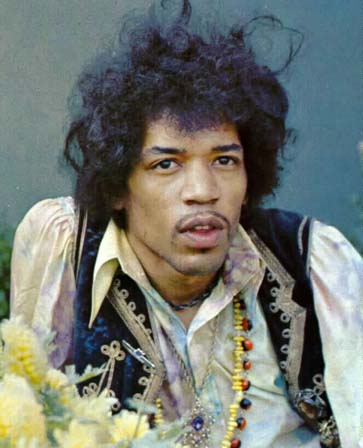
I'm the one that has to die when it's time for me to die, so let me live my life, the way I want to.
Jimi Hendrix

I feel guilty when people say I'm the greatest on the scene. What's good or bad doesn't matter to me; what does matter is feeling and not feeling. If only people would take more of a true view and think in terms of feelings. Your name doesn't mean a damn, it's your talents and feelings that matter. You've got to know much more than just the technicalities of notes; you've got to know what goes between the notes.
Jimi Hendrix

You have to go on and be crazy. Craziness is like heaven.
Jimi Hendrix

Castles made of sand fall in the sea eventually.
Jimi Hendrix


Knowledge speaks, but wisdom listens.
Jimi Hendrix

When the power of love overcomes the love of power the world will finally know peace.
Jimi Hendrix

You have to forget about what other people say; when you're supposed to die, when you're supposed to be lovin'. You have to forget about all these things. You have to go on and be crazy. Craziness is like heaven.
Jimi Hendrix

Blues is easy to play, but hard to feel.
Jimi Hendrix, Quoted in Charles Shaar Murray,Crosstown Traffic, ch. 6 (1989).
Irena Sendler: A light in the dark


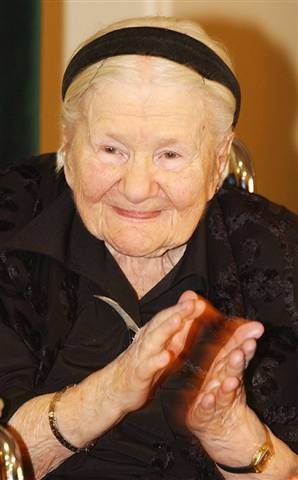
Meet Irena Sendler (1910-2008)
She was a 98 year-old Polish woman at her time of death. During World War II, Irena worked in the Warsaw Ghetto as a plumbing/sewer specialist. She dedicated herself to smuggle Jewish children out. Infants were carried in the bottom of the tool box she used and older children in a burlap sack she had in the back of her truck.

She also had a dog in the back that she trained to bark when the Nazi soldiers let her in and out of the ghetto. The soldiers wanted nothing to do with the dog and the barking covered the kids’ and infants’ noises. Irena managed to smuggle out and save 2500 children during this time

She eventually was caught and the Nazis broke both her legs, arms and beat her severely. Irena kept a record of the names of all the kids she smuggled out and in a glass jar buried under a tree in her backyard. After the war, she tried to locate any parents that may have survived and reunited some of the families but most had been killed. She then helped those children get placement into foster family homes or adopted.

In 2007, Irena was up for the Nobel Peace Prize. She was not selected. Al Gore won that year.

She is among the top 10 people said to have been robbed of the nobel prize: 

10.
Irena Sendler


Irena Sendler was a Polish Catholic who died in 2008. From 1939 to 1945, she personally saved the lives of 2,500 Jewish children from the Warsaw Ghetto. She forged identification papers, passports, sheltered them in children’s homes throughout Warsaw.

The Gestapo caught her in 1943 and severely tortured her for the location of the Jews she had extricated from the Ghetto. She refused to give them up. She was sentenced to death and saved by a bribe to the Nazi officer in charge, who simply left her in deep in a forest with all four limbs broken.

She recovered and went right back to work saving Jews from the Ghetto. She was nominated in 2007, but was passed over in favor of Al Gore. She was 98 when she died.


9
Mohandas Gandhi


Mohandas Gandhi was murdered in 1948. He began his work for Indian independence from Britain in 1916 and finally succeeded in 1947, when Louis Mountbatten relinquished India from Britain to the Indians. One man, by himself, Gandhi has been credited with defeating the British Empire singlehandedly, without raising one finger in violence.

He was nominated in 5 years, 1937, 1938, 1939, 1947, and 1948. 19 people nominated him in those years, especially Ole Colbjornsen, member of the Norwegian Parliament, who nominated him the first 3 times. In the years between 1939 and 1947, he was either not nominated by anyone, or the Swedish Academy refused to consider nominations during the War. Likewise, in the years preceding 1937, not one person on Earth nominated him.

A rule stipulates that death before being awarded the Prize renders one ineligible for it, nominated or not. But I think the Academy could have given it to him posthumously, and no one would have complained. In which case, they could still award it to him for the year 1948. He could certainly replace Cordell Hull, for 1945. Hull is mentioned on another Listverse list.

It is possible that his “experiments” with under-aged children (item 8) reduced his chances of receiving the prize, but as earlier stated, most people would probably not object to his having been awarded the prize despite them.


8
Abdul Sattar Edhi


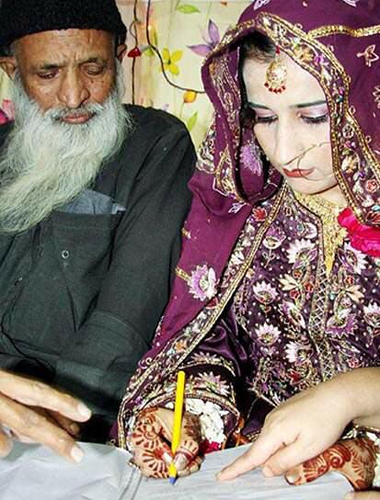
The head of the Edhi Foundation, based in Pakistan, he is a philanthropist, who in 1951 opened a small medical shop in Karachi, using his own meager funds, with the sole intention of helping anyone who came in. He had learned little about medicine, but wanted to help people. He claims that he does so because he enjoys it, in the same way that an evil man enjoys hurting people.

He has been treating everyone in the Karachi area, and all areas where his branches are located, over the whole world. He treats people at extremely low cost. He began the Edhi Foundation with donations from friends and supporters around Karachi, and the Foundation is a free maternity clinic and nursing school. Students may enroll at absolutely no cost. Tuition, books, and other equipment are free.

Karachi suffered a flu outbreak in 1957, and Edhi immediately set up tents in which he and his faculty treated everyone for free. He bought an ambulance with donations, which he personally drove to accidents, and to his own clinic, or to hospitals. The Edhi Foundation has a $10 million budget, but Edhi refuses to take any of the money for himself. As he is still alive, it is not entirely fair that he should be on this list, as he may win in the future. But I thought it fitting, given the recent 2009 Peace Prize, and the fact that he was considered for it also.


7
Jose Figueres Ferrer


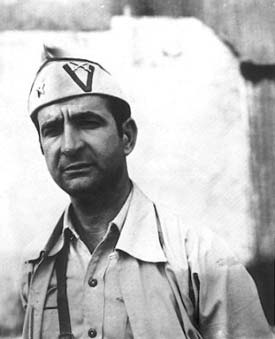
Jose Figueres Ferrer was the President of Costa Rica 3 times, and during his first term, he granted women the right to vote, stating that while men may be stronger, there is no difference between male and female mental faculties. He abolished his country’s army, arguing that only a police force is necessary for domestic law enforcement, and that an army only exists for the promise of invading another country; he did not believe any country around him wanted to invade Costa Rica.

After nationalizing Costa Rica’s banking and creating a welfare state, he outlawed Communism. Ferrer oversaw the writing of a new constitution, guaranteed state managed public education for every citizen, gave citizenship to the children of black immigrants, and established a civil service bureaucracy.


6
Dr. Feng Shan Ho


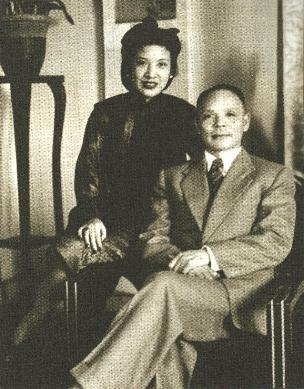
He graduated from Munich University in 1932, and was appointed as a diplomatic secretary in Turkey, then in Vienna in 1937. The next year, Hitler annexed Austria, and Ho was promoted to Consul-General of the Chinese Embassy in Vienna.

After Kristallnacht, everyone in Austria knew full well the predicament facing the 200,000 Jews throughout the country. Their only hope was to escape from Europe, and this was possible only with exit visas. The Evian Conference of 1938 caused 38 countries to refuse Jews immigration, and Ho was ordered by Chen Jie, the Chinese ambassador to Berlin, not to provide visas for Jews.

Ho endangered himself for all six years of the War by refusing to obey this order. He issued 1906 visas by 27 October 1938, some for Jews, some not. How many Jews he saved will never be ascertained, but given that he issued almost 2,000 in only his first 6 months, he may have saved thousands of lives. Whoever saves one life saves the world entire. He was 96 when he died. He has been nicknamed “China’s Schindler.”


5
Cesar Chavez


He has been called “the Mexican Martin Luther King.” He found working conditions appalling for common Latino laborers in California, and co-founded the National Farm Workers Association, which is now called United Farm Workers. He organized civil rights activism, and became the Community Service Organization’s national director in 1958. His efforts to gain higher wages and better working conditions for farm laborers finally succeeded in 1966.

After that, he fought to restrict illegal immigrants from entering the U. S. and taking jobs from legal Mexican citizens. His birthday is a state holiday in California. He died in 1993, and the next year was awarded the Medal of Freedom from Bill Clinton.


4
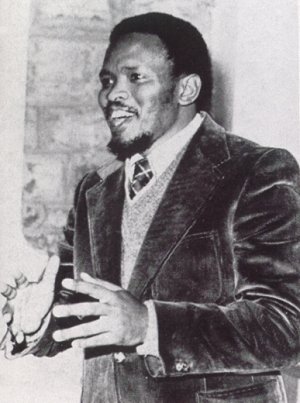
Stephen Biko


After Nelson Mandela was imprisoned in 1964, Steve Biko became the primary authority of the anti-Apartheid movement in South Africa. He founded the Black Consciousness Movement and advocated a worldwide “brotherhood of man.”

He was the primary architect of the protests that reached a head at the Soweto Uprising in June, 1976. He preached non-violence, which was not entirely heeded, and the uprising resulted in Apartheid police slaughtering school children at random in the crowds.

They then targeted Biko and finally caught him, and beat him to death, from 11 September to 12 September, 1977.


3
Dorothy Day


Dorothy Day (November 8, 1897 – November 29, 1980) was an American journalist, distributist, and devout Catholic convert. In the 1930s, Day worked closely with fellow activist Peter Maurin to establish the Catholic Worker movement, a nonviolent, pacifist, movement that continues to combine direct aid for the poor and homeless with nonviolent direct action on their behalf. A revered figure within segments of the U.S. Catholic community, Day is being considered for sainthood by the Catholic Church. Day has been the recipient of numerous posthumous honors and awards. Among them: in 1992, she received the Courage of Conscience Award from the Peace Abbey, and in 2001, she was inducted into the National Women’s Hall of Fame in Seneca Falls, New York.


2
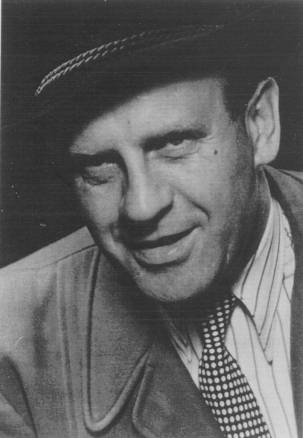
Oskar Schindler


Oskar Schindler was the most famous member of the Avenue of the Righteous. He saved 1,200 Jews from the Nazis by employing them in his munitions factories from 1943 to the end of the War. He therefore placed himself in extreme mortal peril constantly during that time, as the Nazis knew full well that his workers were Jewish.

He was very persuasive, having paid millions to the Nazi Party up to that time, and insisted that his workers were more useful to the Wehrmacht by manufacturing pots, pans, and ammunition. But secretly, he had his workers sabotage the ammunition so it would not function.


1
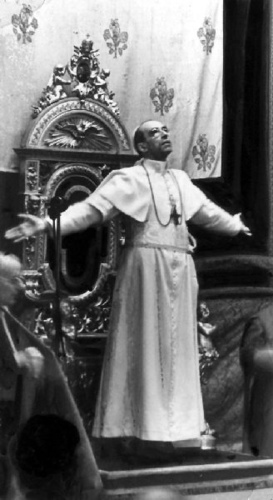
Venerable Pope Pius XII


On April 28, 1935, four years before the War even started, Eugenio Pacelli (soon to become Pope Pius XII) gave a speech that aroused the attention of the world press. Speaking to an audience of 250,000 pilgrims in Lourdes, France, the future Pius XII stated that the Nazis “are in reality only miserable plagiarists who dress up old errors with new tinsel. It does not make any difference whether they flock to the banners of social revolution, whether they are guided by a false concept of the world and of life, or whether they are possessed by the superstition of a race and blood cult.” During the war (when Pacelli had become Pope) he spoke out strongly in defense of the Jews with the first mass arrests in 1943, and L’Osservatore Romano carried an article protesting the internment of Jews and the confiscation of their property. The Fascist press came to call the Vatican paper ‘a mouthpiece of the Jews.’

Prior to the Nazi invasion, the Pope had been working hard to get Jews out of Italy by emigration; he now was forced to turn his attention to finding them hiding places: “[t]he Pope sent out the order that religious buildings were to give refuge to Jews, even at the price of great personal sacrifice on the part of their occupants; he released monasteries and convents from the cloister rule forbidding entry into these religious houses to all but a few specified outsiders, so that they could be used as hiding places. Thousands of Jews — the figures run from 4,000 to 7,000 — were hidden, fed, clothed, and bedded in the 180 known places of refuge in Vatican City, churches and basilicas, Church administrative buildings, and parish houses. Unknown numbers of Jews were sheltered in Castel Gandolfo, the site of the Pope’s summer residence, private homes, hospitals, and nursing institutions; and the Pope took personal responsibility for the care of the children of Jews deported from Italy.”

The consequences of the actions of Venerable Pope Pius XII in defense of the Jews were such that the Chief Rabbi of Rome (Rabbi Zolli) during WWII converted to Catholicism and changed his name to Eugenio (out of reverence for the Pope).

Dorothea Grossman, called Dottie by her friends, is in her 70s. She has hardly ever been published except for one album with a Jazz musician and a few poems on "Poetry." She writes beautiful short, concentrated, poetry -- which leaves a lasting impact on your mind because of the emotion, surprise and hummor.

The tradition of Emily and Walt continues. Dorothea is inspirational for those poets who are not published. Keep writing poets!


I knew something was wrong

I knew something was wrong
By Dorothea Grossman Dorothea Grossman
I knew something was wrong
the day I tried to pick up a
small piece of sunlight
and it slithered through my fingers,
not wanting to take shape.
Everything else stayed the same—
the chairs and the carpet
and all the corners
where the waiting continued.


I have to tell you
I have to tell you
By Dorothea Grossman Dorothea Grossman
I have to tell you,
there are times when
the sun strikes me
like a gong,
and I remember everything,
even your ears.


Love Poem
Love Poem
By Dorothea Grossman Dorothea Grossman
In a lightning bolt
of memory,
I see our statue of Buddha
(a wedding gift from Uncle Gene)
which always sat
on top of the speaker cabinet.
When a visitor asked,
“So, does Buddha like jazz?”
you said, “I hope so.
He’s been getting it up the ass
for a long time.”

More:

http://www.poetryfoundation.org/bio/dorothea-grossman

http://www.poetryfoundation.org/article/239084

Here is a beautiful poem by José Martí, a celebrated poet from Cuban.

"Cultivo Una Rosa Blanca" - José Martí 

Cultivo una rosa blanca,
en julio como en enero,
para el amigo sincero
que me da su mano franca.

Y para el cruel que me arranca
el corazón con que vivo,
cardo ni oruga cultivo:
cultivo la rosa blanca.


English Translation:

I nurture a white rose 
in July as in January,
for the true friend
who offers me his loyal hand.

And for the merciless one who wrenches out 
the heart by which I live,
thistle nor thorn do I nurture:
for him, I nurture a white rose.

If this poem would be sung in Indian classical music, it would be sung in Raag Gauri. The raag of beauty and purity. (Symbolism, White rose: http://www.proflowers.com/flowerguide/rosemeanings/whiterose-meanings.aspx)

This poem is what true love is all about. The poet aspires to cultivate a white rose, a labor of love, for a true friend. But he also labors a white rose for one who wrenches out his heart. He is declaring that he will treat everybody the same, irrespective of whether they are good or bad to him. This is truly how the song of oneness is sung. This poem has become one of his greatest poems because the poet can be heard singing the purpose of life. The purpose of life is to sing of oneness with angels; and the goodness of angels has to be discovered in everyone. 

This reminds me a couple from Bhagat Shekh Farid: 

fareedhaa jo tai maaran mukeeaa(n) tin(h)aa na maare ghu(n)m ||
aapanaRai ghar jaieeaai pair tin(h)aa dhe chu(n)m ||7||

Fareed, do not turn around and strike those who strike you with their fists.
Kiss their feet, and return to your own home. ||7||
Listening to the great Suresh Wadekar today ... among male singers in Bollywood, he is probably the most refined in his classical technique. And this is one of my favorite ghazals of his. Sene mein jalan was  written by Shahryar (Umrao Jaan fame) featured in the Hindi film Gaman (1978) starring Farooq Sheikh, Smita Patil, Nana Patekar,  Jalal Agha, and Satish Shah.


Translation:


Burning in my chest, storm in my eye, why?
In this town, every person seems upset, why?

If there is a heart, let it find a reason to beat
Like a stone it sits numb and lifeless, why?

Which path of loneliness is this my friends?
Until the vision goes, there is wilderness, why?

Is there a new thing he sees in me
the mirror stands surprised today, why?


Burning in my chest, as if a storm in my eye! Why?
In this town, it's as if every person is upset! Why?

If it is a heart, let it find reason to beat
It lies numb and lifeless as if like a stone! Why?

What kind of a lonely street is this friends?
As far as I can see, it's as if there's just wilderness! Why?

Is there a newness he sees in me?
It seems as if the mirror is surprised today! Why?


Original Lyrics:


seene mein jalan aankhon mein tufaan saa kyon hain ?
is shahar mein har shaks pareshaan saa kyon hain ?

dil hain to, dhadakane kaa bahaanaa koee dhoondhe
patthar kee tarah beheesa-o-bejaan saa kyon hain ?

tanahaee kee ye kaunasee, manzil hain rafeekon
taa-hadd-ye-najar ek bayaabaan saa kyon hain ?

kyaa koee nayee baat najar aatee hain hum me
aaeenaa humei dekh ke hairaan saa kyon hain ?

Sher of this ghazal that was not sung in the film: 

ham ne to koī baat nikālī nahīñ ġham kī 
vo zūd-pashemān pashemān sā kyuuñ hai 


Lyrics in Hindi


सीने में जलन, आँखों में तूफ़ान सा क्यों है
इस शहर में हर शख़्स परेशान सा क्यों है

दिल है तो धड़कने का बहाना कोई ढूंढें
पत्थर की तरह बेहिस-ओ-बेजान सा क्यों है

तनहाई की ये कौनसी मंज़िल है रफ़ीक़ो
ता-हद-ए-नज़र एक बयाबान सा क्यों है

क्या कोई नई बात नज़र आती है हम में
आईना हमें देख के हैरान सा क्यों है


Video

Newer Posts Older Posts Home

SHIVPREET SINGH

Singing oneness!
- Shivpreet Singh

Related Posts

Popular - 30 days

  • Vande Mataram - Lyrics and Translation
    I love the Vande Maataram composition in Raag Des sung by Lata Mangeshkar.  Vande Mataram is the national song of India. In 2003, BBC World ...
  • Kabir's Gao Gao Ri Dulhani - Lyrics and meanings
    One of my favorite Kabir's poem I call "Dulhani." In this beautiful poem, Kabir envisions himself as the bride and the univers...
  • The Many Types of Raag Malhar
    Pour love in your heart, like the rain pours on the land today. As I am working on a Meerabai song I am doing research on the different vari...
  • Praising Shri Krishna in the Guru Granth Sahib - Dhan Dhan O Raam Ben by Bhagat Namdev
    I made a new composition for this shabad today. Hopefully I will get to record it one day. I'd like to focus our discussion on this part...
  • Sanson Ki Mala Pe - Lyrics, Translation and Background
    Sanson ki Maala was made famous by Nusrat Fateh Ali Khan sahib.  Although some have attributed this song to Mirabai and Khusro, this is a gh...
  • Shunya Gadh Shehar - Gorakhnath Bhajan Composed by Pt. Kumar Gandharva
    Listening to this beautiful bhajan today by Pt. Kumar Gandharva.  I don't know if this is authentically by Gorakhnath, but it made me th...
  • Samrath Guru - Video and Translation
    Sometime last year I heard this haunting melody from Nirinjan Kaur ... and fell in love with it. Since then I have been singing it and recor...
  • Jindari Lutti by Ghulam Farid - Lyrics/Translation and Performance by Bade Ghulam Ali Khan (Also Rohi or Dilri Lutti)
    Bade Ghulam Ali Khan's version of this Multani Kafi This is a beautiful spiritual song of separation written by Ghulam Farid.  I recentl...
  • Loving in the night - a poem by Rabi'a
    [O my Lord] by rabi'A Translated by Jane hirshfield O my Lord, the stars glitter and the eyes of men are closed. Kings have locked their...
  • Love and the Mool Mantra
    Guru Nanak's teachings are undoubtedly about love. So are Guru Arjan's teachings. The Mool Mantra is given the highest importance i...

Blog Archive

  • ▼  2026 (12)
    • ▼  June (1)
      • Translation of Laavan - Shivpreet Singh
    • ►  May (1)
    • ►  April (1)
    • ►  March (6)
    • ►  February (1)
    • ►  January (2)
  • ►  2025 (24)
    • ►  October (5)
    • ►  September (7)
    • ►  August (2)
    • ►  July (2)
    • ►  June (3)
    • ►  March (1)
    • ►  February (2)
    • ►  January (2)
  • ►  2024 (21)
    • ►  December (1)
    • ►  November (2)
    • ►  October (3)
    • ►  September (2)
    • ►  August (4)
    • ►  July (2)
    • ►  June (3)
    • ►  May (1)
    • ►  April (1)
    • ►  February (1)
    • ►  January (1)
  • ►  2023 (41)
    • ►  December (4)
    • ►  November (3)
    • ►  October (4)
    • ►  September (7)
    • ►  August (5)
    • ►  July (7)
    • ►  June (3)
    • ►  May (3)
    • ►  April (1)
    • ►  March (1)
    • ►  February (3)
  • ►  2022 (8)
    • ►  March (2)
    • ►  January (6)
  • ►  2021 (139)
    • ►  December (15)
    • ►  November (2)
    • ►  October (6)
    • ►  September (7)
    • ►  August (2)
    • ►  July (4)
    • ►  May (21)
    • ►  April (21)
    • ►  March (35)
    • ►  February (23)
    • ►  January (3)
  • ►  2020 (150)
    • ►  December (2)
    • ►  November (13)
    • ►  October (32)
    • ►  September (47)
    • ►  August (37)
    • ►  July (5)
    • ►  June (3)
    • ►  May (3)
    • ►  April (3)
    • ►  March (2)
    • ►  February (1)
    • ►  January (2)
  • ►  2019 (43)
    • ►  December (5)
    • ►  November (8)
    • ►  October (13)
    • ►  September (4)
    • ►  July (3)
    • ►  June (1)
    • ►  May (2)
    • ►  March (1)
    • ►  February (1)
    • ►  January (5)
  • ►  2018 (53)
    • ►  December (8)
    • ►  November (5)
    • ►  October (3)
    • ►  September (4)
    • ►  August (6)
    • ►  July (3)
    • ►  June (4)
    • ►  May (6)
    • ►  April (5)
    • ►  March (2)
    • ►  February (4)
    • ►  January (3)
  • ►  2017 (73)
    • ►  December (2)
    • ►  November (12)
    • ►  October (8)
    • ►  September (1)
    • ►  August (7)
    • ►  July (6)
    • ►  June (12)
    • ►  May (5)
    • ►  April (4)
    • ►  March (8)
    • ►  February (3)
    • ►  January (5)
  • ►  2016 (141)
    • ►  December (1)
    • ►  November (9)
    • ►  October (16)
    • ►  September (19)
    • ►  August (2)
    • ►  July (5)
    • ►  June (7)
    • ►  May (3)
    • ►  April (18)
    • ►  March (34)
    • ►  February (16)
    • ►  January (11)
  • ►  2015 (28)
    • ►  December (1)
    • ►  November (1)
    • ►  October (2)
    • ►  September (12)
    • ►  August (1)
    • ►  May (1)
    • ►  April (7)
    • ►  March (1)
    • ►  February (1)
    • ►  January (1)
  • ►  2014 (107)
    • ►  December (1)
    • ►  November (6)
    • ►  October (1)
    • ►  August (2)
    • ►  July (1)
    • ►  June (11)
    • ►  April (10)
    • ►  March (15)
    • ►  February (24)
    • ►  January (36)
  • ►  2013 (242)
    • ►  December (13)
    • ►  October (5)
    • ►  September (3)
    • ►  August (3)
    • ►  June (7)
    • ►  May (62)
    • ►  April (79)
    • ►  March (12)
    • ►  February (23)
    • ►  January (35)
  • ►  2012 (145)
    • ►  December (29)
    • ►  November (31)
    • ►  October (44)
    • ►  September (5)
    • ►  August (9)
    • ►  July (7)
    • ►  June (1)
    • ►  May (3)
    • ►  April (1)
    • ►  March (4)
    • ►  February (9)
    • ►  January (2)
  • ►  2011 (252)
    • ►  December (1)
    • ►  November (1)
    • ►  October (4)
    • ►  September (13)
    • ►  August (28)
    • ►  July (44)
    • ►  June (33)
    • ►  May (15)
    • ►  April (2)
    • ►  March (45)
    • ►  February (43)
    • ►  January (23)
  • ►  2010 (70)
    • ►  December (31)
    • ►  November (20)
    • ►  October (2)
    • ►  September (3)
    • ►  August (1)
    • ►  July (2)
    • ►  May (5)
    • ►  March (4)
    • ►  February (1)
    • ►  January (1)
  • ►  2009 (15)
    • ►  December (1)
    • ►  November (3)
    • ►  October (2)
    • ►  September (2)
    • ►  August (1)
    • ►  June (1)
    • ►  April (1)
    • ►  March (1)
    • ►  February (1)
    • ►  January (2)
  • ►  2008 (15)
    • ►  November (1)
    • ►  July (2)
    • ►  June (5)
    • ►  May (1)
    • ►  April (2)
    • ►  March (1)
    • ►  February (1)
    • ►  January (2)
  • ►  2007 (9)
    • ►  November (4)
    • ►  October (2)
    • ►  September (1)
    • ►  August (2)
  • ►  1999 (1)
    • ►  May (1)

Message

Name

Email *

Message *

Twitter

Tweets by @shivpreetsingh


Copyright © Shivpreet Singh. Designed by OddThemes