Shivpreet Singh
Shivpreet Singh
  • Home
  • Music
    • Spotify
    • Apple Music
    • Amazon
    • Pandora
    • SoundCloud
    • Google
    • You Tube
      • Music on YouTube
      • Uplifting Shabads
      • Guru Nanak Shabads
      • Meditation & Chanting
      • Shabads for Kids
      • Shabads of Guru Arjan
      • Shabads of Guru Gobind Singh
  • Videos
    • Latest
    • Popular
    • Uplifting
    • Guru Nanak
    • Meditation
    • For Kids
    • Guru Arjan
    • Guru Gobind Singh
  • Projects
    • DhunAnand Foundation
    • Pandemic 2020
    • Guru Nanak 550
    • Namdev 750
    • Thoughts and Ruminations
    • What I Love to Read
  • News
  • Meet Me
    • Meet Me
    • Request
    • Send Email
    • Newsletter
    • FAQs
  • About
    • Biography
    • Photos
    • Music
    • FAQs

It’s close to 4:30am on Sunday morning and I’m reading this poem by Robert Hayden. About winter sundays, love, family, thanksgiving. The quiet of the morning makes for a great time to reflect. 

Those Winter Sundays 

Sundays too my father got up early
and put his clothes on in the blueblack cold,
then with cracked hands that ached
from labor in the weekday weather made
banked fires blaze. No one ever thanked him.

I’d wake and hear the cold splintering, breaking.
When the rooms were warm, he’d call,
and slowly I would rise and dress,
fearing the chronic angers of that house,


Speaking indifferently to him,
who had driven out the cold
and polished my good shoes as well.
What did I know, what did I know
of love’s austere and lonely offices?


#poem #poetry #shivpreetsingh #love #father #fatherhood #morning #morningmotivation #quotes #sunday

Reading A Prayer in Spring, a poem about gratitude and love. 


A Prayer in Spring
- Robert Frost

Oh, give us pleasure in the flowers to-day;
And give us not to think so far away
As the uncertain harvest; keep us here
All simply in the springing of the year.

Oh, give us pleasure in the orchard white,
Like nothing else by day, like ghosts by night;
And make us happy in the happy bees,
The swarm dilating round the perfect trees.

And make us happy in the darting bird
That suddenly above the bees is heard,
The meteor that thrusts in with needle bill,
And off a blossom in mid air stands still.

For this is love and nothing else is love,
The which it is reserved for God above
To sanctify to what far ends He will,
But which it only needs that we fulfil.
Louise Elisabeth Glück (April 22, 1943 - ) is an American poet and essayist. She has won many major literary awards, including the Pulitzer Prize, National Humanities Medal, National Book Award, National Book Critics Circle Award, and the Bollingen Prize. From 2003 to 2004, she was Poet Laureate of the United States. In 2020, she was awarded the Nobel Prize in Literature "for her unmistakable poetic voice that with austere beauty makes individual existence universal."

And I am wondering if there is any Poet Laureate of the US now? Under the Trump regime. I am not sure if there is, but I am sure they are not treated with any importance. 

Here are some of my favorite Louise Glück's poems

Witchgrass


Witchgrass
Louise Glück

Something
comes into the world unwelcome
calling disorder, disorder—

If you hate me so much
don’t bother to give me
a name: do you need
one more slur
in your language, another
way to blame
one tribe for everything—

as we both know,
if you worship
one god, you only need
One enemy—

I’m not the enemy.
Only a ruse to ignore
what you see happening
right here in this bed,
a little paradigm
of failure. One of your precious flowers
dies here almost every day
and you can’t rest until
you attack the cause, meaning
whatever is left, whatever
happens to be sturdier
than your personal passion—

It was not meant
to last forever in the real world.
But why admit that, when you can go on
doing what you always do,
mourning and laying blame,
always the two together.

I don’t need your praise
to survive. I was here first,
before you were here, before
you ever planted a garden.
And I’ll be here when only the sun and moon
are left, and the sea, and the wide field.

I will constitute the field.

Notes and analysis on this poem: Reading Witchgrass

Gratitude - Is it genuine or hypocritical?

Gratitude
Louise Glück

Do not think I am not grateful for your small
kindness to me.
I like small kindnesses.
In fact I actually prefer them to the more
substantial kindness, that is always eying you
like a large animal on a rug,
until your whole life reduces
to nothing but waking up morning after morning
cramped, and the bright sun shining on its tusks.

The Night Migrations - The dead don't need the pleasures of the living


The Night Migrations
Louise Glück

This is the moment when you see again
the red berries of the mountain ash
and in the dark sky
the birds' night migrations.

It grieves me to think
the dead won't see them—
these things we depend on,
they disappear.

What will the soul do for solace then?
I tell myself maybe it won't need
these pleasures anymore; 
maybe just not being is simply enough,
hard as that is to imagine.

The Wild Iris - at the end of suffering


The Wild Iris
Louise Glück

At the end of my suffering
there was a door.

Hear me out: that which you call death
I remember.

Overhead, noises, branches of the pine shifting.
Then nothing. The weak sun
flickered over the dry surface.

It is terrible to survive
as consciousness
buried in the dark earth.

Then it was over: that which you fear, being
a soul and unable
to speak, ending abruptly, the stiff earth
bending a little. And what I took to be
birds darting in low shrubs.

You who do not remember
passage from the other world
I tell you I could speak again: whatever
returns from oblivion returns
to find a voice:

from the center of my life came
a great fountain, deep blue
shadows on azure seawater.


The First Memory - On Love and Pain


The First Memory
Louise Glück

Long ago, I was wounded. I lived
to revenge myself
against my father, not
for what he was—
for what I was: from the beginning of time,
in childhood, I thought
that pain meant
I was not loved.
It meant I loved.

Snowdrops - Despair and its meaning


Snowdrops
Louise Glück

Do you know what I was, how I lived?  You know
what despair is; then
winter should have meaning for you.

I did not expect to survive,
earth suppressing me. I didn't expect
to waken again, to feel
in damp earth my body
able to respond again, remembering
after so long how to open again
in the cold light
of earliest spring--

afraid, yes, but among you again
crying yes risk joy

in the raw wind of the new world.

Vespers - A talk with God


Vespers
Louise Glück

In your extended absence, you permit me 
use of earth, anticipating
some return on investment. I must report 
failure in my assignment, principally 
regarding the tomato plants.
I think I should not be encouraged to grow 
tomatoes. Or, if I am, you should withhold 
the heavy rains, the cold nights that come 
so often here, while other regions get 
twelve weeks of summer. All this 
belongs to you: on the other hand, 
I planted the seeds, I watched the first shoots 
like wings tearing the soil, and it was my heart 
broken by the blight, the black spot so quickly 
multiplying in the rows. I doubt
you have a heart, in our understanding of 
that term. You who do not discriminate 
between the dead and the living, who are, in consequence, 
immune to foreshadowing, you may not know 
how much terror we bear, the spotted leaf,
the red leaves of the maple falling
even in August, in early darkness: I am responsible 
for these vines.


The Night Migrations - Does Beauty end with life?


The Night Migrations

This is the moment when you see again
the red berries of the mountain ash
and in the dark sky
the birds' night migrations.

It grieves me to think
the dead won't see them—
these things we depend on,
they disappear.

What will the soul do for solace then?
I tell myself maybe it won't need
these pleasures anymore; 
maybe just not being is simply enough,
hard as that is to imagine. 


Telescope - Objects appear closer than they are


Telescope 
Louise Glück

There is a moment after you move your eye away
when you forget where you are
because you’ve been living, it seems,
somewhere else, in the silence of the night sky.

You’ve stopped being here in the world.
You’re in a different place,
a place where human life has no meaning.

You’re not a creature in body.
You exist as the stars exist,
participating in their stillness, their immensity.

Then you’re in the world again.
At night, on the cold hill,
taking the telescope apart.

You realize afterward
not that the image is false
but the relation is false.

You see again how far away
every thing is from every other thing.


October - A long poem, still lovely


October 
Louise Glück

1.

Is it winter again, is it cold again,
didn’t Frank just slip on the ice,
didn’t he heal, weren’t the spring seeds planted

didn’t the night end,
didn’t the melting ice
flood the narrow gutters

wasn’t my body
rescued, wasn’t it safe

didn’t the scar form, invisible
above the injury

terror and cold,
didn’t they just end, wasn’t the back garden
harrowed and planted–

I remember how the earth felt, red and dense,
in stiff rows, weren’t the seeds planted,
didn’t vines climb the south wall

I can’t hear your voice
for the wind’s cries, whistling over the bare ground

I no longer care
what sound it makes

when I was silenced, when did it first seem
pointless to describe that sound

what it sounds like can’t change what it is–

didn’t the night end, wasn’t the earth
safe when it was planted

didn’t we plant the seeds,
weren’t we necessary to the earth,

the vines, were they harvested?

.
2.

Summer after summer has ended,
balm after violence:
it does me no good
to be good to me now;
violence has changed me.

Daybreak. The low hills shine
ochre and fire, even the fields shine.
I know what I see; sun that could be
the August sun, returning
everything that was taken away —

You hear this voice? This is my mind’s voice;
you can’t touch my body now.
It has changed once, it has hardened,
don’t ask it to respond again.

A day like a day in summer.
Exceptionally still. The long shadows of the maples
nearly mauve on the gravel paths.
And in the evening, warmth. Night like a night in summer.

It does me no good; violence has changed me.
My body has grown cold like the stripped fields;
now there is only my mind, cautious and wary,
with the sense it is being tested.

Once more, the sun rises as it rose in summer;
bounty, balm after violence.
Balm after the leaves have changed, after the fields
have been harvested and turned.

Tell me this is the future,
I won’t believe you.
Tell me I’m living,
I won’t believe you.

.
3.

Snow had fallen. I remember
music from an open window.

Come to me, said the world.
This is not to say
it spoke in exact sentences
but that I perceived beauty in this manner.

Sunrise. A film of moisture
on each living thing. Pools of cold light
formed in the gutters.

I stood
at the doorway,
ridiculous as it now seems.

What others found in art,
I found in nature. What others found
in human love, I found in nature.
Very simple. But there was no voice there.

Winter was over. In the thawed dirt,
bits of green were showing.

Come to me, said the world. I was standing
in my wool coat at a kind of bright portal —
I can finally say
long ago; it gives me considerable pleasure. Beauty
the healer, the teacher —

death cannot harm me
more than you have harmed me,
my beloved life.

.
4.

The light has changed;
middle C is tuned darker now.
And the songs of morning sound over-rehearsed. —

This is the light of autumn, not the light of spring.
The light of autumn: you will not be spared.

The songs have changed; the unspeakable
has entered them.

This is the light of autumn, not the light that says
I am reborn.

Not the spring dawn: I strained, I suffered, I was delivered.
This is the present, an allegory of waste.

So much has changed. And still, you are fortunate:
the ideal burns in you like a fever.
Or not like a fever, like a second heart.

The songs have changed, but really they are still quite beautiful.
They have been concentrated in a smaller space, the space of the mind.
They are dark, now, with desolation and anguish.

And yet the notes recur. They hover oddly
in anticipation of silence.
The ear gets used to them.
The eye gets used to disappearances.

You will not be spared, nor will what you love be spared.

A wind has come and gone, taking apart the mind;
it has left in its wake a strange lucidity.

How priviledged you are, to be passionately
clinging to what you love;
the forfeit of hope has not destroyed you.

Maestro, doloroso:

This is the light of autumn; it has turned on us.
Surely it is a privilege to approach the end
still believing in something.

.
5.

It is true that there is not enough beauty in the world.
It is also true that I am not competent to restore it.
Neither is there candor, and here I may be of some use.

I am
at work, though I am silent.

The bland

misery of the world
bounds us on either side, an alley

lined with trees; we are

companions here, not speaking,
each with his own thoughts;

behind the trees, iron
gates of the private houses,
the shuttered rooms

somehow deserted, abandoned,

as though it were the artist’s
duty to create
hope, but out of what? what?

the word itself
false, a device to refute
perception — At the intersection,

ornamental lights of the season.

I was young here. Riding
the subway with my small book
as though to defend myself against

the same world:

you are not alone,
the poem said,
in the dark tunnel.

.
6.

The brightness of the day becomes
the brightness of the night;
the fire becomes the mirror.

My friend the earth is bitter; I think
sunlight has failed her.
Bitter or weary, it is hard to say.

Between herself and the sun,
something has ended.
She wants, now, to be left alone;
I think we must give up
turning to her for affirmation.

Above the fields,
above the roofs of the village houses,
the brilliance that made all life possible
becomes the cold stars.

Lie still and watch:
they give nothing but ask nothing.

From within the earth’s
bitter disgrace, coldness and barrenness

my friend the moon rises:
she is beautiful tonight, but when is she not beautiful?

The Evening Star - On darkness and light

The Evening Star
Louise Glück

Tonight, for the first time in many years,
there appeared to me again
a vision of the earth’s splendor:

in the evening sky
the first star seemed
to increase in brilliance
as the earth darkened

until at last it could grow no darker.
And the light, which was the light of death,
seemed to restore to earth

its power to console. There were
no other stars. Only the one
whose name I knew

as in my other life I did her
injury: Venus,
star of the early evening,

to you I dedicate
my vision, since on this blank surface

you have cast enough light
to make my thought
visible again.


I received this story on Whatsapp today. Inspiring ...


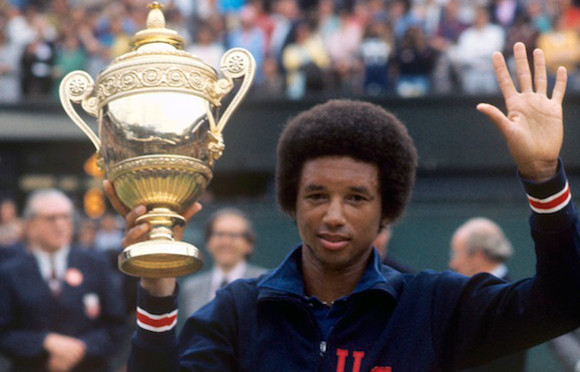
Arthur Ashe, The Legendary Wimbledon Player was dying of AIDS which he got due to Infected Blood he received during a Heart Surgery in 1983.

He received letters from his fans, one of which conveyed:

"Why did God have to select you for such a bad disease?

To this Arthur Ashe replied:

50 Million children started playing Tennis,

5 Million learnt to play Tennis,

500 000 learnt Professional Tennis,

50 Thousand came to Circuit,

5 Thousand reached Grandslam,

50 reached Wimbledon,

4 reached the Semifinals,

2 reached the Finals and when I was holding the cup in my hand, I never asked God "Why Me?"


So now that I'm in pain how can I ask God "Why Me?"

Happiness keeps you Sweet!
Trials keeps you Strong!
Sorrows keeps you Human!
Failure keeps you Humble!
Success keeps you Glowing!
But only, Faith keeps you Going.

Sometimes you are unsatisfied with your life, while many people in this world are dreaming of living your life.

A child on a farm sees a plane fly overhead dreams of flying. But, a pilot on the plane sees the farmhouse dreams of returning home. That's life. Enjoy yours...

If wealth is the secret to happiness, then the rich should be dancing on the streets. But only poor kids do that.

Live simply. Walk humbly. Love genuinely.
Jo Mange is a poem of gratitude, faith and complete acceptance by Guru Arjan Dev. He says, "Whatever I ask of my Master, he grants me." I have sung it many times; two versions have been released for distribution and can be found below (sarangi version and band version). 

The key message of Jo Mange is to remove our vices: Avgun Sab Mete.  This is what the singer asks for. O oneness, come and hug me and remove my vices. 


Jo Mange - Sarangi Version


Jo Mange - Band Version


David Baynes, a multi-instrumentalist and Composer from Ontario, Canada, did the arrangement and played all instruments in "Jo Mange." I am eternally grateful for his seva.

My Reflection

The one whose power
extends in all four directions,
places His hand
upon my head.

He gazes upon me
with His vision of mercy
and dispels within me
all of my pain.

That merciful, forgiving master
erases all my vices.
He embraces me.
He takes care of me.

I obtain, says slave Nanak,
Whatever I ask of my Master.
And Whatever I say
proves true, here and hereafter.


Lyrics/Transliteration/Translation

ਧਨਾਸਰੀ ਮਹਲਾ ੫ ॥
धनासरी महला ५ ॥
Ḏẖanāsrī mėhlā 5.
Dhanaasaree, Fifth Mehl:

ਚਤੁਰ ਦਿਸਾ ਕੀਨੋ ਬਲੁ ਅਪਨਾ ਸਿਰ ਊਪਰਿ ਕਰੁ ਧਾਰਿਓ ॥
चतुर दिसा कीनो बलु अपना सिर ऊपरि करु धारिओ ॥
Cẖaṯur ḏisā kīno bal apnā sir ūpar kar ḏẖāri▫o.
He has extended His power in all four directions, and placed His hand upon my head.

ਕ੍ਰਿਪਾ ਕਟਾਖ੍ਯ੍ਯ ਅਵਲੋਕਨੁ ਕੀਨੋ ਦਾਸ ਕਾ ਦੂਖੁ ਬਿਦਾਰਿਓ ॥੧॥
क्रिपा कटाख्य अवलोकनु कीनो दास का दूखु बिदारिओ ॥१॥
Kirpā katākẖ▫y avlokan kīno ḏās kā ḏūkẖ biḏāri▫o. ||1||
Gazing upon me with his Eye of Mercy, He has dispelled the pains of His slave. ||1||

ਹਰਿ ਜਨ ਰਾਖੇ ਗੁਰ ਗੋਵਿੰਦ ॥
हरि जन राखे गुर गोविंद ॥
Har jan rākẖe gur govinḏ.
The Guru, the Lord of the Universe, has saved the Lord's humble servant.

ਕੰਠਿ ਲਾਇ ਅਵਗੁਣ ਸਭਿ ਮੇਟੇ ਦਇਆਲ ਪੁਰਖ ਬਖਸੰਦ ॥ ਰਹਾਉ ॥
कंठि लाइ अवगुण सभि मेटे दइआल पुरख बखसंद ॥ रहाउ ॥
Kanṯẖ lā▫e avguṇ sabẖ mete ḏa▫i▫āl purakẖ bakẖsanḏ. Rahā▫o.
Hugging me close in His embrace, the merciful, forgiving Lord has erased all my sins. ||Pause||

ਜੋ ਮਾਗਹਿ ਠਾਕੁਰ ਅਪੁਨੇ ਤੇ ਸੋਈ ਸੋਈ ਦੇਵੈ ॥
जो मागहि ठाकुर अपुने ते सोई सोई देवै ॥
Jo māgėh ṯẖākur apune ṯe so▫ī so▫ī ḏevai.
Whatever I ask for from my Lord and Master, he gives that to me.

ਨਾਨਕ ਦਾਸੁ ਮੁਖ ਤੇ ਜੋ ਬੋਲੈ ਈਹਾ ਊਹਾ ਸਚੁ ਹੋਵੈ ॥੨॥੧੪॥੪੫॥
नानक दासु मुख ते जो बोलै ईहा ऊहा सचु होवै ॥२॥१४॥४५॥
Nānak ḏās mukẖ ṯe jo bolai īhā ūhā sacẖ hovai. ||2||14||45||
Whatever the Lord's slave Nanak utters with his mouth, proves to be true, here and hereafter. ||2||14||45||


Links to Music on Apple/Spotify/Google etc: https://song.link/TFT4M4gxWbvHN

The original melodic composition was done by Bhai Surjan Singh. I wrote about this in my research notebook in 2008: https://shivpreetsingh.blogspot.com/2008/07/where-did-original-jo-mange-composition.html
Lost Time 
-Rabindranath Tagore


On many an idle day have I grieved over lost time.
But it is never lost, my lord!
You have taken every moment of my life in your own hands.

Hidden in the heart of things you are  nourishing seeds into sprouts, 
buds into blossoms, and ripening flowers into fruitfulness.

I was tired and sleeping on my idle bed
and imagined all work had ceased.
In the morning I woke up
and found my garden full with wonders of flowers.

The Habits Of Supremely Happy People

Kate BratskeirThe Huffington Post09/16/13 08:35 AM ET

Martin Seligman, the father ofpositive psychology, theorizes that while 60 percent of happiness is determined by our genetics and environment, the remaining 40 percent is up to us.

In his 2004 Ted Talk, Seligman describes three different kinds of happy lives: The pleasant life, in which you fill your life with as many pleasures as you can, the life of engagement, where you find a life in your work, parenting, love and leisure and the meaningful life, which "consists of knowing what your highest strengths are, and using them to belong to and in the service of something larger than you are."

After exploring what accounts for ultimate satisfaction, Seligman says he was surprised. The pursuit of pleasure, research determined, has hardly any contribution to a lasting fulfillment. Instead, pleasure is "the whipped cream and the cherry" that adds a certain sweetness to satisfactory lives founded by the simultaneous pursuit of meaning and engagement.

And while it might sound like a big feat to to tackle great concepts likemeaning and engagement (pleasure sounded much more doable), happy people have habits you can introduce into your everyday life that may add to the bigger picture of bliss. Joyful folk have certain inclinations that add to their pursuit of meaning -- and motivate them along the way.

They surround themselves with other happy people. cosby showJoy is contagious. Researchers of the Framingham Heart Study who investigated the spread of happiness over 20 years found that those who are surrounded by happy people “are more likely to become happy in the future.” This is reason enough to dump the Debbie Downers and spend more time with uplifting people.

They smile when they mean it. Even if you’re not feeling so chipper, cultivating a happy thought -- and then smiling about it -- could up your happiness levels and make you more productive, according to a study published in the Academy of Management Journal. It’s important to be genuine with your grin: The study revealed that faking a smile while experiencing negative emotions could actually worsen your mood.

They cultivate resilience. penny heads upAccording to psychologist Peter Kramer, resilience, not happiness, is the opposite of depression: Happy people know how to bounce back from failure. Resilience is like a padding for the inevitable hardship human beings are bound to face. As the Japanese proverb goes, “Fall seven times and stand up eight.”

They try to be happy. Yep -- it’s as simple as it sounds: just tryingto be happy can boost your emotional well-being, according to two studies recently published in The Journal of Positive Psychology. Those who actively tried to feel happier in the studies reported the highest level of positive moods, making a case for thinking yourself happy.

They are mindful of the good. It’s important to celebrate great, hard-earned accomplishments, but happy people give attention to their smaller victories, too. “When we take time to notice the things that go right -- it means we’re getting a lot of little rewards throughout the day,” Susan Weinschenk, Ph.D. told The Huffington Post in May. “That can help with our moods.” And, as Frank Ghinassi, Ph.D. explains, being mindful of the things that do go your way (even something as simple as the barista getting your coffee order right) can make you feel a greater sense of accomplishment throughout the day.

They appreciate simple pleasures. A meticulously swirled ice cream cone. An boundlessly waggy dog. Happy people take the time to appreciate these easy-to-come-by pleasures. Finding meaning in the little things, and practicing gratitude for all that you do have is associated with a sense of overall gladness.

They devote some of their time to giving. Even though there are only 24 hours in a day, positive people fill some of that time doing good for others, which in return, does some good for the do-gooders themselves. A long-term research project called Americans’ Changing Lives found a bevy of benefits associated with altruism: “Volunteer work was good for both mental and physical health. People of all ages who volunteered were happier and experienced better physical health and less depression,”reported Peggy Thoits, the leader of one of the studies.

Givers also experience what researchers call “the helper’s high,” a euphoric state experienced by those engaged in charitable acts. “This is probably a literal “high,” similar to a drug-induced high,”writes Christine L. Carter, Ph.D. “The act of making a financial donation triggers the reward center in our brains that is responsible for dopamine-mediated euphoria.”

They let themselves lose track of time. (And sometimes they can’t help it.) doodlingWhen you’re immersed in an activity that is simultaneously challenging, invigorating and meaningful, you experience a joyful state called “flow.” Happy people seek this sensation of getting “caught up” or “carried away,” which diminishes self-consciousness and promotes the feelings associated with success. As explained by Pursuit-of-happiness.org, “In order for a Flow state to occur, you must see the activity as voluntary, enjoyable (intrinsically motivating), and it must require skill and be challenging (but not too challenging) with clear goals towards success.”

They nix the small talk for deeper conversation. Nothing wrong with shootin' the you-know-what every now and then, but sitting down to talk about what makes you tick is a prime practice for feeling good about life. A study published in Psychological Sciencefound that those who take part in more substantive conversation and less trivial chit chat experienced more feelings of satisfaction.

"I wish I'd had the courage to express my feelings," is one of thetop five regrets of the dying -- a sentiment that hints at the fact that people wish they'd spent less time talking about the weather and more time delving into what it is that makes their heart swell.

They spend money on other people.monty hallMaybe money does buy happiness.A study published in Science found that spending money on other people has a more direct impact on happiness than spending money on oneself.

They make a point to listen."When you listen you open up your ability to take in more knowledge versus blocking the world with your words or your distracting thoughts,"writes David Mezzapelle, author ofContagious Optimism. "You are also demonstrating confidence and respect for others. Knowledge and confidence is proof that you are secure and positive with yourself thus radiating positive energy."Good listening is a skill that strengthens relationships and leads to more satisfying experiences. A good listener may walk away from a conversation feeling as if their presence served a purpose, an experience that is closely connected with increased well-being.

They uphold in-person connections. It’s quick and convenient to text, FaceTime and tweet at your buddies. But spending the money on a flight to see your favorite person across the country has weight when it comes to your well-being. "There's a deep need to have a sense of belonging that comes with having personal interactions with friends," says John Cacioppo, Ph.D., the director of the Center of Cognitive and Social Neuroscience at the University of Chicago. Social media, while it keeps us in touch, doesn't allow us to physically touch, which harveststhe warm-and-fuzzies and even decreases feelings of anxiety.

They look on the bright side. Optimism touts plenty of health benefits, including less stress, a better tolerance for pain and, as HuffPost Healthy Living recently reported, longevity among those with heart disease. When you choose to see the silver lining, you're also choosing health and happiness.

Seligman summed up perhaps the greatest characteristic of the optimist in one of his most acclaimed books, Learned Optimism:

The defining characteristic of pessimists is that they tend to believe bad events will last a long time, will undermine everything they do, and are their own fault. The optimists, who are confronted with the same hard knocks of this world, think about misfortune in the opposite way. They tend to believe defeat is just a temporary setback, that its causes are confined to this one case. The optimists believe defeat is not their fault: Circumstances, bad luck, or other people brought it about. Such people are unfazed by defeat. Confronted by a bad situation, they perceive it as a challenge and try harder.

They value a good mixtape. 118350080Music is powerful. So powerful, in fact, that it could match up to the anxiety-reducing effects of massage therapy. Over a three month period,researchers from the Group Health Research Institute found that patients who simply listened to music had the same decreased anxiety symptoms as those who got 10 hour-long massages. Choosing the right tunes could be an important factor, however, as a happy or sad song can also affect the way we perceive the world. In one experiment where researchers asked subjects to identify happy or sad faces while listening to music, the participants were more likely to see the faces that matched the "mood" of the music. Click here for a few of our favorite mood-boosting jams.

They unplug. Whether bymeditating, taking a few deep breaths away from the screen ordeliberately disconnecting from electronics, unplugging from our hyper-connected world has proven advantages when it comes to happiness. Talking on your cellcould increase your blood pressureand raise your stress levels, while uninterrupted screen time has beenlinked to depression and fatigue. Technology isn't going away, but partaking in some kind of a digital detox gives your brain theopportunity to recharge and recover, which -- bonus -- could increase your resilience.

They get spiritual. sun salutationStudies point to a link between religious and spiritual practice and mirth. For one, happiness habits like expressing gratitude, compassion and charity are generally promoted in most spiritual conventions. And, asking the big questions helps to give our lives context and meaning.A 2009 study found that children who felt their lives had a purpose (which was promoted by a spiritual connection) were happier.

Spirituality offers what the 20th-century sociologist Emile Durkheim referred to as "sacred time," which is a built-in, unplugging ritual that elicits moments of reflection and calm. As Ellen L. Idler, Ph.D., writes in "The Psychological and Physical Benefits of Spiritual/Religious Practices,":

The experience of sacred time provides a time apart from the “profane time” that we live most of our lives in. A daily period of meditation, a weekly practice of lighting Sabbath candles, or attending worship services, or an annual retreat in an isolated, quiet place of solitude all of these are examples of setting time apart from the rush of our everyday lives. Periods of rest and respite from work and the demands of daily life serve to reduce stress, a fundamental cause of chronic diseases that is still the primary causes of death in Western society. Transcendent spiritual and religious experiences have a positive, healing, restorative effect, especially if they are “built in,” so to speak, to one’s daily, weekly, seasonal, and annual cycles of living

They make exercise a priority. A wise, albeit fictional Harvard Law School student once said, "Exercise gives you endorphins. Endorphins make you happy." Exercise has been shown to ease symptoms of depression, anxiety and stress, thanks to the the various brain chemicals that are released that amplify feelings of happiness and relaxation. Plus, working out makes us appreciate our bodies more. One study published in the Journal of Health Psychology found that exercise improved how people felt about their bodies -- even if they didn’t lose weight or achieve noticeable improvements.

They go outside. Want to feel alive? Just a 20-minute dose of fresh air promotes a sense of vitality, according to several studies published in the Journal of Environmental Psychology. "Nature is fuel for the soul, " says Richard Ryan, Ph.D, the lead author of the studies. "Often when we feel depleted we reach for a cup of coffee, but research suggests a better way to get energized is to connect with nature." And while most of us like our coffee hot, we may prefer our serving of the great outdoors at a more lukewarm temperature: A study on weather and individual happiness unveiled 57 degrees to be the optimal temperature for optimal happiness.

They spend some time on the pillow. 177590254Waking up on the wrong side of the bed isn't just a myth. When you're running low on zzs, you're prone to experience lack of clarity, bad moods and poor judgment. "A good night's sleep can really help a moody person decrease their anxiety," Dr. Raymonde Jean, director of sleep medicine and associate director of critical care at St. Luke’s-Roosevelt Hospital Centertold Health.com. "You get more emotional stability with good sleep."

They LOL. You've heard it before: Laughter is the best medicine. In the case of The Blues, this may hold some truth. A good, old-fashioned chuckle releases happy brain chemicals that, other than providing the exuberant buzz we seek, make humans better equipped to tolerate both pain and stress.

And you might be able to get away with counting a joke-swapping session as a workout (maybe). "The body's response to repetitive laughter is similar to the effect of repetitive exercise," explained Dr. Lee Berk, the lead researcher of a 2010 study focused on laughter's effects on the body. The same study found that some of the benefits associated with working out, like a healthy immune system, controlled appetite and improved cholesterol can also be achieved through laughter.

They walk the walk.  Ever notice your joyful friends have a certain spring in the step? It's all about the stride, according toresearch conducted by Sara Snodgrass, a psychologist from Florida Atlantic University.

In the experiment, Snodgrass asked participants to take a three-minute walk. Half of the walkers were told to take long strides while swinging their arms and holding their heads high. These walkers reported feeling happier after the stroll than the other group, who took short, shuffled steps as they watched their feet.

Also on HuffPost:

The Daily Habit Of These Outrageously Successful People
  • Load More

This story appears in Issue 74 of our weekly iPad magazine, Huffington, available Friday, Nov. 8 in the iTunes App store.

An essay by Bridget Fonger
Sep 26, 2013

I was at a big boisterous dinner party last weekend. On my corner of the long table, two friends were having a bit of a serious exchange about trying to be okay with life just the way it is and just the way it isn't. They invited me into the conversation and I, of course, agreed that I shared their plight. We label all the life experiences that don't feel good as "wrong" and all the positive experiences as "right," I admitted that I've been working hard on this one for years. But I also mentioned my personal saving grace.

I offered that the happiest people I know -- and I included myself in this group -- are the ones who express gratitude on a regular basis. I happen to start my day with gratitude, but it's easy for me because I wake up to my two joyous dogs, Lucy and Tallulah, on either side of me. It's hard to not be grateful when you wake up to pure unconditional playful love. They trigger the start of my gratitude list and then I move on from there. Maybe this is why dog owners tend to be happier. Dogs can't help but trigger gratitude with their unconditional love and licks.

The top of my gratitude list stays the same each day, but the end of the list always surprises me. Sometimes I am grateful for the struggles, though not often. I'm working on that one. I'd like to be equally grateful for all of it one day.

When I meditate I also start with a gratitude list to center myself. It pulls me into the present. My list feels like a representation of who I am and where I am in that moment. It is a re-PRESENT-ation, pulling me to be fully in the now.

We are all our own little science labs. I say whatever works for you, do it. Gratitude pretty much never fails to work for me in raising my happiness quotient. It's just fun that this video lets us know it's scientifically proven and allows us to watch some other loving lab rats become more happy as they express their gratitude.

In the early- to mid-2000s, I did a lot of Landmark Education courses and I think what got me hooked on this work was the exercise in the very first course in their curriculum, the Landmark Forum, which requires you to pick up a phone and, among other things yet most important to me, express gratitude to someone you care about. I am so happy I was able to do this with both of my parents, for instance, in a way I never had before. These exercises catapulted my happiness quotient to a new level. But, most important they gave me what I'm sure will be a lifelong appreciation for expressing gratitude and its feel-good effects.

The best part of expressing gratitude like that shown in this video is the endless chain of positive events that you know were generated by these phone calls. Talk about paying it forward! You don't even have to wonder about all the juicy goodness that will come in someone's day after having been fully acknowledged. It's the gift that keeps on giving.

Questioning gravity is crazy. With videos like this, hopefully questioning gratitude will soon be equally insane.

Link to the video:
http://www.upworthy.com/scientists-discover-one-of-the-greatest-contributing-factors-to-happiness-youll-thank-me?g=3&c=upw8

Song of "Speaks-Fluently"

To have to carry your own corn far — 

who likes it?
To follow the black bear through the thicket — 
who likes it?
To hunt without profit, to return without anything — 
who likes it?
You have to carry your own corn far.
You have to follow the black bear.
You have to hunt without profit.
If not, what will you tell the little ones? What
will you speak of?
For it is bad not to use the talk which God has sent us.
I am Speaks-Fluently. Of all the groups of symbols,
I am a symbol by myself.


My take/notes:

This is a Native American poem from an Osage origin thats sings about hard work.   It is so apt to have a Native American poem talk about the importance of hard work without any anticipation of reward.  It has an uncanny similarity to the prime message of the Bhagwad Gita: do your work without the anticipation of any rewards.  

Yesterday I had dinner at my hotel's bar and was joined by a person who seemed to be in his late 50s.  Through a long conversation as I got to know him better, I found out that his wife has been doing meditation and charity work ever since their son who is now in his mid-20s has been a victim of drug abuse.  I realized that his wife needed to find support to find the gratitude in life, but her husband, the person I was talking to, was less perturbed.  It was because he was busy with his work.  Work therefore is a form of meditation.  Work keeps you busy and prevents the disease of depression from taking over.  

It does not come as a surprise that most religions and spiritual practices encourage hard work.
What was said to the rose
- Rumi

What was said to the rose that made it open
was said to me here in my chest.

What was told the Cypress that made it strong and straight,
what was whispered the jasmine so it is what it is,
whatever made sugarcane sweet,
whatever was said to the inhabitants of the town of Chigil in Turkestan that makes them so handsome,
whatever lets the pomegranate flower blush like a human face,
that is being said to me now.
I blush.

Whatever put eloquence in
language, that's happening here.
The great warehouse doors open; I fill with gratitude,
chewing a piece of sugarcane,
in love with the one to whom every that belongs!

RUMI


The Word

By Tony Hoagland

Down near the bottom
of the crossed-out list
of things you have to do today,

between “green thread”
and “broccoli” you find
that you have penciled “sunlight.”

Resting on the page, the word
is as beautiful, it touches you
as if you had a friend

and sunlight were a present
he had sent you from some place distant
as this morning—to cheer you up,

and to remind you that,
among your duties, pleasure
is a thing,

that also needs accomplishing
Do you remember?
that time and light are kinds

of love, and love
is no less practical
than a coffee grinder

or a safe spare tire?
Tomorrow you may be utterly
without a clue

but today you get a telegram,
from the heart in exile
proclaiming that the kingdom

still exists,
the king and queen alive,
still speaking to their children,

—to any one among them
who can find the time,
to sit out in the sun and listen.

My Take:


Songs are always free.
You just need
the mindset to sing.
You just need to
create the opportunity.
You just need to put
sunlight in your to-do list.
Mostly you need just that
but sometimes you need
some courage too.
Sing, Shiv, Sing!


Older Posts Home

SHIVPREET SINGH

Singing oneness!
- Shivpreet Singh

Related Posts

Popular - 30 days

  • Vande Mataram - Lyrics and Translation
    I love the Vande Maataram composition in Raag Des sung by Lata Mangeshkar.  Vande Mataram is the national song of India. In 2003, BBC World ...
  • Kabir's Gao Gao Ri Dulhani - Lyrics and meanings
    One of my favorite Kabir's poem I call "Dulhani." In this beautiful poem, Kabir envisions himself as the bride and the univers...
  • The Many Types of Raag Malhar
    Pour love in your heart, like the rain pours on the land today. As I am working on a Meerabai song I am doing research on the different vari...
  • Praising Shri Krishna in the Guru Granth Sahib - Dhan Dhan O Raam Ben by Bhagat Namdev
    I made a new composition for this shabad today. Hopefully I will get to record it one day. I'd like to focus our discussion on this part...
  • Sanson Ki Mala Pe - Lyrics, Translation and Background
    Sanson ki Maala was made famous by Nusrat Fateh Ali Khan sahib.  Although some have attributed this song to Mirabai and Khusro, this is a gh...
  • Shunya Gadh Shehar - Gorakhnath Bhajan Composed by Pt. Kumar Gandharva
    Listening to this beautiful bhajan today by Pt. Kumar Gandharva.  I don't know if this is authentically by Gorakhnath, but it made me th...
  • Samrath Guru - Video and Translation
    Sometime last year I heard this haunting melody from Nirinjan Kaur ... and fell in love with it. Since then I have been singing it and recor...
  • Jindari Lutti by Ghulam Farid - Lyrics/Translation and Performance by Bade Ghulam Ali Khan (Also Rohi or Dilri Lutti)
    Bade Ghulam Ali Khan's version of this Multani Kafi This is a beautiful spiritual song of separation written by Ghulam Farid.  I recentl...
  • Loving in the night - a poem by Rabi'a
    [O my Lord] by rabi'A Translated by Jane hirshfield O my Lord, the stars glitter and the eyes of men are closed. Kings have locked their...
  • Love and the Mool Mantra
    Guru Nanak's teachings are undoubtedly about love. So are Guru Arjan's teachings. The Mool Mantra is given the highest importance i...

Blog Archive

  • ▼  2026 (12)
    • ▼  June (1)
      • Translation of Laavan - Shivpreet Singh
    • ►  May (1)
    • ►  April (1)
    • ►  March (6)
    • ►  February (1)
    • ►  January (2)
  • ►  2025 (24)
    • ►  October (5)
    • ►  September (7)
    • ►  August (2)
    • ►  July (2)
    • ►  June (3)
    • ►  March (1)
    • ►  February (2)
    • ►  January (2)
  • ►  2024 (21)
    • ►  December (1)
    • ►  November (2)
    • ►  October (3)
    • ►  September (2)
    • ►  August (4)
    • ►  July (2)
    • ►  June (3)
    • ►  May (1)
    • ►  April (1)
    • ►  February (1)
    • ►  January (1)
  • ►  2023 (41)
    • ►  December (4)
    • ►  November (3)
    • ►  October (4)
    • ►  September (7)
    • ►  August (5)
    • ►  July (7)
    • ►  June (3)
    • ►  May (3)
    • ►  April (1)
    • ►  March (1)
    • ►  February (3)
  • ►  2022 (8)
    • ►  March (2)
    • ►  January (6)
  • ►  2021 (139)
    • ►  December (15)
    • ►  November (2)
    • ►  October (6)
    • ►  September (7)
    • ►  August (2)
    • ►  July (4)
    • ►  May (21)
    • ►  April (21)
    • ►  March (35)
    • ►  February (23)
    • ►  January (3)
  • ►  2020 (150)
    • ►  December (2)
    • ►  November (13)
    • ►  October (32)
    • ►  September (47)
    • ►  August (37)
    • ►  July (5)
    • ►  June (3)
    • ►  May (3)
    • ►  April (3)
    • ►  March (2)
    • ►  February (1)
    • ►  January (2)
  • ►  2019 (43)
    • ►  December (5)
    • ►  November (8)
    • ►  October (13)
    • ►  September (4)
    • ►  July (3)
    • ►  June (1)
    • ►  May (2)
    • ►  March (1)
    • ►  February (1)
    • ►  January (5)
  • ►  2018 (53)
    • ►  December (8)
    • ►  November (5)
    • ►  October (3)
    • ►  September (4)
    • ►  August (6)
    • ►  July (3)
    • ►  June (4)
    • ►  May (6)
    • ►  April (5)
    • ►  March (2)
    • ►  February (4)
    • ►  January (3)
  • ►  2017 (73)
    • ►  December (2)
    • ►  November (12)
    • ►  October (8)
    • ►  September (1)
    • ►  August (7)
    • ►  July (6)
    • ►  June (12)
    • ►  May (5)
    • ►  April (4)
    • ►  March (8)
    • ►  February (3)
    • ►  January (5)
  • ►  2016 (141)
    • ►  December (1)
    • ►  November (9)
    • ►  October (16)
    • ►  September (19)
    • ►  August (2)
    • ►  July (5)
    • ►  June (7)
    • ►  May (3)
    • ►  April (18)
    • ►  March (34)
    • ►  February (16)
    • ►  January (11)
  • ►  2015 (28)
    • ►  December (1)
    • ►  November (1)
    • ►  October (2)
    • ►  September (12)
    • ►  August (1)
    • ►  May (1)
    • ►  April (7)
    • ►  March (1)
    • ►  February (1)
    • ►  January (1)
  • ►  2014 (107)
    • ►  December (1)
    • ►  November (6)
    • ►  October (1)
    • ►  August (2)
    • ►  July (1)
    • ►  June (11)
    • ►  April (10)
    • ►  March (15)
    • ►  February (24)
    • ►  January (36)
  • ►  2013 (242)
    • ►  December (13)
    • ►  October (5)
    • ►  September (3)
    • ►  August (3)
    • ►  June (7)
    • ►  May (62)
    • ►  April (79)
    • ►  March (12)
    • ►  February (23)
    • ►  January (35)
  • ►  2012 (145)
    • ►  December (29)
    • ►  November (31)
    • ►  October (44)
    • ►  September (5)
    • ►  August (9)
    • ►  July (7)
    • ►  June (1)
    • ►  May (3)
    • ►  April (1)
    • ►  March (4)
    • ►  February (9)
    • ►  January (2)
  • ►  2011 (252)
    • ►  December (1)
    • ►  November (1)
    • ►  October (4)
    • ►  September (13)
    • ►  August (28)
    • ►  July (44)
    • ►  June (33)
    • ►  May (15)
    • ►  April (2)
    • ►  March (45)
    • ►  February (43)
    • ►  January (23)
  • ►  2010 (70)
    • ►  December (31)
    • ►  November (20)
    • ►  October (2)
    • ►  September (3)
    • ►  August (1)
    • ►  July (2)
    • ►  May (5)
    • ►  March (4)
    • ►  February (1)
    • ►  January (1)
  • ►  2009 (15)
    • ►  December (1)
    • ►  November (3)
    • ►  October (2)
    • ►  September (2)
    • ►  August (1)
    • ►  June (1)
    • ►  April (1)
    • ►  March (1)
    • ►  February (1)
    • ►  January (2)
  • ►  2008 (15)
    • ►  November (1)
    • ►  July (2)
    • ►  June (5)
    • ►  May (1)
    • ►  April (2)
    • ►  March (1)
    • ►  February (1)
    • ►  January (2)
  • ►  2007 (9)
    • ►  November (4)
    • ►  October (2)
    • ►  September (1)
    • ►  August (2)
  • ►  1999 (1)
    • ►  May (1)

Message

Name

Email *

Message *

Twitter

Tweets by @shivpreetsingh


Copyright © Shivpreet Singh. Designed by OddThemes