Shivpreet Singh
Shivpreet Singh
  • Home
  • Music
    • Spotify
    • Apple Music
    • Amazon
    • Pandora
    • SoundCloud
    • Google
    • You Tube
      • Music on YouTube
      • Uplifting Shabads
      • Guru Nanak Shabads
      • Meditation & Chanting
      • Shabads for Kids
      • Shabads of Guru Arjan
      • Shabads of Guru Gobind Singh
  • Videos
    • Latest
    • Popular
    • Uplifting
    • Guru Nanak
    • Meditation
    • For Kids
    • Guru Arjan
    • Guru Gobind Singh
  • Projects
    • DhunAnand Foundation
    • Pandemic 2020
    • Guru Nanak 550
    • Namdev 750
    • Thoughts and Ruminations
    • What I Love to Read
  • News
  • Meet Me
    • Meet Me
    • Request
    • Send Email
    • Newsletter
    • FAQs
  • About
    • Biography
    • Photos
    • Music
    • FAQs
Waheguru!

Why do we try to understand Gurbani knowing that it is an ocean beyond intellect? Yet we still dive—as if it were a task we must complete, as if the sun will refuse to rise if we fail, as if some ilaichi-flavored chai will appear from the microwave when we finish.

But Gurbani is not a roti-maker. It is not even a puzzle. It asks for no logic and offers no solution. You cannot diagram the breath of God by tracing Omkar. You cannot clean its surface enough to see your own reflection.

It is storm. It is cave. It is an ocean hidden beneath the earth. On its surface, only mist.

We call it understanding, but this kind doesn't sit in chairs or take notes. It abandons its instruments and forgets how to breathe. It wanders into darkness guided only by the shimmer of a passing fish. Somewhere a jellyfish pulses—translucent, drifting, lost. Somewhere a blue whale turns, shifting the weight of the entire sea.

We are deep now, past the edge of thought. Here words grow strange limbs, meanings glow briefly, then vanish. Maybe we'll find pearls. Maybe not. Maybe there's nothing to find. Still, we dive deeper—not to explain, not to tame, not to name.

Then something lets go. Something ends. This is why we dive. We dive to die.

The process of understanding Gurbani is suicide. It is truly putting your body and mind in a slow cooker. The temperature rises so high, all that remains is steam. Pavan Guru. If we are successful, all that remains is the shabad. You can taste it with your tongue but cannot speak it. Soon, there is no tongue, no language left. And we are no longer on a planet or in time.
I have been singing this shabad for over 30 years; I composed it when I was a teenager. It comes from a fairly long poem of 55 couplets, lyrics and translation of which is included below. Each couplet is a gem and can be mediated upon separately. I have chosen to sing different portions of the poem in different years. This year I focus on something that is relevant to the ongoing pandemic. The shabad was written by Bhai Nandlal, the poet laureate of Guru Gobind Singh's court.

Bhai Nand Lal, Guru Gobind Singh and I


Bhai Nandlal came from a Hindu family but he was such an expert of farsi and arabic that he was hired by Aurangzeb to teach persian to his kids. The story goes that once after hearing Bhai Nand Lal's interpretation of a Quran verse, Aurangzeb was very impressed. He insisted to his ministers and son that such a man should convert to Islam. Aurangzeb's son was a confidante of Bhai Nandlal and told him that his dad wanted him converted to Islam. Bhai Nand Lal did not want to convert to Islam, so he started pondering as to where he could go to get saved. Someone told him if he wanted to get saved from Aurrangzeb one of the only safe place in North India was Anandpur Sahib, in the court of Guru Gobind Singh Ji.

Bhai Nandlal fled overnight towards Anandpur Sahib. The rest is history; he met the guru, served the sangat of Anandpur Sahib and eventually became the poet laureate of Guru Gobind's court. He was the Guru's most favorite poet among the 52 poets he had in his court. He stayed with the Guru for several years.

After Guru Gobind's passing, Bhai Nandlal moved to Multan when he and his descendents lived for over 9 generations. I am fortunate to be his 10th descendant. My father was born in Multan in the ancestral home of the great poet. Our family moved to India after the partition (1947) and we moved to the US in 1991.

Had Guru Gobind Singh not protected Bhai Nandlal from the Mughals, our family would literally not exist. So my existence is a grace of Guru Gobind Singh. My life, literally, is Gur Prasad.

- Shivpreet [December, 2017]

Aalam-e-Raushan Guru Gobind Singh - 10/23/2025

Aalam-e-raushan ze Guru Gobind Singh
Jan-o-dil gulshan ze Guru Gobind Singh
A world alight, the world of light Guru Gobind Singh
A heart in bloom, the scent of life Guru Gobind Singh

Naasr-o Mansoor Guru Gobind Singh,
Eezad-i Manzoor Guru Gobind Singh.
The helper in need, the soul victor, Guru Gobind Singh
The collector of all divine favor, Guru Gobind Singh

Haq Ra Ganjoor Guru Gobind Singh,
Jumla faiz-o Noor Guru Gobind Singh.
The treasure, essence of truth sublime Guru Gobind Singh
Grace filled, the sum total of light, Guru Gobind Singh

Rooh Dar Har Jism Guru Gobind Singh
Noor Dar Har Chashm Guru Gobind Singh
Soul of each and every life, Guru Gobind Singh
The light of each and every eye, Guru Gobind Singh

Aalam-e-raushan ze Guru Gobind Singh
Jan-o-dil gulshan ze Guru Gobind Singh
A world alight, the world of light Guru Gobind Singh
A heart in bloom, the scent of life Guru Gobind Singh

Haq Haq Aagaah Guru Gobind Singh,
Shah Shahanshah Guru Gobind Singh.
Knower of the true way, Guru Gobind Singh
The king of all kings, Guru Gobind Singh

Bar do Aalam Shah Guru Gobind Singh
Khasam Ra Jaa Kaah Guru Gobind Singh
King of the two worlds, Guru Gobind Singh
Destroyer of the enemies, Guru Gobind Singh

Aalam-e-raushan ze Guru Gobind Singh
Jan-o-dil gulshan ze Guru Gobind Singh
A world alight, the world of light Guru Gobind Singh
A heart in bloom, the scent of life Guru Gobind Singh


For recitation:

A world alight, the world of light Guru Gobind Singh
A heart in bloom, the scent of life Guru Gobind Singh

The helper in need, the soul victor, Guru Gobind Singh
The collector of all divine favor, Guru Gobind Singh

The treasure, essence of truth sublime Guru Gobind Singh
Grace filled, the sum total of light, Guru Gobind Singh

Soul of each and every life, Guru Gobind Singh
The light of each and every eye, Guru Gobind Singh

A world alight, the world of light Guru Gobind Singh
A heart in bloom, the scent of life Guru Gobind Singh

Marham-e-Har Ranj Guru Gobind Singh - 01/08/2022


NOTE: To see lyrics and translation on the video, turn CC on (Captions on).

For this year's recording of the shabad, I focused on one verse that I have never sung, and I found very apt for the times we are living in: 

Khaazan-e-har Ganj Guru Gobind Singh
Marham-e-har Ranj Guru Gobind Singh

The keeper of every treasure, Guru Gobind Singh
The treatment of every pain, Guru Gobind Singh

Khaazan means treasurer, khazaanchi. Ganj is a treasure.  For instance Bhagat Farid is called Ganj-e-shakar - the treasure of sweetness. Marham means ointment/cure and Ranj means ailment.  So the guru is the keeper of all treasures and the cure for all ailments.  

I am always amazed at all these lines. Each line is a treasure by itself and Bhai Nandlal says so much in so few words, the economy is comparable to the best succint poetry i have ever found: Emily Dickinson and Guru Nanak (especially in describing Lahore Shehar). 

Lyrics and Translation


Naasr-o Mansoor Guru Gobind Singh,
Eezad-i Manzoor Guru Gobind Singh.

Victorious and comforting is Guru Gobind Singh
Accepted by God is Guru Gobind Singh

Haq Ra Ganjoor Guru Gobind Singh,
Jumla faiz-o Noor Guru Gobind Singh.

Keeper of Divine Treasure is Guru Gobind Singh
Guru Gobind Singh Ji is the bestower of all gifts and blessings)

Haq Haq Aagaah Guru Gobind Singh,
Shah Shahanshah Guru Gobind Singh.

Guru Gobind Singh Ji is always aware of the ways of God
Guru Gobind Singh Ji is the emperor of emperors

Haq Haq Aagaah Guru Gobind Singh,
Shah Shahanshah Guru Gobind Singh.

Guru Gobind Singh Ji is always aware of the ways of God)
Guru Gobind Singh Ji is the emperor of emperors

Bar do Aalam Shah Guru Gobind Singh
Khasam Ra Jaa Kaah Guru Gobind Singh

Guru Gobind Singh rules over both the worlds;
he is the destroyer of the enemies.

Khaazan-e-har Ganj Guru Gobind Singh
Marham-e-har Ranj Guru Gobind Singh

The treasurer of every treasure is Guru Gobind Singh
The balm for every sorrow is Guru Gobind Singh

Guru Gobind Singh - 12/24/2017

Happy Gurpurab everyone!!!  Today we remember the emperor of emperors, Guru Gobind Singh.  Last week, I sang the first few lines and the last few lines of Guru Gobind Singh's poet laureate Bhai Nandlal. Here is a video of the practice we did at home. Accompanying me on the guitar is my dear friend Janapriyan Levine (http://www.janapriyan.com). Enjoy and share it with your hearts, friends and family ...


I have been singing this poem for many years but this year I focused on the last few lines of the poem.  While most of the poem describes the amazing nature of Guru Gobind Singh, it is the last few lines which give us a glimpse into what gursikhi was during the guru's time.  These last few lines are rarely sung - they describe the utmost humility of Bhai Nandlal. If I were to prosify his beautiful poetic lines, the gist is:
My soul is branded "Guru Gobind Singh;" I am the slave dog of Guru Gobind Singh ... nay, I am lower than his dogs; if I were to partake the leftovers of his dogs, I would be fortunate. The only hope I have now is that when my life is sacrificed for the Guru, let my head be on his feet.
- Shivpreet (December 24, 2017)


First few verses -


Naasr-o Mansoor Guru Gobind Singh,
Eezad-i Manzoor Guru Gobind Singh.

Victorious and comforting is Guru Gobind Singh
Accepted by God is Guru Gobind Singh

Haq Ra Ganjoor Guru Gobind Singh,
Jumla faiz-o Noor Guru Gobind Singh.

Keeper of Divine Treasure is Guru Gobind Singh
Guru Gobind Singh Ji is the bestower of all gifts and blessings)

Haq Haq Aagaah Guru Gobind Singh,
Shah Shahanshah Guru Gobind Singh.

Guru Gobind Singh Ji is always aware of the ways of God
Guru Gobind Singh Ji is the emperor of emperors

Haq Haq Aagaah Guru Gobind Singh,
Shah Shahanshah Guru Gobind Singh.

Guru Gobind Singh Ji is always aware of the ways of God)
Guru Gobind Singh Ji is the emperor of emperors

Bar do Aalam Shah Guru Gobind Singh
Khasam Ra Jaa Kaah Guru Gobind Singh

Guru Gobind Singh rules over both the worlds;
he is the destroyer of the enemies.

Last few verses:

Laal sag ghulaam Guru Gobind Singh
Daagdaar Naam Guru Gobind Singh

Nand laal is the slave dog of Guru Gobind Singh; 
he carries the stamp of Guru Gobind Singh on him.

Kamtareen z sagaan Guru Gobind Singh
Rezaa Cheen-e-Khaan Guru Gobind Singh

Nand Lal is lower than all the dogs of Guru Gobind Singh; 
he (pecks) at the left overs of their dinner.

Saa-el az inaam Guru Gobind Singh
Khaak-e-paak iqdaam Guru Gobind Singh

Nand Lal is begging to get the gift 
of holy dust of Guru Gobind Singh’s footsteps.

Baad Jaanas fidaaye Guru Gobind Singh
Farq-o-bar Paaye Guru Gobind Singh

His (Nand Lal’s) life may be sacrificed for Guru Gobind Singh 
Nand Lal’s head may always remain at his feet.


The Complete Poem from Ganjnama - Nasar-o-mansoor Guru Gobind Singh

Nasar-O Mansoor Guru Gobind Singh
Eezad-I Manzoor Guru Gobind Singh
Guru Gobind Singh Is Victorious And Assists Us To Succeed In Life; He Is Accepted By God As His Own.

Haq Ra Ganjoor Guru Gobind Singh
Jumla Faiz-O Noor Guru Gobind Singh
Guru Gobind Singh Is The Custodian Of God’s Treasure; He Is The Bestower Of All The Gifts.

Haq Haq Aagaah Guru Gobind Singh
Shahe Shahan Shah Guru Gobind Singh
Guru Gobind Singh Knows The Ways Of God; He Is The Emperor Of Emperors.

Bar Do Alam Shah Guru Gobind Singh
Khasam Ra Jan Kah Guru Gobind Singh
Guru Gobind Singh Rules Over Both The Worlds; He Is The Destroyer Of The Enemies.

Faa-Ez Al-Anwaar Guru Gobind Singh
Kashif Al-Asraar Guru Gobind Singh
Guru Gobind Singh Illuminates Our Lives With Abundance; He Reveals Secrets Of God.

Aalim Al-Astaar Guru Gobind Singh
Abr-E Rehmat Baar Guru Gobind Singh
Guru Gobind Singh Is Aware Of The Secrets Of The World; He Showers His Unlimited Mercies.

Muqbal-O Maqbool Guru Gobind Singh
Waasil-O Mausool Guru Gobind Singh
Guru Gobind Singh Is The Favourite Of Waheguru; He Is With Him All The Time

Jaan Firoz-E Dahar Guru Gobind Singh
Faiz-E Haq Ra Bahr Guru Gobind Singh
Guru Gobind Singh Bestows Life In This World; He Is The Sea Of Waheguru’s Blessings

Haq Ra Mehboob Guru Gobind Singh
Talib-O Matloob Guru Gobind Singh
Guru Gobind Singh Is Loved By God; He Is The Seeker As Well As The Sought.

Teg Ra Fattah Guru Gobind Singh
Jan-O Dil Ra Rah Guru Gobind Singh
Guru Gobind Singh Achieved Victories With His Sword; He Knows The Secret Of Every Heart.

Sahib-E Ikleel Guru Gobind Singh
Zill-E Haq Tazleel Guru Gobind Singh
Guru Gobind Singh Wears The Crown Of The World; He Lives In The Shadow Of Waheguru.

Khaazan-E Har Ganj Guru Gobind Singh
Marham-E Har Ranj Guru Gobind Singh
Guru Gobind Singh Controls All The Treasures Of The World; He Is The Medicine Of All Ailments.

Daawar-E Aafaaq Guru Gobind Singh
Dar Do Aalam Taaq Guru Gobind Singh
Guru Gobind Singh Is The Master Of The World; Both The Worlds Are Under His Shelter.

Haq Khud Wasaaf Guru Gobind Singh
Bartareen Ausaaf Guru Gobind Singh
Guru Gobind Singh Is Praised By God Himself; He Is Bestowed With Highest Qualities.

Khaasgan Dar Paa-E Guru Gobind Singh
Qudsi-Aan Baar-Aae Guru Gobind Singh
Great Men Are At The Feet Of Guru Gobind Singh; The Angels Visit Him For Audience.

Muqbal-Aan Maddah Guru Gobind Singh
Jaan-O Dil Ra Rah Guru Gobind Singh
The Fortunate Ones Admire Guru Gobind Singh; He Knows Every Thing In Our Hearts.

Laa-Makaan Paabos Guru Gobind Singh
Bar Do Aalam Kos Guru Gobind Singh
The Poor Kiss The Feet Of Guru Gobind Singh; The Drum Of His Authority Sounds In Both The Worlds.

Suls-Ham Mahkoom Guru Gobind Singh
Rubeh Ham Makhtoom Guru Gobind Singh
Guru Gobind Singh Rules Over The Three Worlds; He Has The Stamp Of His Authority On The Four Vedas.

Suds Halqeh B-Gosh Guru Gobind Singh
Dushman Afgan Josh Guru Gobind Singh
The Six Shastras Are His Slaves; He Always Defeats The Enemy.

Khalas-O Be-Keeneh Guru Gobind Singh
Haq Haq Ainaa Guru Gobind Singh
Pure At Heart, Guru Gobind Singh Is Free From Ill Will; He Is The Mirror Through Whom God Reveals Himself.

Haq Haq Andesh Guru Gobind Singh
Badshah Darvesh Guru Gobind Singh
Guru Gobind Singh Meditates On God; He Is A Mystic And A King At The Same Time.

Makram Al-Fazaal Guru Gobind Singh
Mun-Im Al-Mut-Aal Guru Gobind Singh

Kaaram Al-Kiram Guru Gobind Singh
Raaham Al-Rahaam Guru Gobind Singh
Guru Gobind Singh Is Most Generous And Forgiver.

Naa-Em Al-Mun-Aam Guru Gobind Singh
Faham Al-Fahaam Guru Gobind Singh
Guru Gobind Singh Blesses Even The Benevolent; He Bestows Gifts Even To Those Who Give.

Daa-Im-O Paa-Inda Guru Gobind Singh
Farakh-O Farkhundeh Guru Gobind Singh
Guru Gobind Singh Is Eternal; He Is Auspicious For All.

Faiz-E Sub-Haan Zaat Guru Gobind Singh
Noor Haq Lam-Aat Guru Gobind Singh
Guru Gobind Singh Is Essence Of God’s Blessings; God Himself Radiates Through Him.

Samiaan-E Naam Guru Gobind Singh
Haq Been Z In-Aam Guru Gobind Singh
Those Who Have Listened To The Name Of Guru Gobind Singh Have Received The Gift Of Seeing God Himself.

Waasif-Aan-E Zaat Guru Gobind Singh
Wasil Az Barkaat Guru Gobind Singh
Those Who Sang The Praises Of Guru Gobind Singh Were United With God.

Raaqmaane Wasf Guru Gobind Singh
Naamwar Az Lutf Guru Gobind Singh
Those Who Wrote In Praise Of Guru Gobind Singh Received Fame The World Over With His Grace.

Naazran-E Roo-E Guru Gobind Singh
Mast Haq Dar Koo-E Guru Gobind Singh
Those Who Had Seen The Face Of Guru Gobind Singh Moved In His Lanes Intoxicated With God’s Name.

Khaak Bos-E Paa-E Guru Gobind Singh
Muqbal Az Aalaa-E Guru Gobind Singh
Those Who Kissed The Dust Under The Feet Of Guru Gobind Singh Were Fortunate And Were Elevated In Life.

Qadir-E Har Kar Guru Gobind Singh
Be-Kasaan Ra Yaar Guru Gobind Singh
Guru Gobind Singh Is The Doer Of All That Is Happening In This World, He Is Friend Of The Poor.

Saajid-O Masjood Guru Gobind Singh
Jumleh Faiz-O Jood Guru Gobind Singh
Guru Gobind Singh Worships (God); He Is Also Worshipped (By The Whole Creation).He Is Generous With All The Bounties He Gives.

Sarwraan Ra Taj Guru Gobind Singh
Bartareen Mi-Araj Guru Gobind Singh
Guru Gobind Singh Is The Chief Of All The Kings; He Occupies The Loftiest Position.

Ashar Qudsi Ram Guru Gobind Singh
Wasif-E Ikram Guru Gobind Singh
The Ten (Greek) Gods Are Under The Command Of Guru Gobind Singh And They Sing His Praises In Reverence.

Um Qudas B-Kar Guru Gobind Singh
Gaashia Bardaar Guru Gobind Singh
The Sacred Goddesses Of The World Are Also Working For Guru Gobind Singh And They Are His Servants.

Qadr-O Qudrat Peish Guru Gobind Singh
Inkiyaad Andesh Guru Gobind Singh
Guru Gobind Singh Controls Our Destinies; Still He Meditates On God In Submission.

Tisya Ulvi Khaak Guru Gobind Singh
Chaakar-E Chalaak Guru Gobind Singh
Guru Gobind Singh Is Above The Highest Thrones; He Moves In The Heavens.

Bartar Az Har Qadr Guru Gobind Singh
Jaawdani Sadr Guru Gobind Singh
Guru Gobind Singh Is Supreme In All Virtues; He Is Eternal And Above Everyone Else.

Aalam-E Raushan Z Guru Gobind Singh
Jaan-O Dil Gulshan Z Guru Gobind Singh
Guru Gobind Singh Gives Light To The World; Our Hearts And Souls Blossom Because Of Him.

Roz Afzoon Jaah Guru Gobind Singh
Zeb Takht-O Gaah Guru Gobind Singh
Guru Gobind Singh’s Stature Is Increasing Every Day; He Is The Beauty Of All Thrones.

Murshid Al-Daareen Guru Gobind Singh
Beenash-E Har Ein Guru Gobind Singh
Guru Gobind Singh Is Our Guide In Both The Worlds; He Is The Sight Of Every Eye.

Jumla Dar Furmaan Guru Gobind Singh
Bartar Aamad Shaan Guru Gobind Singh
Guru Gobind Singh Commands The Whole Creation; He Is Supreme In Stature.

Har Do Aalam Kheil Guru Gobind Singh
Jumla Andar Zeil Guru Gobind Singh
Both The Worlds Are The Army Of Guru Gobind Singh; All Are Under His Protection.

Waahab Al-Wahaab Guru Gobind Singh
Faateh Har Baab Guru Gobind Singh
The Most Generous Guru Gobind Singh Is The Conqueror Of Every Battle.

Shaamil Al-Ashfaaq Guru Gobind Singh
Kaamil Al-Akhlaaq Guru Gobind Singh
Guru Gobind Singh’s Blessings Are Unending; He Is Virtue Personified.

Rooh Dar Har Jism Guru Gobind Singh
Noor Dar Har Chashm Guru Gobind Singh
Guru Gobind Singh Is The Soul Of Every One; He Is The Light Of Every Eye.

Jumla Rozi Khwaar Guru Gobind Singh
Feiz-E Haq Amtaar Guru Gobind Singh
Guru Gobind Singh Provides Sustenance To All; He Showers His Graces.

Bist-O Haft Gadaa-E Guru Gobind Singh
Khaak Rob Saraa-E Guru Gobind Singh
The Twenty-Seven Gods Are The Beggars Of Guru Gobind Singh; They Are Engaged In Sweeping His House.

Khams Wasf Pei-Raa-E Guru Gobind Singh
Haft Ham Sheidaa-E Guru Gobind Singh
The Five Elements Praise Guru Gobind Singh; The Seven Worlds Admire Him.

Bar Do Aalam Dast Guru Gobind Singh
Jumla Ulvi Past Guru Gobind Singh
Guru Gobind Singh Has His Hand On Both The Worlds; All The Angels Are Inferior

Lal Sag Gulaam Guru Gobind Singh
Daad-Daar-E Naam Guru Gobind Singh
Nand Lal Is The Slave Dog Of Guru Gobind Singh; He Carries The Stamp Of Guru Gobind Singh On Him.

Kamtareen Z Sgaan Guru Gobind Singh
Rezaa Cheen-E Khaan Guru Gobind Singh
Nand Lal Is Lower Than All The Dogs Of Guru Gobind Singh; He (Pecks) At The Left Overs Of His Dinner Table.

Saa-El Az In-Aam Guru Gobind Singh
Khaak-E Paak Iqdaam Guru Gobind Singh
Nand Lal Is Begging To Get The Gift Of Holy Dust Of Guru Gobind Singh’s Feet.

Baad Jaanash Fidaa-E Guru Gobind Singh
Farq-O Bar Paa-E Guru Gobind Singh
His (Nand Lal’s) Life May Be Sacrificed For Guru Gobind Singh And Nand Lal’s Head May Always Remain At His Feet.

For detailed meanings and urdu script: Ganjnama - Bhai Nandlal (PDF)

Alternate Translation by Harbhajan Singh

Guru Gobind Singh Ji is the helper of others
Guru Gobind Singh Ji has the help of God(105)

Guru Gobind Singh Ji is the treasurer of God
Guru Gobind Singh Ji is bestower of merciful gifts (106)

Guru Gobind Singh Ji knows God well
Guru Gobind Singh Ji is the emperor of emperors (107)

Guru Gobind Singh Ji is the king of both worlds
Guru Gobind Singh Ji is the warrior who gives life to enemies (108)

Guru Gobind Singh Ji is the giver of great gifts
Guru Gobind Singh Ji tells the secrets of God (109)

Guru Gobind Singh Ji puts a veil over everyone's sins
Guru Gobind Singh Ji is a cloud of mercy (110)

Guru Gobind Singh Ji is accepted out of the accepted
Guru Gobind Singh Ji has reached God (111)

Guru Gobind Singh Ji is a river of divine knowledge
Guru Gobind Singh Ji is a sea of God's gifts (112)

Guru Gobind Singh Ji is beloved of God
Guru Gobind Singh Ji is a lover of God (113)

Guru Gobind Singh Ji is an expert with the sword
Guru Gobind Singh Ji knows the secrets of every heart (114)

Guru Gobind Singh Ji is the master of the crown
Guru Gobind Singh Ji has God's shade over Him (115)

Guru Gobind Singh Ji is the treasurer of all God's treasures
Guru Gobind Singh Ji is the cure for all pain (116)

Guru Gobind Singh Ji is the master of the world
Guru Gobind Singh Ji is unequalled in both worlds (117)

Guru Gobind Singh Ji is praised by God Himself
Guru Gobind Singh Ji has many great virtues (118)

Guru Gobind Singh Ji has very important people falling at His feet
Guru Gobind Singh Ji gives instruction to even demi-gods (119)

Guru Gobind Singh Ji is praised by accepted ones
Guru Gobind Singh Ji knows what is in everyone's heart (120)

Guru Gobind Singh Ji's feet are kissed by the heavens
Guru Gobind Singh Ji's drum sounds in both worlds (121)

Guru Gobind Singh Ji has the three loks(worlds) under Him
Guru Gobind Singh Ji has the stamp of His command all over the world (122)

Sudas is the servant of Guru Gobind Singh Ji
Guru Gobind Singh Ji slows down the zealous energy of enemies (123)

Guru Gobind Singh Ji is holy and free from enemity
Guru Gobind Singh Ji is a mirror who shows the true God (124)

Guru Gobind Singh Ji understands the true God
Guru Gobind Singh Ji is a king and a saint as-well (125)

Guru Gobind Singh Ji is kind, merciful and wise
Guru Gobind Singh Ji is the giver who gives great gifts (126)

Guru Gobind Singh Ji is the giver of givers
Guru Gobind Singh Ji is the merciful of merciful (127)

Guru Gobind Singh Ji kindly gives gifts to those who give
Guru Gobind Singh Ji gives to beneficient people (128)

Guru Gobind Singh Ji is forever sound and steady
Guru Gobind Singh Ji is beautiful and blessed (129)

Guru Gobind Singh Ji is blessed by God
Guru Gobind Singh Ji is a wonder of the timeless being's light (130)

Those who've listened to the name of Guru Gobind Singh Ji
Have seen God with the grace of Guru Gobind Singh Ji (131)

Guru Gobind Singh Ji is a picture of virtues
Guru Gobind Singh Ji has become one with supernatural powers (132)

Those who've sung the praises of Guru Gobind Singh Ji
Have been kindly blessed by Guru Gobind Singh Ji (133)

Those who have had a sight of Guru Gobind Singh Ji
Have become intoxicated in the passage of Guru Gobind Singh Ji (134)

Those who have kissed the dust of Guru Gobind Singh Ji's feet
Have been kindly blesed by Guru Gobind Singh Ji (135)

Guru Gobind Singh Ji is the doer of all actions
Guru Gobind Singh Ji is the helper of the weak (136)

Everyone does homage to Guru Gobind Singh Ji
Guru Gobind Singh Ji is the embodiment of all kindness (137)

Guru Gobind Singh Ji is the chief all leaders
Guru Gobind Singh Ji is the highest of the high (138)

Great demi-gods are servants of Guru Gobind Singh Ji
They sing the praises of Guru Gobind Singh Ji (139)

Eminent goddesses are under the order of Guru Gobind Singh Ji
They are the servants of Guru Gobind Singh Ji (140)

Nature has the utmost respect for Guru Gobind Singh Ji
Guru Gobind Singh Ji is the servant of God (141)

The nine cosmos (khand) are the dust of Guru Gobind Singh Ji's feet
They are the wise servants of Guru Gobind Singh Ji (142)

The highest throne is beneath Guru Gobind Singh Ji
Guru Gobind Singh Ji has God's court within His reach (143)

Guru Gobind Singh Ji is excellent in all virtues
Guru Gobind Singh Ji is the permanent leader (144)

Guru Gobind Singh Ji gives light to the world
All bodies and souls have blossomed from Guru Gobind Singh Ji (145)

Guru Gobind Singh Ji's advancement is improving two-fold every day
Guru Gobind Singh Ji is the beauty of all king's thrones (146)

Guru Gobind Singh Ji is the helper in both worlds
Guru Gobind Singh Ji is the sight of every eye (147)

Guru Gobind Singh Ji has the whole creation in His command
Guru Gobind Singh Ji's praise is the highest of all (148)

Both worlds are the army of Guru Gobind Singh Ji
Everyone is in the protection of Guru Gobind Singh Ji (149)

Guru Gobind Singh Ji is the giver of givers
Guru Gobind Singh Ji achieves victory everywhere (150)

Guru Gobind Singh Ji is of excellent conduct
Guru Gobind Singh Ji is the soul in every body (151)

Guru Gobind Singh Ji is very loving and affectionate
Guru Gobind Singh Ji is the light in every eye (152)

Guru Gobind Singh Ji is the giver of daily food to everyone
Guru Gobind Singh Ji showers the grace of God (153)

Even the stars are the beggars of Guru Gobind Singh Ji
They are the servants of Guru Gobind Singh Ji's darbar (154)

The five elements praise Guru Gobind Singh Ji
The seven spiritual guides are a sacrifice unto Guru Gobind Singh Ji (155)

Guru Gobind Singh Ji has His hand on both worlds
Guru Gobind Singh Ji owns everything high and low (156)

Nand Lal is the slave-dog of Guru Gobind Singh Ji
Nand Lal is aiming for the name of Guru Gobind Singh Ji (157)

I am lower than the dogs of Guru Gobind Singh Ji
I peck the small pieces in the dishes of Guru Gobind Singh Ji (158)

I am a beggar of Guru Gobind Singh Ji
For the holy dust of the feet of Guru Gobind Singh Ji (159)

May my life be a sacrifice unto Guru Gobind Singh Ji
And may my head stay at the feet of Guru Gobind Singh Ji (160)

An album of eight live recordings from the home studio: 

Spotify

Apple Music


Exploring the Essence of "Kaar" in Ekonkaar


In Sikh philosophy, the term "Ekonkaar" holds profound significance, encapsulating the idea of the divine unity and oneness. The suffix "kaar" in "Ekonkaar" encompasses a multifaceted understanding of unity, action, and identity. Due to this, there are layers of meaning of this kaar. It embodies the spirit of creation, completeness, and integration, underscoring the inseparable relationship between the doer and the deed. Through its diverse interpretations, "kaar" enriches the profound concept of oneness encapsulated in the sacred chant of "Ekonkaar," inviting individuals to explore the depths of unity within themselves and the cosmos.

Let me expand on this:

1. One who Does:


The suffix "kaar" often denotes the agent or the doer of an action. For instance, "Kala-kaar" signifies an artist, one who engages in the creation of art. Similarly, "Nrit-kaar" refers to a dancer, the individual who performs the act of dancing. In this sense, "kaar" embodies the spirit of activity and creation, emphasizing the role of the practitioner in manifesting the associated attribute or action.

2. Full of Essence:

Another interpretation of "kaar" is the state or quality of being imbued with a particular attribute. For example, "Satkaar" represents goodness or truthness, signifying a state replete with truth or goodness. Similarly, "Dhundhkaar" denotes an environment filled with fog, evoking the imagery of dense mist enveloping its surroundings. Here, "kaar" conveys a sense of completeness or abundance, suggesting an overwhelming presence of the associated characteristic.

3. Possession or Identity:

Furthermore, "kaar" can imply possession or identification with a particular quality or state. "Ahankaar," for instance, denotes ego or self-identity, suggesting possession by one's sense of self-importance. Likewise, "Omkaar" signifies the essence of the divine sound "Om," suggesting a profound identification with the cosmic vibration. In this interpretation, "kaar" highlights the intimate connection or ownership of the associated attribute.

4. Unity and Oneness:

Moreover, the suffix "kaar" underscores the idea of unity and integration. It suggests that the doer and the deed, the practitioner and the practice, are inseparable. Just as the artist becomes one with the art and the dancer merges with the dance, "kaar" implies a state of oneness where distinctions dissolve, and the practitioner embodies the essence of their action completely. In the context of "Ekonkaar," this interpretation resonates deeply, emphasizing the indivisible unity of the divine.

5. Work or Function:

In Urdu and related languages, "kaar" signifies work or function. For instance, "Sarkaar" refers to the government, symbolizing the collective entity responsible for governance and administration. Here, "kaar" conveys the notion of organized activity or purposeful functioning, reflecting the dynamic nature of societal structures and systems.


Research on the 'kaar' of Ek Onkaar

- March 2017 (First published March 2021)


Here are some thoughts on what 'kaar' in Guru Nanak's 'Ek Onkaar' or Ekonkar means. I likely means "full of one sound". Kaar might also refer to an echo or a reverberation which makes the sound "full."  Kaar essentially makes a meditation out of Ek Om! It refers to the resounding sound of oneness in everything. 


Other words were the suffix 'kaar' is used

Dhundh - Fog
Dhundh-kaar - Fogness, full of fog

Sat - Truth/Good
Satkaar - Truthness/Goodness, full of good, truth


Jai - Winning
Jai-kaar - Winningness, Full of winning
as in ...

kImiq so pwvY Awip jwxwvY Awip ABulu n Buley [ 
jY jYkwru krih quDu Bwvih gur kY sbid Amuley [9[2[5[ (sUhI m: 1)

Jhan or Jhanat - Sound
Jhankaar or Jhanatkaar - Full of sound, or reverberation of sound
as in ...

dyiK rUpu Aiq AnUpu moh mhw mg BeI [ 
ikMknI sbd Jnqkwr Kylu pwih jIau [1[6[ (sveIey mhly cauQy ky)

Aham - Me
Aham-kaar - "Me-ness", full of me, full of Ego
as in ...

nMnwkwru n koie kryeI [
rwKY Awip vifAweI dyeI [2[2[ 


Nana - No
Nana-kaar - "No-ness", denial, full of no
as in ...

nMnwkwru n koie kryeI [

rwKY Awip vifAweI dyeI [2[2[ 

Ik Om - One Om
Ik Omkaar - One "Omness", full of om


Another meaning of "kaar" suffix - "one who does"


Kala - Art
Kala-kaar - Artist (one who does art)

Chitra - painting
Chitra-kaar - painter (one who paints)

Nrit - Dance
Nrit-kaar - Dancer
as in 
myG smY mor inriqkwr [ 
cMdu dyiK ibgsih kaulwr [4[2[ (bsMq m: 5)

Om - "Beginning to end"
Om-kaar - one who does beginning to end

My initial thought is that if it were to be the second meaning of "kaar" (one who does) then there would be add "kartaapurakh" to the mul mantra. So its probably not that.   

My second thought is that the two meanings might actually be the same.  For someone who really does art, truly is immersed in the art - no difference remains between the art and the artist. There is no difference between the true dancer and their dance.  They become one.  Aha! One!  Similarly there is no difference between the doer of Om and Om.  They are one.  We hear that in Gurbani -

Tohi Mohi, Mohi Tohi Antar Kaisa?
Kanak Katak Jal Tarang Jaisa

If there is a difference then it is like gold and the bangle, waves and the ocean.  The waves are smaller than the ocean, bangles are only made of gold - not the the other way around.  The bigger entity is the complete one.  Complete. Poora.  Purakh. 

The other way to look at this is that the artist makes art from something within him. The dancer dances based on something within the dancer.  The dance is within the dancer and the dancer does dance.  The Om is within Omkaar and Omkaar does Om. 

"kaar" can also mean "possessed."  So Dhundhkaar would be possessed by fog, Andhkaar would be possessed by darkness, and Ahankaar would be possessed by ego. So this is an interesting thought. 

Another interesting perspective.  Omkaar could be thought of as the opposite of Ahamkaar. Ahamkaar is me-ness. And Omkaar is you-ness with "O" meaning "you" or "that-ness" where "O" means "that".  

Here is what it is not. It is not "Aakaar" which some people suggest. That one doesn't make any sense to me. Niraakaar - without shape. Opposite of Niraakaar is not Omkaar. It would have to be Omaakaar.  The shape of sound.  The opposite of Niraakaar is Saakaar. Or "Sa" plus "aakaar" - with shape.  Sapna saakaar means making a dream come true.  Giving the dream a shape.  

Maybe I created a new meaning of the word One. Oneness. But maybe I should have created oneful.  Full of oneness.  

Tat tvam asi - you are that. But you are also you. So the better way to understand oneness is being oneful.  

Kaar in urdu means work.  Or one who does. Kaar-o-baar - work (where "baar" really has no meaning just the way gharbaar means ghar). Kaarkhaanaa - place where work is done (khaanaa being place, toshakhaana = place of treasure). Kaarnaamah - heroic deed. Sarkaar - literally "head" "work" - the head of working - or government. 

Research from March 2017.  Published March 2021. 

Ek Onkaar, Ik Onkaar, Ek Onkar, Ik Onkar, Ek Omkar, Ik Omkar,

Shabad About the Guru Granth Sahib 

I have heard the shabad Sab Sikhan Ko Hukam hai Guru Manyo Granth, which was said by Guru Gobind Singh and we repeat these words in the Ardaas. Today was the first day I attended Gurdwara during the quarantine due to Covid 19. And I heard a shabad about the Guru Granth Sahib. It is a shabad by Guru Arjan sung in Raag Sarang: Pothi Parmeshar Ka Thaan.  More writings on Where God Lives. 

ਸਾਰਗ ਮਹਲਾ ੫ ॥
सारग महला ५ ॥
Sārag mėhlā 5.
Saarang, Fifth Mehl:

ਪੋਥੀ ਪਰਮੇਸਰ ਕਾ ਥਾਨੁ ॥
पोथी परमेसर का थानु ॥
Pothī parmesar kā thān.
This Holy Book is the home of the Transcendent Lord God.

ਸਾਧਸੰਗਿ ਗਾਵਹਿ ਗੁਣ ਗੋਬਿੰਦ ਪੂਰਨ ਬ੍ਰਹਮ ਗਿਆਨੁ ॥੧॥ ਰਹਾਉ ॥
साधसंगि गावहि गुण गोबिंद पूरन ब्रहम गिआनु ॥१॥ रहाउ ॥
Sāḏẖsang gāvahi guṇ gobinḏ pūran barahm giān. ||1|| rahā▫o.
Whoever sings the Glorious Praises of the Lord of the Universe in the Saadh Sangat, the Company of the Holy, has the perfect knowledge of God. ||1||Pause||

ਸਾਧਿਕ ਸਿਧ ਸਗਲ ਮੁਨਿ ਲੋਚਹਿ ਬਿਰਲੇ ਲਾਗੈ ਧਿਆਨੁ ॥
साधिक सिध सगल मुनि लोचहि बिरले लागै धिआनु ॥
Sāḏẖik siḏẖ sagal mun locẖėh birle lāgai ḏẖiān.
The Siddhas and seekers and all the silent sages long for the Lord, but those who meditate on Him are rare.

ਜਿਸਹਿ ਕ੍ਰਿਪਾਲੁ ਹੋਇ ਮੇਰਾ ਸੁਆਮੀ ਪੂਰਨ ਤਾ ਕੋ ਕਾਮੁ ॥੧॥
जिसहि क्रिपालु होइ मेरा सुआमी पूरन ता को कामु ॥१॥
Jisahi kirpāl hoe merā suāmī pūran ṯā ko kām. ||1||
That person, unto whom my Lord and Master is merciful - all his tasks are perfectly accomplished. ||1||

ਜਾ ਕੈ ਰਿਦੈ ਵਸੈ ਭੈ ਭੰਜਨੁ ਤਿਸੁ ਜਾਨੈ ਸਗਲ ਜਹਾਨੁ ॥
जा कै रिदै वसै भै भंजनु तिसु जानै सगल जहानु ॥
Jā kai riḏai vasai bẖai bẖanjan ṯis jānai sagal jahān.
One whose heart is filled with the Lord, the Destroyer of fear, knows the whole world.

ਖਿਨੁ ਪਲੁ ਬਿਸਰੁ ਨਹੀ ਮੇਰੇ ਕਰਤੇ ਇਹੁ ਨਾਨਕੁ ਮਾਂਗੈ ਦਾਨੁ ॥੨॥੯੦॥੧੧੩॥
खिनु पलु बिसरु नही मेरे करते इहु नानकु मांगै दानु ॥२॥९०॥११३॥
Kẖin pal bisar nahī mere karṯe ih Nānak māʼngai ḏān. ||2||90||113||
May I never forget You, even for an instant, O my Creator Lord; Nanak begs for this blessing. ||2||90||113||

Information from Wikipedia on the Guru Granth Sahib: 

The Guru Granth Sahib (Punjabi: ਗੁਰੂ ਗ੍ਰੰਥ ਸਾਹਿਬ, pronounced [ɡʊɾuː ɡɾəntʰᵊ saːhɪb]) is the central religious scripture of Sikhism, regarded by Sikhs as the final, sovereign and eternal living Guru following the lineage of the ten human gurus of the religion. The Adi Granth, its first rendition, was compiled by the fifth Guru, Guru Arjan (1563–1606). Its compilation was completed on 29 August 1604[failed verification] and first installed inside Darbar Sahib in Amritsar on 1 September 1604.[1] Baba Buddha was appointed the first Granthi of the Darbar Sahib. Later, Guru Gobind Singh, the tenth Sikh guru, added all 115 hymns of Guru Tegh Bahadur, the ninth Sikh guru, to the Adi Granth and affirmed the text as his successor.[2] This second rendition became known as the Guru Granth Sahib, and is also sometimes referred to as the Adi Granth.[3][4]

The text consists of 1,430 angs (pages) and 5,894 śabads (line compositions),[5][6][7] which are poetically rendered and set to a rhythmic ancient north Indian classical form of music.[8] The bulk of the scripture is divided into sixty[5][6] rāgas, with each Granth rāga subdivided according to length and author. The hymns in the scripture are arranged primarily by the rāgas in which they are read.[6] The Guru Granth Sahib is written in the Gurmukhi script, in various languages, including Lahnda (Western Punjabi), Braj Bhasha, Kauravi, Sanskrit, Sindhi, and Persian. Copies in these languages often have the generic title of Sant Bhasha.[9]

The Guru Granth Sahib was composed predominantly by six Sikh gurus: Guru Nanak, Guru Angad, Guru Amar Das, Guru Ram Das, Guru Arjan, and Guru Teg Bahadur. It also contains the poetic teachings of thirteen Hindu Bhakti movement sant poets and two Sufi Muslim poets.[10][11]

The vision in the Guru Granth Sahib is of a society based on divine justice without oppression of any kind.[12][13] While the Granth acknowledges and respects the scriptures of Hinduism and Islam, it does not imply a moral reconciliation with either of these religions.[14] It is installed in a Sikh gurdwara (temple). A Sikh typically bows or prostrates before it on entering such a temple.[15] The Granth is revered as eternal gurbānī and the spiritual authority in Sikhism.[16]


More: https://en.wikipedia.org/wiki/Guru_Granth_Sahib 

Kunji Kulaf Praan Kar Karte Baar Na Lai
The creator put both lock and key in breath without delay

Kunji - Key
Kulaf - Lock
Praan - Breath (see below for more detail from Wikipedia)


Both lock and key in our breath. 

We have the choice to do good or not. 

While in most poems, we are encouraged to open the locked mind. In this shabad, Bhagat Kabir implies its best to lock the mind so the five thieves don't enter. The five thieves are kaam krodh lobh moh ahankar ... lust, anger, greed, attachment and ego. 


From Wikipedia on Praan: 

In Hindu philosophy including yoga, Indian medicine and Indian martial arts, prana (प्राण, prāṇa; the Sanskrit word for breath, "life force", or "vital principle") permeates reality on all levels including inanimate objects. In Hindu literature, prana is sometimes described as originating from the Sun and connecting the elements.

Five types of prana, collectively known as the five vāyus ("winds"), are described in Hindu texts. Ayurveda, tantra and Tibetan medicine all describe praṇā vāyu as the basic vāyu from which the other vāyus arise.

Pranayama, one of the eight limbs of yoga, is intended to expand prana.


Original Shabad by Bhagat Kabir:

ਗਉੜੀ ॥
गउड़ी ॥
Ga▫oṛī.
Gauree:

ਖਟ ਨੇਮ ਕਰਿ ਕੋਠੜੀ ਬਾਂਧੀ ਬਸਤੁ ਅਨੂਪੁ ਬੀਚ ਪਾਈ ॥
खट नेम करि कोठड़ी बांधी बसतु अनूपु बीच पाई ॥
Kẖat nem kar koṯẖ▫ṛī bāʼnḏẖī basaṯ anūp bīcẖ pā▫ī.
He fashioned the body chamber with six rings, and placed within it the incomparable thing.

ਕੁੰਜੀ ਕੁਲਫੁ ਪ੍ਰਾਨ ਕਰਿ ਰਾਖੇ ਕਰਤੇ ਬਾਰ ਨ ਲਾਈ ॥੧॥
कुंजी कुलफु प्रान करि राखे करते बार न लाई ॥१॥
Kunjī kulaf parān kar rākẖe karṯe bār na lā▫ī. ||1||
He made the breath of life the watchman, with lock and key to protect it; the Creator did this in no time at all. ||1||

ਅਬ ਮਨ ਜਾਗਤ ਰਹੁ ਰੇ ਭਾਈ ॥
अब मन जागत रहु रे भाई ॥
Ab man jāgaṯ rahu re bẖā▫ī.
Keep your mind awake and aware now, O Sibling of Destiny.

ਗਾਫਲੁ ਹੋਇ ਕੈ ਜਨਮੁ ਗਵਾਇਓ ਚੋਰੁ ਮੁਸੈ ਘਰੁ ਜਾਈ ॥੧॥ ਰਹਾਉ ॥
गाफलु होइ कै जनमु गवाइओ चोरु मुसै घरु जाई ॥१॥ रहाउ ॥
Gāfal ho▫e kai janam gavā▫i▫o cẖor musai gẖar jā▫ī. ||1|| rahā▫o.
You were careless, and you have wasted your life; your home is being plundered by thieves. ||1||Pause||

ਪੰਚ ਪਹਰੂਆ ਦਰ ਮਹਿ ਰਹਤੇ ਤਿਨ ਕਾ ਨਹੀ ਪਤੀਆਰਾ ॥
पंच पहरूआ दर महि रहते तिन का नही पतीआरा ॥
Pancẖ pahrū▫ā ḏar mėh rahṯe ṯin kā nahī paṯī▫ārā.
The five senses stand as guards at the gate, but now can they be trusted?

ਚੇਤਿ ਸੁਚੇਤ ਚਿਤ ਹੋਇ ਰਹੁ ਤਉ ਲੈ ਪਰਗਾਸੁ ਉਜਾਰਾ ॥੨॥
चेति सुचेत चित होइ रहु तउ लै परगासु उजारा ॥२॥
Cẖeṯ sucẖeṯ cẖiṯ ho▫e rahu ṯa▫o lai pargās ujārā. ||2||
When you are conscious in your consciousness, you shall be enlightened and illuminated. ||2||

ਨਉ ਘਰ ਦੇਖਿ ਜੁ ਕਾਮਨਿ ਭੂਲੀ ਬਸਤੁ ਅਨੂਪ ਨ ਪਾਈ ॥
नउ घर देखि जु कामनि भूली बसतु अनूप न पाई ॥
Na▫o gẖar ḏekẖ jo kāman bẖūlī basaṯ anūp na pā▫ī.
Seeing the nine openings of the body, the soul-bride is led astray; she does not obtain that incomparable thing.

ਕਹਤੁ ਕਬੀਰ ਨਵੈ ਘਰ ਮੂਸੇ ਦਸਵੈਂ ਤਤੁ ਸਮਾਈ ॥੩॥੨੨॥੭੩॥
कहतु कबीर नवै घर मूसे दसवैं ततु समाई ॥३॥२२॥७३॥
Kahaṯ Kabīr navai gẖar mūse ḏasvaiʼn ṯaṯ samā▫ī. ||3||22||73||
Says Kabeer, the nine openings of the body are being plundered; rise up to the Tenth Gate, and discover the true essence. ||3||22||73||
Composition 20128 
Aug 17, 2020
Raag Asa, Pg. 385
Inspiration - Someone singing this shabad on instagram
Although the refrain is Sarab Sukhan (on which I have composed earlier), this composition uses Raaj Leela as the refrain. 

ਆਸਾ ਮਹਲਾ ੫ ॥

ਰਾਜ ਲੀਲਾ ਤੇਰੈ ਨਾਮਿ ਬਨਾਈ ॥
ਜੋਗੁ ਬਨਿਆ ਤੇਰਾ ਕੀਰਤਨੁ ਗਾਈ ॥੧॥

ਸਰਬ ਸੁਖਾ ਬਨੇ ਤੇਰੈ ਓਲ੍ਹ੍ਹੈ ॥
ਭ੍ਰਮ ਕੇ ਪਰਦੇ ਸਤਿਗੁਰ ਖੋਲ੍ਹ੍ਹੇ ॥੧॥ ਰਹਾਉ ॥

ਹੁਕਮੁ ਬੂਝਿ ਰੰਗ ਰਸ ਮਾਣੇ ॥
ਸਤਿਗੁਰ ਸੇਵਾ ਮਹਾ ਨਿਰਬਾਣੇ ॥੨॥

ਜਿਨਿ ਤੂੰ ਜਾਤਾ ਸੋ ਗਿਰਸਤ ਉਦਾਸੀ ਪਰਵਾਣੁ ॥
ਨਾਮਿ ਰਤਾ ਸੋਈ ਨਿਰਬਾਣੁ ॥੩॥

ਜਾ ਕਉ ਮਿਲਿਓ ਨਾਮੁ ਨਿਧਾਨਾ ॥
ਭਨਤਿ ਨਾਨਕ ਤਾ ਕਾ ਪੂਰ ਖਜਾਨਾ ॥੪॥੬॥੫੭॥

English Transliteration

aasaa mahalaa panjavaa ||

raaj leelaa terai naam banaiee ||
jog baniaa teraa keeratan gaiee ||1||

sarab sukhaa bane terai ol(h)ai ||
bhram ke paradhe satigur khol(h)e ||1|| rahaau ||

hukam boojh ra(n)g ras maane ||
satigur sevaa mahaa nirabaane ||2||

jin too(n) jaataa so girasat udhaasee paravaan ||
naam rataa soiee nirabaan ||3||

jaa kau milio naam nidhaanaa ||
bhanat naanak taa kaa poor khajaanaa ||4||6||57||


Professor Sahib Singh
References -
Punjabi: http://www.gurugranthdarpan.net/0385.html 
Hindi: http://www.gurugranthdarpan.net/hindi/0385.html

ਆਸਾ ਮਹਲਾ ੫ ॥ ਰਾਜ ਲੀਲਾ ਤੇਰੈ ਨਾਮਿ ਬਨਾਈ ॥ ਜੋਗੁ ਬਨਿਆ ਤੇਰਾ ਕੀਰਤਨੁ ਗਾਈ ॥੧॥ ਸਰਬ ਸੁਖਾ ਬਨੇ ਤੇਰੈ ਓਲ੍ਹ੍ਹੈ ॥ ਭ੍ਰਮ ਕੇ ਪਰਦੇ ਸਤਿਗੁਰ ਖੋਲ੍ਹ੍ਹੇ ॥੧॥ ਰਹਾਉ ॥ ਹੁਕਮੁ ਬੂਝਿ ਰੰਗ ਰਸ ਮਾਣੇ ॥ ਸਤਿਗੁਰ ਸੇਵਾ ਮਹਾ ਨਿਰਬਾਣੇ ॥੨॥ ਜਿਨਿ ਤੂੰ ਜਾਤਾ ਸੋ ਗਿਰਸਤ ਉਦਾਸੀ ਪਰਵਾਣੁ ॥ ਨਾਮਿ ਰਤਾ ਸੋਈ ਨਿਰਬਾਣੁ ॥੩॥ ਜਾ ਕਉ ਮਿਲਿਓ ਨਾਮੁ ਨਿਧਾਨਾ ॥ ਭਨਤਿ ਨਾਨਕ ਤਾ ਕਾ ਪੂਰ ਖਜਾਨਾ ॥੪॥੬॥੫੭॥ {ਪੰਨਾ 385}

ਪਦ ਅਰਥ: ਰਾਜ ਲੀਲਾ = ਰਾਜ ਦਾ ਮੌਜ-ਮੇਲਾ, ਰਾਜ ਤੋਂ ਮਿਲਣ ਵਾਲਾ ਸੁਖ-ਆਨੰਦ। ਤੇਰੈ ਨਾਮਿ = ਤੇਰੇ ਨਾਮ ਨੇ। ਗਾਈ = ਮੈਂ ਗਾਂਦਾ ਹਾਂ।1।

ਤੇਰੈ ਓਲ੍ਹ੍ਹੈ– ਤੇਰੇ ਆਸਰੇ (ਰਹਿਣ ਨਾਲ) । ਭ੍ਰਮ = ਭਟਕਣਾ।1। ਰਹਾਉ।

ਬੂਝਿ = ਸਮਝ ਕੇ। ਨਿਰਬਾਣੇ = ਵਾਸਨਾ-ਰਹਿਤ ਅਵਸਥਾ।2।

ਜਿਨਿ = ਜਿਸ ਨੇ। ਤੂੰ = ਤੈਨੂੰ। ਉਦਾਸੀ = ਤਿਆਗੀ। ਪਰਵਾਣੁ = ਕਬੂਲ। ਨਾਮਿ = ਨਾਮ ਵਿਚ। ਨਿਰਬਾਣੁ = ਵਾਸਨਾ ਤੋਂ ਰਹਿਤ।3।

ਜਾ ਕਉ = ਜਿਸ ਨੂੰ। ਨਿਧਾਨਾ = ਖ਼ਜ਼ਾਨਾ। ਭਨਤਿ = ਆਖਦਾ ਹੈ। ਪੂਰ = ਭਰਿਆ ਹੋਇਆ।4।

ਅਰਥ: ਹੇ ਪ੍ਰਭੂ! (ਜਦੋਂ ਤੋਂ) ਸਤਿਗੁਰੂ ਨੇ (ਮੇਰੇ ਅੰਦਰੋਂ ਮਾਇਆ ਦੀ ਖ਼ਾਤਰ) ਭਟਕਣਾ ਪੈਦਾ ਕਰਨ ਵਾਲੇ ਪੜਦੇ ਖੋਹਲ ਦਿੱਤੇ ਹਨ (ਤੇ ਤੇਰੇ ਨਾਲੋਂ ਮੇਰੀ ਵਿੱਥ ਮੁੱਕ ਗਈ ਹੈ, ਤਦੋਂ ਤੋਂ) ਤੇਰੇ ਆਸਰੇ-ਪਰਨੇ ਰਹਿਣ ਨਾਲ ਮੇਰੇ ਵਾਸਤੇ ਸਾਰੇ ਸੁਖ ਹੀ ਸੁਖ ਬਣ ਗਏ ਹਨ।1। ਰਹਾਉ।

ਹੇ ਪ੍ਰਭੂ! ਤੇਰੇ ਨਾਮ ਨੇ ਮੇਰੇ ਵਾਸਤੇ ਉਹ ਮੌਜ ਬਣਾ ਦਿੱਤੀ ਹੈ ਜੋ ਰਾਜੇ ਲੋਕਾਂ ਨੂੰ ਰਾਜ ਤੋਂ ਮਿਲਦੀ ਪ੍ਰਤੀਤ ਹੁੰਦੀ ਹੈ, ਜਦੋਂ ਮੈਂ ਤੇਰੀ ਸਿਫ਼ਤਿ-ਸਾਲਾਹ ਦਾ ਗੀਤ ਗਾਂਦਾ ਹਾਂ ਤਾਂ ਮੈਨੂੰ ਜੋਗੀਆਂ ਵਾਲਾ ਜੋਗ ਪ੍ਰਾਪਤ ਹੋ ਜਾਂਦਾ ਹੈ (ਦੁਨੀਆ ਵਾਲਾ ਸੁਖ ਤੇ ਫ਼ਕੀਰੀ ਵਾਲਾ ਸੁਖ ਦੋਵੇਂ ਹੀ ਮੈਨੂੰ ਤੇਰੀ ਸਿਫ਼ਤਿ-ਸਾਲਾਹ ਵਿਚੋਂ ਮਿਲ ਰਹੇ ਹਨ) ।

ਹੇ ਪ੍ਰਭੂ! ਤੇਰੀ ਰਜ਼ਾ ਨੂੰ ਸਮਝ ਕੇ ਮੈਂ ਸਾਰੇ ਆਤਮਕ ਆਨੰਦ ਮਾਣ ਰਿਹਾ ਹਾਂ, ਸਤਿਗੁਰੂ ਦੀ (ਦੱਸੀ) ਸੇਵਾ ਦੀ ਬਰਕਤਿ ਨਾਲ ਮੈਨੂੰ ਬੜੀ ਉੱਚੀ ਵਾਸਨਾ-ਰਹਿਤ ਅਵਸਥਾ ਪ੍ਰਾਪਤ ਹੋ ਗਈ ਹੈ।2।

ਹੇ ਪ੍ਰਭੂ! ਜਿਸ ਮਨੁੱਖ ਨੇ ਤੇਰੇ ਨਾਲ ਡੂੰਘੀ ਸਾਂਝ ਪਾ ਲਈ ਉਹ ਚਾਹੇ ਗ੍ਰਿਹਸਤੀ ਹੈ ਚਾਹੇ ਤਿਆਗੀ ਉਹ ਤੇਰੀਆਂ ਨਜ਼ਰਾਂ ਵਿਚ ਕਬੂਲ ਹੈ। ਜੇਹੜਾ ਮਨੁੱਖ, ਹੇ ਪ੍ਰਭੂ! ਤੇਰੇ ਨਾਮ (-ਰੰਗ) ਵਿਚ ਰੰਗਿਆ ਹੋਇਆ ਹੈ ਉਹੀ ਸਦਾ ਦੁਨੀਆ ਦੀਆਂ ਵਾਸਨਾ ਤੋਂ ਬਚਿਆ ਰਹਿੰਦਾ ਹੈ।3।

ਨਾਨਕ ਆਖਦਾ ਹੈ– ਹੇ ਪ੍ਰਭੂ! ਜਿਸ ਮਨੁੱਖ ਨੂੰ ਤੇਰਾ ਨਾਮ-ਖ਼ਜ਼ਾਨਾ ਮਿਲ ਗਿਆ ਹੈ ਉਸ ਦਾ (ਉੱਚੇ ਆਤਮਕ ਜੀਵਨ ਦੇ ਗੁਣਾਂ ਦਾ) ਖ਼ਜ਼ਾਨਾ ਸਦਾ ਭਰਿਆ ਰਹਿੰਦਾ ਹੈ।4।6। 57।

Key words in shabad: 

Nirvana - In the last two stanzas; related to "Sukha" in the refrain.   

Raaj ... Jog, Choice between Householder and Sanyasi: surprise is both are okay if "you are known."


Related Gurbani 

ਕਰਮ ਧਰਮ ਪਾਖੰਡ ਜੋ ਦੀਸਹਿ ਤਿਨ ਜਮੁ ਜਾਗਾਤੀ ਲੂਟੈ ॥
करम धरम पाखंड जो दीसहि तिन जमु जागाती लूटै ॥
Karam ḏẖaram pakẖand jo ḏīsėh ṯin jam jāgāṯī lūtai.
The religious rites, rituals and hypocrisies which are seen, are plundered by the Messenger of Death, the ultimate tax collector.

ਨਿਰਬਾਣ ਕੀਰਤਨੁ ਗਾਵਹੁ ਕਰਤੇ ਕਾ ਨਿਮਖ ਸਿਮਰਤ ਜਿਤੁ ਛੂਟੈ ॥੧॥
निरबाण कीरतनु गावहु करते का निमख सिमरत जितु छूटै ॥१॥
Nirbāṇ kīrṯan gāvhu karṯe kā nimakẖ simraṯ jiṯ cẖẖūtai. ||1||
In the state of Nirvaanaa, sing the Kirtan of the Creator's Praises; contemplating Him in meditation, even for an instant, one is saved. ||1||


ਪ੍ਰਭ ਕਿਰਪਾ ਤੇ ਮਨੁ ਵਸਿ ਆਇਆ ॥
प्रभ किरपा ते मनु वसि आइआ ॥
Parabẖ kirpā ṯe man vas ā▫i▫ā.
By God's Grace, the mind is brought under control;

ਨਾਨਕ ਗੁਰਮੁਖਿ ਤਰੀ ਤਿਨਿ ਮਾਇਆ ॥੪॥
नानक गुरमुखि तरी तिनि माइआ ॥४॥
Nānak gurmukẖ ṯarī ṯin mā▫i▫ā. ||4||
O Nanak, the Gurmukh crosses over the ocean of Maya. ||4||


ਸੁਣਿ ਬੇਨੰਤੀ ਸੁਆਮੀ ਅਪੁਨੇ ਨਾਨਕੁ ਇਹੁ ਸੁਖੁ ਮਾਗੈ ॥
सुणि बेनंती सुआमी अपुने नानकु इहु सुखु मागै ॥
Suṇ benanṯī su▫āmī apune Nānak ih sukẖ māgai.
Hear my prayer, O Lord and Master; Nanak begs for this happiness:

ਜਹ ਕੀਰਤਨੁ ਤੇਰਾ ਸਾਧੂ ਗਾਵਹਿ ਤਹ ਮੇਰਾ ਮਨੁ ਲਾਗੈ ॥੪॥੬॥
जह कीरतनु तेरा साधू गावहि तह मेरा मनु लागै ॥४॥६॥
Jah kīrṯan ṯerā sāḏẖū gāvahi ṯah merā man lāgai. ||4||6||
wherever Your Holy Saints sing the Kirtan of Your Praises, let my mind be attached to that place. ||4||6||


ਅਨਿਕ ਕਰਮ ਕੀਏ ਬਹੁਤੇਰੇ ॥
अनिक करम कीए बहुतेरे ॥
Anik karam kī▫e bahuṯere.
You may do innumerable deeds,

ਜੋ ਕੀਜੈ ਸੋ ਬੰਧਨੁ ਪੈਰੇ ॥
जो कीजै सो बंधनु पैरे ॥
Jo kījai so banḏẖan paire.
but whatever you do, only serves to tie your feet.

ਕੁਰੁਤਾ ਬੀਜੁ ਬੀਜੇ ਨਹੀ ਜੰਮੈ ਸਭੁ ਲਾਹਾ ਮੂਲੁ ਗਵਾਇਦਾ ॥੫॥
कुरुता बीजु बीजे नही जमै सभु लाहा मूलु गवाइदा ॥५॥
Kuruṯā bīj bīje nahī jammai sabẖ lāhā mūl gavā▫iḏā. ||5||
The seed which is planted out of season does not sprout, and all one's capital and profits are lost. ||5||


ਕਲਜੁਗ ਮਹਿ ਕੀਰਤਨੁ ਪਰਧਾਨਾ ॥
कलजुग महि कीरतनु परधाना ॥
Kaljug mėh kīrṯan parḏẖānā.
In this Dark Age of Kali Yuga, the Kirtan of the Lord's Praises are most sublime and exalted.

ਗੁਰਮੁਖਿ ਜਪੀਐ ਲਾਇ ਧਿਆਨਾ ॥
गुरमुखि जपीऐ लाइ धिआना ॥
Gurmukẖ japī▫ai lā▫e ḏẖi▫ānā.
Become Gurmukh, chant and focus your meditation.

ਆਪਿ ਤਰੈ ਸਗਲੇ ਕੁਲ ਤਾਰੇ ਹਰਿ ਦਰਗਹ ਪਤਿ ਸਿਉ ਜਾਇਦਾ ॥੬॥
आपि तरै सगले कुल तारे हरि दरगह पति सिउ जाइदा ॥६॥
Āp ṯarai sagle kul ṯāre har ḏargėh paṯ si▫o jā▫iḏā. ||6||
You shall save yourself, and save all your generations as well. You shall go to the Court of the Lord with honor. ||6||


Related Gurbani - Full Shabads 

ਆਸਾ ਮਹਲਾ ੫ ॥
आसा महला ५ ॥
Āsā mėhlā 5.
Aasaa, Fifth Mehl:

ਤੀਰਥਿ ਜਾਉ ਤ ਹਉ ਹਉ ਕਰਤੇ ॥
तीरथि जाउ त हउ हउ करते ॥
Ŧirath jā▫o ṯa ha▫o ha▫o karṯe.
Journeying to sacred shrines of pilgrimage, I see the mortals acting in ego.

ਪੰਡਿਤ ਪੂਛਉ ਤ ਮਾਇਆ ਰਾਤੇ ॥੧॥
पंडित पूछउ त माइआ राते ॥१॥
Pandiṯ pūcẖẖa▫o ṯa mā▫i▫ā rāṯe. ||1||
If I ask the Pandits, I find them tainted by Maya. ||1||

ਸੋ ਅਸਥਾਨੁ ਬਤਾਵਹੁ ਮੀਤਾ ॥
सो असथानु बतावहु मीता ॥
So asthān baṯāvhu mīṯā.
Show me that place, O friend,

ਜਾ ਕੈ ਹਰਿ ਹਰਿ ਕੀਰਤਨੁ ਨੀਤਾ ॥੧॥ ਰਹਾਉ ॥
जा कै हरि हरि कीरतनु नीता ॥१॥ रहाउ ॥
Jā kai har har kīrṯan nīṯā. ||1|| rahā▫o.
where the Kirtan of the Lord's Praises are forever sung. ||1||Pause||

ਸਾਸਤ੍ਰ ਬੇਦ ਪਾਪ ਪੁੰਨ ਵੀਚਾਰ ॥
सासत्र बेद पाप पुंन वीचार ॥
Sāsṯar beḏ pāp punn vīcẖār.
The Shaastras and the Vedas speak of sin and virtue;

ਨਰਕਿ ਸੁਰਗਿ ਫਿਰਿ ਫਿਰਿ ਅਉਤਾਰ ॥੨॥
नरकि सुरगि फिरि फिरि अउतार ॥२॥
Narak surag fir fir a▫uṯār. ||2||
they say that mortals are reincarnated into heaven and hell, over and over again. ||2||

ਗਿਰਸਤ ਮਹਿ ਚਿੰਤ ਉਦਾਸ ਅਹੰਕਾਰ ॥
गिरसत महि चिंत उदास अहंकार ॥
Girsaṯ mėh cẖinṯ uḏās ahaʼnkār.
In the householder's life, there is anxiety, and in the life of the renunciate, there is egotism.

ਕਰਮ ਕਰਤ ਜੀਅ ਕਉ ਜੰਜਾਰ ॥੩॥
करम करत जीअ कउ जंजार ॥३॥
Karam karaṯ jī▫a ka▫o janjār. ||3||
Performing religious rituals, the soul is entangled. ||3||

ਪ੍ਰਭ ਕਿਰਪਾ ਤੇ ਮਨੁ ਵਸਿ ਆਇਆ ॥
प्रभ किरपा ते मनु वसि आइआ ॥
Parabẖ kirpā ṯe man vas ā▫i▫ā.
By God's Grace, the mind is brought under control;

ਨਾਨਕ ਗੁਰਮੁਖਿ ਤਰੀ ਤਿਨਿ ਮਾਇਆ ॥੪॥
नानक गुरमुखि तरी तिनि माइआ ॥४॥
Nānak gurmukẖ ṯarī ṯin mā▫i▫ā. ||4||
O Nanak, the Gurmukh crosses over the ocean of Maya. ||4||


ਸਾਧਸੰਗਿ ਹਰਿ ਕੀਰਤਨੁ ਗਾਈਐ ॥
साधसंगि हरि कीरतनु गाईऐ ॥
Sāḏẖsang har kīrṯan gā▫ī▫ai.
In the Saadh Sangat, the Company of the Holy, sing the Kirtan of the Lord's Praises.

ਇਹੁ ਅਸਥਾਨੁ ਗੁਰੂ ਤੇ ਪਾਈਐ ॥੧॥ ਰਹਾਉ ਦੂਜਾ ॥੭॥੫੮॥
इहु असथानु गुरू ते पाईऐ ॥१॥ रहाउ दूजा ॥७॥५८॥
Ih asthān gurū ṯe pā▫ī▫ai. ||1|| rahā▫o ḏūjā. ||7||58||
This place is found through the Guru. ||1||Second. Pause||7||58||


ਸੋਰਠਿ ਮਹਲਾ ੫ ॥
सोरठि महला ५ ॥
Soraṯẖ mėhlā 5.
Sorat'h, Fifth Mehl:

ਸੁਖੀਏ ਕਉ ਪੇਖੈ ਸਭ ਸੁਖੀਆ ਰੋਗੀ ਕੈ ਭਾਣੈ ਸਭ ਰੋਗੀ ॥
सुखीए कउ पेखै सभ सुखीआ रोगी कै भाणै सभ रोगी ॥
Sukẖī▫e ka▫o pekẖai sabẖ sukẖī▫ā rogī kai bẖāṇai sabẖ rogī.
To the happy person, everyone seems happy; to the sick person, everyone seems sick.

ਕਰਣ ਕਰਾਵਨਹਾਰ ਸੁਆਮੀ ਆਪਨ ਹਾਥਿ ਸੰਜੋਗੀ ॥੧॥
करण करावनहार सुआमी आपन हाथि संजोगी ॥१॥
Karaṇ karāvanhār su▫āmī āpan hāth sanjogī. ||1||
The Lord and Master acts, and causes us to act; union is in His Hands. ||1||

ਮਨ ਮੇਰੇ ਜਿਨਿ ਅਪੁਨਾ ਭਰਮੁ ਗਵਾਤਾ ॥
मन मेरे जिनि अपुना भरमु गवाता ॥
Man mere jin apunā bẖaram gavāṯā.
O my mind, no one appears to be mistaken,

ਤਿਸ ਕੈ ਭਾਣੈ ਕੋਇ ਨ ਭੂਲਾ ਜਿਨਿ ਸਗਲੋ ਬ੍ਰਹਮੁ ਪਛਾਤਾ ॥ ਰਹਾਉ ॥
तिस कै भाणै कोइ न भूला जिनि सगलो ब्रहमु पछाता ॥ रहाउ ॥
Ŧis kai bẖāṇai ko▫e na bẖūlā jin saglo barahm pacẖẖāṯā. Rahā▫o.
one who has dispelled his own doubts; he realizes that everyone is God. ||Pause||

ਸੰਤ ਸੰਗਿ ਜਾ ਕਾ ਮਨੁ ਸੀਤਲੁ ਓਹੁ ਜਾਣੈ ਸਗਲੀ ਠਾਂਢੀ ॥
संत संगि जा का मनु सीतलु ओहु जाणै सगली ठांढी ॥
Sanṯ sang jā kā man sīṯal oh jāṇai saglī ṯẖāʼndẖī.
One whose mind is comforted in the Society of the Saints, believes that all are joyful.

ਹਉਮੈ ਰੋਗਿ ਜਾ ਕਾ ਮਨੁ ਬਿਆਪਿਤ ਓਹੁ ਜਨਮਿ ਮਰੈ ਬਿਲਲਾਤੀ ॥੨॥
हउमै रोगि जा का मनु बिआपित ओहु जनमि मरै बिललाती ॥२॥
Ha▫umai rog jā kā man bi▫āpaṯ oh janam marai billāṯī. ||2||
One whose mind is afflicted by the disease of egotism, cries out in birth and death. ||2||

ਗਿਆਨ ਅੰਜਨੁ ਜਾ ਕੀ ਨੇਤ੍ਰੀ ਪੜਿਆ ਤਾ ਕਉ ਸਰਬ ਪ੍ਰਗਾਸਾ ॥
गिआन अंजनु जा की नेत्री पड़िआ ता कउ सरब प्रगासा ॥
Gi▫ān anjan jā kī neṯrī paṛi▫ā ṯā ka▫o sarab pargāsā.
Everything is clear to one whose eyes are blessed with the ointment of spiritual wisdom.

ਅਗਿਆਨਿ ਅੰਧੇਰੈ ਸੂਝਸਿ ਨਾਹੀ ਬਹੁੜਿ ਬਹੁੜਿ ਭਰਮਾਤਾ ॥੩॥
अगिआनि अंधेरै सूझसि नाही बहुड़ि बहुड़ि भरमाता ॥३॥
Agi▫ān anḏẖerai sūjẖas nāhī bahuṛ bahuṛ bẖarmāṯā. ||3||
In the darkness of spiritual ignorance, he sees nothing at all; he wanders around in reincarnation, over and over again. ||3||

ਸੁਣਿ ਬੇਨੰਤੀ ਸੁਆਮੀ ਅਪੁਨੇ ਨਾਨਕੁ ਇਹੁ ਸੁਖੁ ਮਾਗੈ ॥
सुणि बेनंती सुआमी अपुने नानकु इहु सुखु मागै ॥
Suṇ benanṯī su▫āmī apune Nānak ih sukẖ māgai.
Hear my prayer, O Lord and Master; Nanak begs for this happiness:

ਜਹ ਕੀਰਤਨੁ ਤੇਰਾ ਸਾਧੂ ਗਾਵਹਿ ਤਹ ਮੇਰਾ ਮਨੁ ਲਾਗੈ ॥੪॥੬॥
जह कीरतनु तेरा साधू गावहि तह मेरा मनु लागै ॥४॥६॥
Jah kīrṯan ṯerā sāḏẖū gāvahi ṯah merā man lāgai. ||4||6||
wherever Your Holy Saints sing the Kirtan of Your Praises, let my mind be attached to that place. ||4||6||


One Tree with the Fruit of Naam - Shabad -

ਆਸਾ ਮਹਲਾ ੫ ॥ ਏਕੁ ਬਗੀਚਾ ਪੇਡ ਘਨ ਕਰਿਆ ॥ ਅੰਮ੍ਰਿਤ ਨਾਮੁ ਤਹਾ ਮਹਿ ਫਲਿਆ ॥੧॥ ਐਸਾ ਕਰਹੁ ਬੀਚਾਰੁ ਗਿਆਨੀ ॥ ਜਾ ਤੇ ਪਾਈਐ ਪਦੁ ਨਿਰਬਾਨੀ ॥ ਆਸਿ ਪਾਸਿ ਬਿਖੂਆ ਕੇ ਕੁੰਟਾ ਬੀਚਿ ਅੰਮ੍ਰਿਤੁ ਹੈ ਭਾਈ ਰੇ ॥੧॥ ਰਹਾਉ ॥ ਸਿੰਚਨਹਾਰੇ ਏਕੈ ਮਾਲੀ ॥ ਖਬਰਿ ਕਰਤੁ ਹੈ ਪਾਤ ਪਤ ਡਾਲੀ ॥੨॥ ਸਗਲ ਬਨਸਪਤਿ ਆਣਿ ਜੜਾਈ ॥ ਸਗਲੀ ਫੂਲੀ ਨਿਫਲ ਨ ਕਾਈ ॥੩॥ ਅੰਮ੍ਰਿਤ ਫਲੁ ਨਾਮੁ ਜਿਨਿ ਗੁਰ ਤੇ ਪਾਇਆ ॥ ਨਾਨਕ ਦਾਸ ਤਰੀ ਤਿਨਿ ਮਾਇਆ ॥੪॥੫॥੫੬॥ {ਪੰਨਾ 385}

Guru Arjan’s shabad “Mere Laalan Ki Sobha”, sung in Raag Kalyan, offers a profound meditation on spiritual renewal. At its heart is a simple but transformative idea: the glory (sobha) of the Divine Beloved (Laalan) has the power to continuously refresh and color the human mind. The refrain — “Sad navtan man rangi sobha” — conveys this with lyrical clarity: divine beauty is not a one-time experience but a perpetual renewal that saturates the mind in ever-fresh hues.

The concept of navtan (newness) is central here. In a world obsessed with external reinvention — new clothes, careers, and identities — Guru Arjan shifts our attention inward. True renewal, he says, doesn’t come from changing our outer lives but from immersing our minds in the ever-renewing beauty of the Divine. This is not the beauty of ego or performance, but the radiance of presence, of seeing the divine in all things and allowing it to transform our perception.

What’s striking is that even the gods — Brahma, Mahesh (Shiva), the Siddhas, Indra — are described as seekers of this beauty. Brahm Mahes Sidh Mun Indra bhagat daan jas mangee. Guru Arjan reminds us that spiritual renewal is not just for the broken or the beginner — even the highest beings long to taste the joy of devotion, the refreshment of divine praise. Renewal is a universal need.

In Raag Kalyan — a raag of serenity, dusk, and gratitude — this teaching unfolds like evening light: soft, gentle, and inward-turning. The musical mood supports the message that true freshness does not shout. It arises quietly, like a garden after rain. Kalyan means welfare, blessing — and here, renewal is presented not as a burden but as a gift, a natural unfolding for those who stay in tune with the Beloved.

Renewal, Guru Arjan teaches, comes through simran — remembrance of the Divine Name — not as recitation alone, but as a way of life. It is the mind’s daily refresh button. As Bhagat Kabir sings write, Khoj dil har roj — search your heart for the Divine every day. This daily practice is what allows the mind to stay new, alert, and alive to the divine presence.

This kind of renewal is not about erasing the past or escaping suffering. It’s about re-seeing everything — even pain — through the lens of connection, love, and surrender. The saints, Guru Arjan says, are those who live in this way: companions of God, constantly dyed in divine color. They are not better than others, but they are freer — because they live from the heart of sobha, not the shell of ego.

To live in this way is to bloom always. Not only in spring, not only in joy, but in every breath, with every turn of the mind toward the Divine.


Notes For Discussing Sobha Mere Laalan Ki


Discussion during Graduation Season

Graduation Lessons:

The two most important days in any one's life: one is the day they were born, and the second is the day they find out why.

How to graduate?
Renew yourself

I You are not in control. Accept.
>Brahm Mahesh
Obama said: “As we get older, we learn we don’t always have control of things — not even a president does. But we do have control over how we respond to the world. We do have control over how we treat one another.”

It is difficult. Because you want to be in control.

1. Sab Ko Terai Jor - Sri

2. Aakhan Aukha Saacha Nao

II Keep good company

> Kaho Nanak
> Man - Keep Guru in the heart
1. Chaar Padarath
2. Bisar Gayi
1. Simar Mana Raam Naam - Bilawal

III Remember, remind yourself. Simran. All the time.

> Sad
1. Saas Saas Simro - Gauri


IV Singing means seeing the beauty - Sobha

Not just accept, singing of oneness. Day and night see the beauty. Wake up with hope, and sleep with thanks.

> Sobha
1. Bhinni Rainariye - Asa
2. Gagan meh thal rav -  Dhanasri

V Love is the only path
> Laalan
1. Jim Prem Kiyo Tin hi Prabh Payo
2. Karima Rahima Allah Tu Gani
3. Mithbolra - Suhi


Conclusion: See oneness in all

1. Prabh paas jan ki


Research on the Shabad "Mere Laalan Ki Sobha"


O the glory of my love!
Glory continuously renewing my mind!

Sobha -
Beauty; satyam shivam sundaram

But there is a problem with the beauty
Especially the beauty that we see in the world
Brahma, Mahesh, Sidha Munna, Indra
Jog, Gyan, Dhyan, Sekhnage

The beauty that we see in the world
and the beauty that we can imagine
let us imagine Brahma who spoke all the vedas
is still dependent on someone else

There is something bigger than us
that there is infinity in space and time

The real beauty is in the company of the saints
because saints are like flowers
they do not have egos
when the season comes they flower
and when the season goes they give everything
they have for the development of the others
dekh phool phool phoolai

and in doing so they are with oneness
they are with infinity -
Ja Tu Mere Val Hai
Lakh chaurasi medni, sabh sev karanda

the difference between real beauty
and temporary beauty is ego
Jenko apni sobha lorai, sadh sang eh haumai chhorai

that way they become beautiful
What simran provides is
continuous renewal
and simran is not just saying
something from your voice
or singing sweet - although it doesnt hurt
Guru Tegh Bahadur

when I

What is this shabad aboue: Newness and Navtan versus puratan 


Navtan has the same origin as new
It means new.  Compared to puratan which means old. 


Examples of renewal 

Renewal is abundant in the world. Everything is changing. 

Survival of the fittest and natural selection  per Darwin shows how species can renew themselves. How did fish develop legs and the evaporating pool theory. 


People don't want to renew

Aankhan aukha Saacha nau 
The reality of truth is that renewal happens. Those who don't renew end up being dead. Those who don't renew their minds are spiritually dead.  

A story about the Isle De Jean Charles - an island of the coast of Louisiana. It is drowning slowly under water. It might be the first community with "climate refugees". But there are some folks who don't want to move. They don't want to change. They are attached to their land. They are attached to the stories of their ancestors. 


Even the best and brightest need renewal

Brahma and Mahadev. 


Why do we need renewal? What happens when renewal happens?

To keep going. You need to refresh. Otherwise you are bogged down. The feeling that everything is new - exciting - chardi kala.

Everything in this world is new. Everything is different.  Difference is what makes it exciting.  It makes life fun.  

Only a few do something new.  Most people are copycats. Whether it is art music or work. Lifestyle or vacation. There is much copying.

When you start a new year you make resolutions.  When you restart your life you also make promises.  You forgive and forget what happened in the past.  You have a new hope.  Once vivekananda was asked by an American boy - what is worse than losing your girlfriend, and he responded losing the hope that you will have another.  A restart is important so many times.  It gives you new hope.

Lets say there is a bank screen. You are going to notice the thing that changes the most. Whether its the color or the position. Whichever thing changes the most.  Even if you have a beautiful diamond on a picture, after a while a still image with no changes becomes boring.  You notice what changes, what moves.


What needs the renewal?

Lady Gaga and Madonna are known for reinventing themselves. Lady Gaga once said about Madonna: “She reinvents herself from album to album. I reinvent myself week to week. I get quite bored with things and I don't want to let down my fans.” They are successful as artists.  

Thats the first kind of two renewals.  The first is when you do it outside in.  It is temporary.  It comes off.  What does not come off is the transformation that is done from inside out.  Therefore it acts first on the "Man" - for sake of simplicity lets call it mind. 

Advice on renewal comes from other scriptures too:

Romans 12:2
New International Version (NIV)

Do not conform to the pattern of this world, but be transformed by the renewing of your mind. Then you will be able to test and approve what God’s will is—his good, pleasing and perfect will.

Ephesians 4:23
Amplified Bible (AMP)

and be continually renewed in the spirit of your mind [having a fresh, untarnished mental and spiritual attitude],


How is the renewal done:

You have to press that refresh button of your mind.  Otherwise whats on the mind's screen is outdated and stale, and it causes dissatisfaction.

You have be colored in the color of One!  That is how renewal happens.

The closer you are to ekonkaar the fresher you are. But there are so many distractions in life. To remain fresh you have to remember all the time. You have to remind yourself incessantly. "Khoj dil har roj". Discover within your heart everyday.

You have to give up the load that you have been carrying from the past.  You have to shed all the weight to start the renewal process.

Five Thieves: Kaam Krodh Lobh Moh Ahankar

The mind has to be changed
Kaam and Raam
Krodh and Daya
Ahankaar and Nirankaar
Jealousy and Gratitude

In other words, you have to make yourself ungreat again. Go back to your roots. When you were a speck even in your own perspective.  You will appear a smaller speck in the universe's perspective.


Loose Control
You don't have control about what will happen to you.  Even great sages, and the devas of the Hindu pantheon don't have complete control.  Brahma has control only only making; Shiva on destroying, Indra on rain.  They don't have complete control.  There is a bigger force encompassing all of us that has complete control.


Have Gratitude

denda de lende thak pahi
The giver continues to give
Receivers grow wary

The giver of all does kalyan. He bestows all kinds of gifts upon us.  But instead of being thankful we want something else.  Guru Arjan is different. He is always newly colored by the love of Waheguru.


How did Dada Chelaram do it? 


We forget about our gifts. In spite of being thankful for what we have, we often complain about what we don't have.


How did Ernest Hemingway do it?

I read a report in NY Times by David Brooks who went to see the house of celebrated American writer Ernest Hemingway when he was living in Havana, Cuba: Getting to Zero
This is a process that we might call “getting to zero,” when an artist — or anyone, really — digs through all the sap that gets encrusted around a career or relationship and retouches the intrinsic impulse that got him or her into it in the first place. Hemingway’s career got overlayered by money, persona and fame, but sometimes even at this late stage he was able to reconnect with the young man’s directness that produced his early best work 
Hemingway was a man who embraced every self-indulgence that can afflict a successful person. But at moments he shed all that he had earned and received, and rediscovered the hard-working, clear-seeing and unadorned man he used to be.
We need to retouch our intrinsic impulses. We need to reconnect with our higher beings.  We need to rediscover our true selves.  We need to renew ourselves and the results are amazing.

How did I do it?

Anything that we repeat can be transformative. This poem transformed me. I have made a lot of friends from strangers who I've met on plane journeys. It also reminds me of Guru Arjan's words, "I have no enemy, I have no stranger".


When do we need renewal

When do we need to replace the sheet. When it can't do its purpose. When do we need to replace a phone. When it stops working. Renewal is needed when the purpose is lost. As soon as you forget that the purpose of life is to sing, you need a renewal. You need to remind yourself of the song that you are meant to sing in this world.

You need renewal always because as soon as you forget your purpose it is as good as dying. Akhaan jeevan visrai mar jaon.

Just like vacation increases the productivity at work?

You need renewal when you are successful. You need renewal after your failings.

In other words you need it always.  You need it continuously.

Guru Ram Das says in Raag Suhi:
jae sukh dhaehi th thujhehi araadhhee dhukh bhee thujhai dhhiaaee ||2||
jae bhukh dhaehi th eith hee raajaa dhukh vich sookh manaaee ||3||
If You will bless me with happiness, then I will worship and adore You. Even in pain, I will meditate on You. ||2||
Even if You give me hunger, I will still feel satisfied; I am joyful, even in the midst of sorrow. ||3||
So the answer is always. Continuously. And most importantly Now. Renewal is needed now.

Conclusion

In the end what I learn from this Shabad is that the singing of the glory of God, the remembrance of his virtues and their internalization in our mind, renews our mind.

I learn that Gurbani can be life transforming, only if we open the doors of our hearts.

"Everything changes but change itself." -Heraclitus Acceptance of change is acceptance of hukam.

The mind has a lot of choices.  The beauty of unity colors the mind with new colors every moment.

It can be transforming if you realize the sobha, or the beauty of ekonkar.  It can be transforming if you realize that a bigger power controls. The beauty and awesomeness of ekonkar lets you reliquish control.  It lets you accept what is happening. It makes you happier.  This is the renewal that is seeked in this shabad. Glory is what renews our mind. Glory is what renews us. Sad Natan Man Rangi Sobha.

We need the renewal all the time.
Shabads Imploring Searching Inside/Self 
  • Nau nidh amrit prabh ka naam, Dehi main iska bisraam - Maskeen ji Notes
  • Bahar tolai so bharam bhulai - Maskeen ji Notes
  • Nanak parkhe aap ko ta paarakh jaan - Guru Angad (See below)

Shabads that implore you to understand

  • Sun mundhe harnakhiye goodha vain apaar, Pehlan vast siyaniyeh taan keejai vapaar - Guru Nanak

Shabads that implore you to discover your mind: 

  • Khoj dil har roj - Bhagat Kabir
  • Is Man Ko Koi Khojo Bhai - Bhagat Kabir
  • Jo Prabh Ko Milbo Chahai, Khoj Shabad Mai Leh - Guru Gobind Singh
  • Kat Jaiye Re Man Lago Rang - Bhagat Ramanand
  • Āp kẖoj kẖoj mile kabīrā - Bhagat Kabir

Mirza Ghalib - Why do we need to mine diamonds when we have a soul: 

Sukhan kyaa kah nahin saktey ke joyaa hon jawahir ke
Jigar kya hum hanin rakhte ke jaakey khoden maadan ko
More: https://shivpreetsingh.blogspot.com/2020/09/mirza-ghalib-discovery-of-soul-through.html

Going Deeper in an ocean

Kabir: 
Jin DhoonDha tin paaiya, gahare paanee paiTh.
Main baura dooban dara, raha kinaare baiTh.

Bashir Badr
āñkhoñ meñ rahā dil meñ utar kar nahīñ dekhā 
kashtī ke musāfir ne samundar nahīñ dekhā 


Stories 
  • Guru Nanak Namaz in Sultanpur
  • Hanuman tearing body to show Raam
Importance of Word
  • Jo Prabh Ko Milbo Chahai - Guru  
  • Shabad - keeta pasao eko kavao
  • First there was the word. Bible 
  • waiting for my clothes - Leanne O’Sullivan


Discovery leads to the knowledge that self is what needs improvement - Kabir 

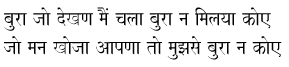
Bura Jo Dekhan Main Chala, Bura Naa Milya Koye
Jo Munn Khoja Apnaa, To Mujhse Bura Naa Koye


Translation

I searched for the crooked, met not a single one
When searched myself, "I" found the crooked one

Self needs to be assessed - Guru Angad

ਮਹਲਾ ੨ ॥
ਨਾਨਕ ਪਰਖੇ ਆਪ ਕਉ ਤਾ ਪਾਰਖੁ ਜਾਣੁ ॥ ਰੋਗੁ ਦਾਰੂ ਦੋਵੈ ਬੁਝੈ ਤਾ ਵੈਦੁ ਸੁਜਾਣੁ ॥
ਵਾਟ ਨ ਕਰਈ ਮਾਮਲਾ ਜਾਣੈ ਮਿਹਮਾਣੁ ॥ ਮੂਲੁ ਜਾਣਿ ਗਲਾ ਕਰੇ ਹਾਣਿ ਲਾਏ ਹਾਣੁ ॥
ਲਬਿ ਨ ਚਲਈ ਸਚਿ ਰਹੈ ਸੋ ਵਿਸਟੁ ਪਰਵਾਣੁ ॥
ਸਰੁ ਸੰਧੇ ਆਗਾਸ ਕਉ ਕਿਉ ਪਹੁਚੈ ਬਾਣੁ ॥
ਅਗੈ ਓਹੁ ਅਗੰਮੁ ਹੈ ਵਾਹੇਦੜੁ ਜਾਣੁ ॥੨॥

Mėhlā 2.

Nānak parkẖe āp ka-o ṯā pārakẖ jāṇ.
Rog ḏārū ḏovai bujẖai ṯā vaiḏ sujāṇ.
Vāt na kar-ī māmlā jāṇai mihmāṇ. Mūl jāṇ galā kare hāṇ lā-e hāṇ.
Lab na cẖal-ī sacẖ rahai so visat parvāṇ.
Sar sanḏẖe āgās ka-o ki-o pahucẖai bāṇ.
Agai oh agamm hai vāheḏaṛ jāṇ. ||2|| (SGGS148)

The bani of Second Nanak.

In essence: Oh Nanak! If a man assesses his “inner self”, only then he should be called an assessor. If one understands and diagnoses the disease and gives its medicine, one should be considered a shrewd physician. One should not involve in strife; instead one should live like a guest here. One should know Akalpurakh, the origin of all; one should live in the company of likewise devotees. If one does so, one doesn’t hold on to avarice but remains imbued with Akalpurakh. Thus, one becomes broker for others to bring them close to Akalpurakh. Such a broker becomes accepted one. If an arrow is aimed in the sky, which is inaccessible, what can it hit? It will fall back on the archer (because of his ignorance).

Wishes


Gurbani and Vedas can often used shared wisdom that has been coming down since generations. It is just presented in an easier language. The references in Gurbani are generally consistent with the Advaita philosophy. For example, the concept of a rope being mistaken for a snake is often used to indicate lack of knowledge both in Advaita Vedanta and Gurbani.


Rāj bẖuiang parsang - Bhagat Ravidas 

Rāj bẖuiang parsang jaise hėh ab kacẖẖ maram janāiā.
Like the story of the rope mistaken for a snake, the mystery has now been explained to me.

Here are lines from Niralamb Upanishad which defines ignorance:

अज्ञानमिति च रज्जौ सर्पभ्रान्तिरिवाद्वितीये सर्वानुस्यूते सर्वमये ब्रह्मणि देवतिर्यङ्नरस्थावरस्त्रीपुरुषवर्णाश्रम -बन्धमोक्षोपाधिनानात्मभेदकल्पितं ज्ञानमज्ञानम् ॥ १४ ॥

Ignorance is the illusory knowledge – like that of the snake in the rope – of Brahman that is All in all, all-pervasive and non-dual. (This illusory knowledge) is associated with a plurality of selves based on the plurality of the adjuncts of bondage and liberation, viz.; stations in life, castes, men, women, the immobiles, mankind, (lower) animals and gods.


Full Shabad


ਮਾਧਵੇ ਕਿਆ ਕਹੀਐ ਭ੍ਰਮੁ ਐਸਾ ॥
माधवे किआ कहीऐ भ्रमु ऐसा ॥
Māḏẖve kiā kahīai bẖaram aisā.
O Lord, what can I say about such an illusion?

ਜੈਸਾ ਮਾਨੀਐ ਹੋਇ ਨ ਤੈਸਾ ॥੧॥ ਰਹਾਉ ॥
जैसा मानीऐ होइ न तैसा ॥१॥ रहाउ ॥
Jaisā mānīai hoe na ṯaisā. ||1|| rahāo.
Things are not as they seem. ||1||Pause||

ਨਰਪਤਿ ਏਕੁ ਸਿੰਘਾਸਨਿ ਸੋਇਆ ਸੁਪਨੇ ਭਇਆ ਭਿਖਾਰੀ ॥
नरपति एकु सिंघासनि सोइआ सुपने भइआ भिखारी ॥
Narpaṯ ek singẖāsan soiā supne bẖaiā bẖikẖārī.
It is like the king, who falls asleep upon his throne, and dreams that he is a beggar.

ਅਛਤ ਰਾਜ ਬਿਛੁਰਤ ਦੁਖੁ ਪਾਇਆ ਸੋ ਗਤਿ ਭਈ ਹਮਾਰੀ ॥੨॥
अछत राज बिछुरत दुखु पाइआ सो गति भई हमारी ॥२॥
Acẖẖaṯ rāj bicẖẖuraṯ ḏukẖ pāiā so gaṯ bẖaī hamārī. ||2||
His kingdom is intact, but separated from it, he suffers in sorrow. Such is my own condition. ||2||

ਰਾਜ ਭੁਇਅੰਗ ਪ੍ਰਸੰਗ ਜੈਸੇ ਹਹਿ ਅਬ ਕਛੁ ਮਰਮੁ ਜਨਾਇਆ ॥
राज भुइअंग प्रसंग जैसे हहि अब कछु मरमु जनाइआ ॥
Rāj bẖu▫i▫ang parsang jaise hėh ab kacẖẖ maram janā▫i▫ā.
Like the story of the rope mistaken for a snake, the mystery has now been explained to me.

ਅਨਿਕ ਕਟਕ ਜੈਸੇ ਭੂਲਿ ਪਰੇ ਅਬ ਕਹਤੇ ਕਹਨੁ ਨ ਆਇਆ ॥੩॥
अनिक कटक जैसे भूलि परे अब कहते कहनु न आइआ ॥३॥
Anik katak jaise bẖūl pare ab kahṯe kahan na āiā. ||3||
Like the many bracelets, which I mistakenly thought were gold; now, I do not say what I said then. ||3||

ਸਰਬੇ ਏਕੁ ਅਨੇਕੈ ਸੁਆਮੀ ਸਭ ਘਟ ਭੋੁਗਵੈ ਸੋਈ ॥
सरबे एकु अनेकै सुआमी सभ घट भोगवै सोई ॥
Sarbe ek anekai suāmī sabẖ gẖat bẖogvai soī.
The One Lord is pervading the many forms; He enjoys Himself in all hearts.

ਕਹਿ ਰਵਿਦਾਸ ਹਾਥ ਪੈ ਨੇਰੈ ਸਹਜੇ ਹੋਇ ਸੁ ਹੋਈ ॥੪॥੧॥
कहि रविदास हाथ पै नेरै सहजे होइ सु होई ॥४॥१॥
Kahi Raviḏās hāth pai nerai sėhje hoe so hoī. ||4||1||
Says Ravi Daas, the Lord is nearer than our own hands and feet. Whatever will be, will be. ||4||1||

Rope and snake analogy in the Upanishads

Here are the Upanishads in which the rope-snake example is used. Some of them are clearly in the context of the creation itself while others are in the context of mokShakAraka jnAna. These all occur in Muktika's list of 108 Upanishads.


*Niralambopanishad*
अज्ञानमिति च रज्जौ सर्पभ्रान्तिरिवाद्वितीये सर्वानुस्यूते सर्वमये ब्रह्मणि
देवतिर्यङ्नरस्थावरस्त्रीपुरुषवर्णाश्रमबन्धमोक्षोपाधिनानात्मभेदकल्पितं
ज्ञानमज्ञानम् ॥ १४ ॥
And [as to what is] Ignorance (अज्ञान) is [answered as follows]: Ignorance is the [delusory] knowledge, [that causes] superimposition of varieties of non-selves based on the manifold adjuncts, gods, animals, immovable
(trees), women, men, varNas, stages of life, bondage and liberation, upon Brahm (ब्रह्म), like that of snake in the rope.


*Yogakundalinyupanishad Translated by K. Narayanasvami Aiyar*
जायाभवविनिर्मुक्तिः कालरूपस्य विभ्रमः ।
इति तं स्वस्वरूपा हि मती रज्जुभुजङ्गवत् ॥ ७९॥
1.79: Like the conception of the snake in a rope, so the idea of the
release from life and Samsara is the delusion of time.


*Tejobindupanishad Translated by K. Narayanasvami Aiyar*
गगने नीलिमासत्ये जगत्सत्यं भविष्यति ।
शुक्तिकारजतं सत्यं भूषणं चेज्जगद्भवेत् ॥ ७६ ॥
रज्जुसर्पेण दष्टश्चेन्नरो भवतु संसृतिः ।
जातरूपेण बाणेन ज्वालाग्नौ नाशिते जगत् ॥ ७७ ॥
4/6.76-77 (continues till 98): When the blueness of the sky really exists in it, then the universe really is. When the silver in mother-of pearl can be used in making an ornament, when a man is bitten by (the conception of)
a snake in a rope, when the flaming fire is quenched by means of a golden arrow, ... then the world really is.


*Rudrahridayopanishad*
यः सर्वज्ञः सर्वविद्यो यस्य ज्ञानमयं तपः ।
तस्मादत्रान्नरूपेण जायते जगदावलिः ॥ ३३॥
सत्यवद्भाति तत्सर्वं रज्जुसर्पवदास्थितम् ।
तदेतदक्षरं सत्यं तद्विज्ञाय विमुच्यते ॥ ३४॥
33-35: From that all-knowing, omniscient Lord, whose being endowed with knowledge itself is the penance [=visualisation], the whole world is created in the form of food [that is consumed by all sense organs]. That
entire [world] shines [=appears] as-if real, superimposed [on the Lord] just like a rope on a snake. That is this imperishable reality, knowing which, one is liberated.


*Nirvanopanishad Translated by Prof. A. A. Ramanathan*
अनित्यं जगद्यज्जनितं स्वप्नजगदभ्रगजादितुल्यम् ।
तथा देहादिसंघातं मोहगुणजालकलितं तद्रज्जुसर्पवत्कल्पितम् ।
28. The phenomenal world is impermanent as it is produced [from Brahman which alone is real]; it is similar to a world seen in a dream and an [illusory] elephant in the sky; similarly, the cluster of things such as the body is perceived by a network of a multitude of delusions and it is fancied to exist as a serpent in a rope.


*Nadabindupanishad Translated by K. Narayanasvami Aiyar*
अज्ञानं चेति वेदान्तैस्तस्मिन्नष्टे क्व विश्वता ।
यथा रज्जुं परित्यज्य सर्पं गृह्णाति वै भ्रमात् ॥ २६ ॥

26 (1/2) -27. As a person through illusion mistakes a rope for a serpent, so the fool not knowing the eternal truth sees the world [to be true]. When he knows it to be a piece of rope, the illusory idea of a serpent vanishes.


*Katharudropanishad Translated by Prof. A. A. Ramanathan*
ब्रह्मभूतात्मनस्तस्मादेतस्माच्च्ह्क्तिमिश्रितात् ।
अपञ्चीकृत आकाशसंभूतो रज्जुसर्पवत् ॥ १३॥

13/17. From this Self which is one with Brahman and which is possessed of Maya power arose the unmanifest Akasa like a rope-serpent.


*Atmabodhopanishad **Translated by Dr. A. G. Krishna Warrier*
विवेकयुक्तिबुद्ध्याहं जानाम्यात्मानमद्वयम् । तथापि बन्धमोक्षादिव्यवहारः
प्रतीयते ॥ ११॥
निवृत्तोऽपि प्रपञ्चो मे सत्यवद्भाति सर्वदा । सर्पादौ रज्जुसत्तेव
ब्रह्मसत्तैव केवलम् ॥ १२॥
प्रपञ्चाधाररूपेण वर्ततेऽतो जगन्न हि । यथेक्षुरससंव्याप्ता शर्करा वर्तते तथा ॥ १३॥

II-1-11-13. I know myself without a second, with discrimination. Even then bondage and liberation are experienced. The world has gone away that appears to be real like serpent upon rope; only Brahman exists as the basis of the world; therefore the world does not exist; like sugar pervaded by the taste of the sugarcane, I am pervaded by bliss. All the three worlds, from Brahma to the smallest worm are imagined in me.


*Atmopanishad Translated by Dr. A. G. Krishna Warrier*
अमुष्य ब्रह्मभूतत्त्वाद्ब्रह्मणः कुत उद्भवः ।
मायाक्लृप्तौ बन्धमोक्षौ न स्तः स्वात्मनि वस्तुतः ॥ २६॥
यथा रज्जौ निष्क्रियायां सर्पाभासविनिर्गमौ ।
अवृतेः सदसत्त्वाभ्यां वक्तव्ये बन्धमोक्षणे ॥ २७॥
नावृत्तिर्ब्रह्मणः क्वाचिदन्याभावादनावृतम् ।
अस्तीति प्रत्ययो यश्च यश्च नास्तीति वस्तुनि ॥ २८॥

II-26-27(a). Because that Yogin has become Brahman, how can Brahman be reborn? Bondage and liberation, set up by Maya, are not real in themselves in relation to the Self, just as the appearance and disappearance of the snake are not in relation to the stirless rope.


*Annapurnopanishad*
रज्जुसर्पदर्शनेन कारणाद्भिन्नजगतः सत्यत्वभ्रमो निवृत्तः ॥ १.१६॥
1.10 The delusion of the reality of the world, as different from its cause, is negated, by [way of example of negation of] the vision of the snake in the rope [as different from its cause].


*Annapurnopanishad Translated by Dr. A. G. Krishna Warrier*
अधिष्ठाने परे तत्त्वे कल्पिता रज्जुसर्पवत् ।
कल्पिताश्चर्यजालेषु नाभ्युदेति कुतूहलम् ॥४.१०॥
4.10. (The whole world) is superimposed on the supreme Reality, the Ground, as the snake is on the rope. No curiosity is aroused as regards these superimposed wonders.


This essay is written by T. Singh (http://www.gurbani.org/articles/webart96.php); his other works can be found on http://www.gurbani.org/: 

"ROPE MISTAKEN FOR A SNAKE"
Like the story of the rope mistaken for a snake,the
mystery has now been explained to me. Like the many bracelets, which I
mistakenly thought were gold; now, I do not say what I said then (sggs 658).
<><><><>

"Rope mistaken for a snake" — what is the story behind this mystic expression the Gurbani (SGGS) talks about here? The Absolute Truth is explained and reinforced by the teachers and the scriptures for our understanding through different similes, allegories, metaphors, figurative or mystic representations, illustrations and analogies. One such analogy involves the rope and the snake. Having properly understood, such analogies enable the spiritual seekers remove mental distortions (Doojaa Bhaav or duality) and realize the One Reality - the Unconditioned Consciousness - that underlies the apparent diversity.

Divine Kowledge (Aatam-Giaan) is the one means for liberation from ignorance of our True Identtity, the Mool within (Source, Origin, Jot...). With the dawn of the pure Knowledge (Spiritual Wisdom, Gurmat...), one comes to realize that Mool alone is Real and all else is perishable. But, what is Knowledge?

The dawn of the Divine Knowledge really means the rediscovery of the Mool within (Source, Origin, Jot...), which has never been nonexistent. Freedom of the individual being (Jeeva) from all its sense of material bondage is possible only when such Pure Knowledge of our True Nature (Joti-Svaroopa, Mool...) is realized, or the glory of our True Identity rediscovered. The Gurbani tells us that without such Intuitive Wisdom we are mere dead bodies in the world.

ਸਤਿਗੁਰੁ ਜਿਨੀ ਨ ਸੇਵਿਓ ਸਬਦਿ ਨ ਕੀਤੋ ਵੀਚਾਰੁ ॥ ਅੰਤਰਿ ਗਿਆਨੁ ਨ ਆਇਓ ਮਿਰਤਕੁ ਹੈ ਸੰਸਾਰਿ ॥: Satigur jinee n sevio sabadi n keeto Veechaar. Antar giaan na aaio miratak hai sansaar: They who do not serve the Satguru (via Naam-Simran) and do not ponder over the Shabad (Shabad-Vichaar, contemplation on the Shabad, reflection on the Shabad, etc.), obtain not Divine Knowledge (Wisdom, Giaan, etc.) within (ਹਿਰਦੇ ਵਿਚ ਸੱਚਾ ਚਾਨਣ ਨਹੀਂ ਹੋਇਆ) and (they may appear as alive in the world, but) are as dead in the world (sggs 88). 

 Knowledge alone destroys the ignorance as light destroys deep darkness. The purpose of analogy such as the "rope mistaken for a snake" helps us remove the misunderstanding about our True Nature which is Pure Consciousness. Once the misunderstanding is removed, the Mool within (Source, Origin, Jot...) stands revealed within.

Ignorance is nothing but the non-apprehension of greater Reality. This non-apprehension of Reality causes the misapprehension in our life. For example, in darkness when we do not have the true knowledge of a rope, we may misunderstand it to be either a snake, or a piece of stick, or a streak of water, or a crack in the ground, and so on. Thus, due to initial non-apprehension of the rope, we could have misapprehensions of the various other objects superimposed on the rope.

ਰਾਜ ਭੁਇਅੰਗ ਪ੍ਰਸੰਗ ਜੈਸੇ ਹਹਿ ਅਬ ਕਛੁ ਮਰਮੁ ਜਨਾਇਆ ॥ ਅਨਿਕ ਕਟਕ ਜੈਸੇ ਭੂਲਿ ਪਰੇ ਅਬ ਕਹਤੇ ਕਹਨੁ ਨ ਆਇਆ ॥: Raaj bhuiang prasangi jaise hahi ab kashu maramu janaaiaa. Anik katak jaiase bhooli pare kahate kahanu n aaiaa ||3||: As is the story of the rope and the snake (i.e., rope mistaken for a snake in darkness), some mystery has now been explained (to me). Like the many bracelets (made of gold), which were mistakenly thought (of separate or different from the gold); now, (I) do not say that (sggs 658).

Likewise, in ignorance the Mool within (Source, Origin, Jot...) has been imagined as the false ego, the mind, the intellect, the body, the senses, and so on. Thus, being attached to the ignorance of our Essential Nature, we are fallen into deep sleep of illusion. Consequently, we are unable to apprehend the Reality. Because of such misunderstanding and consequent superimpositions, we suffer under the ignorance about the Truth of our Mool.

The Mool within (Source, Origin, Jot...) , we superimpose upon It certain conditioning. When the contamination caused by the false limitations is removed, Mool is realized and discovered as the One Timeless Spirit, which runs through All. Just as once the darkness is removed, the rope alone remains; the snake disappears. For we know that the rope alone is real, not the snake; however, it was our non-apprehension of the rope that gave rise to the misapprehension of the snake.
ਸਕਤਿ ਅਧੇਰ ਜੇਵੜੀ ਭ੍ਰਮੁ ਚੂਕਾ ਨਿਹਚਲੁ ਸਿਵ ਘਰਿ ਬਾਸਾ ॥: Sakti adher jevarhee bhram chookaa nihchal siv ghari vaasaa ||: In the darkness of Maya, I mistook the rope for the snake, but that is over, and now I dwell in the eternal home of the Lord (sggs 332).An another example may help us understand this point further. In the dark, a pole or a post may be mistaken for a ghost. As the darkness is removed, the ghost disappears; only the pole remains as reality. Ignorance begets false ego. Due to our ignorance of the rope and the pole, we superimposed our false egoistic ideas on the reality, that is, the rope and the pole. The result was that our non apprehension of the reality (i.e., rope and the pole) caused its misapprehension into a snake and a ghost.

Similarly, the Mool within (Source, Origin, Jot...) alone is Real. However, our non apprehension of this Changeless Reality causes Its misapprehension into a phenomenal world. Thus, under the influence of imaginary limitations, we forget Reality and acts as our existence is separate from the glorious Reality which illumines life.
ਆਤਮ ਦੇਉ ਦੇਉ ਹੈ ਆਤਮੁ ਰਸਿ ਲਾਗੈ ਪੂਜ ਕਰੀਜੈ ॥੧॥: Atam deou deou hai aatam ras laagai pooj kareejai: The soul is divine; divine is the soul. Worship Him with love (sggs 1325).
ਚੇਤਿ ਸੁਚੇਤ ਚਿਤ ਹੋਇ ਰਹੁ ਤਉ ਲੈ ਪਰਗਾਸੁ ਉਜਾਰਾ ॥: Chet suchet chit hoyi rahu tayu lai pargaas ujaaraa: When you are conscious in your Consciousness, you will be enlightened and illuminated (sggs 339).
ਆਤਮ ਮਹਿ ਪਾਰਬ੍ਰਹਮੁ ਲਹੰਤੇ ॥: Aatam mahi paarbraham lahante: Within the Soul, find the Supreme Lord (sggs 276).
ਆਤਮੁ ਚੀਨੈ ਸੁ ਤਤੁ ਬੀਚਾਰੇ ॥: Aatam cheenai su tatt beechaarae: One who understands his own Soul, contemplates the essence of Reality (sggs 224).
ਆਤਮ ਰਾਮੁ ਰਾਮੁ ਹੈ ਆਤਮ ਹਰਿ ਪਾਈਐ ਸਬਦਿ ਵੀਚਾਰਾ ਹੇ ॥੭॥: Aatam Raam Raam hai aatam Hari paaeeai Sabad veechaaraa he ||7||: The soul is God, and God is the soul; by engaging in the Shabad Vichaar, God is found ||7|| (sggs 1030).
ਆਤਮੇ ਨੋ ਆਤਮੇ ਦੀ ਪ੍ਰਤੀਤਿ ਹੋਇ ਤਾ ਘਰ ਹੀ ਪਰਚਾ ਪਾਇ ॥: Aatame no aatame dee prateeti hoi taa ghar hee parachaa paai: If the individual soul has faith in the Supreme Soul, then it will obtain realization within its own Home, within (sggs 87).

In all the forgoing cases of delusory superimpositions such as sanke-vision in a rope or a ghost-vision in a post, the cause for the illusion (Bharam) is in the accidental non-apprehension of the Real, which gives rise to misapprehension. In the absence of truth, we cannot but misinterpret the Reality through our own misguided imaginations, which form the delusory projections.

Our non-apprehension of Reality and the subsequent misapprehensions are together called delusion or Maya. In the examples of the rope and the post, the ignorance of reality (the rope or the post) is Maya, which is the cause of the creation of the frightening snake and the grinning ghost. The impression that "what we deem a thing to be, in reality it's not like that" — the notion that the Mool within (Source, Origin, Jot...) is the body and mind stuff (which it's not) — is what is called false ego.
ਮਾਧਵੇ ਕਿਆ ਕਹੀਐ ਭ੍ਰਮੁ ਐਸਾ ॥ ਜੈਸਾ ਮਾਨੀਐ ਹੋਇ ਨ ਤੈਸਾ ॥੧॥ ਰਹਾਉ ॥: Maadhve kiya kaheeyai bhram aisaa. Jaisaa maaneeyai hoi na taisaa ||1||Rahaaou||: O Maadhav! What can I say about this illusion; what we deem a thing to be, in reality, it is not like that ||1||Pause|| (sggs 657).
ਹਉਮੈ ਮੋਹੁ ਉਪਜੈ ਸੰਸਾਰਾ ॥: Haumai moh upjai sansaraa: Out of egotistic attachment, the Universe is born (sggs 1057).
ਮਿਲਿ ਮਾਇਆ ਸੁਰਤਿ ਗਵਾਈ ॥: Mil Maya surti gavaayee: By associating with the Maya (illusion), the mortal loses Divine Understanding (sggs 989).
ਏਹ ਮਾਇਆ ਜਿਤੁ ਹਰਿ ਵਿਸਰੈ ਮੋਹੁ ਉਪਜੈ ਭਾਉ ਦੂਜਾ ਲਾਇਆ ॥: Eh Maya jit Hari visrai moh upjai bhaau dooja laya: This is Maya, by which God is forgotten; emotional attachment and love of duality is born (sggs 921).
ਮਾਈ ਮਾਇਆ ਛਲੁ ॥: Maayee Maya Chhall: O my mother, the Maya is deceitful (sggs 717).According to the Gurbani, the essentials of Realization of the Mool within (Source, Origin, Jot...) is knowing that we are not this body and mind stuff but we are different from it. The Mool appears to be a "Jeeva" (individual being) because of ignorance, just as the non-apprehension of the rope caused all the misapprehension about the snake. The misconception was the snake on the rope. When the cause, the misconception dies, then the effect, the snake, also dies.

Similarly, the egocentric individuality dies when the real nature of the "Jeeva" is realized as the Mool within (Source, Origin, Jot...). When the false ego ends, all its effects or byproducts are also removed, which constitutes emancipation from bondage. The scriptures tell us that through discriminative self-analysis (Viveka) and logical inner inquiry (Vichaar), we can separate the Mool within from the body-senses-mind-intellect-equipment as one separates the rice from the husk, bran, etc.
ਜਿਨੀ ਆਤਮੁ ਚੀਨਿਆ ਪਰਮਾਤਮੁ ਸੋਈ ॥: Jinee aatam cheeniaa parmaatam soee: Those who understand their own Soul, are themselves the Supreme Soul (sgg 421).
ਆਪੁ ਪਛਾਣੈ ਮਨੁ ਨਿਰਮਲੁ ਹੋਇ ॥ ਜੀਵਨ ਮੁਕਤਿ ਹਰਿ ਪਾਵੈ ਸੋਇ ॥: Aap pachhanai man nirmal hoyi. Jeevan mukti har paavai soi: Pure becomes the mind of him, who recognizes his ownself. He is liberated in this life and attains Lord (sggs 161).In the "rope mistaken for a snake" analogy, without the rope, the substratum, the superimposition of the snake on the rope is impossible. Similarly, without the Infinite and Changeless Mool within (Source, Origin, Jot...), the One Homogeneous Being, which is the Substratum of all, even the delusion of the material world is not possible.

The idea is that, in all earnest inquiries by the real seekers of the Truth, ultimately the real Substratum (Adhaar) comes to be discovered; when we discover the snake in the rope, we all know how impermanent, relatively, is the snake-vision. Then, the superimposition, the snake and its fear, are all declared as "false", while, the rope is relatively considered as "Truth".

By the negation of the false and the assertion of the Truth, the superimpositions (conditioning, material contamination, self-limitations, etc.) are destroyed, and what remains over is the Infinite Reality. When the mental distortions cease the world-illusion also ceases, and the mind revert back to its Natural State of Being (Sahaj Avasthaa, ਗਿਆਨ ਅਵਸਥਾ). As the dirt is washed with the dirt, a thorn is removed by another thorn, a poison antidotes poison, similarly, the mind is purified (conquered) by the mind!
ਮਨ ਮਹਿ ਮਨੁ ਉਲਟੋ ਮਰੈ ਜੇ ਗੁਣ ਹੋਵਹਿ ਨਾਲਿ ॥: Man mahi man ulto marai je gun hovahi naal: The (lower) mind turns inward, and merges with the (Higher) Mind, when it is with virtue (sggs 935).
ਮਨ ਮਹਿ ਮਨੂਆ ਜੇ ਮਰੈ ਤਾ ਪਿਰੁ ਰਾਵੈ ਨਾਰਿ ॥: Man mahi manooyaa je marai taa pir raavai naari: If the (lower) mind within the (Higher) Mind dies, then the Husband Lord ravishes and enjoys His soul-bride (sggs 58).
ਨਾਨਕ ਮਨ ਹੀ ਤੇ ਮਨੁ ਮਾਨਿਆ ਨਾ ਕਿਛੁ ਮਰੈ ਨ ਜਾਇ ॥: Nanak man hee te man maaniya na kish marai na jaayi: O Nanak, through the (Higher) Mind, the (lower) mind is satisfied, and then, nothing comes or goes (sggs 514).
ਮਾਣਕੁ ਮਨ ਮਹਿ ਮਨੁ ਮਾਰਸੀ ਸਚਿ ਨ ਲਾਗੈ ਕਤੁ ॥: Manak man mahi manu maarsee sach na laagai kat: The Divine Jewel within the (Higher) Mind annihilates the (lower) mind; thus attached to the Truth, it does not wander deluded again (sggs 992).

Although the negation of our false misunderstandings about ourselves is to be pursued, however, after the negation of the false, if we stop right there and do not usher ourselves to go beyond it then our Realization will only be partial.

The Gurbani does not recommend such partial understanding. Instead, the Gurbani wants us to cultivate "ਪੂਰਨ ਬ੍ਰਹਮ ਗਿਆਨੁ" (Pooran Brahm Giaan - complete Brahm Giaan).

For instance, using our example of the "rope mistaken for a snake", the negation of the snake should be immediately followed by the assertion of the positive existence of the rope! Thus, after the delusory beliefs in ourselves are negated, inward Divine Realization is complete only when we come to assert and live the Truth in Itself. This is why Baabaa Nanak says:
ਸਚਹੁ ਓਰੈ ਸਭੁ ਕੋ ਉਪਰਿ ਸਚੁ ਆਚਾਰ ॥੫॥: Sachahu orai sabh kayu upari sach aachaar ||5||: Everything is underneath (lower than, ਉਰ੍ਹੇ, …) Truth; the truthful living (living with Truth) is the highest (i.e., the superior form of living, ਸਭ ਤੇ ਉੱਪਰ …) ||5|| (sggs 62).

This is the strength of the Gurbani that lies in its positivity, which leads man away from his present confusions and misunderstandings, and raise him from his sensuous slavery, mental weaknesses and intellectual impotency into the stature of a his real "Joti Svaroop". On apprehension of the Mool within (Source, Origin, Jot...), all our misapprehensions end.
ਆਤਮ ਮਹਿ ਪਾਰਬ੍ਰਹਮੁ ਲਹੰਤੇ ॥: Aatam mahi paarbraham lahante: Within the Soul, find the Supreme Lord (sggs 276).
ਤੋਹੀ ਮੋਹੀ ਮੋਹੀ ਤੋਹੀ ਅੰਤਰੁ ਕੈਸਾ॥ਕਨਕ ਕਟਿਕ ਜਲ ਤਰੰਗ ਜੈਸਾ ॥: Tohee mohee mohee tohee antar kaisaa. Kanak katik jal trang jaisaa: O Lord, You are me, and I am You — what is the difference between us? We are like gold and the bracelet, or water and the waves (sggs 93).
If you know your Soul you know your God (Jallaluddin Rumi).

By careful discrimination, reasoning, or negation (Bibek Budhi) the Bhagats and the Gurus determined the True Nature of the Reality and discussed everlasting Bliss (Anand). No amount of penance or rituals can take us to our Eternal Essence; for penance and rituals cannot destroy the false ego-sense. That can be destroyed only on the direct experience of the Reality resulting from pure Divine Knowledge. Until that is done there cannot be true Peace and Freedom (Mukti) from ignorance.

Consider this little story. Once there was an infant prince who was abducted by a bandit and brought up as his son. After the infant prince grew to adulthood, he was discovered by the King's prime minister who happened to be passing through the jungle. The prime minister identified by the lost prince by the birth marks on his body. The prince was then taken back to the palace. Thus, suddenly, the bandit's son found himself to be a prince! But, as a matter of fact, he always was a prince! But, in ignorance he did not know about it. When the ignorance of his true identity (that he is a prince not a bandit's son) was removed, he realized that he was a prince. That's all. Nothing new was created, added or attained; yet, with the dawn of the True Knowledge, the false disappeared!

— T. Singh
www.gurbani.org
Older Posts Home

SHIVPREET SINGH

Singing oneness!
- Shivpreet Singh

Related Posts

Popular - 30 days

  • Vande Mataram - Lyrics and Translation
    I love the Vande Maataram composition in Raag Des sung by Lata Mangeshkar.  Vande Mataram is the national song of India. In 2003, BBC World ...
  • Man Atkeya Beparwah De Naal - Lyrics and Translation of Shah Hussain
    Man Atkeya Beparwah De Naal - Listening and Singing this kaafi by Shah Hussain today ...  https://www.youtube.com/watch?v=SkYN2XlK1Vg Raag J...
  • Kabir's Gao Gao Ri Dulhani - Lyrics and meanings
    One of my favorite Kabir's poem I call "Dulhani." In this beautiful poem, Kabir envisions himself as the bride and the univers...
  • Earth Day - Finding Peace in Wild Things, and Freedom on Earth
    Those who find love in nature discover a deep and lasting freedom—and in turn, inspire others to seek that same liberation. Poetry, I believ...
  • Dr Manzur Ejaz on Baba Guru Nanak
    I am listening to a lecture by Dr Manzur Ejaz today. He describes one of Guru Nanak's Babarvani shabads at the beginning: Jaisi Main Ave...
  • The Many Types of Raag Malhar
    Pour love in your heart, like the rain pours on the land today. As I am working on a Meerabai song I am doing research on the different vari...
  • Gulon Mein Rang Bhare - Lyrics and Translation of Mehdi Hassan Ghazal
    I was listening and meditating upon this beautiful ghazal by Faiz Ahmed Faiz, beautifully composed by Mehdi Hassan. It is one of my favorite...
  • Sanson Ki Mala Pe - Lyrics, Translation and Background
    Sanson ki Maala was made famous by Nusrat Fateh Ali Khan sahib.  Although some have attributed this song to Mirabai and Khusro, this is a gh...
  • Ve Mahiya Tere Vekhan Nu - Tufail Niazi and Wadali Brothers
    I have recently heard this Bulleh Shah song and it has really touched my heart. Several people have sung it, but I love the original composi...
  • Nasro Mansoor Guru Gobind Singh - Bhai Nand Lal Goya
    I have been singing this shabad for over 30 years; I composed it when I was a teenager. It comes from a fairly long poem of 55 couplets, lyr...

Blog Archive

  • ▼  2026 (10)
    • ▼  April (1)
      • Following the Daisy Because Love is Sweet - Reflec...
    • ►  March (6)
    • ►  February (1)
    • ►  January (2)
  • ►  2025 (24)
    • ►  October (5)
    • ►  September (7)
    • ►  August (2)
    • ►  July (2)
    • ►  June (3)
    • ►  March (1)
    • ►  February (2)
    • ►  January (2)
  • ►  2024 (21)
    • ►  December (1)
    • ►  November (2)
    • ►  October (3)
    • ►  September (2)
    • ►  August (4)
    • ►  July (2)
    • ►  June (3)
    • ►  May (1)
    • ►  April (1)
    • ►  February (1)
    • ►  January (1)
  • ►  2023 (41)
    • ►  December (4)
    • ►  November (3)
    • ►  October (4)
    • ►  September (7)
    • ►  August (5)
    • ►  July (7)
    • ►  June (3)
    • ►  May (3)
    • ►  April (1)
    • ►  March (1)
    • ►  February (3)
  • ►  2022 (8)
    • ►  March (2)
    • ►  January (6)
  • ►  2021 (139)
    • ►  December (15)
    • ►  November (2)
    • ►  October (6)
    • ►  September (7)
    • ►  August (2)
    • ►  July (4)
    • ►  May (21)
    • ►  April (21)
    • ►  March (35)
    • ►  February (23)
    • ►  January (3)
  • ►  2020 (150)
    • ►  December (2)
    • ►  November (13)
    • ►  October (32)
    • ►  September (47)
    • ►  August (37)
    • ►  July (5)
    • ►  June (3)
    • ►  May (3)
    • ►  April (3)
    • ►  March (2)
    • ►  February (1)
    • ►  January (2)
  • ►  2019 (43)
    • ►  December (5)
    • ►  November (8)
    • ►  October (13)
    • ►  September (4)
    • ►  July (3)
    • ►  June (1)
    • ►  May (2)
    • ►  March (1)
    • ►  February (1)
    • ►  January (5)
  • ►  2018 (53)
    • ►  December (8)
    • ►  November (5)
    • ►  October (3)
    • ►  September (4)
    • ►  August (6)
    • ►  July (3)
    • ►  June (4)
    • ►  May (6)
    • ►  April (5)
    • ►  March (2)
    • ►  February (4)
    • ►  January (3)
  • ►  2017 (73)
    • ►  December (2)
    • ►  November (12)
    • ►  October (8)
    • ►  September (1)
    • ►  August (7)
    • ►  July (6)
    • ►  June (12)
    • ►  May (5)
    • ►  April (4)
    • ►  March (8)
    • ►  February (3)
    • ►  January (5)
  • ►  2016 (141)
    • ►  December (1)
    • ►  November (9)
    • ►  October (16)
    • ►  September (19)
    • ►  August (2)
    • ►  July (5)
    • ►  June (7)
    • ►  May (3)
    • ►  April (18)
    • ►  March (34)
    • ►  February (16)
    • ►  January (11)
  • ►  2015 (28)
    • ►  December (1)
    • ►  November (1)
    • ►  October (2)
    • ►  September (12)
    • ►  August (1)
    • ►  May (1)
    • ►  April (7)
    • ►  March (1)
    • ►  February (1)
    • ►  January (1)
  • ►  2014 (107)
    • ►  December (1)
    • ►  November (6)
    • ►  October (1)
    • ►  August (2)
    • ►  July (1)
    • ►  June (11)
    • ►  April (10)
    • ►  March (15)
    • ►  February (24)
    • ►  January (36)
  • ►  2013 (242)
    • ►  December (13)
    • ►  October (5)
    • ►  September (3)
    • ►  August (3)
    • ►  June (7)
    • ►  May (62)
    • ►  April (79)
    • ►  March (12)
    • ►  February (23)
    • ►  January (35)
  • ►  2012 (145)
    • ►  December (29)
    • ►  November (31)
    • ►  October (44)
    • ►  September (5)
    • ►  August (9)
    • ►  July (7)
    • ►  June (1)
    • ►  May (3)
    • ►  April (1)
    • ►  March (4)
    • ►  February (9)
    • ►  January (2)
  • ►  2011 (252)
    • ►  December (1)
    • ►  November (1)
    • ►  October (4)
    • ►  September (13)
    • ►  August (28)
    • ►  July (44)
    • ►  June (33)
    • ►  May (15)
    • ►  April (2)
    • ►  March (45)
    • ►  February (43)
    • ►  January (23)
  • ►  2010 (70)
    • ►  December (31)
    • ►  November (20)
    • ►  October (2)
    • ►  September (3)
    • ►  August (1)
    • ►  July (2)
    • ►  May (5)
    • ►  March (4)
    • ►  February (1)
    • ►  January (1)
  • ►  2009 (15)
    • ►  December (1)
    • ►  November (3)
    • ►  October (2)
    • ►  September (2)
    • ►  August (1)
    • ►  June (1)
    • ►  April (1)
    • ►  March (1)
    • ►  February (1)
    • ►  January (2)
  • ►  2008 (15)
    • ►  November (1)
    • ►  July (2)
    • ►  June (5)
    • ►  May (1)
    • ►  April (2)
    • ►  March (1)
    • ►  February (1)
    • ►  January (2)
  • ►  2007 (9)
    • ►  November (4)
    • ►  October (2)
    • ►  September (1)
    • ►  August (2)
  • ►  1999 (1)
    • ►  May (1)

Message

Name

Email *

Message *

Twitter

Tweets by @shivpreetsingh


Copyright © Shivpreet Singh. Designed by OddThemes