Shivpreet Singh
Shivpreet Singh
  • Home
  • Music
    • Spotify
    • Apple Music
    • Amazon
    • Pandora
    • SoundCloud
    • Google
    • You Tube
      • Music on YouTube
      • Uplifting Shabads
      • Guru Nanak Shabads
      • Meditation & Chanting
      • Shabads for Kids
      • Shabads of Guru Arjan
      • Shabads of Guru Gobind Singh
  • Videos
    • Latest
    • Popular
    • Uplifting
    • Guru Nanak
    • Meditation
    • For Kids
    • Guru Arjan
    • Guru Gobind Singh
  • Projects
    • DhunAnand Foundation
    • Pandemic 2020
    • Guru Nanak 550
    • Namdev 750
    • Thoughts and Ruminations
    • What I Love to Read
  • News
  • Meet Me
    • Meet Me
    • Request
    • Send Email
    • Newsletter
    • FAQs
  • About
    • Biography
    • Photos
    • Music
    • FAQs


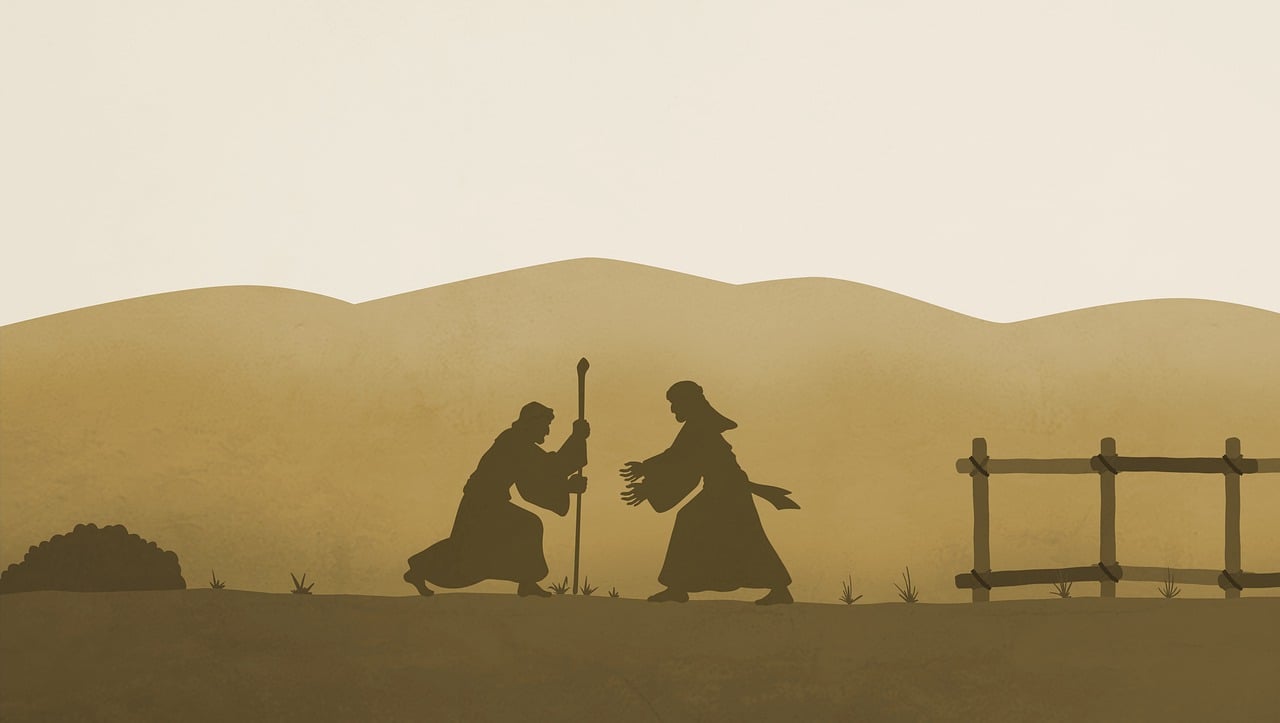
I am reading about the parable of Jesus raising Lazarus from death. And reflecting upon these lines: believing is a kind a of dying. Jesus' followers follow Jesus to they can "die" with Lazarus. 

So then he told them plainly, “Lazarus is dead, and for your sake I am glad I was not there, so that you may believe. But let us go to him.” Then Thomas (also known as Didymus[a]) said to the rest of the disciples, “Let us also go, that we may die with him.”

And that dying in belief is actually true living. It is eternal life.  Jesus says:

“I am the resurrection and the life. The one who believes in me will live, even though they die; and whoever lives by believing in me will never die. Do you believe this?”

The Death of Lazarus: Parable from Mark: 

1 Now a man named Lazarus was sick. He was from Bethany, the village of Mary and her sister Martha. 

2 (This Mary, whose brother Lazarus now lay sick, was the same one who poured perfume on the Lord and wiped his feet with her hair.) 

3 So the sisters sent word to Jesus, “Lord, the one you love is sick.”

4 When he heard this, Jesus said, “This sickness will not end in death. No, it is for God’s glory so that God’s Son may be glorified through it.”

5 Now Jesus loved Martha and her sister and Lazarus. 

6 So when he heard that Lazarus was sick, he stayed where he was two more days, 

7 and then he said to his disciples, “Let us go back to Judea.”

8 “But Rabbi,” they said, “a short while ago the Jews there tried to stone you, and yet you are going back?”

9 Jesus answered, “Are there not twelve hours of daylight? Anyone who walks in the daytime will not stumble, for they see by this world’s light. 

10 It is when a person walks at night that they stumble, for they have no light.”

11 After he had said this, he went on to tell them, “Our friend Lazarus has fallen asleep; but I am going there to wake him up.”

12 His disciples replied, “Lord, if he sleeps, he will get better.” 

13 Jesus had been speaking of his death, but his disciples thought he meant natural sleep.

14 So then he told them plainly, “Lazarus is dead, 

15 and for your sake I am glad I was not there, so that you may believe. But let us go to him.”

16 Then Thomas (also known as Didymus[a]) said to the rest of the disciples, “Let us also go, that we may die with him.”

Jesus Comforts the Sisters of Lazarus

17 On his arrival, Jesus found that Lazarus had already been in the tomb for four days. 

18 Now Bethany was less than two miles[b] from Jerusalem, 

19 and many Jews had come to Martha and Mary to comfort them in the loss of their brother. 

20 When Martha heard that Jesus was coming, she went out to meet him, but Mary stayed at home.

21 “Lord,” Martha said to Jesus, “if you had been here, my brother would not have died. 22 But I know that even now God will give you whatever you ask.”

23 Jesus said to her, “Your brother will rise again.”

24 Martha answered, “I know he will rise again in the resurrection at the last day.”

25 Jesus said to her, “I am the resurrection and the life. The one who believes in me will live, even though they die; 

26 and whoever lives by believing in me will never die. Do you believe this?”

27 “Yes, Lord,” she replied, “I believe that you are the Messiah, the Son of God, who is to come into the world.”

28 After she had said this, she went back and called her sister Mary aside. “The Teacher is here,” she said, “and is asking for you.” 

29 When Mary heard this, she got up quickly and went to him. 

30 Now Jesus had not yet entered the village, but was still at the place where Martha had met him. 

31 When the Jews who had been with Mary in the house, comforting her, noticed how quickly she got up and went out, they followed her, supposing she was going to the tomb to mourn there.

32 When Mary reached the place where Jesus was and saw him, she fell at his feet and said, “Lord, if you had been here, my brother would not have died.”

33 When Jesus saw her weeping, and the Jews who had come along with her also weeping, he was deeply moved in spirit and troubled. 

34 “Where have you laid him?” he asked.

“Come and see, Lord,” they replied.

35 Jesus wept.

36 Then the Jews said, “See how he loved him!”

37 But some of them said, “Could not he who opened the eyes of the blind man have kept this man from dying?”

Jesus Raises Lazarus From the Dead

38 Jesus, once more deeply moved, came to the tomb. It was a cave with a stone laid across the entrance. 39 “Take away the stone,” he said.

“But, Lord,” said Martha, the sister of the dead man, “by this time there is a bad odor, for he has been there four days.”

40 Then Jesus said, “Did I not tell you that if you believe, you will see the glory of God?”

41 So they took away the stone. Then Jesus looked up and said, “Father, I thank you that you have heard me. 

42 I knew that you always hear me, but I said this for the benefit of the people standing here, that they may believe that you sent me.”

43 When he had said this, Jesus called in a loud voice, “Lazarus, come out!” 

44 The dead man came out, his hands and feet wrapped with strips of linen, and a cloth around his face.

Jesus said to them, “Take off the grave clothes and let him go.”

A reminder of the story (John 11:1-45) - Brian Purfield

Jesus hears that his friend Lazarus is ill. Despite the disciples’ urging, Jesus does not rush to his side, but waits two days before heading for Bethany, the home of Lazarus and his two sisters, Martha and Mary. When Jesus finally decides to go to Bethany, the disciples urge caution because it is near Jerusalem, where there is a danger to Jesus’s life.

On his way Jesus is met by Martha who has heard that he is coming. She rushes to meet him and tells Jesus that Lazarus has died and has been in the tomb four days. Yet she says, ‘Lord, if you had been here, my brother would not have died, but even now I know that God will grant whatever you ask of him’ (11:21). When Jesus promises Lazarus will rise again, but makes no promise that it will be now rather than in the afterlife, Martha affirms her belief that Jesus is ‘the Christ, the Son of God, the one who was to come into this world’ (11:27).

Mary is waiting at home with the mourners who have come to share her sorrow. Martha returns and tells Mary that Jesus is on his way. Hearing this, Mary and the mourners go to meet Jesus and, distraught with grief, Mary throws herself at Jesus’s feet, overcome by heartache and anger. She seems to rebuke him: ‘Lord, if you had been here, my brother would not have died’ (11:52). Mary uses almost identical words to Martha, but there is no affirmation of faith in Jesus. Mary’s and the mourners’ reactions greatly distress Jesus; he bursts into tears.

Nevertheless, he is not deterred. On reaching Lazarus’s tomb, despite Martha’s protests that after four days the smell of Lazarus’s body will be overwhelming, Jesus commands the stone be removed and calls to Lazarus to come out of the tomb. At Jesus’s word, still bound by his burial cloths, Lazarus comes out. Jesus tells the onlookers to unbind Lazarus and let him go free from the captivity of death.

How does this story speak to us in our present circumstances?

‘Lazarus, come out!’ (11:43)

We don’t know the cause of Lazarus’s death. We do know he was in the tomb, dead, for four days. To the witnesses at Bethany, his raising was nothing short of miraculous. Even more so as the Jewish understanding was that the soul lingered with the corpse for three days, until the body burst open, then it left the body.

What must it have been like in that tomb with Lazarus? On his death, Lazarus’s body would have been washed, wrapped in burial cloths and anointed with oils. After four days his body would have started to decompose and the tomb, a cave in which Lazarus’s body had been laid, would have begun to smell horribly of the stench of death. For these reasons Martha warns Jesus not to have the covering stone removed. Furthermore, the Jews would have regarded Lazarus’s body as ritually unclean and not to be touched under any circumstances. Not only would the stench of Lazarus’s decaying body have been present in the tomb, but no light would have penetrated the covering stone and the tomb would have been in total darkness. This place was the embodiment of death from which there could be no escape.

At this time of enforced isolation, we may reflect on our own lives. We may see much goodness, life and light in our lives, perhaps we’ll also see parts of our behaviour where we have become strangely more comfortable in the stink and darkness of the tomb. Maybe we have become so comfortable living in this dark space that we’re afraid to come out into the light and life-giving fresh air of God. It is often easier to hold on to our bitterness and ill-feeling towards others than to swallow our pride and admit our failings. It is easier to hold on to broken and difficult relationships than to reach out to each other for healing in love. It is easier to blame ourselves, to hold on to our own guilt, than to accept the forgiveness of a loving and tender God. But these are all signs of death, not signs of life.

Jesus asks: ‘Where have you put him?’ They reply: ‘Come and see’, the very words Jesus said to the two disciples who asked where he was staying (1:38-39). When Jesus says, ‘come and see’, he brings them to a new life; when they say, ‘come and see’, they bring him to a tomb! But the Prologue of John’s Gospel reminded us that the word is light and that: ‘The light shines in the darkness, and the darkness did not overcome it’ (1:5). In the darkness and isolation of his tomb, Lazarus hears the word of God calling him to light and life.

‘I believe that you are the Christ, the Son of God’ (11:27)

In the raising of Lazarus, we witness Jesus’s divinity and we also see his human side. When the sisters send a message to tell Jesus that Lazarus is ill, their words are revealing: ‘Lord, the man you love is ill’ (11:3). Lazarus is not some stranger or mere acquaintance. He is loved by Jesus. Jesus calls him ‘our friend’ (11:11). John says: ‘Jesus loved Martha and her sister and Lazarus’ (11:5). Later, when Jesus meets Mary on the road, he is so distressed at the sight of her grief and the grief of those mourning with her, that he weeps (11:35). John does not hide Jesus’s humanity, and Jesus does not hide his own vulnerability.

Knowing the deep emotional bond between Jesus and Lazarus’s family, Jesus’s response on hearing the news of Lazarus’s illness is surprising. He doesn’t rush to his friend’s side but stays where he is. This seems to go against any claim of friendship or love Jesus had for Lazarus. When we know someone we love is in distress, we want to be with them. But Jesus doesn’t seem to show any sense of this urgency. Later, when the disciples assume Lazarus is resting, Jesus bluntly tells them, ‘Lazarus is dead’ (11:14). If this were the case, perhaps Jesus would be justified in taking his time getting to Bethany: Lazarus would be raised from the dead no matter when he arrived. This may be one possible explanation.

But Jesus loved not just Lazarus but also Martha and Mary. To delay going to Bethany without good reason would be at best insensitive and at worse callous in the context of his reaction to Lazarus’s grieving sisters. Given Jesus’s reaction on seeing Mary’s grief and that of the mourners, it would also seem to be contradictory. Jesus is not ignoring or denying his natural humanity, his natural desire to rush to Lazarus’s side and to comfort Martha and Mary, but has to overcome this desire for some greater purpose, some greater part of God’s plan.

Jesus also had to struggle with a natural, understandable fear. Bethany was very near Jerusalem, probably less than a morning’s walk. Jesus had left Jerusalem to go to the far side of the Jordan because, having confronted the Jewish authorities in the Temple (8:59), the people were threatening to stone him. His disciples knew there was a real danger to Jesus’s life. When Jesus decides to travel to Judea to see Martha and Mary, the disciples are alarmed: ‘Rabbi, it is not long since the Jews were trying to stone you; are you going back there again?’ (11:8) Yet Jesus, while not denying these very real emotions, sets them to one side. He overcomes them for a higher purpose, a greater good.

This greater purpose is linked to bringing the community at Bethany into a closer relationship with God the Father: ‘it is for God’s glory’ (11:4). Perhaps God’s plan is why Jesus, attuned to the Father’s will, sacrifices his own natural and human desires for those of his Father. He sacrifices them so that, through the raising of Lazarus from the dead (rather than just healing him before his death), those who witnessed the event would come to believe. Before calling Lazarus from the tomb, Jesus prays, ‘Father, I thank you for hearing my prayer. I myself knew that you hear me always, but I speak for the sake of all these who are standing around me, so that they may believe it was you who sent me’ (11:41-42). Jesus directs our gaze not to himself but to his Father, and through his action we can come to know the Father better.

‘Jesus loved Martha and her sister’ (11:5)

Mary and Martha are very different in character. When Jesus visits the family before Passover, Mary is seen as the far more emotional sister. In the raising of Lazarus we see her falling at Jesus’s feet in pain and anguish: she seems to rebuke him for being late. ‘Lord, if you had been here…’ – how often have we uttered those words? Later we see a different but equally emotive side when, after the raising of her brother, she again falls at Jesus’s feet – this time to anoint them with precious oils. There seems to be no middle ground with Mary. We see only demonstrations of anguish and joy.

Martha is far more level-headed, more rational in her approach. She goes to meet Jesus alone. There is no demonstrable show of sadness; neither does she overtly plead for Jesus to raise Lazarus from the dead. Her response is almost a rational and accepting faith in Jesus and in God’s will: ‘but even now I know that God will grant whatever you ask of him’ (11:22). No demand, just an acceptance that God’s will be done, not hers. Later, when Jesus visits Bethany, while Mary anoints Jesus’s feet, wiping them with her hair, John tells us Martha did not take centre stage; rather, ‘she waited on them’ (12:2) as they ate dinner. Martha seems to lack the demonstrable passion of Mary. In her we see a thinking, faithful and purposeful person, focused on the task at hand.

Most of us, if we’re honest, have elements of both Mary and Martha: the rational and the passionate, the thinking and the emotional.

‘He called Lazarus out of the tomb’ (12:17)

Lazarus is a key figure in John’s Gospel. It is because of Lazarus being called forth from the darkness and death of the tomb that Caiaphas convinces the Jewish authorities that Jesus must die (11:50). Yet while key, he only appears in the final moments of the story. For much of the narrative he is hidden from view, in the darkness of the tomb. Yet we are left in no doubt of his presence throughout the events in Bethany. What do we know of Lazarus?

We know that he lives with his two sisters, which at that time would not have been uncommon. There is no mention of a wife or children and, perhaps from the fact that it is Martha who waits at the table when Jesus visits Bethany, we can infer that he has neither. What we know for certain is that Lazarus is loved. He is loved in life and in death; he is loved by Jesus and by his sisters; and he is loved by the large crowd of mourners who come to wait with Mary and later meet Jesus on the road to Bethany. In his life Lazarus was a sign of love. In his death he becomes much more. He becomes a sign of conversion.

After his raising, Lazarus becomes a sign of hope and expectation. Crowds gather at Jerusalem to welcome Jesus because they have either witnessed the raising of Lazarus or have heard of the sign and now believe. But for this to happen Lazarus had to die. Without his death he could not have become a point of conversion for so many others. Yet this is not the resurrection of Lazarus but his recall to life. Resurrection is rising to glory and never having to face death again. When Jesus rises, he leaves his grave cloths behind. Lazarus emerges from the tomb still wrapped in his. Yet Jesus has the power to call us out of our tombs.

Jesus’s followers unbind Lazarus and in so doing they ignore the old law, for they touch what is ritually unclean. By acting on Jesus’s command, they accept the new law of the new covenant. They act as the agents of Lazarus’s liberation from death and the imprisonment and darkness of the tomb. We, too, as followers of the risen Christ, must be agents of liberation. From experience we know that we do not have to be dead physically to be in need of being raised. We can be dead in the midst of life, hoping for a word of life and a community that will help put us together again. Jesus’s voice calls us away from making the tomb our natural home and challenges us to take responsibility for our brother or sister who, like Lazarus, is loved by Jesus. If we see someone buried alive, we are invited to do as Jesus and the community do: call them, help them go free. Our mission in these trying times is to unbind humanity from the captivity of death, to bring new life to those caught in the darkness of the tomb. To be a light that ‘… shines in the darkness, and the darkness did not overcome it.’

Brian Purfield is a member of the London Jesuit Centre team. He gives talks and teaches short courses on Scripture.

Today on I am reading Autobiography by Eve today by Ansel Elkins. In a short package this poem comes with a resounding  message for our times. It is a lovely retelling of Eve's story from the Bible.  In the Bible, Eve gets a bad reputation -- she is the known to be the one that leads Adam astray, and thereby man falls from grace. And when God begins to question Adam and Eve concerning their sin (Gen. 3:11-13), they each pass off the responsibility to someone else: Adam blamed Eve; she in turn blamed the serpent. But they both agree that there was a fall from grace. Boldly correcting the history of the bible and that of every woman, Ansel claims that this was not a falling from grace. It was a leaping into freedom.  I loved the take on this: every falling of grace in terms of the society might actually be a rightful leap to freedom.  In just a few words Elkins unshackles bonds of centuries.  This is the power of revolutionary poetry that sings oneness. 

This poem reminded me of God's Garden by Robert Frost which is a different retelling of the genesis story from the Bible. It also reminds me of Guru Nanak's Bhand Jamiyeh where he says "Why do you call her low? Woman is only second to God."

[published with the permission of the author]

Autobiography of Eve

Wearing nothing but snakeskin
boots, I blazed a footpath, the first
radical road out of that old kingdom
toward a new unknown.
When I came to those great flaming gates
of burning gold,
I stood alone in terror at the threshold
between Paradise and Earth.
There I heard a mysterious echo:
my own voice
singing to me from across the forbidden
side. I shook awake—
at once alive in a blaze of green fire.

Let it be known: I did not fall from grace.

I leapt
to freedom.

- Ansel Elkins

More on Ansel Elkins 2014 book, Blue Yodel: https://anselelkins.net/yodel.html


Holy Spirit or Soul per the Bible

Holy Spirit: One of Three Persons of God
The Holy Spirit is one of the three persons of God: Father, Son and Holy Spirit. For many of us, this is a difficult concept to grasp. The Bible declares that there is only one living God, yet we learn from scripture that He comprises three separate personages. One way to partially visualize this concept is to examine the nature of water (H2O). Water is a single compound that can exist in three states – liquid, ice and vapor. An egg is another picture. It is comprised of the white, the yoke and the shell, yet it is still one egg. Of course, by no means do these examples paint a complete picture of our God, but they are illustrative of the fact that His three “persons” in no way invalidate His oneness.

Holy Spirit: Much More that an Ethereal Life Force
The Holy Spirit is not a vague, ethereal life force. He is not impersonal or unthinking. The Holy Spirit is a “person” equal in every way with God, the Father, and God, the Son. The Bible tells us that all the characteristics of God apparent in the Father and the Son are equally apparent in the Holy Spirit.

The Holy Spirit is composed of intellect, emotions and will. In 1 Corinthians 2:11, we see an example of the Holy Spirit’s intellect and will: “For what man knoweth the things of a man, save the spirit of man which is in him? even so the things of God knoweth no man, but the Spirit of God.”

In Romans 15:30, we see the Holy Spirit has emotion, as represented by the capacity to love:“Now I beseech you, brethren, for the Lord Jesus Christ's sake, and for the love of the Spirit, that ye strive together with me in your prayers to God for me;”

Although the Holy Spirit has all the characteristics of God, He has specific roles and functions in our lives. In John 16:13, we see the Spirit of Truth as our guide: “Howbeit when He, the Spirit of truth, is come, He will guide you into all truth: for He shall not speak of Himself; but whatsoever He shall hear, that shall He speak: and He will shew you things to come.”

In John 14:26, we learn that the Holy Spirit is our Counselor and teacher: “But the Comforter, which is the Holy Ghost, whom the Father will send in My name, He shall teach you all things, and bring all things to your remembrance, whatsoever I have said unto you.”

In 1 Corinthians 3:16, we see that the Holy Spirit lives inside us: “Know ye not that ye are the temple of God, and that the Spirit of God dwelleth in you?”

In Acts 1:8, we understand where our power comes from: “But ye shall receive power, after that the Holy Ghost is come upon you."

In Romans 8:14, we understand where our direction comes from: “For as many as are led by the Spirit of God, they are the sons of God.”

In Romans 8:26, we learn that the Holy Spirit is there for us in times of weakness and prayer: “Likewise the Spirit also helpeth our infirmities: for we know not what we should pray for as we ought: but the Spirit itself maketh intercession for us with groanings which cannot be uttered.”

In Hebrews 9:14, we see that the Holy Spirit is eternal. In 1 Corinthians 2:11, we see that the Holy Spirit is all-knowing. In Psalm 139; we see that the Holy Spirit is everywhere.

Holy Spirit: Attributes of God
The Holy Spirit, Father and Son all comprise a unified Godhead known in Christianity as the “Trinity.” A common misconception is that Christians believe in three different gods. This isn’t correct. While each “personage” is distinct in function, each shares together in the same deity and each reflects the divine attributes of the one living God.
Psalm 139:13-17


For you created my inmost being;
you knit me together in my mother’s womb.

I praise you because I am fearfully and wonderfully made;
your works are wonderful,
I know that full well. 

My frame was not hidden from you
when I was made in the secret place.

When I was woven together in the depths of the earth,
your eyes saw my unformed body.

All the days ordained for me
were written in your book
before one of them came to be.

How precious to me are your thoughts, O God!
How vast is the sum of them!


Matthew 6:14-15

For if you forgive other people when they sin against you, your heavenly Father will also forgive you. But if you do not forgive others their sins, your Father will not forgive your sins.

This is what makes Jesus a revolutionary of his time. He promoted the idea of love over hate. This is what he said about the "eye for eye" teaching of the Old Testament:

Eye for Eye

38 “You have heard that it was said, ‘Eye for eye, and tooth for tooth.’[a] 39 But I tell you, do not resist an evil person. If anyone slaps you on the right cheek, turn to them the other cheek also. 40 And if anyone wants to sue you and take your shirt, hand over your coat as well. 41 If anyone forces you to go one mile, go with them two miles. 42 Give to the one who asks you, and do not turn away from the one who wants to borrow from you.

Love for Enemies

43 “You have heard that it was said, ‘Love your neighbor[b] and hate your enemy.’44 But I tell you, love your enemies and pray for those who persecute you, 45 that you may be children of your Father in heaven. He causes his sun to rise on the evil and the good, and sends rain on the righteous and the unrighteous. 46 If you love those who love you, what reward will you get? Are not even the tax collectors doing that?47 And if you greet only your own people, what are you doing more than others? Do not even pagans do that? 48 Be perfect, therefore, as your heavenly Father is perfect.

While the answer to how to deal with injustice was still not perfect, and philosophers would continue to improve upon it, it was a huge improvement over thinking that has persisted for centuries.  

In the beginning of Shakespeare's Macbeth, (Act one, Scene one, line 12), the witches say, “Fair is foul and foul is fair.” Good and evil coexist together! Not a novel thought, but enlightening nevertheless. For centuries writers and philosophers have written about good and evil.  The topic is as young today as it was in the Vedic times, during the birth of Christ or Muhammad, in Shakespearean times.

Why should we pass judgement on others based on their own biases, experiences, or beliefs? If we can instead have humility and empathy, and recognize that everyone has their own unique perspective, we would not pass judgement. We often do not know everything. We have limited information upon which we act.  And we ourselves make mistakes.  Everyone makes mistakes and has their own struggles and challenges, and it is important to show compassion and understanding towards others. 

Additionally, judging others can be harmful, not only to the person being judged but also to us when are are judging. It can create feelings of resentment and animosity, and can lead to a lack of empathy and understanding. These feelings can eat our own souls.  

And Guru Nanak says at the end of his sentinal composition, Japji Sahib:
The righteous one judges good and evil
Deeds make some close and others far
Pavan Guru - Shivpreet Singh


Kabir says in his popular couplet -
बुरा जो देखन मैं चला, बुरा न मिलिया कोई।
जो मन खोजा अपना, तो मुझसे बुरा न कोई ।। 
When I tried looking outside, I couldn't find anyone dirty
When I saw my own heart, I found no one dirtier than me

Bible: Mathew 7:3
Why do you look at the speck of sawdust in your brother’s eye and pay no attention to the plank in your own eye?”

Here is an excerpt from Midnight in the Garden of Good and Evil is a non-fiction work by John Berendt. Published in 1994.
Midway through Jim Williams's second year in jail, Savannah more or less forgot about him. The city turned its attention to other topics. There was a good deal of talk, for example, about the divine intervention allegedly visited upon George Mercer 3d.
 
George Mercer 3d was a prominent businessman and the half-brother of the late Johnny Mercer. Mr. Mercer was leaving his house in Ardsley Park one evening to go to a dinner party when he suddenly realized he'd forgotten his car keys. He went back inside to get them. In the front hall he heard a voice say loud and clear, "George, you drink too much!"
 
Mr. Mercer turned around, but the hall was empty. "Who are you?" he asked. "And where are you?"
"I am the Lord," said the voice. "I am everywhere."
 
"Well, I know I drink more than I should," said Mr. Mercer, "but how do I know you're the Lord? If you really are, show me. Show me now. If you can prove to me you're God I'll never drink again." Suddenly, Mr. Mercer felt himself being lifted high in the air. Up over his house. Up over Ardsley Park. He was lifted so high he could look down and see all of Savannah -- the downtown squares, the river, Tybee Island and Hilton Head. And the voice said, "Have I proved to you that I am real?" Mr. Mercer declared then and there that he did believe, and the Lord put him back down in the front hall. George Mercer 3d never took another drink after that.

Even people who doubted the truth of that story had to admit that on a spiritual level at least something very strange was happening to Savannah's upper crust.

Posts related to Pavan Guru

Good and Evil coexist; who are we to judge?
Pavan Guru Pani Pita - Lyrics & Translation
Breath Ripens The Unripe Grapes Within
Pavan Guru - Song of the Wind
Pavan Guru - An opportunity to sing supremely sweet 


On the Halloween when Dwight D. Eisenhower was ten years old, his parents let his two older brothers go trick-or-treating, but told Ike he was too young to accompany them. Having eagerly anticipated a night of fun and freedom, Dwight was crushed. He argued his case for why he should be allowed to go out, begging and pleading with his parents to change their minds until his brothers at last headed off into the night without him. Completely beside himself with rage, Ike went into the yard and starting pounding away at the trunk of an apple tree, pummeling the bark until his fists bled. His father finally pulled the boy away, gave him a few swats with a hickory stick, and sent him off to bed. Ike sobbed into his pillow, feeling like the whole world was against him.

After an hour, Eisenhower’s mother came into his room and sat down in the rocking chair beside his bed. She rocked silently for awhile, and then began to talk to young Dwight, telling him she was concerned about his anger, and that of all her boys, he had the most to learn about getting his temper under control. But striving to do so and gaining self-mastery, Mrs. Eisenhower continued, was vital. “He that conquereth his own soul is greater than he who taketh a city,” she told her son, paraphrasing the Bible. Then, Ike remembered, she offered him a piece of life-changing advice:
“Hating was a futile sort of thing," she said, "because hating anyone or anything meant that there was little to be gained. The person who had incurred my displeasure probably didn’t care, possibly didn’t even know, and the only person injured was myself.”
As Eisenhower’s mother applied salve and bandages to Ike’s wounded hands, she reinforced her point by noting the way in which his heedless anger and resentment had changed nothing and only damaged himself.

Dwight calmed down, apologized for his outburst, and fell asleep.

Other posts on US Presidents

Ask, and it shall be given you; seek, and ye shall find; knock, and it shall be opened unto you.

- the gospel according to saint matthew

Most of us have not tried knocking on the door that Jesus is talking about. We are content to spend all our time exploring the outside of the house. The lawn, the trees, the trellis and the porch swing receive all our attention, so that we never even get inside, never seek out the One who is waiting there. We turn our cottage into House Beautiful, paint it and repaint it, but never so much as knock on the door.


Not only are we not looking for anybody inside, we are convinced that no one is there. If there is a God, we think he is surely outside, as is everything else that catches our attention. Vaguely, fondly even, we may sometimes imagine as we go about our business that Someone is probably keeping an eye on us. But if we will open our ears, we can hear the murmurings from within, the faint stir and rustle of a presence deep inside of us, and a voice hauntingly beautiful. Once we hear that, we will pound on the door with all our might, so that we can enter and meet the One who has been waiting so long.

Proverb 8 - The call of wisdom

1 Doth not wisdom cry? and understanding put forth her voice?

 2 She standeth in the top of high places, by the way in the places of the paths.

 3 She crieth at the gates, at the entry of the city, at the coming in at the doors.

 4 Unto you, O men, I call; and my voice is to the sons of man.

 5 O ye simple, understand wisdom: and, ye fools, be ye of an understanding heart.

 6 Hear; for I will speak of excellent things; and the opening of my lips shall be right things.

 7 For my mouth shall speak truth; and wickedness is an abomination to my lips.

 8 All the words of my mouth are in righteousness; there is nothing froward or perverse in them.

 9 They are all plain to him thatunderstandeth, and right to them that findknowledge.

 10 Receive my instruction, and not silver; and knowledge rather than choice gold.

 11 For wisdom is better than rubies; and all the things that may be desired are not to be compared to it.

 12 I wisdom dwell with prudence, and find out knowledge of witty inventions.

 13 The fear of the Lord is to hate evil: pride, and arrogancy, and the evil way, and the froward mouth, do I hate.

 14 Counsel is mine, and sound wisdom: Iam understanding; I have strength.

 15 By me kings reign, and princes decree justice.

 16 By me princes rule, and nobles, even all the judges of the earth.

 17 I love them that love me; and those that seek me early shall find me.

 18 Riches and honour are with me; yea,durable riches and righteousness.

 19 My fruit is better than gold, yea, than fine gold; and my revenue than choice silver.

 20 I lead in the way of righteousness, in the midst of the paths of judgment:

 21 That I may cause those that love me to inherit substance; and I will fill their treasures.

 22 The Lord possessed me in the beginning of his way, before his works of old.

 23 I was set up from everlasting, from thebeginning, or ever the earth was.

 24 When there were no depths, I was brought forth; when there were no fountains abounding with water.

 25 Before the mountains were settled, before the hills was I brought forth:

 26 While as yet he had not made the earth, nor the fields, nor the highest part of the dust of the world.

 27 When he prepared the heavens, I was there: when he set a compass upon the face of the depth:

 28 When he established the clouds above: when he strengthened the fountains of the deep:

 29 When he gave to the sea his decree, that the waters should not pass his commandment: when he appointed the foundations of the earth:

 30 Then I was by him, as one brought upwith him: and I was daily his delight, rejoicing always before him;

 31 Rejoicing in the habitable part of his earth; and my delights were with the sons of men.

 32 Now therefore hearken unto me, O ye children: for blessed are they that keep my ways.

 33 Hear instruction, and be wise, and refuse it not.

 34 Blessed is the man that heareth me, watching daily at my gates, waiting at the posts of my doors.

 35 For whoso findeth me findeth life, and shall obtain favour of the Lord.

 36 But he that sinneth against me wrongeth his own soul: all they that hate me love death.

“Share the joy of those who are happy and the grief of those who mourn. Live with one another in peace. Don’t be snobs, show the spirit of fellowship to those who aren’t important in the world’s eyes. Don’t grow a big head. Don’t pay back evil with evil; stay on higher ground.”
— Romans 12:16-17
I carry a copy of the Bible with me in my kindle (also the holy Koran).  Today while I was reading the parable of the prodigal son and found that this parable has similar underlying themes compared to Guru Nanak's teachings on Oneness.
 

Parable of the Prodigal Son:

In this parable (see below for text), the prodigal son's journey from separation and folly to reunion and forgiveness is analogous to the journey of the individual soul seeking to return to its divine source. The father's
unconditional love and forgiveness symbolize the divine's unwavering compassion for all beings, regardless of their past mistakes. This story illustrates the oneness between humanity and the divine:

1. Unity of Humanity and God: The prodigal son's story reflects the idea of unity between humanity and God. Just as the son realizes his separation from his father and longs to return, humans often feel a spiritual longing to reconnect with their divine source. This parallels the Sikh concept of recognizing the divine presence within all, highlighting the unity of creation.

2. Forgiveness and Compassion: The father's forgiveness and embrace of the prodigal son highlight the concept of divine forgiveness. This mirrors Guru Nanak's teachings of divine compassion and forgiveness, which emphasize the all-encompassing nature of God's love and the importance of forgiveness in cultivating unity and harmony among humans.

Confluence of Guru Nanak's and Jesus' Teachings:

While Guru Nanak's Sikhism and Jesus' Christianity are distinct religious traditions, there are similarities in their teachings that underscore the concept of oneness:

1. Oneness of God: Both Guru Nanak and Jesus emphasized the oneness and universality of God. Guru Nanak's teaching of "Ik Onkar" and Jesus' proclamation of the greatest commandment as loving God with all one's heart align in stressing the singular, formless, and all-encompassing nature of the divine.

2. Universal Love and Compassion: Both Guru Nanak and Jesus emphasized the importance of love and compassion. Guru Nanak's teachings of selfless service and love for all beings parallel Jesus' teachings of loving one's neighbor as oneself. Both teachings underscore the unity of humanity and the divine through acts of love and service.

3. Equality and Inclusivity: Both spiritual leaders advocated for the equality of all people. Guru Nanak rejected caste-based divisions, and Jesus' interactions with societal outcasts emphasized his commitment to inclusivity. These teachings highlight the interconnectedness of all humans and emphasize their equal worth in the eyes of the divine.

4. Inner Spiritual Journey: Guru Nanak's emphasis on inner meditation (simran) and realization of the divine within aligns with Jesus' teaching that the kingdom of God is within. Both traditions encourage individuals to look inward for spiritual growth and connection to the divine.

In my view, the parable of the prodigal son and the teachings of Guru Nanak and Jesus converge to emphasize the concept of oneness in several ways: unity between humanity and the divine, forgiveness and compassion, love and service, equality, and the significance of inner spiritual awareness. While these teachings emerge from different religious backgrounds, they share common threads that highlight the interconnectedness of all beings and their relationship with the divine.

Luke 15:11-32


The Parable of the Lost Son
(also called the prodigal son)

11 Jesus continued: “There was a man who had two sons. 12 The younger one said to his father, ‘Father, give me my share of the estate.’ So he divided his property between them.
13 “Not long after that, the younger son got together all he had, set off for a distant country and there squandered his wealth in wild living. 14 After he had spent everything, there was a severe famine in that whole country, and he began to be in need. 15 So he went and hired himself out to a citizen of that country, who sent him to his fields to feed pigs. 16 He longed to fill his stomach with the pods that the pigs were eating, but no one gave him anything.

17 “When he came to his senses, he said, ‘How many of my father’s hired servants have food to spare, and here I am starving to death! 18 I will set out and go back to my father and say to him: Father, I have sinned against heaven and against you. 19 I am no longer worthy to be called your son; make me like one of your hired servants.’ 20 So he got up and went to his father.

“But while he was still a long way off, his father saw him and was filled with compassion for him; he ran to his son, threw his arms around him and kissed him.

21 “The son said to him, ‘Father, I have sinned against heaven and against you. I am no longer worthy to be called your son.’

22 “But the father said to his servants, ‘Quick! Bring the best robe and put it on him. Put a ring on his finger and sandals on his feet. 23 Bring the fattened calf and kill it. Let’s have a feast and celebrate. 24 For this son of mine was dead and is alive again; he was lost and is found.’ So they began to celebrate.

25 “Meanwhile, the older son was in the field. When he came near the house, he heard music and dancing. 26 So he called one of the servants and asked him what was going on. 27 ‘Your brother has come,’ he replied, ‘and your father has killed the fattened calf because he has him back safe and sound.’

28 “The older brother became angry and refused to go in. So his father went out and pleaded with him. 29 But he answered his father, ‘Look! All these years I’ve been slaving for you and never disobeyed your orders. Yet you never gave me even a young goat so I could celebrate with my friends. 30 But when this son of yours who has squandered your property with prostitutes comes home, you kill the fattened calf for him!’

31 “‘My son,’ the father said, ‘you are always with me, and everything I have is yours. 32 But we had to celebrate and be glad, because this brother of yours was dead and is alive again; he was lost and is found.’”
Older Posts Home

SHIVPREET SINGH

Singing oneness!
- Shivpreet Singh

Related Posts

Popular - 30 days

  • Vande Mataram - Lyrics and Translation
    I love the Vande Maataram composition in Raag Des sung by Lata Mangeshkar.  Vande Mataram is the national song of India. In 2003, BBC World ...
  • Kabir's Gao Gao Ri Dulhani - Lyrics and meanings
    One of my favorite Kabir's poem I call "Dulhani." In this beautiful poem, Kabir envisions himself as the bride and the univers...
  • The Many Types of Raag Malhar
    Pour love in your heart, like the rain pours on the land today. As I am working on a Meerabai song I am doing research on the different vari...
  • Praising Shri Krishna in the Guru Granth Sahib - Dhan Dhan O Raam Ben by Bhagat Namdev
    I made a new composition for this shabad today. Hopefully I will get to record it one day. I'd like to focus our discussion on this part...
  • Sanson Ki Mala Pe - Lyrics, Translation and Background
    Sanson ki Maala was made famous by Nusrat Fateh Ali Khan sahib.  Although some have attributed this song to Mirabai and Khusro, this is a gh...
  • Shunya Gadh Shehar - Gorakhnath Bhajan Composed by Pt. Kumar Gandharva
    Listening to this beautiful bhajan today by Pt. Kumar Gandharva.  I don't know if this is authentically by Gorakhnath, but it made me th...
  • Samrath Guru - Video and Translation
    Sometime last year I heard this haunting melody from Nirinjan Kaur ... and fell in love with it. Since then I have been singing it and recor...
  • Jindari Lutti by Ghulam Farid - Lyrics/Translation and Performance by Bade Ghulam Ali Khan (Also Rohi or Dilri Lutti)
    Bade Ghulam Ali Khan's version of this Multani Kafi This is a beautiful spiritual song of separation written by Ghulam Farid.  I recentl...
  • Loving in the night - a poem by Rabi'a
    [O my Lord] by rabi'A Translated by Jane hirshfield O my Lord, the stars glitter and the eyes of men are closed. Kings have locked their...
  • Love and the Mool Mantra
    Guru Nanak's teachings are undoubtedly about love. So are Guru Arjan's teachings. The Mool Mantra is given the highest importance i...

Blog Archive

  • ▼  2026 (12)
    • ▼  June (1)
      • Translation of Laavan - Shivpreet Singh
    • ►  May (1)
    • ►  April (1)
    • ►  March (6)
    • ►  February (1)
    • ►  January (2)
  • ►  2025 (24)
    • ►  October (5)
    • ►  September (7)
    • ►  August (2)
    • ►  July (2)
    • ►  June (3)
    • ►  March (1)
    • ►  February (2)
    • ►  January (2)
  • ►  2024 (21)
    • ►  December (1)
    • ►  November (2)
    • ►  October (3)
    • ►  September (2)
    • ►  August (4)
    • ►  July (2)
    • ►  June (3)
    • ►  May (1)
    • ►  April (1)
    • ►  February (1)
    • ►  January (1)
  • ►  2023 (41)
    • ►  December (4)
    • ►  November (3)
    • ►  October (4)
    • ►  September (7)
    • ►  August (5)
    • ►  July (7)
    • ►  June (3)
    • ►  May (3)
    • ►  April (1)
    • ►  March (1)
    • ►  February (3)
  • ►  2022 (8)
    • ►  March (2)
    • ►  January (6)
  • ►  2021 (139)
    • ►  December (15)
    • ►  November (2)
    • ►  October (6)
    • ►  September (7)
    • ►  August (2)
    • ►  July (4)
    • ►  May (21)
    • ►  April (21)
    • ►  March (35)
    • ►  February (23)
    • ►  January (3)
  • ►  2020 (150)
    • ►  December (2)
    • ►  November (13)
    • ►  October (32)
    • ►  September (47)
    • ►  August (37)
    • ►  July (5)
    • ►  June (3)
    • ►  May (3)
    • ►  April (3)
    • ►  March (2)
    • ►  February (1)
    • ►  January (2)
  • ►  2019 (43)
    • ►  December (5)
    • ►  November (8)
    • ►  October (13)
    • ►  September (4)
    • ►  July (3)
    • ►  June (1)
    • ►  May (2)
    • ►  March (1)
    • ►  February (1)
    • ►  January (5)
  • ►  2018 (53)
    • ►  December (8)
    • ►  November (5)
    • ►  October (3)
    • ►  September (4)
    • ►  August (6)
    • ►  July (3)
    • ►  June (4)
    • ►  May (6)
    • ►  April (5)
    • ►  March (2)
    • ►  February (4)
    • ►  January (3)
  • ►  2017 (73)
    • ►  December (2)
    • ►  November (12)
    • ►  October (8)
    • ►  September (1)
    • ►  August (7)
    • ►  July (6)
    • ►  June (12)
    • ►  May (5)
    • ►  April (4)
    • ►  March (8)
    • ►  February (3)
    • ►  January (5)
  • ►  2016 (141)
    • ►  December (1)
    • ►  November (9)
    • ►  October (16)
    • ►  September (19)
    • ►  August (2)
    • ►  July (5)
    • ►  June (7)
    • ►  May (3)
    • ►  April (18)
    • ►  March (34)
    • ►  February (16)
    • ►  January (11)
  • ►  2015 (28)
    • ►  December (1)
    • ►  November (1)
    • ►  October (2)
    • ►  September (12)
    • ►  August (1)
    • ►  May (1)
    • ►  April (7)
    • ►  March (1)
    • ►  February (1)
    • ►  January (1)
  • ►  2014 (107)
    • ►  December (1)
    • ►  November (6)
    • ►  October (1)
    • ►  August (2)
    • ►  July (1)
    • ►  June (11)
    • ►  April (10)
    • ►  March (15)
    • ►  February (24)
    • ►  January (36)
  • ►  2013 (242)
    • ►  December (13)
    • ►  October (5)
    • ►  September (3)
    • ►  August (3)
    • ►  June (7)
    • ►  May (62)
    • ►  April (79)
    • ►  March (12)
    • ►  February (23)
    • ►  January (35)
  • ►  2012 (145)
    • ►  December (29)
    • ►  November (31)
    • ►  October (44)
    • ►  September (5)
    • ►  August (9)
    • ►  July (7)
    • ►  June (1)
    • ►  May (3)
    • ►  April (1)
    • ►  March (4)
    • ►  February (9)
    • ►  January (2)
  • ►  2011 (252)
    • ►  December (1)
    • ►  November (1)
    • ►  October (4)
    • ►  September (13)
    • ►  August (28)
    • ►  July (44)
    • ►  June (33)
    • ►  May (15)
    • ►  April (2)
    • ►  March (45)
    • ►  February (43)
    • ►  January (23)
  • ►  2010 (70)
    • ►  December (31)
    • ►  November (20)
    • ►  October (2)
    • ►  September (3)
    • ►  August (1)
    • ►  July (2)
    • ►  May (5)
    • ►  March (4)
    • ►  February (1)
    • ►  January (1)
  • ►  2009 (15)
    • ►  December (1)
    • ►  November (3)
    • ►  October (2)
    • ►  September (2)
    • ►  August (1)
    • ►  June (1)
    • ►  April (1)
    • ►  March (1)
    • ►  February (1)
    • ►  January (2)
  • ►  2008 (15)
    • ►  November (1)
    • ►  July (2)
    • ►  June (5)
    • ►  May (1)
    • ►  April (2)
    • ►  March (1)
    • ►  February (1)
    • ►  January (2)
  • ►  2007 (9)
    • ►  November (4)
    • ►  October (2)
    • ►  September (1)
    • ►  August (2)
  • ►  1999 (1)
    • ►  May (1)

Message

Name

Email *

Message *

Twitter

Tweets by @shivpreetsingh


Copyright © Shivpreet Singh. Designed by OddThemes