Shivpreet Singh
Shivpreet Singh
  • Home
  • Music
    • Spotify
    • Apple Music
    • Amazon
    • Pandora
    • SoundCloud
    • Google
    • You Tube
      • Music on YouTube
      • Uplifting Shabads
      • Guru Nanak Shabads
      • Meditation & Chanting
      • Shabads for Kids
      • Shabads of Guru Arjan
      • Shabads of Guru Gobind Singh
  • Videos
    • Latest
    • Popular
    • Uplifting
    • Guru Nanak
    • Meditation
    • For Kids
    • Guru Arjan
    • Guru Gobind Singh
  • Projects
    • DhunAnand Foundation
    • Pandemic 2020
    • Guru Nanak 550
    • Namdev 750
    • Thoughts and Ruminations
    • What I Love to Read
  • News
  • Meet Me
    • Meet Me
    • Request
    • Send Email
    • Newsletter
    • FAQs
  • About
    • Biography
    • Photos
    • Music
    • FAQs
I am reading Desire Path: Sequoia by Donika Kelly today in Poetry magazine (see below for the poem) and meditating upon the theme of the impermanence of faces. 

We, as humans, are minuscule and transient. Faces that will disappear like clouds.  We see them today everywhere, and tomorrow there are no where to be seen.  Perhaps some will appear, like Ghalib says in his Ghazal Sab Kahaan, through beautiful flowers.  
Sab kahaan kuchhh lalaa-o-gul mein numaaya ho gayeen
Khaak main kyaa suratein hongi ki pinhaa ho gayeen
Where are they all, a few manifest in beautiful flowers
What spectacular faces must have beem that the ground now hides 
Our impermanence can swiftly transform our existence, making us vulnerable like something inflammable. Like Baba Farid says, don't touch the safflower, O love, it will burn.  It is vulnerable and flammable. 
Hath na laayi kasumbharai, jal jaasi dhola 


Everything that currently possesses a distinct identity, even objects with faces, will eventually lose their individuality and merge with the vastness of the universe. Time will gradually deposit layers upon them, turning them into sediment, blending them into the fabric of eternity. This reminds me of Shams Mashraqi's Persian poem Har Lehza where he talks about find the trickster love in every face:

Har lehza ba shakl aan but-e-ayyar baraamad  
Dil burd-o-nihaan shud 
Har dum ba libaas-e-digar aan yaar baraamad 
Gah peer-o-jawaan shud 

O' that trickster idol-beloved! Every time he made an appearance, he had a different face
He pulled the people's hearts, And hid from view. 
Every time he came out in a different garb
He was sometimes young, And sometimes he was old.
The future remains unknown, and perhaps we need to express gratitude for this lack of foresight.  Or the gratitude for the foresight to see the one in all, and thereby not needing to know that everything is impermanent.

Desire Path: Sequoia


The poem is titled "Desire Path: Sequoia" to evoke the sense of longing and the connection between human desires and the majestic Sequoia tree. The term "Desire Path" suggests an unconventional route or an intuitive path created by human yearning. In this context, it represents the speaker's deep connection with nature and their vulnerability, symbolized by the Sequoia.

Desire Path: Sequoia
By Donika Kelly

Today I see the faces in everything:
the trees across the street, the clouds

in Ansel Adams’s The Golden Gate
Before the Bridge, San Francisco,

California. In the picture, I’m not hugging
the sequoia; I’m showing the woman

behind the camera I am small, young,
that I’ve always been vulnerable

to fire, and I am smiling to know this.
I am holding my arms perpendicular

to the plane of my body, which is parallel
to the plane of the tree, the tree

between my arms, outstretched,
and in so doing I am saying to the woman

behind the camera: You too are small, young,
you have always been vulnerable to fire.

In taking the picture, she says: I agree.
You are small. The picture is on a screen

in a hotel room. The woman behind the camera
a figment of memory, her face smudged,

imprecise. There is pleasure in planes
gone to silt, in time (as with water, as with wind)

doing its sedimentary work. Pleasure
in what’s past—the feeling of the tree’s

rough bark, its trunk as whole
between my arms as the Golden Gate,

through either peninsula, running
into ocean under only one horizon—

pleasure in not knowing (fire, steel,
grief) what’s yet to come.

I heard this qawwali in old hindi (hindawi) today and was intrigued by the composition and lyrics.  Lyrics and notes are below.  The song is a tribute to sufi saint Alauddin Sabir Kaliyari who was Baba Sheikh Farid's nephew. The song talks about the blossoming of Saabir under the guidance of Baba Farid, and is aptly composed in Raag Pilu which is meant for the season of basant, flowers, colors and holi; the lyrics also reflect these themes. 


Lyrics - More Makhdoom Baaje Madhur Bansuri


More makhdoom baaje madhur bansuri
Tore goolar ki chhaiyaan tale
Dheere dheere pavan nacho hai mora man
Jaisa nadiyaa main naiyaa chale

Aaj sapno ki nagri main kho jaoongi
aaj saabir piya ki main ho jaaoongi
more haathan ki mehndi agan roop hai
jaise sooraj ho shaam dhale 

Tore angnaa main rangnaa chadhi jaat hai
more makhdoom saabir ki kyaa baat hai
khwajaa ganj-e-shakar ki karaamaat hai
saiyaan makhdoom phoole phale

Kou Maalik hai aur kou mohtaaj hai
Ek dukhiyaa ki saabir tohe laaj hai
Keejo kirpa najariya mahaaraaj ho, 
Tore dwaaran pe lakhon pale


Translation - A sweet flute plays in the shade of your goolar tree


O dear master, a sweet flute plays
in the shade of your goolar tree
A sweet breeze blows, my mind dances
like a boat in a river

Today I will be lost in the world of dreams
Today I will become his
The henna on my hand is fiery
like the sun setting in the evening

In your courtyard the color of love spreads
my master Saabir is great
by the magic of Baba Farid, the treasure of sweetness
my master (Saabir) is blossoming

Who is the master and who is the slave
You are the hope in my sadness
Save me my dear king
like so many at your doorstep

Vocabulary 


Makhdoom (Arabic: مخدوم‎, meaning one who is served and sometimes spelled Makhdum, Bengali: মখদুম, romanized: Mokhdum) is an Arabic word meaning "Teacher of Sunnah." It is a title for Pirs, in South and Central Asia.

Goolar - Tree under whose shade Makhdoom Saabir used to sit.


Story about Baba Sheikh Farid and Alauddin Sabir Kaliyari


Baba Fareed entrusted Alauddin the duty of Langar (distribution). Alauddin accepted this duty happily and in between engaged himself in prayers. He dispensed with his duties well and also attended the discourse of Baba Farid Ganj-e-shakar (treasure of sweetness, the song has a reference to this). He did not partake a single morsel from food, kept fasts and went to the jungle and ate wild berries and leaves. He did his duties for 12 years. He prayed continuously and his abstentions were never disrupted. Frequent and continuous fasting and eating leaves and wild food made him weak. When his mother came back again and saw him, she complained to his brother (Baba Farid) of his weakness. Baba Fareed called upon him and asked the reason. Sabir Pak replied “You ordered me to distribute the food and not to partake from it”. Baba Fareed embraced him happily and remarked “He is sabir (Patient)”. From that day forth He became famous with the name of “Sabir”.

Other Notes

Rahat Fateh Ali Khan released a track 'Mohe Ang Ang Baje Madhur Bansuri, Torey Yaadon Ki Chhaiyyaan Taley', which was adapted from this Sufi song. 'Moray Makhdoom Bajay Madhur Bansuri Teray Gullar Ki Chhaiyaan Taley'. 

Reminds me of Kabir's Dulhani, especially the lines with Mehndi, in which Kabir describes his spiritual wedding. 

References:
https://www.youtube.com/watch?v=cevUoDMWxGY
https://en.wikipedia.org/wiki/Alauddin_Sabir_Kaliyari
Langar - Sufi
Langar - Sikh
Importance of Serving Food in Islam


I was reading an Emily Dickinson Poem today and was reminded of Bhagat Namdev's shabad "Sansar Samunde" -


'T was such a little, little boat
That toddled down the bay!
'T was such a gallant, gallant sea
That beckoned it away!

'T was such a greedy, greedy wave
That licked it from the coast; 
Nor ever guessed the stately sails
My little craft was lost!

Here is my read of this poem:

The immature human, the toddler, ventures out like a little boat into the bay of life. It is lured, it is beckoned by the maya of the world, the gallant sea. Unfortunately, a greedy wave comes and licks this immature human boat into the deep dark sea. 

There are others in the sea that can withstand these waves ... larger boats with stately sails.  But the little ones are lost.  Your little boat. The little boat of your life that you have crafted with your hands.  This little boat you are responsible for ... not the other boats with the stately sails.

Although you can learn from those boats with the stately sails ... if you learn from the stately sails, perhaps you won't be as.  If you don't learn in time, you will drown (Farid - Beda Bandh Na Sakyon Bandhan ki vela).  The immature human needs to build these stately sails himself, and with the wisdom of these Guru Sails, you can better cross the ocean.


'T was such a little, little boat
That toddled down the bay!
'T was such a gallant, gallant sea
That beckoned it away!

'T was such a greedy, greedy wave
That licked it from the coast; 
Nor ever guessed the stately sails
My little craft was lost!


Birha Tu Sultan is a couplet written by Baba Sheikh Farid and Shiv Kumar Batalvi took that couplet and wrote his own thoughts about the subject of separation in a poem of the same name.  See below for transliteration and translation.


ਬਿਰਹਾ ਤੂੰ ਸੁਲਤਾਨ ਸ਼ਿਵ ਕੁਮਾਰ ਬਟਾਲਵੀ
ਬਿਰਹਾ ਤੂੰ ਸੁਲਤਾਨ

ਬਿਰਹਾ ਬਿਰਹਾ ਆਖੀਏ
ਬਿਰਹਾ ਤੂੰ ਸੁਲਤਾਨ ।
ਜਿਸ ਤਨ ਬਿਰਹਾ ਨਾ ਉਪਜੇ
ਸੋ ਤਨ ਜਾਣ ਮਸਾਨ ।

ਅਸੀਂ ਸਭ ਬਿਰਹਾ ਘਰ ਜੰਮਦੇ
ਅਸੀਂ ਬਿਰਹਾ ਦੀ ਸੰਤਾਨ ।
ਬਿਰਹਾ ਖਾਈਏ ਬਿਰਹਾ ਪਾਈਏ
ਬਿਰਹਾ ਆਏ ਹੰਢਾਣ ।

ਅਸੀਂ ਸਭ ਬਿਰਹਾ ਦੇ ਮੰਦਰੀਂ
ਧੁਖਦੇ ਧੂਫ਼ ਮਸਾਣ ।
ਬਿਨ ਬਿਰਹਾ ਉਮਰ ਸੁਗੰਧੀਆਂ
ਸੱਭੇ ਬਿਨਸਾ ਜਾਣ ।

ਬਿਰਹਾ ਸੇਤੀ ਉਪਜਿਆ
ਇਹ ਧਰਤੀ ਤੇ ਅਸਮਾਨ ।
ਬਿਰਹਾ ਸੇਤੀ ਸੂਰਜ ਜੰਮਣ
ਦਿਹੁੰ ਪਏ ਗੇੜੇ ਖਾਣ ।

ਮਾਏਂ ਵਡਭਾਗੀ ਤੇਰਾ ਬਿਰਹਾ
ਲੜ ਲੱਗ ਮੇਰੇ ਆਣ ।
ਬਿਨ ਬਿਰਹਾ ਥੀਂਦੀ ਠੀਕਰੀ
ਕਿਸੇ ਉਜੜੇ ਕਬਰਿਸਤਾਨ ।

ਅੱਜ ਸੱਭੇ ਧਰਤੀਆਂ ਮੇਰੀਆਂ
ਤੇ ਸੱਭੇ ਹੀ ਅਸਮਾਨ ।
ਅੱਜ ਸੱਭੇ ਰੰਗ ਹੀ ਮੈਂਡੜੇ
ਮੇਰੇ ਵੇਹੜੇ ਝੂਮਰ ਪਾਣ ।

ਤੂੰ ਹਾਏ ਰਾਣੀ ਮਾਂ ਮੇਰੀਏ
ਕਿਉਂ ਲੋਚੇਂ ਵਸਲ ਹੰਢਾਣ ।
ਜੇ ਦਿਸ਼ਾ ਦਿਸ਼ਾਵਾਂ ਆਪਸੀਂ
ਮਿਲਣ ਕਦੇ ਨਾ ਜਾਣ ।

ਅਸਾਂ ਜੂਨ ਹੰਢਾਣੀ ਮਹਿਕ ਦੀ
ਸਾਨੂੰ ਬਿਰਹਾ ਦਾ ਵਰਦਾਨ ।
ਸਾਡੇ ਇਸ ਬਿਰਹਾ ਦੇ ਨਾਮ ਤੋਂ
ਕੋਟ ਜਨਮ ਕੁਰਬਾਨ ।

ਬਿਰਹਾ ਬਿਰਹਾ ਆਖੀਏ
ਬਿਰਹਾ ਤੂੰ ਸੁਲਤਾਨ ।
ਜਿਸ ਤਨ ਬਿਰਹਾ ਨਾ ਉਪਜੇ
ਸੋ ਤਨ ਜਾਣ ਮਸਾਨ ।


Birha Tu Sultan
Transliteration and Translation


Birha birha aakhiye
Birha tu sultaan
Jis tan birha na upaje
So tan jaan masaan

Let us sing of separation,
Separation is king.
A body that does not know separation,
Is but a corpse.

AseeN sabh birha ghar jamade
AseeN birha di santaan
Birha khaaeeye birha paaeeye
Birha aaye haNDaan.

We are born in the house of separation,
We are children of separation.
We receive it, we endure it
We are on this earth to deal with it.

AseeN sab birhaaN de maNdareeN
Dhukde doof masaan
Bin birha umar sugaNdheeyaaN
Sabhe binsa jaan.

In the temple of separation each one of us
Burns like incense.
Without separation, every odor of life
Would perish.

Birha seti upajiya
Eh dharti te asmaan
Birha seti sooraj jaman
DihooN paye geRe khaan.

From separation emerged
This earth, this sky.
From separation originates the sun
And the days revolve.

MaeN vaDbhaagi tera birha
LaR lahg mere aan
Bin birha theeN di THeekari
Kise ujaRe kabristaan.

I was supremely fortunate that this separation from you
Attached itself to me.
Without it I would have been just a piece of clay,
In an empty graveyard.

Ahj sabe dhartiyaaN meriyaaN
Te sabhe hi asmaan
Ahj sabhe raNg hi maenDRe
Mere vehDe jhumar paan.

Today, all the world is mine,
And all the skies.
Today, every color sways
In my courtyard.

Tu hae rane man mereeye
KyuN loche vasal haNDaan
Je disha dishaavaaN aapaseeN
Milan kade na jaan.

Why, my troubled soul,
Do you long for union?
Do different directions
Ever try to meet?

AsaaN joon haNDaani mahik di
Sahnu birha da vardaan
SaaDe is birha de naam toN
Kot janam kurbaan.

I must extract the very essence of fragrance,
For I have been given the gift of separation.
For the sake of this separation
I would give up a hundred births.


Birha birha aakhiye
Birha tu sultaan
Jis tan birha na upaje
So tan jaan masaan.

Let us sing of separation,
Separation is king
A body that does not know separation,
Is but a corpse.
Lyrics to George Harrison's most popular song on youtube:

My sweet lord
Hm, my lord
Hm, my lord

I really want to see you
Really want to be with you
Really want to see you lord
But it takes so long, my lord


Ishk de mehkame gayaa main ik din
I went to love's abode one day

Agon ishk neh meri badeyai thag lai
And love stole my greatness

Main gayaa si ishk to daad laine
I had gone to get grace from love

Agon ishk ne meri danai thag lai
And love stole all my gifts

Aes ishk ne bade bade thag lae
You the difference between love and fire
Ishk da sek vadheraa
I say Love's heat is greater

Ag te saade katke kaane
Fire burns dried pieces of wood
Ishk saade tan meraa
This love has burned my body

Ag da daru mee te paani
Fire's medicine is rain and water
Ishk da daaru keda?
What is medicine for love?

Yaar farid uthe Kakh naa rehnda
Says Farid, nothing remains there
Kithe ishk me layaa deraa
where love has put its tent

Nusrat Fateh Ali Khan singing this poem (in the beginning):
"Jit dihare dhan varee" - Translation
- Bana Farid

The day of the bride's wedding is pre-ordained.
On that day, the Messenger of Death, of whom she had only heard, comes and shows its face.

It breaks the bones of the body and pulls the helpless soul out.
That pre-ordained time of marriage cannot be avoided. Explain this to your soul.

The soul is the bride, and death is the groom. He will marry her and take her away.
After the body sends her away with its own hands, whose neck will it embrace?

The bridge to the destination is narrower than a hair; haven't you heard of it with your ears?
Fareed, the call has come; be careful now - don't let yourself be robbed.
Fareed, the crane perches on the river bank, playing joyfully.
While it is playing, a hawk suddenly pounces on it.

When the Hawk attacks, playful sport is forgotten.
God does what is not expected or even considered. ||99||

Here is a beautiful poem by José Martí, a celebrated poet from Cuban.

"Cultivo Una Rosa Blanca" - José Martí 

Cultivo una rosa blanca,
en julio como en enero,
para el amigo sincero
que me da su mano franca.

Y para el cruel que me arranca
el corazón con que vivo,
cardo ni oruga cultivo:
cultivo la rosa blanca.


English Translation:

I nurture a white rose 
in July as in January,
for the true friend
who offers me his loyal hand.

And for the merciless one who wrenches out 
the heart by which I live,
thistle nor thorn do I nurture:
for him, I nurture a white rose.

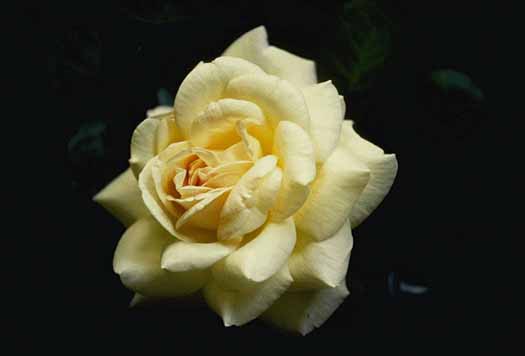
If this poem would be sung in Indian classical music, it would be sung in Raag Gauri. The raag of beauty and purity. (Symbolism, White rose: http://www.proflowers.com/flowerguide/rosemeanings/whiterose-meanings.aspx)

This poem is what true love is all about. The poet aspires to cultivate a white rose, a labor of love, for a true friend. But he also labors a white rose for one who wrenches out his heart. He is declaring that he will treat everybody the same, irrespective of whether they are good or bad to him. This is truly how the song of oneness is sung. This poem has become one of his greatest poems because the poet can be heard singing the purpose of life. The purpose of life is to sing of oneness with angels; and the goodness of angels has to be discovered in everyone. 

This reminds me a couple from Bhagat Shekh Farid: 

fareedhaa jo tai maaran mukeeaa(n) tin(h)aa na maare ghu(n)m ||
aapanaRai ghar jaieeaai pair tin(h)aa dhe chu(n)m ||7||

Fareed, do not turn around and strike those who strike you with their fists.
Kiss their feet, and return to your own home. ||7||
Saints often speak of sin—not to shame us, but to remind us of where love begins: in our limitations. When we talk of sin, I am reminded of Baba Farid:

ਫਰੀਦਾ ਕਾਲੇ ਮੈਡੇ ਕਪੜੇ ਕਾਲਾ ਮੈਡਾ ਵੇਸੁ ॥
ਗੁਨਹੀ ਭਰਿਆ ਮੈ ਫਿਰਾ ਲੋਕੁ ਕਹੈ ਦਰਵੇਸੁ ॥੬੧॥
Farid, my garments are black, my appearance dark with grief.
I wander burdened by sins—yet people still call me a saint. (61)

Interpretation:
Farid here reveals a deep truth about spiritual life: outward appearance can deceive. Despite being steeped in spiritual failings, society labels him a "darvesh" (a holy man). This couplet dismantles spiritual pride and emphasizes inner honesty.


Saint Thérèse of Lisieux, the French Carmelite mystic, once confessed that she often fell asleep during prayer. But instead of guilt, she discovered grace:

“I remember that little children are as pleasing to their parents asleep as awake.”

Her words reveal a divine tenderness. We are not loved because we perform well. We are loved because we belong.

In the Sikh tradition, Guru Nanak taught Ik Oankar—that there is One Source, one Father. If that’s true, then we are not competitors or failures—we are siblings. Even when we fall short, even when our prayers falter or our lives feel off-key, we are still part of the family.

Guru Arjan Dev Ji sings, “I have not practiced meditation or self-restraint... Yet I seek Your sanctuary—preserve my honor.” Baba Farid says, “I wander full of sins, yet people call me a saint.” They weren’t lowering the bar—they were lifting the veil of pride.

Real growth begins not in being great, but in knowing we are small—and still loved.


Aas - Composition by Shivpreet Singh; Sung by Kaushiki Chakraborty

Baba Farid and Gurbani

I love the poetry of Bhagat Farid. His poems, known as Shabads, are found in the Guru Granth Sahib, the holy book of Sikhs. Some experts believe these hymns were composed by a Sufi named Farid Shakarganj from Pak Pattan, who was a follower of Qutbuddin Bakhtiyar Kaki. Others think they were written by a different Sufi from Pak Pattan, also named Farid.

Baba Farid was a special and miraculous child. His mother used to pray all day and night during her pregnancy. He was born in the sacred month of Ramzan in the year 1173. On the night of his birth, the moon was hidden behind clouds, and people didn't know when to start their fasting. A holy man came and said that if the newborn baby refused to breastfeed, then it meant the fasting had begun. And indeed, Farid didn't suckle during the day, following the Muslim fasting tradition.

As a child, Farid was named Farid-ud-Din Masaud, but he became famous as Baba Farid of Pak Pattan. His mother used to reward him with sugar hidden under his prayer carpet when he finished his prayers. One day, when she was absent, he prayed a lot and found an even greater amount of sugar. Delighted, he shared it with his friends. When he told his mother about it, she realized it was a divine gift and gave him the surname Shakar Ganj, which means "treasury of sugar."

Farid ji has been honoured by the Gurus of Sikhism and his verses were collected and subsequently compiled into the Sikh holy book, Guru Granth Sahib (normally referred to as Gurbani) under three different sections as detailed below:

First section:

The first section comprising of two shabads is in Raag Asa at page 488 of the Guru Granth Sahib. The Bani starts " ਆਸਾ ਸੇਖ ਫਰੀਦ ਜੀਉ ਕੀ ਬਾਣੀ - Āsā Sekẖ Farīḏ jī▫o kī baṇī - Aasaa, The Word Of Shaykh Fareed Jee:"

Second section:

The second section comprising of two shabads is in Raag Suhi at page 794 of the Guru Granth Sahib. The Bani starts " ਰਾਗੁ ਸੂਹੀ ਬਾਣੀ ਸੇਖ ਫਰੀਦ ਜੀ ਕੀ ॥ - Rāg sūhī baṇī Sekẖ Farīḏ jī kī. -Raag Soohee, The Word Of Shaykh Fareed Jee:"

Third section:

The third section is by far the longest section comprising about 8 pages in Raag Jaijaiwanti starting at page 1377 of Guru Granth Sahib and ending at page 1384. The Bani starts with the line: " ਸਲੋਕ ਸੇਖ ਫਰੀਦ ਕੇ - Salok Sekẖ Farīḏ ke - Shaloks Of Shaykh Fareed Jee:" This section consists of couplets which have become very famous among the followers of Babaji.

The connection of Baba Farid with Amir Khusro

After Baba Farid ji, his successor was Hazrat Nizamuddin Auliya from Badayun, Uttar Pradesh, India (1238 - 1325). Sadly, he lost his father when he was just five years old. Together with his mother, he moved to Delhi. At the age of 20, he became a devoted disciple of Baba Farid, deeply inspired by his teachings.

Nizamuddin Auliya had a strong connection with the holy shrine in Pakpattan and would visit especially during the month of Ramadan. Just before Baba Farid ji passed away, he chose Nizamuddin Auliya as his successor. However, Auliya Sahib decided to return to Delhi instead of staying in Pakpattan. He dedicated his life to serving the poor people of the region, carrying forward the message of God.

Nizamuddin Auliya gained immense popularity and had millions of followers and students. One of his most notable students was Amir Khusrow, a renowned poet and musician. Amir Khusrow is credited with introducing Qawali to Indian music for the first time. Additionally, he innovated the Tabla by modifying the South Indian drum called mridang or pakhawaj. His contributions to music are truly remarkable and have left a lasting impact on Indian musical traditions.

Older Posts Home

SHIVPREET SINGH

Singing oneness!
- Shivpreet Singh

Related Posts

Popular - 30 days

  • Vande Mataram - Lyrics and Translation
    I love the Vande Maataram composition in Raag Des sung by Lata Mangeshkar.  Vande Mataram is the national song of India. In 2003, BBC World ...
  • Kabir's Gao Gao Ri Dulhani - Lyrics and meanings
    One of my favorite Kabir's poem I call "Dulhani." In this beautiful poem, Kabir envisions himself as the bride and the univers...
  • The Many Types of Raag Malhar
    Pour love in your heart, like the rain pours on the land today. As I am working on a Meerabai song I am doing research on the different vari...
  • Praising Shri Krishna in the Guru Granth Sahib - Dhan Dhan O Raam Ben by Bhagat Namdev
    I made a new composition for this shabad today. Hopefully I will get to record it one day. I'd like to focus our discussion on this part...
  • Sanson Ki Mala Pe - Lyrics, Translation and Background
    Sanson ki Maala was made famous by Nusrat Fateh Ali Khan sahib.  Although some have attributed this song to Mirabai and Khusro, this is a gh...
  • Shunya Gadh Shehar - Gorakhnath Bhajan Composed by Pt. Kumar Gandharva
    Listening to this beautiful bhajan today by Pt. Kumar Gandharva.  I don't know if this is authentically by Gorakhnath, but it made me th...
  • Samrath Guru - Video and Translation
    Sometime last year I heard this haunting melody from Nirinjan Kaur ... and fell in love with it. Since then I have been singing it and recor...
  • Jindari Lutti by Ghulam Farid - Lyrics/Translation and Performance by Bade Ghulam Ali Khan (Also Rohi or Dilri Lutti)
    Bade Ghulam Ali Khan's version of this Multani Kafi This is a beautiful spiritual song of separation written by Ghulam Farid.  I recentl...
  • Gulon Mein Rang Bhare - Lyrics and Translation of Mehdi Hassan Ghazal
    I was listening and meditating upon this beautiful ghazal by Faiz Ahmed Faiz, beautifully composed by Mehdi Hassan. It is one of my favorite...
  • Beethal Bhaila - Namdev Asa - Wherever I go, the playful Beethal is there
    I’ve been working on a musical composition for a beautiful shabad by Bhagat Naamdev, and it’s been making me think deeply about its message....

Blog Archive

  • ▼  2026 (12)
    • ▼  June (1)
      • Translation of Laavan - Shivpreet Singh
    • ►  May (1)
    • ►  April (1)
    • ►  March (6)
    • ►  February (1)
    • ►  January (2)
  • ►  2025 (24)
    • ►  October (5)
    • ►  September (7)
    • ►  August (2)
    • ►  July (2)
    • ►  June (3)
    • ►  March (1)
    • ►  February (2)
    • ►  January (2)
  • ►  2024 (21)
    • ►  December (1)
    • ►  November (2)
    • ►  October (3)
    • ►  September (2)
    • ►  August (4)
    • ►  July (2)
    • ►  June (3)
    • ►  May (1)
    • ►  April (1)
    • ►  February (1)
    • ►  January (1)
  • ►  2023 (41)
    • ►  December (4)
    • ►  November (3)
    • ►  October (4)
    • ►  September (7)
    • ►  August (5)
    • ►  July (7)
    • ►  June (3)
    • ►  May (3)
    • ►  April (1)
    • ►  March (1)
    • ►  February (3)
  • ►  2022 (8)
    • ►  March (2)
    • ►  January (6)
  • ►  2021 (139)
    • ►  December (15)
    • ►  November (2)
    • ►  October (6)
    • ►  September (7)
    • ►  August (2)
    • ►  July (4)
    • ►  May (21)
    • ►  April (21)
    • ►  March (35)
    • ►  February (23)
    • ►  January (3)
  • ►  2020 (150)
    • ►  December (2)
    • ►  November (13)
    • ►  October (32)
    • ►  September (47)
    • ►  August (37)
    • ►  July (5)
    • ►  June (3)
    • ►  May (3)
    • ►  April (3)
    • ►  March (2)
    • ►  February (1)
    • ►  January (2)
  • ►  2019 (43)
    • ►  December (5)
    • ►  November (8)
    • ►  October (13)
    • ►  September (4)
    • ►  July (3)
    • ►  June (1)
    • ►  May (2)
    • ►  March (1)
    • ►  February (1)
    • ►  January (5)
  • ►  2018 (53)
    • ►  December (8)
    • ►  November (5)
    • ►  October (3)
    • ►  September (4)
    • ►  August (6)
    • ►  July (3)
    • ►  June (4)
    • ►  May (6)
    • ►  April (5)
    • ►  March (2)
    • ►  February (4)
    • ►  January (3)
  • ►  2017 (73)
    • ►  December (2)
    • ►  November (12)
    • ►  October (8)
    • ►  September (1)
    • ►  August (7)
    • ►  July (6)
    • ►  June (12)
    • ►  May (5)
    • ►  April (4)
    • ►  March (8)
    • ►  February (3)
    • ►  January (5)
  • ►  2016 (141)
    • ►  December (1)
    • ►  November (9)
    • ►  October (16)
    • ►  September (19)
    • ►  August (2)
    • ►  July (5)
    • ►  June (7)
    • ►  May (3)
    • ►  April (18)
    • ►  March (34)
    • ►  February (16)
    • ►  January (11)
  • ►  2015 (28)
    • ►  December (1)
    • ►  November (1)
    • ►  October (2)
    • ►  September (12)
    • ►  August (1)
    • ►  May (1)
    • ►  April (7)
    • ►  March (1)
    • ►  February (1)
    • ►  January (1)
  • ►  2014 (107)
    • ►  December (1)
    • ►  November (6)
    • ►  October (1)
    • ►  August (2)
    • ►  July (1)
    • ►  June (11)
    • ►  April (10)
    • ►  March (15)
    • ►  February (24)
    • ►  January (36)
  • ►  2013 (242)
    • ►  December (13)
    • ►  October (5)
    • ►  September (3)
    • ►  August (3)
    • ►  June (7)
    • ►  May (62)
    • ►  April (79)
    • ►  March (12)
    • ►  February (23)
    • ►  January (35)
  • ►  2012 (145)
    • ►  December (29)
    • ►  November (31)
    • ►  October (44)
    • ►  September (5)
    • ►  August (9)
    • ►  July (7)
    • ►  June (1)
    • ►  May (3)
    • ►  April (1)
    • ►  March (4)
    • ►  February (9)
    • ►  January (2)
  • ►  2011 (252)
    • ►  December (1)
    • ►  November (1)
    • ►  October (4)
    • ►  September (13)
    • ►  August (28)
    • ►  July (44)
    • ►  June (33)
    • ►  May (15)
    • ►  April (2)
    • ►  March (45)
    • ►  February (43)
    • ►  January (23)
  • ►  2010 (70)
    • ►  December (31)
    • ►  November (20)
    • ►  October (2)
    • ►  September (3)
    • ►  August (1)
    • ►  July (2)
    • ►  May (5)
    • ►  March (4)
    • ►  February (1)
    • ►  January (1)
  • ►  2009 (15)
    • ►  December (1)
    • ►  November (3)
    • ►  October (2)
    • ►  September (2)
    • ►  August (1)
    • ►  June (1)
    • ►  April (1)
    • ►  March (1)
    • ►  February (1)
    • ►  January (2)
  • ►  2008 (15)
    • ►  November (1)
    • ►  July (2)
    • ►  June (5)
    • ►  May (1)
    • ►  April (2)
    • ►  March (1)
    • ►  February (1)
    • ►  January (2)
  • ►  2007 (9)
    • ►  November (4)
    • ►  October (2)
    • ►  September (1)
    • ►  August (2)
  • ►  1999 (1)
    • ►  May (1)

Message

Name

Email *

Message *

Twitter

Tweets by @shivpreetsingh


Copyright © Shivpreet Singh. Designed by OddThemes